


From WFH To AC Curbs: How India’s Neighbours Are Tackling Fuel Crisis Amid West Asia Conflict


The ongoing conflict in West Asia has begun to impact countries far beyond the region. As global oil supply chains face disruptions, several South Asian nations are now dealing with fuel shortages and rising energy costs.

AI-generated summary, reviewed by editors
Countries like Pakistan, Bangladesh, Sri Lanka, and Nepal have introduced strict measures to manage the crisis.
India, too, is feeling the pressure and has received requests from neighbouring countries for fuel assistance.
India Weighs Requests for Energy Support
India is closely monitoring its fuel reserves while considering requests for energy exports from neighbouring countries.
According to government officials, countries like Bangladesh have sought diesel supplies. However, any decision will depend on India's own domestic needs and production levels.
The situation highlights how interconnected regional energy systems are, especially during global crises.
Pakistan Faces Sharp Fuel Price Hike
In Pakistan, the crisis has led to a steep increase in fuel prices. Petrol prices surged by over 40%, creating public anger and protests across cities.
To manage the situation, the government has taken several steps:
- Announced a temporary reduction in fuel prices after protests
- Introduced a four-day workweek for government offices
- Extended school holidays and shifted classes online
- Offered free public transport for a limited period
Pakistan heavily depends on oil imports from West Asia, making it particularly vulnerable to supply disruptions.
Bangladesh Cuts Energy Use Across Sectors
Bangladesh, which imports most of its fuel from West Asia, has introduced strict energy-saving measures.
Key steps include:
- Shortened office hours (9 AM to 4 PM)
- Early closure of shopping centres by 6 PM
- Ban on decorative lighting at events
- Restrictions on fuel purchases
- Suspension of fertiliser production
The government is also limiting unnecessary spending to reduce overall energy consumption.
Sri Lanka Takes Strict Measures to Avoid Crisis
Sri Lanka, still recovering from its 2022 economic crisis, is taking strong steps to prevent another breakdown.
Measures include:
- Fuel rationing and price hikes
- Electricity tariff increase by up to 40%
- Ban on street lights, neon signs, and billboards
- Encouraging work-from-home arrangements
- Reducing use of air conditioners
India has also supplied fuel to Sri Lanka, helping ease some pressure on the country.
Nepal Adjusts Workweek and Fuel Usage
Nepal has also introduced changes to cope with the crisis.
- Shifted from a six-day to a five-day workweek
- Reduced operational hours for offices
- Promoted electric vehicles as an alternative
- Started selling half-filled gas cylinders due to shortages
These steps aim to reduce fuel consumption and manage limited supplies more effectively.
Wider Impact of the Crisis
The disruption in the Strait of Hormuz, a key global oil route, has played a major role in the current situation. With a large portion of global oil passing through this region, any blockage or tension directly affects fuel availability worldwide.
As a result:
- Fuel prices have surged globally
- Countries are forced to cut consumption
- Economic pressure is increasing across regions
The energy crisis triggered by the West Asia conflict is now clearly affecting South Asia. Countries are taking emergency steps to manage fuel shortages and rising costs, while also seeking support from neighbours like India.
As the situation continues, regional cooperation and careful resource management will be crucial to avoid deeper economic challenges in the coming weeks.
-
 “We Got Him”: US Rescues Downed Pilot In Iran As War Escalates And Global Tensions Rise
 -
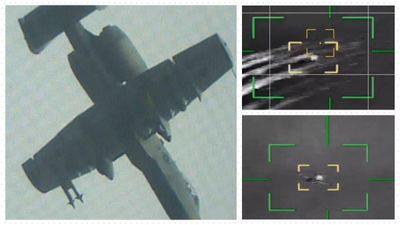 How Iran Brought Down US Military A-10 ‘Warthog’: IRGC Releases Video
 -
 Iran Snubs Pakistan’s Peacemaker Pretensions, Refuses To Meet US Officials In Islamabad
 -
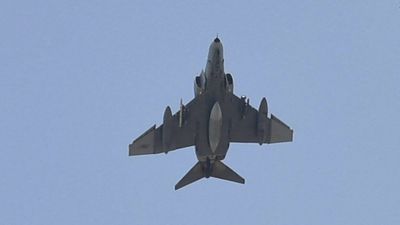 Iran Shoots Down Second US F-35 Fighter Jet, Pilot Survival Unlikely
 -
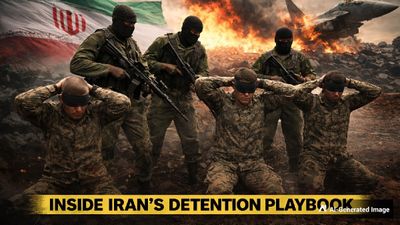 What Happened Last Time Iran Held US Personnel: The 2016 Detention That Still Haunts Washington
 -
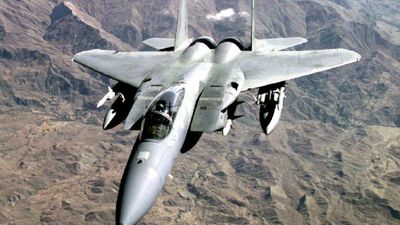 'Behind Enemy Lines' For Real: F15 US Pilot Rescue Unfolds Deep Inside Iran
 -
 We’re In War: Donald Trump Says US Aircraft Loss Won’t Derail Iran Talks
 -
 Trump Claims Iranian Military Leaders Killed In Tehran Strike, Issues Final Warning Before Deadline
 -
 Centre Plans ₹2.5 Lakh Crore Credit Shield for Businesses Facing Iran Conflict Fallout
 -
 INS Taragiri To Join Indian Navy Fleet, Boosting Maritime Power
 -
 US Confirms Fighter Jet Downed Over Iran, Tehran Announces Reward For Those Who Find Crew
 -
 We're The Only Country To Lose Mariners At Strait of Hormuz: India At UK-led West Asia Meet On Iran Crisis



 Click it and Unblock the Notifications
 Sign in with Google