


Budget 2013-14: How realistic are Chidambaram's numbers?


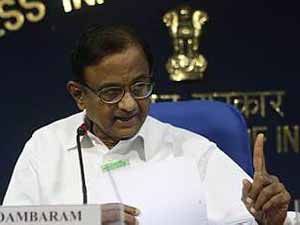
The sharp increase in spending, especially on welfare measures, in view of next year's general election, casts doubts on the reliability of Chidambaram's budgetary proposals on fiscal consolidation, the experts say.
"The improvement in the current fiscal year's deficit outcome has been achieved mainly through reducing expenditure. At the same time, there is little progress in structural reforms to reduce the vulnerability of the government's fiscal position," global ratings agency Standard & Poor's said.
Another ratings agency, Fitch, that last year threatened to downgrade India's ratings to junk status said "delivery of subsidy reforms, GDP growth and uncertain proceeds from the privatisation process are the key risks" for Indian economic policy makers.
In the 2012-13 fiscal that ends March 31, the government has failed miserably to achieve the budgetary numbers. On most of the macro-economic indicators, the performance so far has been far below the estimates.
The budgetary target of economic growth for the current fiscal was 7.6 percent, while the actual growth, according to the Central Statistics Office (CSO), is estimated to be around five percent.
Inflation was targeted to be around 6.5 percent, but it remained above seven percent for the most part of the year. In fact, food inflation remained much above the target. It was recorded at 10.79 percent in January and has remained above 10 percent since the beginning of the financial year.
Chidambaram's predecessor Pranab Mukherjee, who is now India's president, in the budget for 2012-13, had targeted a shortfall of 5.1 percent of GDP. Now the budget estimates it to be slightly higher at 5.2 percent.
Chidambaram is able to achieve the 5.2 percent fiscal deficit number largely because of the massive cut on spending and deferment of payments on fertiliser and other subsidies. Total expenditure of the government has been reduced by Rs.60,100 crore to Rs.14.30 lakh crore from the budgetary estimate of Rs.14.90 lakh crore.
The 4.8 percent fiscal deficit target for the financial year beginning April 1 looks a bit challenging. According to the budget documents, the 0.4 percentage point reduction in the fiscal deficit in 2013-14 year-on-year will be largely revenue-driven.
While expenditure is retained at the same level of 14.6 percent of the GDP, tax revenue is estimated to go up by 0.4 percent and non-tax revenue by 0.2 percent as a proportion of GDP.
The gross tax revenue is estimated to increase from 10.4 percent of the GDP in the current fiscal to 10.9 percent of the GDP next year. To achieve this, tax revenue needs to increase by 19.1 percent year-on-year. The total mop-up target from tax revenue for the next fiscal is pegged at Rs.8.84 lakh crore.
The 19 percent increase in tax revenue seems ambitious given the state of the economy. Chidambaram proposes to mobilise additional revenue of Rs.18,000 crore from adjustments in tax rates and surcharges. This should give some breather.
Revenue from taxes is closely linked to economic growth. The government hopes that the macro-economic outlook will be better and the GDP will expand in the range of 6.1 to 6.7 percent in 2013-14 and it should go above seven percent in following year.
The rosy growth outlook is based on the assumptions of a normal monsoon and better global economic scenario, especially in the US and Europe. It is too early to say how the monsoon will behave. Although there is some positive news from the US, European economies remain in trouble.
The finance minister has under-provided for subsidies, especially on oil. In the current financial year, the total subsidy is expected to rise to Rs.2.47 lakh crore against the budgetary target of Rs.1.79 lakh crore. Subsidies on petroleum products is expected to be more than double at Rs.96,880 crore against the budgetary target of Rs.43,580 crore.
Mukherjee had targeted to keep the subsidy bill below two percent of the GDP. But the actual number is expected to be 2.6 percent.
For the next financial year, Chidambaram has pegged the subsidy bill at Rs.2.21 lakh crore or two percent of the GDP. This assumption is based on a gradual increase and ultimate de-control of diesel price and reasonable price of crude oil in the international markets.
However, with the elections round the corner, it will be difficult for the government to go for any steep rise in diesel prices. Also, crude oil is a volatile commodity in the global markets. So, it is difficult to predict what way it will move.
IANS



 Click it and Unblock the Notifications
 Sign in with Google