


No roll back of eco decisions, no threat to Govt: Chidambaram


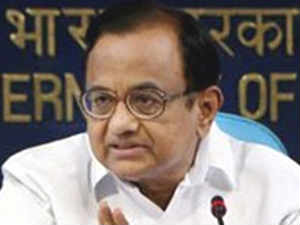
Close on the heels of the government taking hard decisions, Chidambaram said between now and October 30 Department of Revenue, Disinvestment and SEBI would decide on steps to revitalise economy, hinting that they will be in the areas which he had talked about in his August 6 statement after he took over.
During the hour-long interaction, he touched on various issues including Vodafone tax issue, GST, Direct Taxes Code and fiscal consolidation. "Opposition will demand a rollback. As far as I know we are not rolling back any of these decisions," he told select journalists here.
He was asked about the demand for withdrawing the hike in the price of Rs 5.63 per litre in diesel, limiting supply of subsidised LPG to six cylinders per household in a year and allowing foreign direct investment in retail and aviation. He said "a political government knows what is doable and what is not doable. Advisers can advise, but we have done what is doable".
Asked about stiff opposition to the decisions from UPA constituents like Trinamool and outside allies like Samajwadi Party and BSP and whether government has risked its stability, he said, "I do not think government faces any threat. Government is stable. Our allies in the government and outside will understand and continue their support to the government. We will be able to convince our allies."
Replying to a question on whether institutional activism is making policy decisions tough, Chidambaram said, "If institutions remain well within their domain and recognise the limits of their jurisdictions, there should not be any difficulty in making policies".
".... But we assume that when an institution acting within its jurisdiction points to either an original error or an error that is discovered over a period of time, immediately leads to a conclusion that there is corruption. That I think is the error and that is the fallacy," he added.
Stating that Prime Minister Manmohan Singh shouldn't be blamed, he said coal block allocations were done following a policy that is in place since 1993. "You can't point finger at the Prime Minister, who was holding the portfolio for the certain period of time, and say this is corruption. In the implementation of the policy there could be irregularity," he said.
Chidambaram said the bidding document for future allocation of mines are being prepared by an expert agency and "once the bidding documents are in place, coal blocks will be bid".
The Finance Minister said the mining has a gestation period and the realistic period after allocation and before mining is 5-7 years. "The blocks allocated will not produce coal from tomorrow. So, we must maximise production of coal from blocks that were allocated earlier. People who have the prospecting liences, people who have mining lease must maximise the production," he said.
PTI



 Click it and Unblock the Notifications
 Sign in with Google