


Will Donald Trump Quit NATO After Iran War Rift? Europe Unites As Alliance Faces Its Biggest Crisis In Decades


Tensions between the United States and its European allies have sharply increased after US President Donald Trump criticised NATO countries for refusing to join the war against Iran. His strong remarks and threats have created serious concerns about the future of the transatlantic alliance.

AI-generated summary, reviewed by editors
European leaders are now discussing how to respond, with some even preparing for a scenario where the US reduces or ends its role in NATO.
Trump's Pressure Backfires on Allies
Donald Trump has openly expressed frustration with NATO members such as the United Kingdom, France, and Spain for not supporting military action against Iran.
However, instead of dividing Europe, his criticism appears to have united these countries. Leaders across the continent are now standing together in their decision not to join the conflict.
Many European officials believe that this situation marks a serious breakdown in trust between the US and its allies.
Growing Fear That NATO Is Weakening
Behind closed doors, European diplomats and leaders are increasingly worried about NATO's future.
Some officials believe the alliance is already losing its strength. One diplomat described the situation bluntly, saying NATO is struggling to function properly and may be "falling apart."
This reflects a deeper concern: if the unity within NATO weakens, it could affect global security, especially in dealing with threats from countries like Russia.
Europe Considers New Defence Strategies
As uncertainty grows, European nations are starting to explore ways to protect themselves without relying fully on the United States.
Discussions are taking place about strengthening regional defence cooperation and building alternative systems. Some countries are increasing military spending, while others are looking at joint defence agreements within Europe.
The goal is clear-to be prepared in case NATO no longer works as it once did.
Private Meetings Show Rising Concern
Recent private meetings among European leaders highlight how serious the situation has become.
At a gathering in Helsinki, leaders from several countries held detailed discussions about the weakening alliance. They agreed that while the war should end, they could not support the US decision to expand the conflict.
One official said, "We all want the war to end, but we are not on the same page as the US."
These talks also showed that European countries are becoming more united in their approach.
Refusal to Join Iran War
Unlike past conflicts, such as the Iraq War, many European countries have clearly refused to send troops or support military operations against Iran.
Some countries have even taken strong steps:
- Spain has restricted the use of its airspace
- France has limited military-related flights
- Other nations have denied access to bases
This shows a clear shift in Europe's position compared to earlier decades.
Trump's Criticism of NATO
Trump has continued to criticise NATO, even calling it a "paper tiger." He has also suggested that the US could reconsider its membership in the alliance after the Iran war.
These comments have added to the uncertainty and raised fears about a possible major change in global alliances.
Leaders Push Back Against Trump
European leaders have responded calmly but firmly.
UK Prime Minister Keir Starmer, who faced direct criticism from Trump, said he would act in his country's national interest regardless of outside pressure.
He also reaffirmed his support for NATO, calling it one of the most effective military alliances in history.
At the same time, some officials have openly expressed frustration with the US decision to go to war without consulting allies.
Efforts to Maintain Stability
Despite the tensions, European countries are still trying to maintain cooperation with the United States.
Diplomatic efforts are ongoing, including international meetings aimed at restoring stability in the Middle East and ensuring safe trade routes, especially through key areas like the Strait of Hormuz.
There is also discussion about possible peacekeeping roles once the conflict ends.
NATO's Future at a Crossroads
The current crisis has raised serious questions about NATO's future.
At the heart of the alliance is the promise that members will defend each other. If that trust weakens, NATO's strength as a global security force could decline.
European leaders now face a difficult challenge:
- How to maintain the alliance
- How to prepare for a future without full US support
- There is no clear answer yet, but preparations are already underway.
-
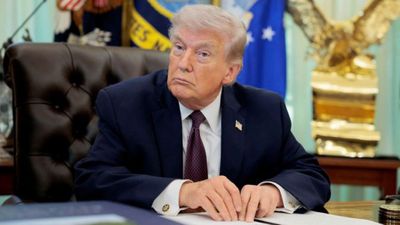 Donald Trump Offers To Buy Oil From The US, Says “We Have Plenty”; Claims Iran War Will “Finish Very Fast'
 -
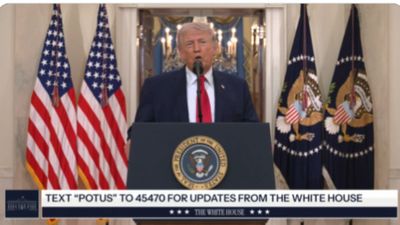 Trump Addresses Nation Amid Iran War, Targets Obama Nuclear Deal, Justifies ‘Operation Epic Fury' , Watch
 -
 Trump's Address To Nation: Key Pointers From US President's Speech
 -
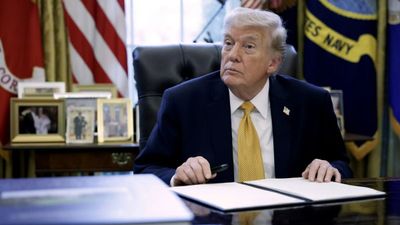 ‘Go Get Your Own Oil’: Trump Slams Nations Hit By Hormuz Fuel Crisis For Refusing To Back Iran Strikes
 -
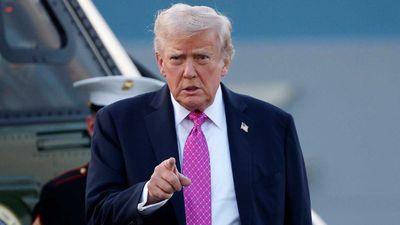 Trump Warns Iran Of Possible Attacks On Energy Sites Amid Israel-Hezbollah Conflict
 -
 Trump Signals US Exit from Iran Within Weeks, Shifts Focus from Diplomacy to Military Goals
 -
 ‘Iran Wants Ceasefire’: Donald Trump Threatens To Send Tehran ‘Back To The Stone Age’
 -
 Trump Says Iran Is ‘Incapable’ Of Building Nuclear Weapon, US Will Be Out ‘Pretty Quickly’
 -
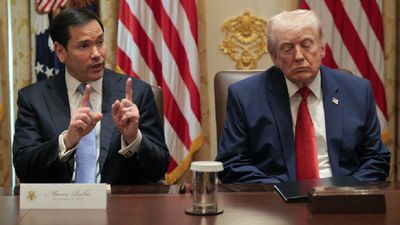 Iran-US War: Donald Trump’s Missteps And The NATO Paradox
 -
 Gold Rate Today 31 March 2026: Latest IBJA Benchmark And Tanishq, Kalyan, Malabar, Joyalukkas Rates
 -
 Hyderabad Gold Silver Rate Today, 31 March 2026: Gold And Silver See Fresh Movement, Check Latest City Rates
 -
 Gold Silver Rate Today, 31 March 2026: City-Wise Prices, MCX Trend As Gold Rises And Silver Slips



 Click it and Unblock the Notifications
 Sign in with Google