


US Shares Stark Greenland Graphic Framing Future Between Washington and Moscow-Beijing


Tensions over Greenland resurfaced in mid-January 2026 after the White House shared a social media graphic that framed the Arctic island's future as a choice between closer alignment with the United States or exposure to Russian and Chinese influence. The post immediately drew attention for its stark messaging and added to an already sensitive diplomatic standoff involving Washington, Copenhagen and Greenland's leadership.
The graphic appeared alongside renewed statements from US President Donald Trump, who again described Greenland as strategically crucial for American security interests. Trump said the island played a key role in US defence planning and linked it to a proposed security shield, arguing that control over Greenland was essential rather than optional. He also warned that if the United States stepped back, rival powers such as Russia or China could seek greater influence in the Arctic region.
AI-generated summary, reviewed by editors

According to Trump, Greenland's status also had implications for NATO, with the former president claiming the alliance would be stronger if the island were under US control. His comments reinforced the view that Washington sees the Arctic as an increasingly important arena in global power competition.
The White House image showed a symbolic crossroads, with one path leading toward the United States and the other towards stormy conditions associated with Russia and China. The presentation triggered criticism online, with many observers arguing that it reduced Greenland's complex political reality to a simplistic geopolitical choice.
Denmark and Greenland responded by reiterating that the island is not for sale and that decisions about its future rest with the Greenlandic people. Officials in Copenhagen objected to what they described as repeated efforts by the US administration to influence policy choices concerning a self-governing territory within the Kingdom of Denmark.
The renewed rhetoric came just before talks in Washington involving senior Danish and Greenland representatives and top US officials, including Vice President JD Vance and Secretary of State Marco Rubio. While the discussions were described as direct, Danish Foreign Minister Lars Løkke Rasmussen later acknowledged that deep disagreements remained. He stressed that any proposal undermining Denmark's territorial integrity or Greenland's right to self-determination was unacceptable.
With firm positions on all sides and no visible breakthrough, the dispute highlighted how Greenland's strategic value continues to complicate diplomatic relations. As interest in the Arctic grows, the island remains at the centre of competing geopolitical priorities, with its future likely to remain a subject of international debate.
-
 Trump Signals US Exit from Iran Within Weeks, Shifts Focus from Diplomacy to Military Goals
 -
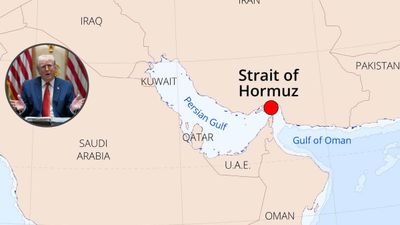 When Will Strait of Hormuz Reopen? Donald Trump’s Iran War Speech Suggests No Quick Relief
 -
 Trump's Address To Nation: Key Pointers From US President's Speech
 -
 Trump Sets Tough Terms For Ceasefire With Iran, Demands Strait Of Hormuz Be “Open, Free, Clear” Amid Conflict
 -
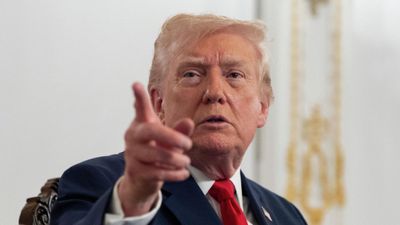 Will Donald Trump Quit NATO After Iran War Rift? Europe Unites As Alliance Faces Its Biggest Crisis In Decades
 -
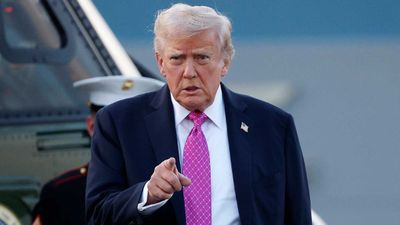 What Is The ‘Stone Age’ Warning Donald Trump Issued To Iran? Says ‘No Deal, No Mercy’
 -
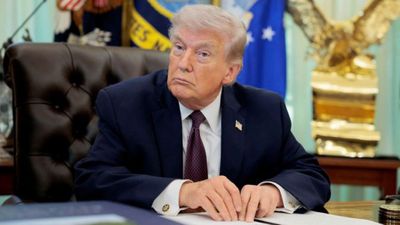 Donald Trump Offers To Buy Oil From The US, Says “We Have Plenty”; Claims Iran War Will “Finish Very Fast'
 -
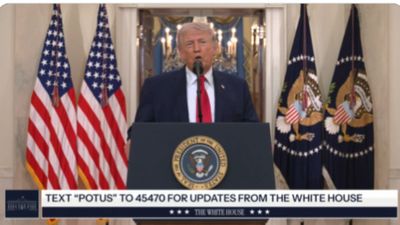 Trump Addresses Nation Amid Iran War, Targets Obama Nuclear Deal, Justifies ‘Operation Epic Fury' , Watch
 -
 ‘Iran Wants Ceasefire’: Donald Trump Threatens To Send Tehran ‘Back To The Stone Age’
 -
 NASA Successfully Launches Artemis II: Know All About First Crewed Moon Mission In 50 Years
 -
 Iran Hits Back at Trump, Threatens Prolonged War
 -
 Stock Market Crashes As Sensex Falls Over 1,400 Points After Trump’s Iran War Warning, Oil Prices Surge



 Click it and Unblock the Notifications
 Sign in with Google