


US Plan to Expand Social Media Vetting for Visitors Sparks Travel Industry Concerns


A proposal by the United States to expand social media screening requirements for foreign visitors has triggered concern across the travel industry, with industry bodies warning that the move could deter millions of travellers and result in significant economic losses.
The proposed change, outlined in a US government notice issued last week, is expected to come into effect on February 8. It would require travellers visiting the United States under the visa waiver programme to disclose social media handles they have used over the past five years. Industry representatives argue that the additional scrutiny may discourage visitors from choosing the US as a destination.
AI-generated summary, reviewed by editors

Responding to the proposal, the US Travel Association cautioned that the policy could have unintended consequences. "If we get this policy wrong, millions of travellers could take their business and the billions of dollars they spend elsewhere, only making America weaker," the association said in a statement issued on Monday. It added that the measure could have "a chilling effect on travel to the United States."
At present, individuals applying for immigrant and non-immigrant visas have been required to provide social media information since 2019. The latest proposal would extend this requirement to travellers who currently enter the US without a visa for short stays under the visa waiver programme.
The plan follows an executive order signed by President Donald Trump on January 20, directing that visitors to the United States be "vetted and screened to the maximum degree," according to the government notice.
The visa waiver programme allows travellers from 42 countries, most of them in Europe, to enter the United States for up to 90 days without obtaining a visa. These travellers are required to complete the Electronic System for Travel Authorization, or ESTA, before departure. Under the proposed changes, the ESTA form would be expanded to include mandatory disclosure of social media handles.
In addition to social media information, the notice stated that authorities would seek further personal details. These include all email addresses used over the past 10 years, as well as information about immediate family members such as parents, siblings, children and spouses. Applicants would need to provide names, dates of birth, places of birth and residential details for these relatives. The proposal has been opened for public comment for a period of 60 days.
Earlier this month, the US State Department announced that from December 15, all H-1B visa applicants and their dependents would be required to set their social media profiles to "public," allowing officials to review posts as part of the screening process.
The proposed changes come at a time when the United States is preparing to co-host the football World Cup in 2026 alongside Canada and Mexico. The tournament is expected to attract large numbers of international visitors, and travel businesses are relying on the event to help support a recovery in tourism following a decline since President Trump took office.
Separately, the Trump administration last week began accepting applications for a new "gold card" programme, under which individuals who pay $1 million can obtain US permanent residency "in record time." A website linked to the initiative also mentioned a forthcoming "platinum card" priced at $5 million, a move that critics argue goes beyond what is permitted under existing US law.
-
 Gold Silver Rate Today, 31 March 2026: City-Wise Prices, MCX Trend As Gold Rises And Silver Slips
 -
 Thunderstorm Warning In Delhi NCR: IMD Issues Orange Alert Amid Sudden Weather Shift
 -
 UP STF Nabs Maulana Abdullah Salim Over Controversial Comment On CM Yogi's Mother
 -
 Masood Azhar’s Brother Mohammad Tahir Dies In Pakistan Under Mysterious Circumstances, Cause Yet To Be Known
 -
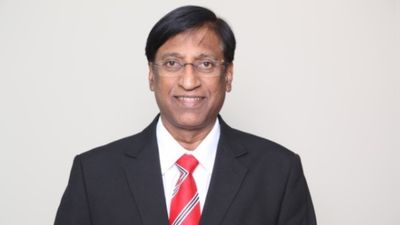 VerSe Innovation Appoints P.R. Ramesh as Independent Director and Chair of Audit Committee to Strengthen Governance Ahead of Next Phase of Growth
 -
 “Not Going To Be There Too Much Longer”: Trump Signals Endgame In Iran War
 -
 Iran Threatens To Hit US Companies in Region From April 1, Names Microsoft, Apple, Tesla, Boeing
 -
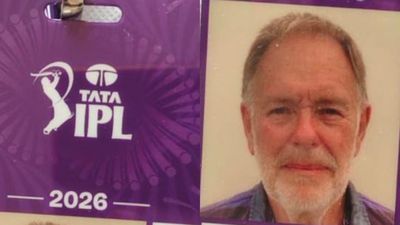 ‘IPL Official’ Found Dead in Mumbai Hotel, Probe Underway
 -
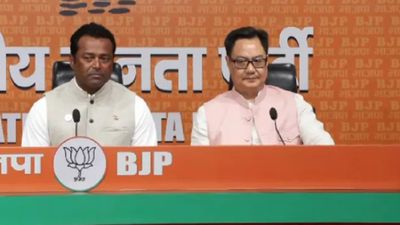 Leander Paes To Contest West Bengal Assembly Elections 2026? Tennis Star Joins BJP Ahead of Assembly Polls
 -
 April 1 Rule Changes: PAN, New Tax Law, ATM, FASTag, Cards to Impact Millions, What’s Changing?
 -
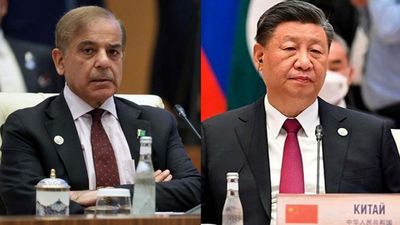 China, Pakistan Call for Immediate Ceasefire in Iran War, Push Peace Talks ‘As Soon As Possible’
 -
 Are Banks Closed or Open Today on Mahavir Jayanti? RBI Issues Special March 31 Instructions



 Click it and Unblock the Notifications
 Sign in with Google