


Oil Market Alert: Japan Taps Strategic Reserves Amid Strait of Hormuz Chokehold


Japan will begin releasing part of its oil reserves from March 16 as a response to the Strait of Hormuz blockade and rising global tension. Prime Minister Sanae Takaichi confirmed the move, which aims to cushion Japan’s energy supplies disrupted by the Iran war.
The conflict escalated after US-Israeli strikes on Iran on February 28 triggered a continuing exchange of missiles and drones. Iran and allied forces then blocked the Strait of Hormuz and warned that any vessel entering the passage could be targeted, deepening fears over oil and gas flows.
AI-generated summary, reviewed by editors

Strait of Hormuz oil reserves and G7 response
Japan plans to tap both private and state-held stocks to handle the supply shock. According to Reuters, the government intends to release 15 days of private-sector oil reserves and one month of state oil reserves, providing a short-term buffer while trade routes remain uncertain.
The move aligns with talks among Group of Seven members, who are weighing joint use of strategic reserves to ease crude price spikes linked to the Middle East conflict. G7 leaders were due to hold a video meeting chaired by French President Emmanuel Macron to examine the broader economic damage.
| Country | Type of oil reserves | Volume to be released |
|---|---|---|
| Japan | Private-sector oil reserves | 15 days worth |
| Japan | State oil reserves | One month's worth |
Strait of Hormuz oil reserves and G7 coordination
Energy ministers from the G7 signalled support for such steps after crisis talks. "In principle, we support the implementation of proactive measures to address the situation, including the use of strategic reserves," AFP news agency quoted energy ministers of the G7, of which France currently holds the rotating presidency, as saying in a statement on Wednesday.
The Paris-based International Energy Agency also met on Tuesday to review supply security and discuss possible emergency stock releases. Officials examined how long members could cover demand if the disruption around the Gulf region persists and if further coordinated action becomes necessary.
The Strait of Hormuz, a narrow channel along the Iranian coast, currently blocks about one fifth of global oil shipments. Traffic has not resumed, creating the worst hit to energy flows since the oil shocks of the 1970s and impacting major buyers such as Japan.
The G7, which brings together Canada, France, Germany, Italy, Japan, the United Kingdom and the United States, is expected to keep monitoring the crisis. Japan’s release of reserves shows how major economies are already trying to shield markets while the Iran war and blockade continue.
-
 Prathichaya Movie Review: What's Good, What's Bad In Nivin Pauly's Film?
 -
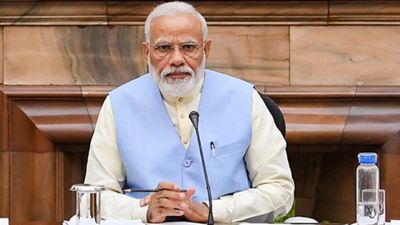 Lockdown In India Again? PM Modi’s Meeting With Chief Ministers Sparks Energy Lockdown Rumours
 -
 Bangalore Gold Rate Today 26 March 2026: Gold, Silver Prices Rise Sharply as Weak Dollar Boosts Bullion
 -
 Hyderabad Gold Silver Rate Today, 26 March 2026: Gold Rises Again, Silver Jumps Sharply In Local Market
 -
 Gold Silver Rate Today, 26 March 2026: City-Wise Prices Climb In India As MCX Gold Silver See Strong Recovery
 -
 Will Annamalai Contest Or Stays Out of Tamil Nadu Polls?
 -
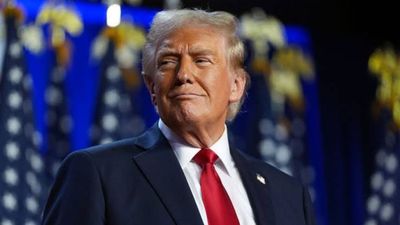 Trump Claims Iran ‘Begging’ For Deal Amid War, Even As Tehran Rejects US Ceasefire Plan
 -
 Petrol Price Hike by Nayara Energy: Check Latest Rates in Mumbai, Chennai, Bengaluru & Other Cities
 -
 New COVID Variant ‘Cicada’ Spreads Across US: Symptoms, Risks And What To Know
 -
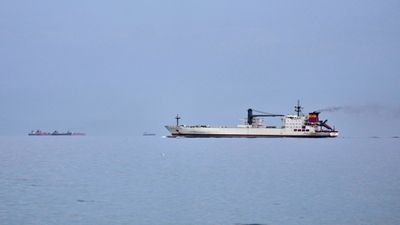 India Among Nations Allowed Safe Passage Through Strait of Hormuz: Iran
 -
 Mumbai-Pune Expressway Traffic Jam: Ram Navami Rush Leaves Commuters Stranded
 -
 Navratri Ends 2026: Date, Parana Rituals, Significance, and Simple Worship



 Click it and Unblock the Notifications
 Sign in with Google