


Vithoba Temple, Pandharpur
Pandharpur, Manipur

Vithoba Temple History and Significance
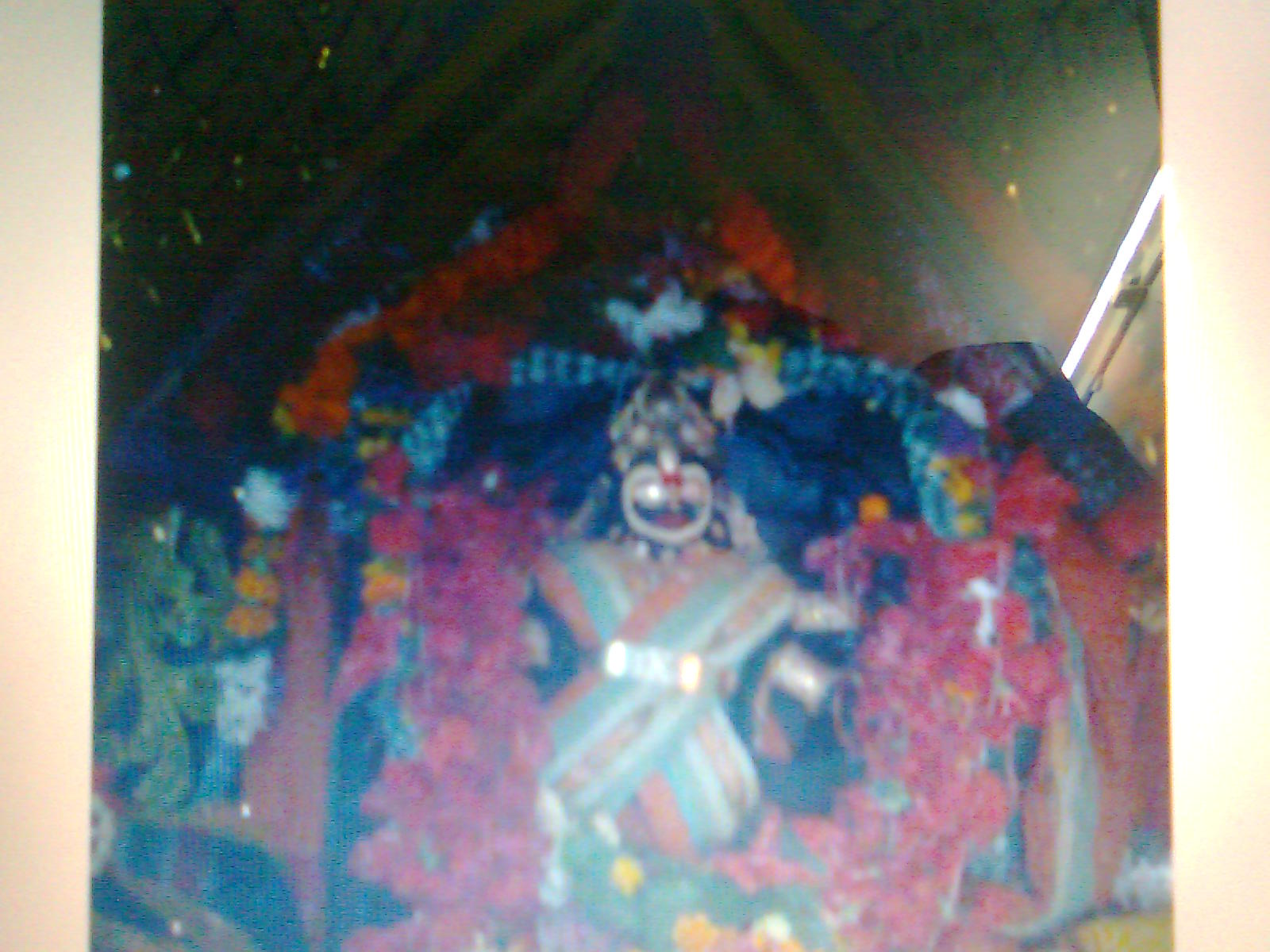
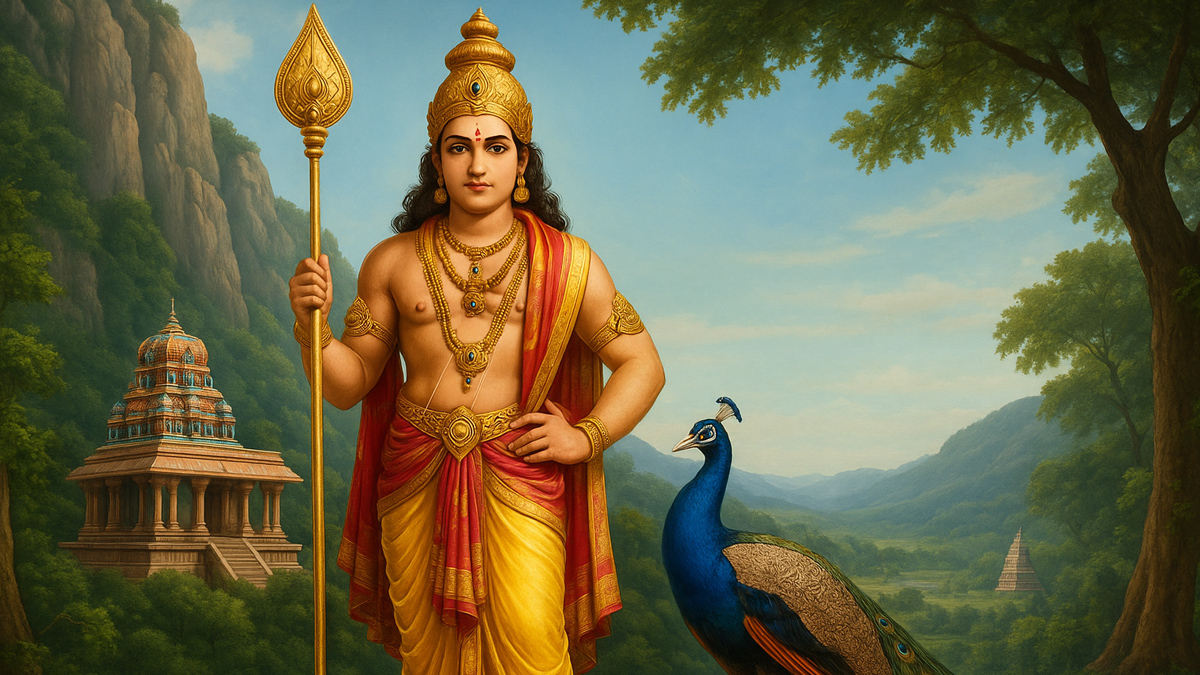
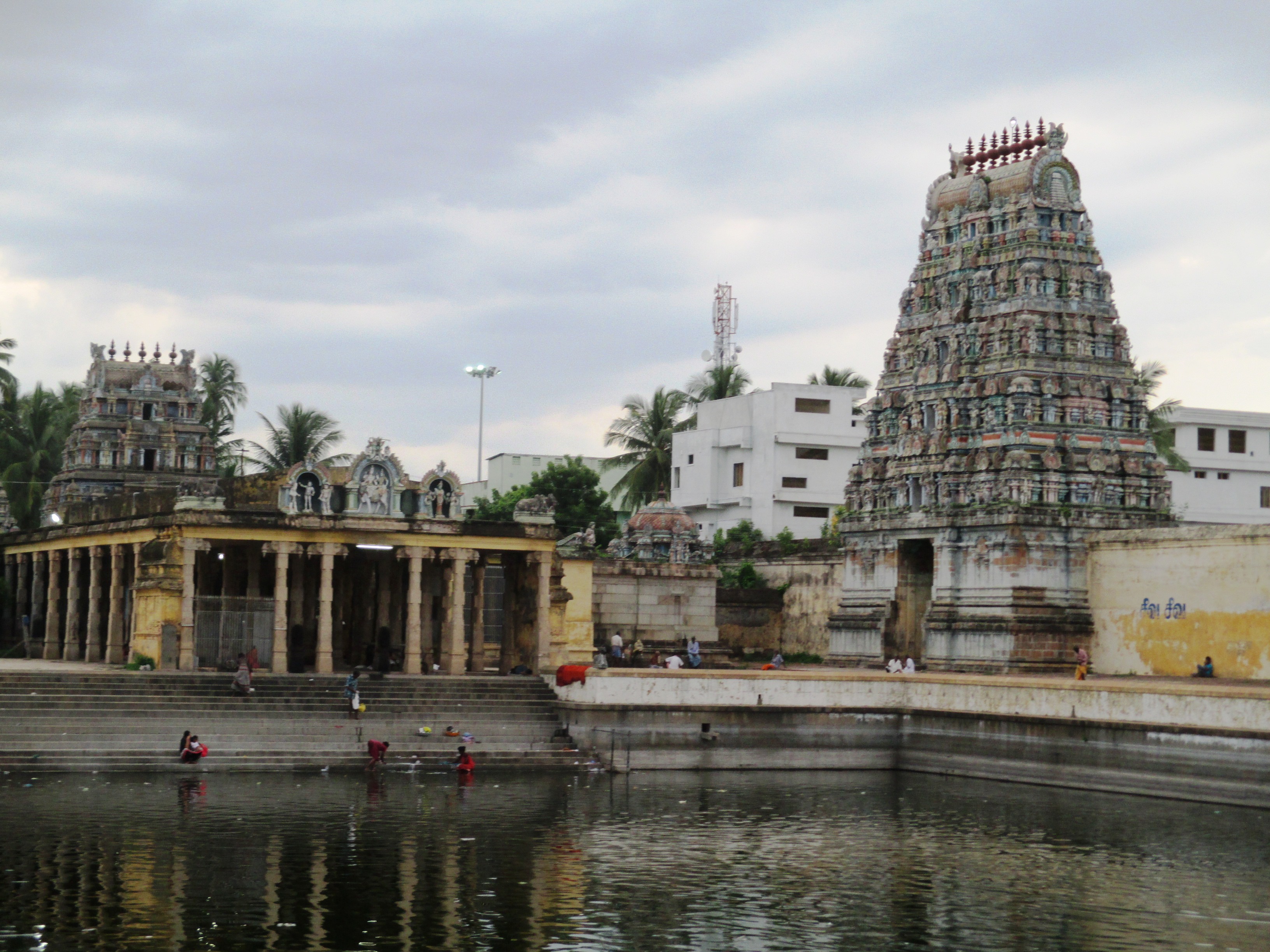
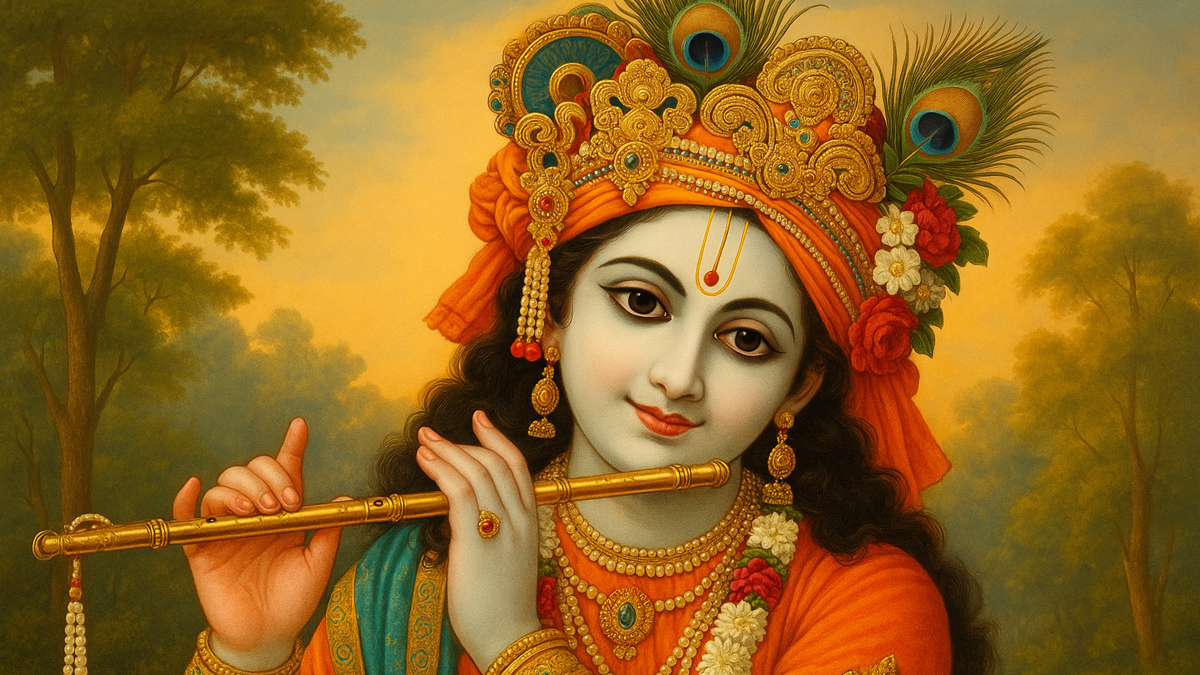
The Vitthhal-Rukmini Temple in Pandharpur, Maharashtra, is a significant Hindu temple. It was built by King Vishnuvardhana of the Hoysala Empire between 1108 and 1152 CE. The temple is dedicated to Vithoba, a form of Vishnu or Krishna, and his consort Rukmini. It is one of the 108 Abhimana Kshethram of the Vaishnavate tradition. An inscription from 1237 CE by Hoysala King Vira Someshwara grants the temple a village for its upkeep.
Vithoba Temple Pooja Timing
| Pooja Name | Timings |
|---|---|
| Mangala Aarti | 5:00 AM - 5:30 AM |
| Shringar Aarti | 8:00 AM - 8:30 AM |
| Madhyan Aarti | 12:00 PM - 12:30 PM |
| Sandhya Aarti | 6:00 PM - 6:30 PM |
Vithoba Temple Location Details
How to Reach Vithoba Temple
By Road:
By Train:
By Air:
The temple is well-connected by road to major towns in Manipur. State Transport Buses and private taxis operate regularly.
Nearest railway stations: Dimapur Railway Station and Jiribam Railway Station. From these stations, buses or taxis are available to reach the closest town.
Nearest airport: Imphal International Airport. From the airport, you can take a taxi or bus to the closest town via connecting cities.
Vithoba Temple Nearby Temples

Vithoba Temple Visitor Information & Tips
Best time to visit (season/months):
October to March is the best time to visit. Avoid the monsoon season due to landslides and heavy rainfall. Winters: The temple may be closed during heavy snowfall.
Vithoba Temple Interesting Facts
-
Legends BeliefsThe legend of Pundalik is central to the temple's history. Pundalik, initially neglectful of his parents, transforms into a devoted son after witnessing a divine vision. Impressed by his devotion, Krishna visits Pundalik, who prioritises serving his parents. Pundalik offers a brick for Krishna to stand on, leading to Krishna's manifestation as Vithoba. This act of devotion is celebrated, and Vithoba remains in the temple, blessing devotees.Another tale involves Sant Namdev, a child devotee of Vithoba. When Namdev offers food to God, Vithoba appears and accepts it, impressed by Namdev's devotion. Namdev requests to be present in the temple's first step, allowing devotees to touch him before having darshan. This step is known as 'Sant Namdev Maharaj Pāyari'.
-
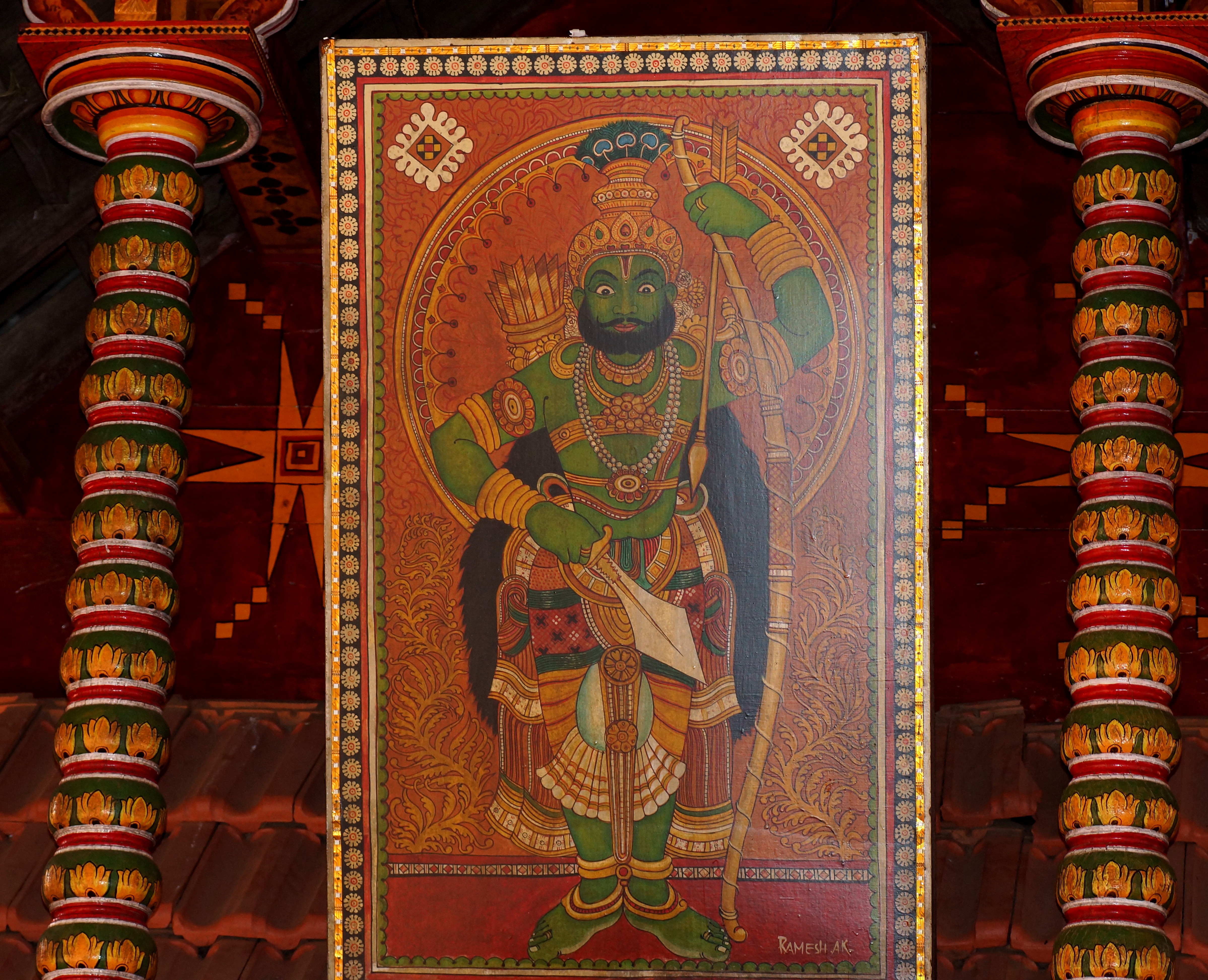
Deities and Sub DeitiesThe temple is dedicated to Vithoba and Rukmini. Vithoba is a form of Vishnu or Krishna, and Rukmini is his consort. Other deities worshipped in the temple include Satyabhama, Radhika, Narasimha, Venkateshwara, Mahalakshmi, Nagaraj, Ganesha, and Annapoorna Devi. The temple also honours devotees like Namdev and Chokamela, whose samadhis are at the entrance.
-
OfferingsDevotees offer prayers and perform rituals at the temple. The ritual of 'naivedya' involves offering food to the deity, which is then distributed as prasad. Pilgrims also take a dip in the holy Chandrabhaga River, believed to wash away sins. Touching the feet of the Vithoba idol is a significant act of devotion.
-
ArchitectureThe temple's architecture reflects the Hoysala style, with later additions in the Deccan style. The structure features dome motifs and lobed arches. Although parts of the temple date back to the 12th or 13th century, the existing structure mainly dates to the 17th century or later. The temple's main entrance faces the Chandrabhaga River.
-
FestivalsThe temple hosts major festivals like Aashadhi Ekadashi and Kartiki Ekadashi. During these festivals, Warkaris march in groups called Dindi to the temple. The festivals attract thousands of devotees who participate in rituals and seek blessings. The temple's vibrant celebrations reflect the deep spiritual significance of these events.
-
Religious PracticesThe temple is a centre for Vaishnavism, with practices rooted in devotion to Vithoba and Rukmini. Pilgrims engage in bhajans, kirtans, and other devotional activities. The temple made history in 2014 by allowing women and people from backward classes to serve as priests, promoting inclusivity in religious practices.
FAQ's
Where is the Vithoba Temple located?
Which God is Vithoba and Rukmini?
What is the best time to visit Vithoba Temple?
How to reach Vithoba Temple from near City or Town?
In Manipur

-
 Sign in with Google
-
Block for 8 hours
-
Block for 12 hours
-
Block for 24 hours
-
Don't block


 Click it and Unblock the Notifications
Informed.
- Male
- Female
- Others
- Under 18
- 18 to 25
- 26 to 35
- 36 to 45
- 45 to 55
- 55+