


Vedapureeswarar Temple, Thiruverkadu
Thiruverkadu, Tamil Nadu

Vedapureeswarar Temple History and Significance
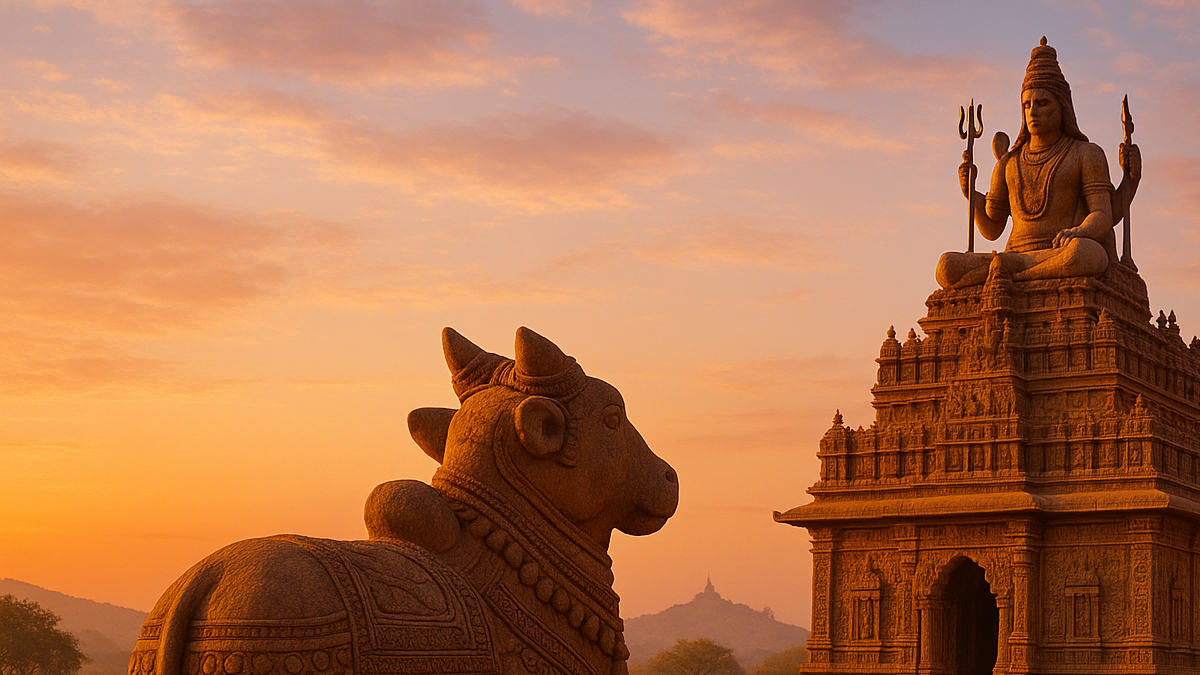
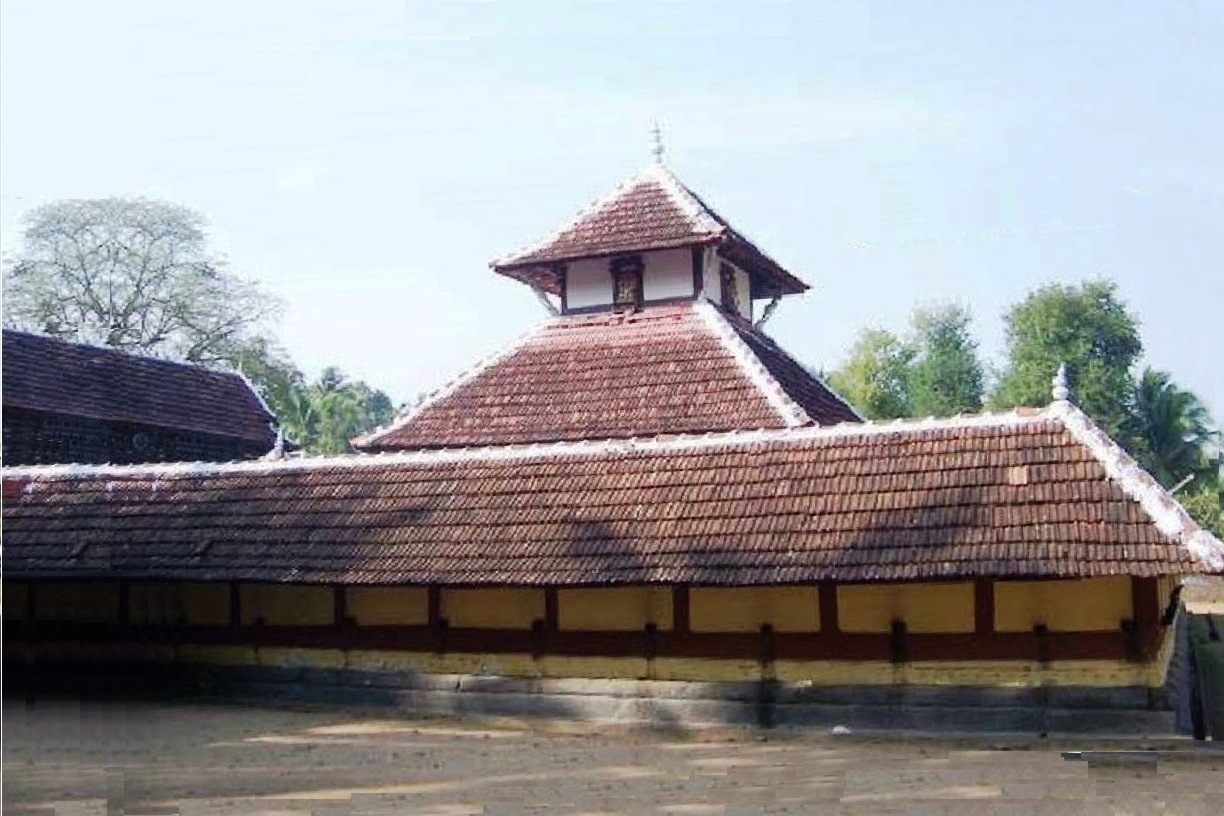
The Vedapureeswarar Temple is dedicated to Shiva, known here as Vedapureeswarar. The temple is located in Thiruverkadu, Tamil Nadu. It is revered in the 7th-century Tamil Saiva canonical work, the Tevaram, written by the Nayanars. The original complex is believed to have been built before the 7th century CE by the Cholas. The temple was reconstructed in 1973 under the direction of G. Yegneswaran with blessings from Sri Swamiji Ramadoss. Today, it is maintained by the Hindu Religious and Charitable Endowments Department of the Government of Tamil Nadu.
Vedapureeswarar Temple Pooja Timing
| Pooja Name | Timings |
|---|---|
| Ushathkala Pooja | 6:00 AM |
| Kalasanthi Pooja | 9:00 AM |
| Sayaraksha Pooja | 6:00 PM |
| Ardhajama Pooja | 8:30 PM |
Vedapureeswarar Temple Location Details
How to Reach Vedapureeswarar Temple
By Road:
By Train:
By Air:
Thiruverkadu is well-connected by road to major towns in Tamil Nadu. State Transport Buses and private taxis operate regularly.
Nearest railway stations: Chennai Central and Chennai Egmore. From these stations, buses or taxis are available to Thiruverkadu.
Nearest airport: Chennai International Airport. From the airport, you can take a taxi or bus to Thiruverkadu via connecting cities.
Vedapureeswarar Temple Nearby Temples
Vedapureeswarar Temple Visitor Information & Tips
Best time to visit (season/months):
The best time to visit is between October and March when the weather is pleasant. Avoid the monsoon season due to heavy rainfall.
Other Shiva Temples


Vedapureeswarar Temple Interesting Facts
-
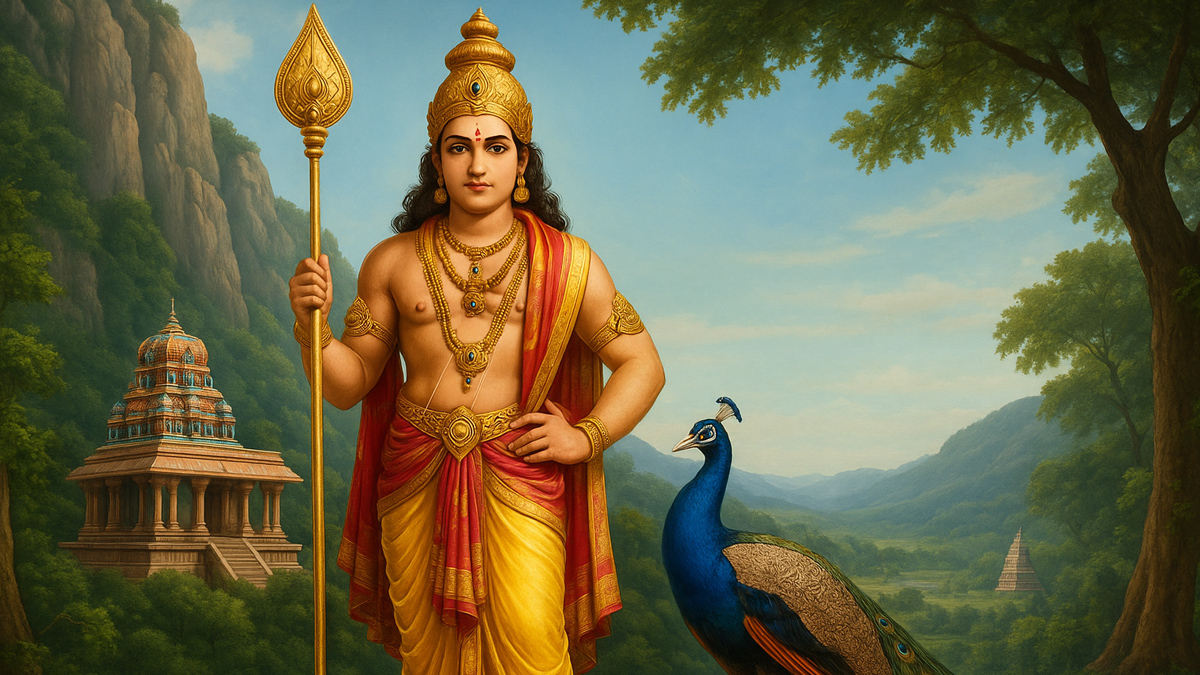
Legends BeliefsAccording to legend, during the divine wedding of Shiva and Parvati, Sage Agastya could not view the event due to the crowd at Kailash. He prayed to Shiva at this place, and Shiva appeared to him and his wife Lopamudra in his marriage attire. Shiva made this place his abode. The temple is also believed to be where Shiva's son Murugan received his weapon to kill the demon king Surapadma.
-
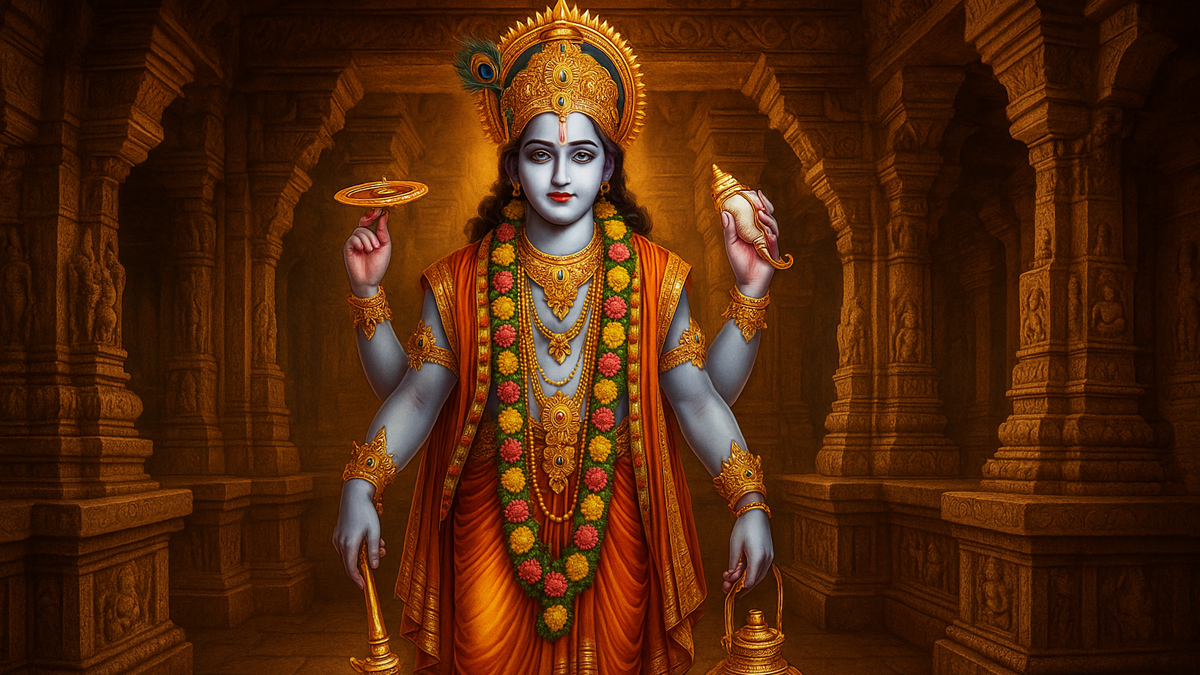
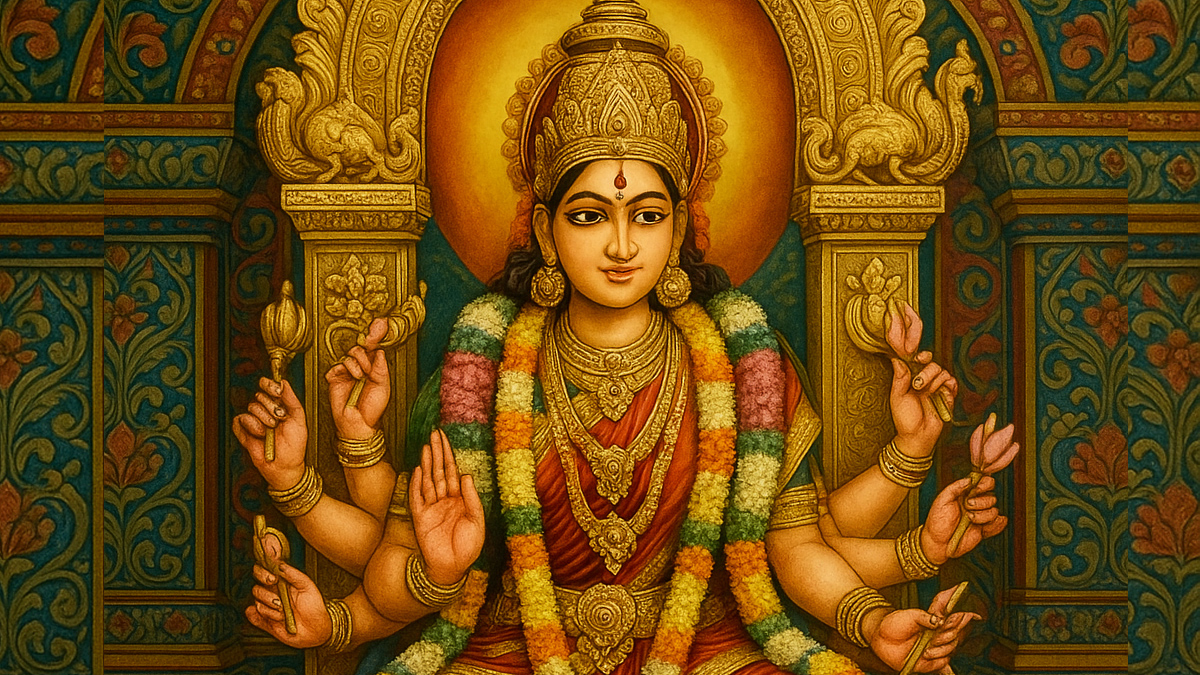
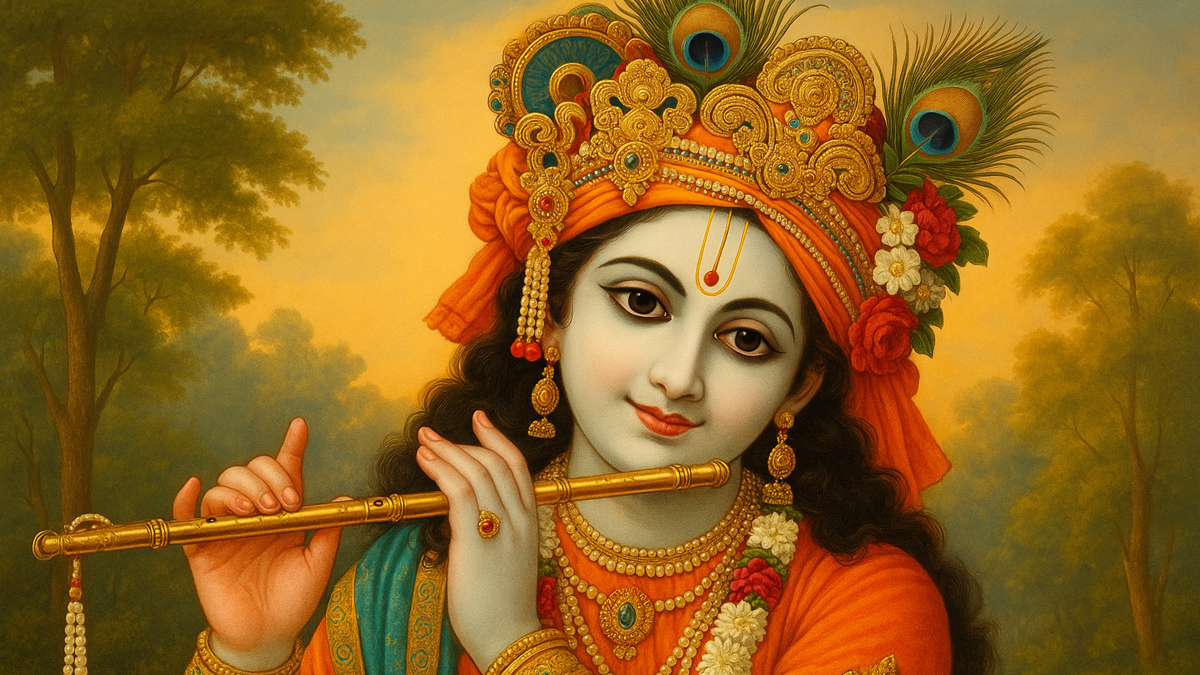
Deities and Sub DeitiesThe main deity of the temple is Vedapureeswarar, a form of Shiva, represented by the lingam. His consort, Parvati, is depicted as Balambigai. The temple also houses shrines for other deities, including Murugan, Durga, and the Navagrahas. There are also shrines for Arunagirinathar and Murkha Nayanar, and a prominent sculpture of Karumari Amman.
-
OfferingsDevotees offer various rituals and prayers to the deities. The daily rituals include abhisheka (sacred bath), alangaram (decoration), naivethanam (food offering), and deepa aradanai (waving of lamps). Special offerings are made during weekly, fortnightly, and monthly rituals, as well as during major festivals.
-
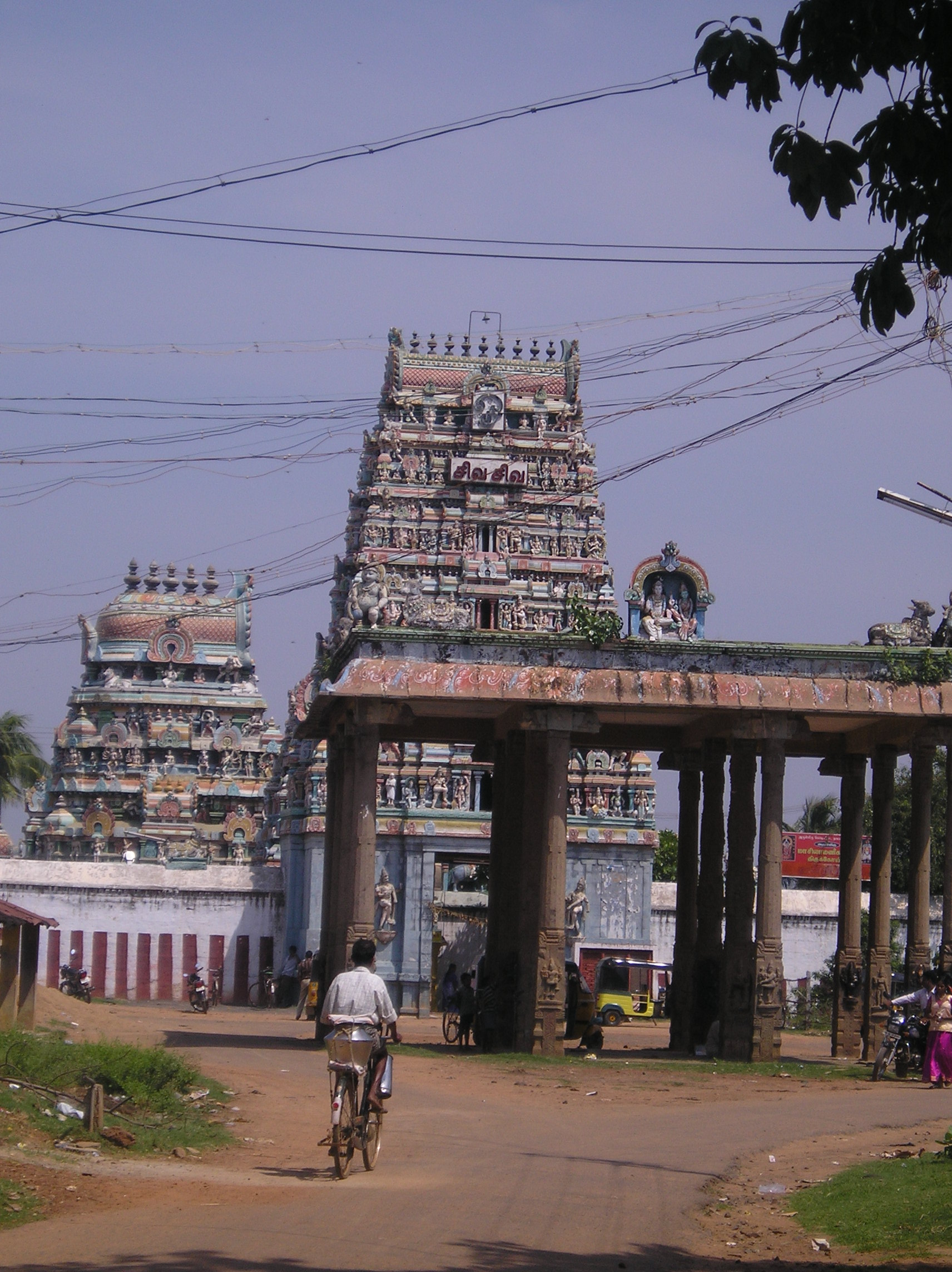
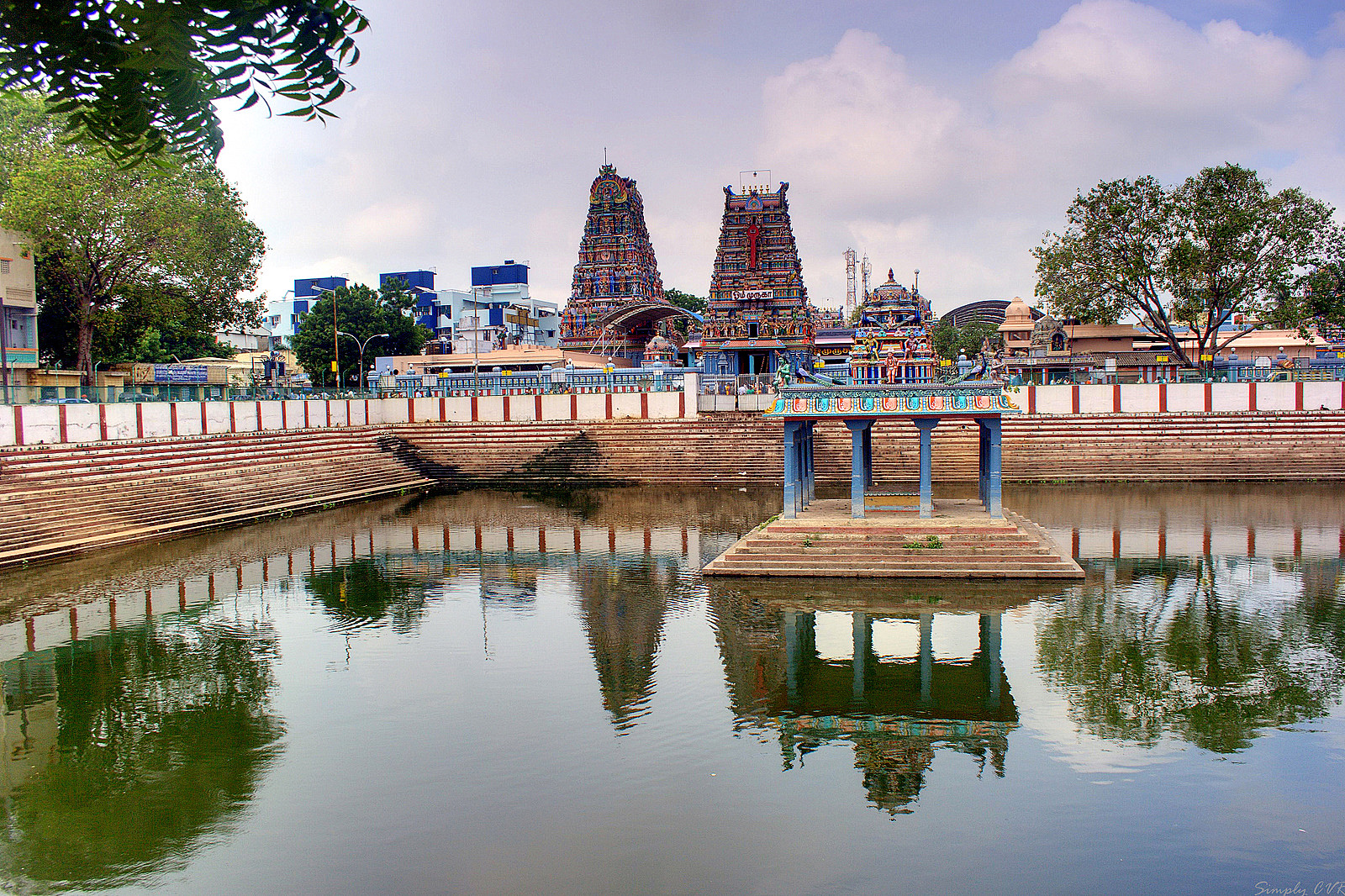
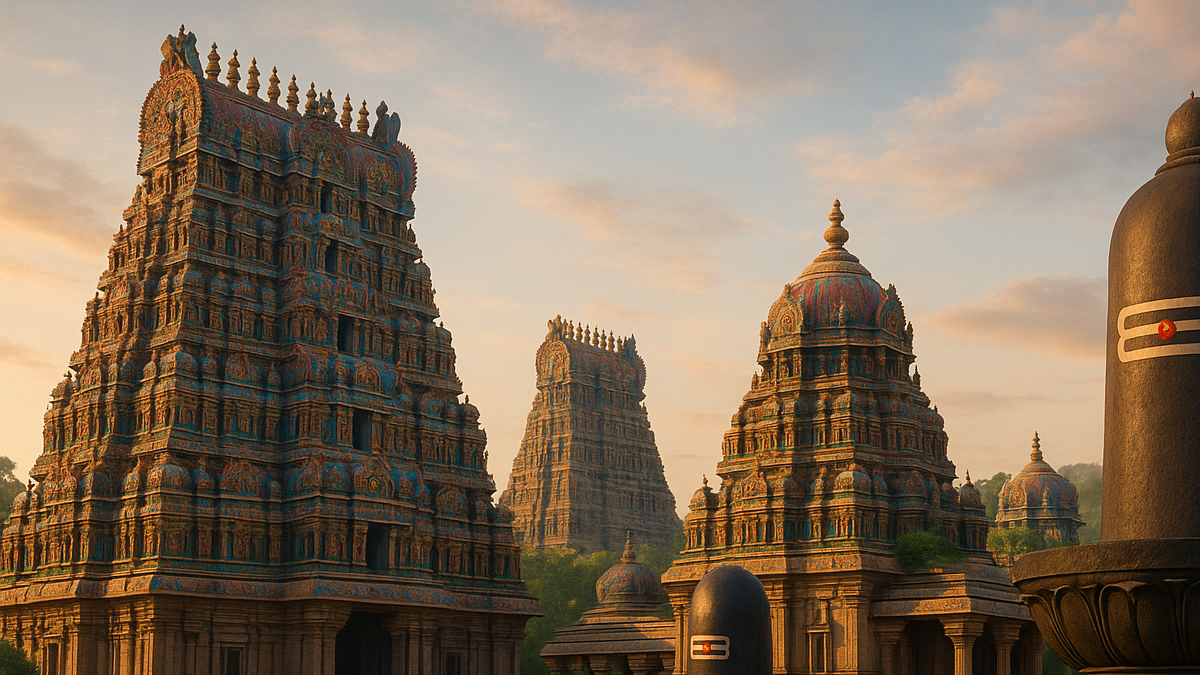
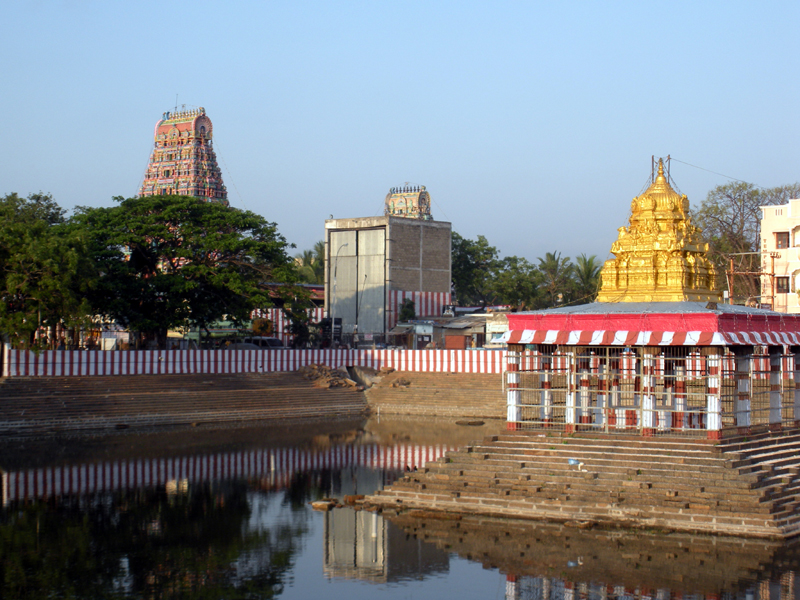
ArchitectureThe temple complex covers 1.5 acres and features Dravidian architecture. It has two gateway towers (gopurams) and three corridors (prakaras). The main rajagopuram has seven tiers. The vimana above the sanctum sanctorum is of Gajabrushta design. The temple tank is located outside the main entrance. The main shrine houses the image of Shiva as Vedapureeswarar and Parvati as Balambigai. The first precinct is decorated with images of the Nayanars, Murugan, and Durga.
-
FestivalsThe temple celebrates several festivals throughout the year. The Brahmotsavam festival during Magam (February - March) is the most prominent. Other festivals include Vinayaka Chaturthi, Aadi Pooram, Navaratri, Aippasi Pournami, Skanda Sashti, Kartikai Deepam, Arudra Darisanam, Tai Poosam, Maasi Magam, Panguni Uththiram, and Vaikasi Visakam. Monthly festivals like amavasai (new moon day), kiruthigai, pournami (full moon day), and sathurthi are also observed.
-
Religious PracticesThe temple priests perform puja (rituals) six times a day. The rituals include Kalasanthi at 6:00 a.m., Irandam Kalm at 9:00 a.m., Uchikalam at 12:00 p.m., Sayarakshai at 6:00 p.m., Irandam Kalm at 7:30 p.m., and Arthajamam at 9:00 p.m. Each ritual comprises abhisheka, alangaram, naivethanam, and deepa aradanai. Weekly rituals like somavaram (Monday) and sukravaram (Friday), as well as fortnightly rituals like pradosham, are also performed.
FAQ's
Where is the Vedapureeswarar Temple located?
Which God is Vedapureeswarar (Shiva)?
What is the best time to visit Vedapureeswarar Temple?
How to reach Vedapureeswarar Temple from near City or Town?
In Tamil Nadu
-
 Sign in with Google
-
Block for 8 hours
-
Block for 12 hours
-
Block for 24 hours
-
Don't block


 Click it and Unblock the Notifications
Informed.
- Male
- Female
- Others
- Under 18
- 18 to 25
- 26 to 35
- 36 to 45
- 45 to 55
- 55+