


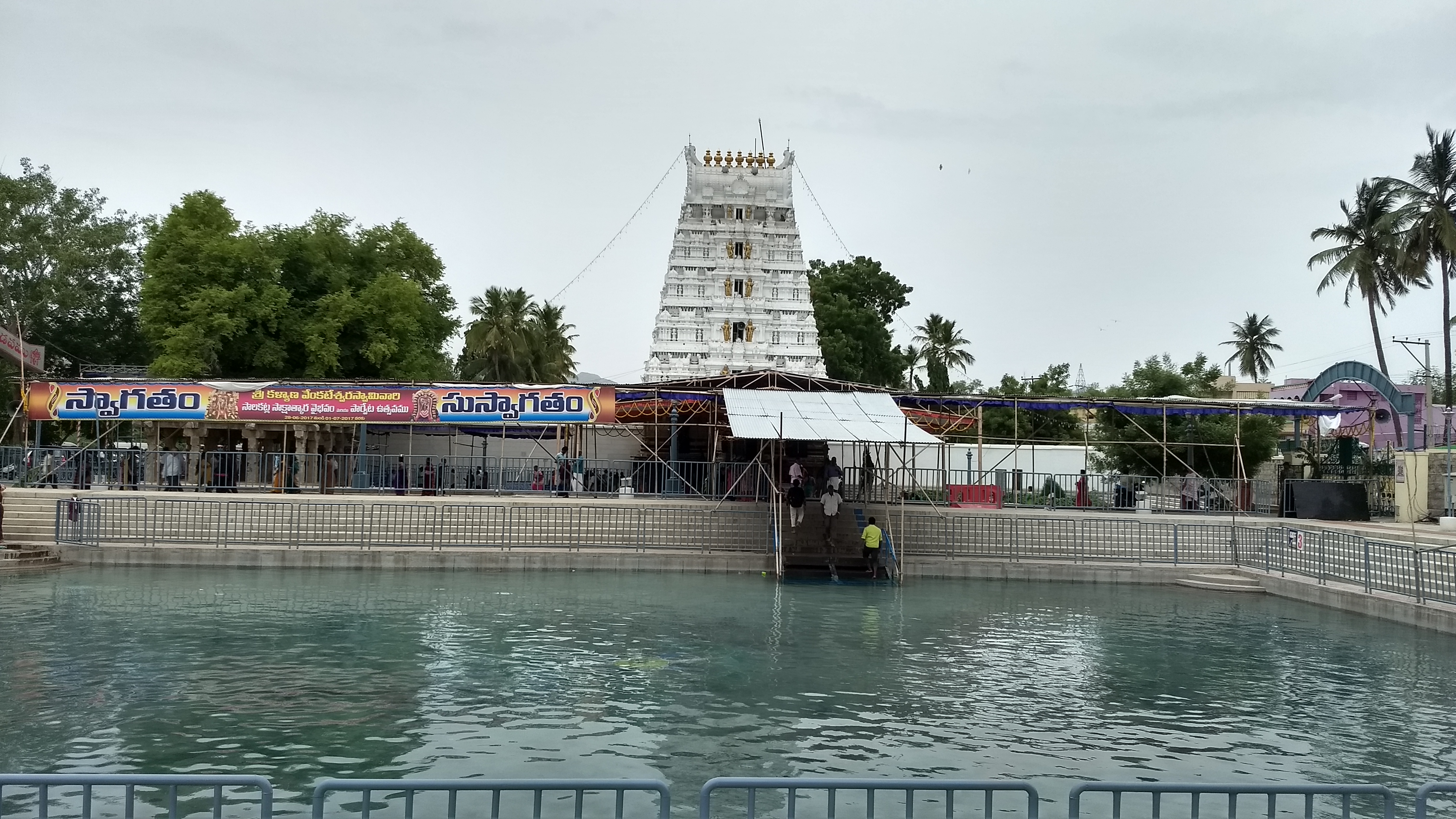
Varaha Lakshmi Narasimha Temple, Simhachalam, Visakhapatnam
Simhachalam, Visakhapatnam, Andhra Pradesh

Varaha Lakshmi Narasimha Temple History and Significance
Simhachalam is one of 32 Narasimha temples in Andhra Pradesh and a major pilgrimage site. During the medieval period, it was a key center of Vaishnavism, along with Srikurmam and the Jagannath Temple in Puri. As per legend, Vishnu appeared as Narasimha to protect his devotee Prahlada from his father, Hiranyakashipu. The temple's Varaha Narasimha idol remains covered in sandalwood paste year-round, resembling a linga, except on Akshaya Trutiya.
The Simhachalam temple boasts a history of nearly a thousand years, with around 500 inscriptions documenting donations from kings, officers, and citizens. The earliest inscription, from 1087 CE, belongs to Chola king Kulottunga I. The temple flourished under the Later Cholas, Eastern Gangas, and Vijayanagara rulers, with significant architectural contributions from Narasimhadeva I. Krishnadevaraya erected a victory pillar here. After a period of decline (1564–1604 CE), the temple was revived under the Qutb Shahis. Since 1949, it has been managed by the Simhachalam Devasthanam Board.
Varaha Lakshmi Narasimha Temple Pooja Timing
| Pooja Name | Timings |
|---|---|
| Suprabhata Seva | 4:00 AM - 4:30 AM |
| Nijaroopa Darshanam | 6:00 AM - 7:00 AM |
| Archana | 9:00 AM - 12:00 PM |
| Ekantha Seva | 9:00 PM - 9:30 PM |
Varaha Lakshmi Narasimha Temple Location Details
How to Reach Varaha Lakshmi Narasimha Temple
By Road:
By Train:
By Air:
Simhachalam is well-connected by road to major towns in Andhra Pradesh. State Transport Buses and private taxis operate regularly from Visakhapatnam and nearby cities.
Nearest railway stations: Visakhapatnam Railway Station and Simhachalam North Railway Station. From these stations, buses or taxis are available to reach Simhachalam.
Nearest airport: Visakhapatnam International Airport. From the airport, you can take a taxi or bus to Simhachalam via Visakhapatnam city.
Varaha Lakshmi Narasimha Temple Visitor Information & Tips
Best time to visit (season/months):
October to March is the best time to visit due to pleasant weather conditions. Avoid the monsoon season (June to September) due to heavy rainfall which may cause inconvenience.
Other Vishnu Temples

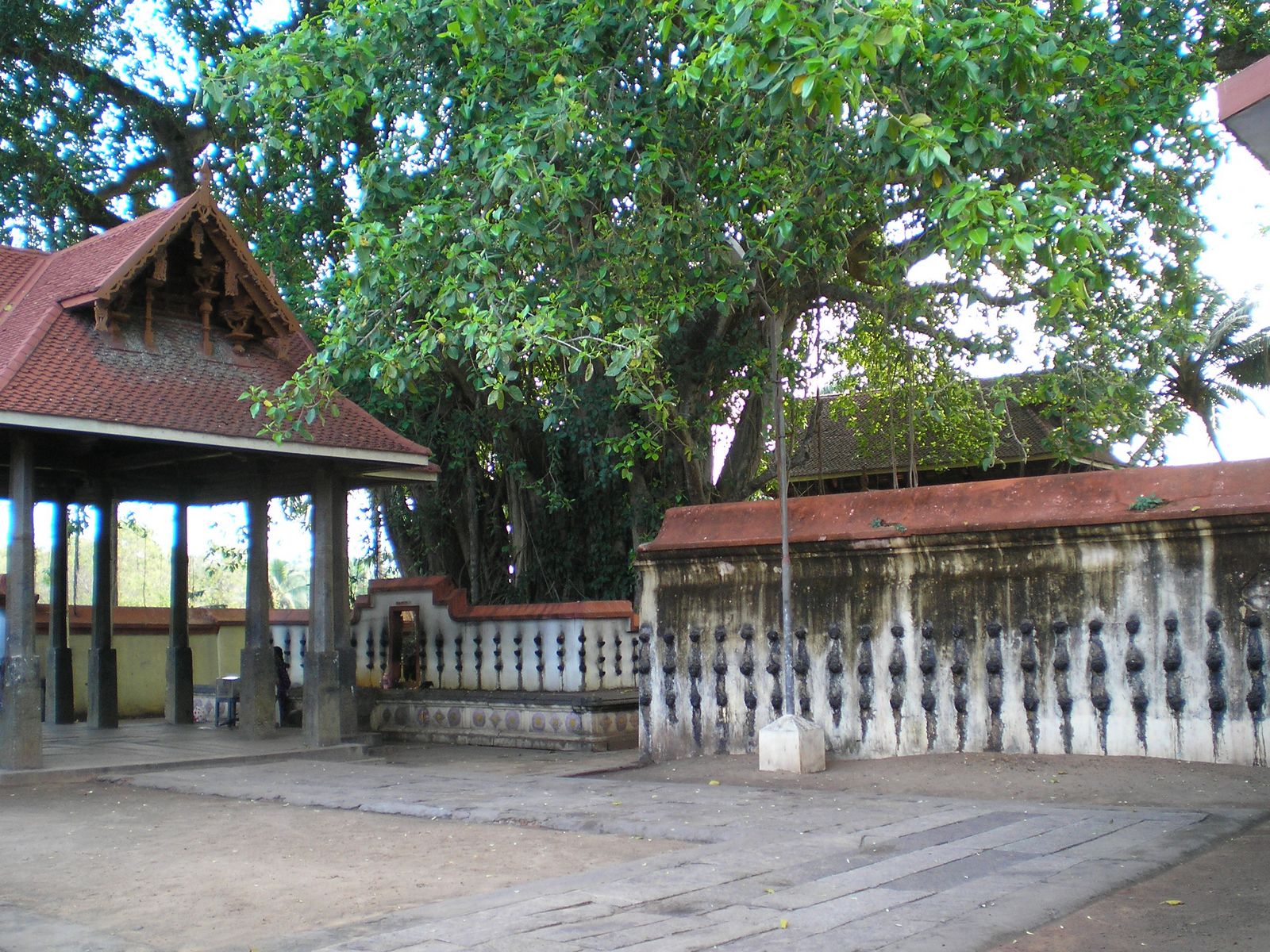
Varaha Lakshmi Narasimha Temple Interesting Facts
-
Legends BeliefsThe Simhachalam temple is steeped in legends that enhance its spiritual significance. According to temple lore, Lord Vishnu appeared as Varaha Narasimha to protect his devotee Prahlada from Hiranyakashipu. This unique form, with a lion’s head and human body, is the temple's presiding deity. The Sthala Purana, consisting of 32 chapters, details various manifestations of Narasimha. A prominent legend links the temple to Jaya and Vijaya, Vaikuntha’s gatekeepers, cursed to be born as mortals. They became Hiranyaksha and Hiranyakashipu, both slain by Vishnu in his Varaha and Narasimha forms. Another tale tells of King Pururava and apsara Urvasi discovering the idol of Varaha Narasimha underground, initiating the tradition of covering it with sandalwood paste. The temple’s connection with saint Ramanuja further solidified its importance in Vaishnavism.
-
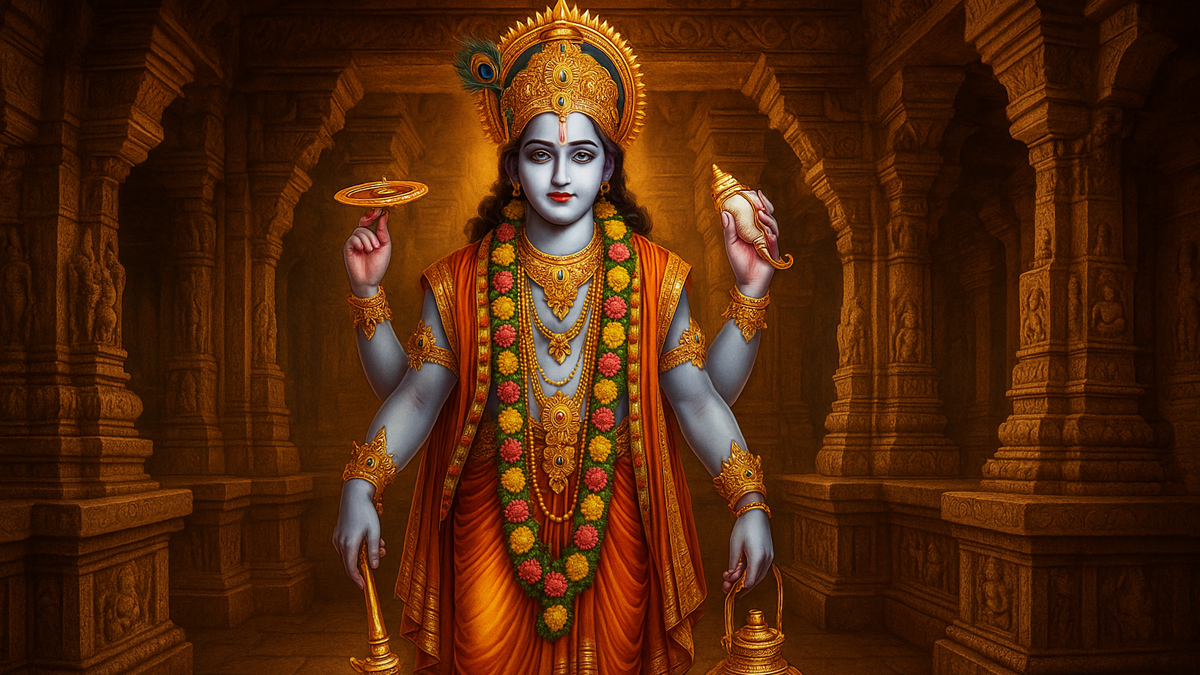
Deities and Sub DeitiesThe Simhachalam temple enshrines Varaha Narasimha, a unique form of Lord Vishnu. The deity stands in a tribhanga posture with a boar’s head, a human torso, and a lion’s tail. Flanking the idol are Sridevi and Bhudevi, each holding a lotus. The moolavar (main idol) remains covered in sandalwood paste year-round, resembling a Shiva Lingam. The temple also features several sub-shrines. These include sanctums for Andal, one of the 12 Alvars, and Lakshmi, known as Simhavalli Thayar, depicted in a lotus position with four hands. Additional shrines are dedicated to Ramanuja, Manavala Mamunigal, and Vishvaksena.
-
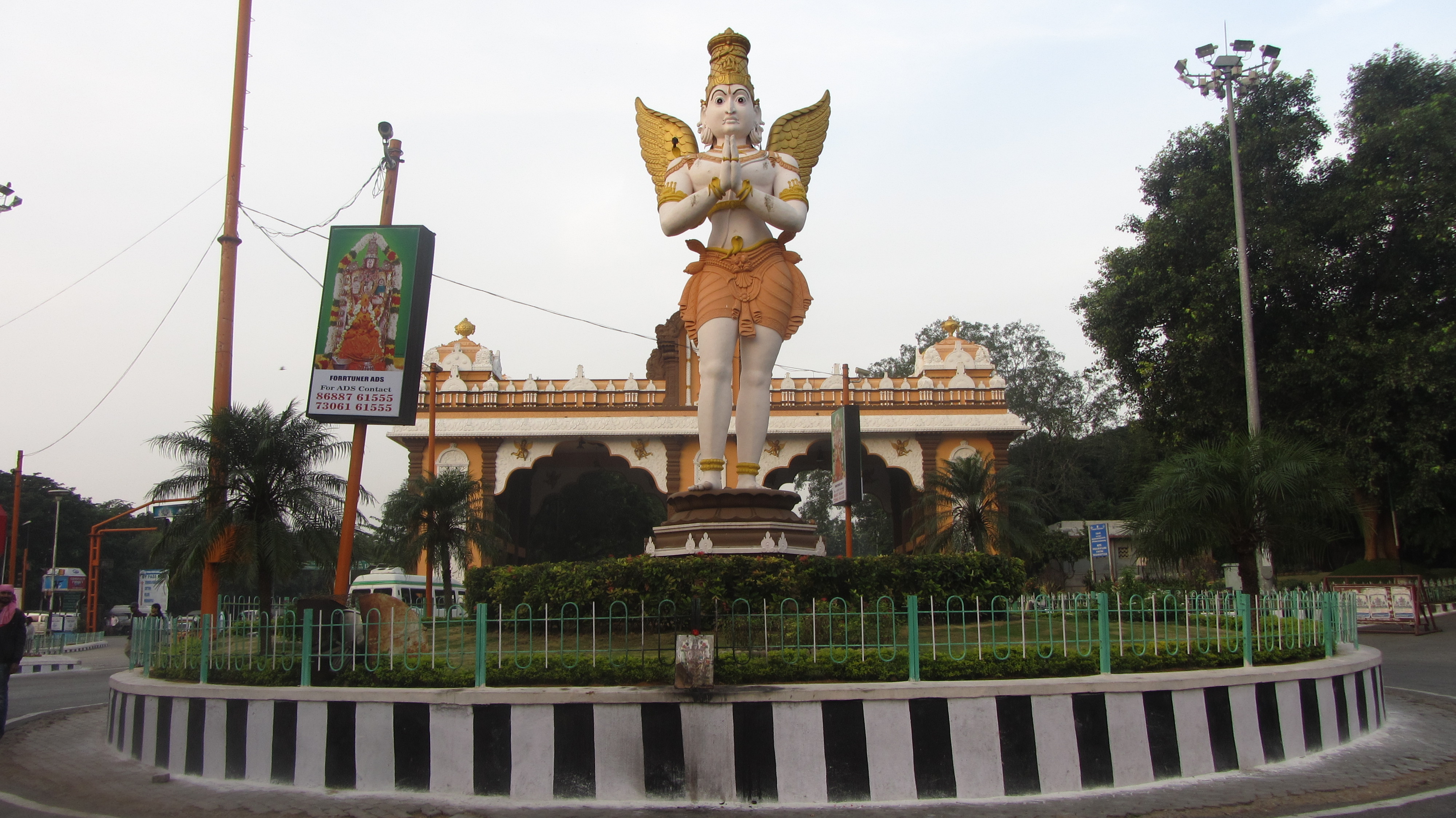
OfferingsDevotees at the Simhachalam temple present various offerings as an expression of devotion. The temple follows a structured daily ritual schedule, beginning with the Vayu mantra recitation and Suprabhatam chanting. During the laghvarchana, a preliminary worship ritual, offerings of jaggery and coconut are made. The main offering, rajabhoga, includes cooked rice, dal, soup, vegetables, ghee, and curd. Special rituals are also available for devotees, such as Nithya Kalyanam, the daily celestial wedding of the deity, and Swarnapushpa Archana, a golden flower offering held on Thursdays. Other significant rituals include Sahasranama Archana, Garuda Seva, and cow worship. The temple also hosts special offerings during festivals and auspicious events.
-
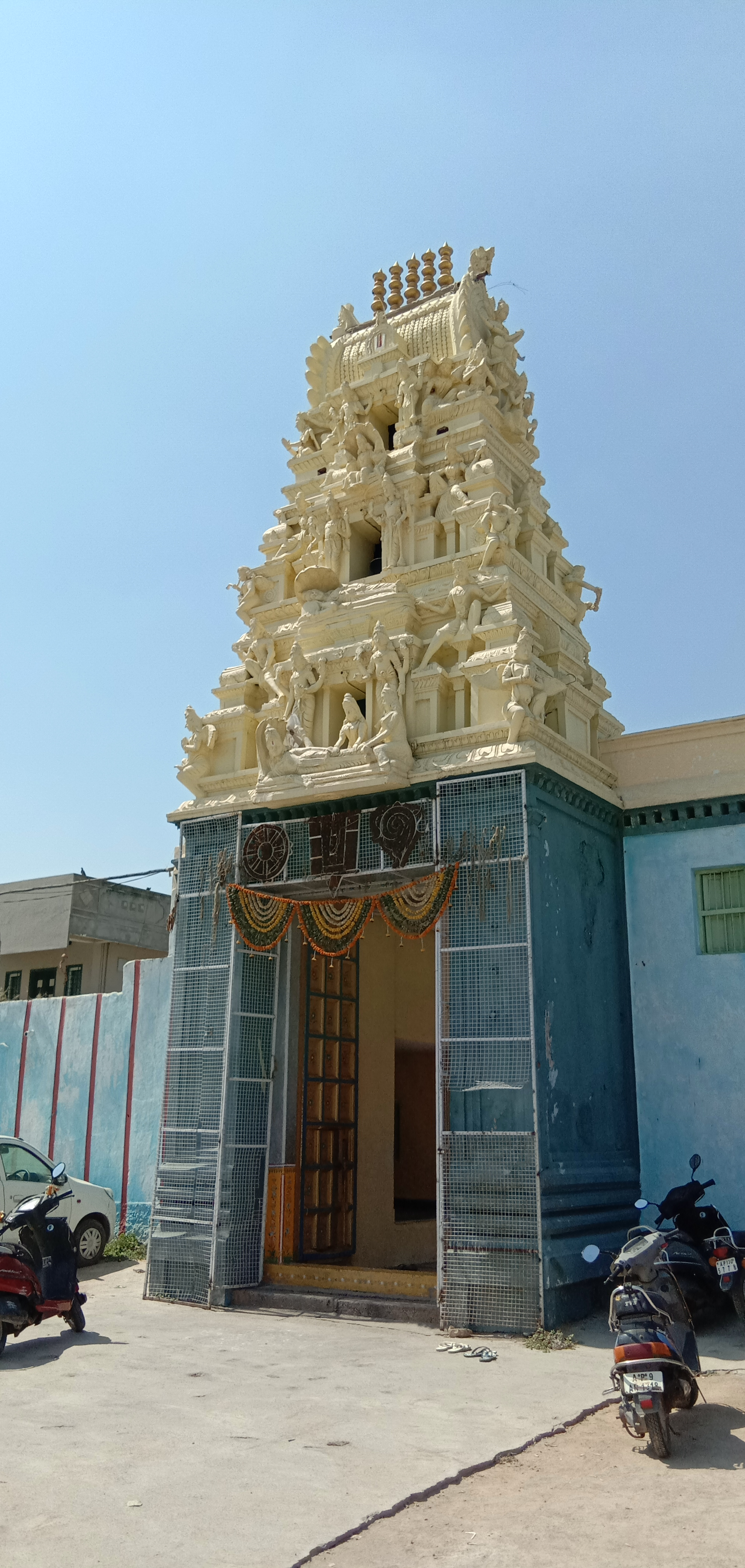
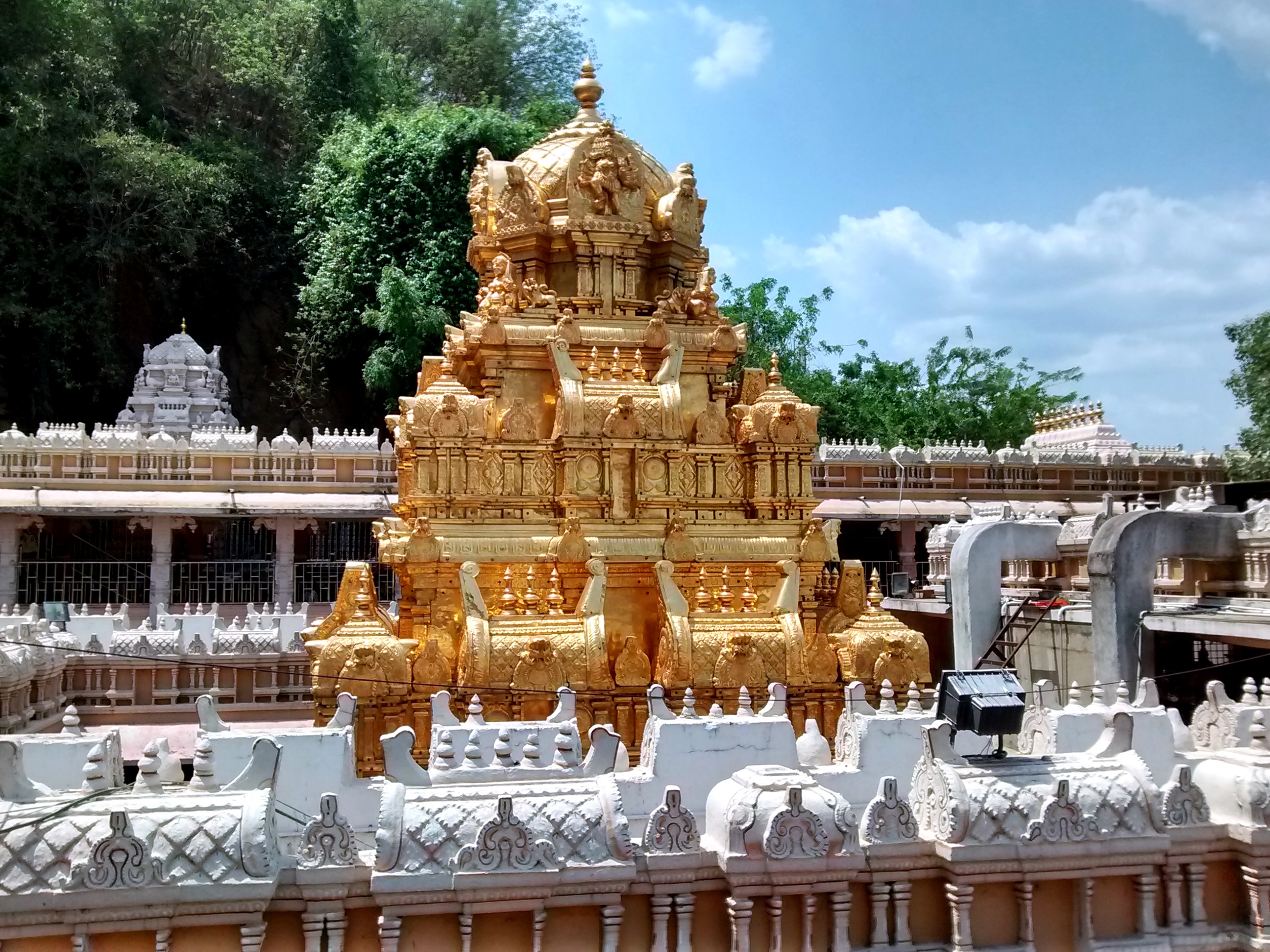
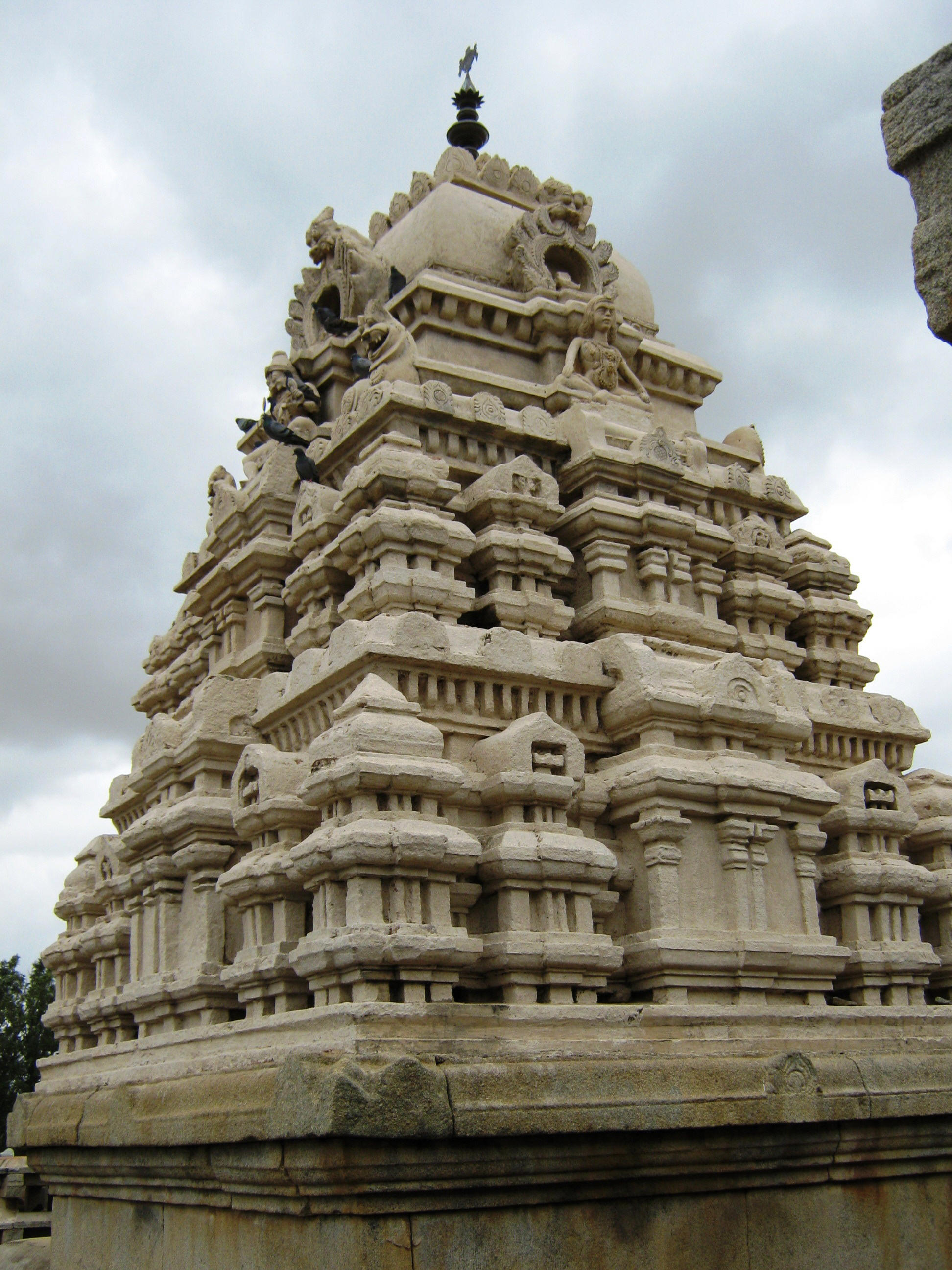
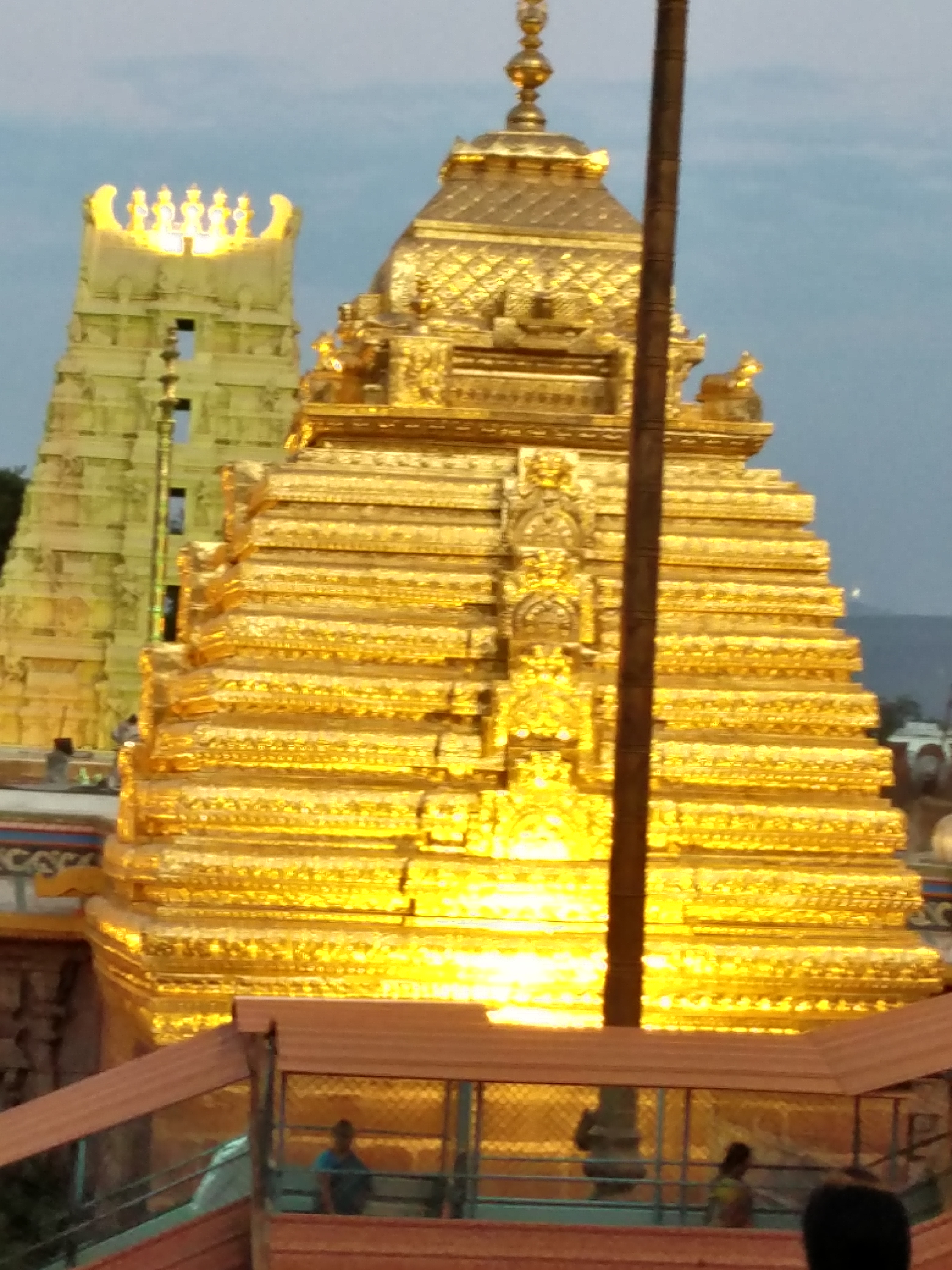
ArchitectureThe Simhachalam temple is an architectural masterpiece, resembling a fortress with three outer courtyards and five gateways. Its design blends influences from the Eastern Gangas, Eastern Chalukyas, and Cholas. Uniquely, the temple faces west, symbolizing victory in traditional temple architecture. The sanctum sanctorum is cubical in shape, adorned with Kalinga-style carvings. The vimana, a three-tiered stepped pyramid, features intricate carvings, with lion statuettes at its base representing Narasimha. It is crowned by a gold-plated dome bearing a Vaishnavite symbol. Inside, the temple boasts a Kalyana Mandapa with 96 intricately carved pillars depicting Vishnu, Lakshmi, and the Alvars. Additionally, the Natya Mandapa, or dance hall, features beautifully sculpted pillars, showcasing the temple's artistic grandeur.
-
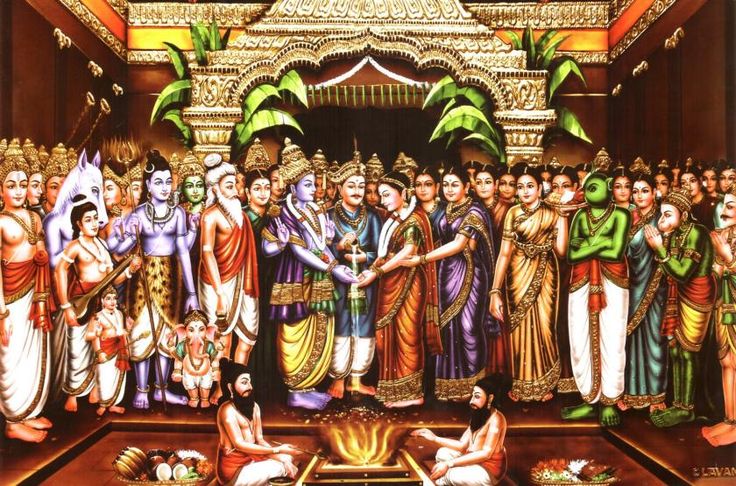
FestivalsThe Simhachalam temple hosts numerous festivals throughout the year, each with distinct rituals and significance. These celebrations occur daily, weekly, fortnightly, monthly, and annually, with Kalyanotsava and Chandanotsava being the most important annual events. Kalyanotsava, the celestial wedding of Varaha Narasimha, spans five days in the Chaitra month and includes Ankurarpanam, Rathotsava, Avabhruta Snana, Bhaktotsava, and Sayana Seva. Chandanotsava, or Chandan Yatra, is the grandest festival, held on Akshaya Tritiya. On this day, the sandalwood paste covering the moolavar is removed, revealing the deity’s original form. Other notable festivals include Narasimha Jayanti, Navaratrotsava, Kamadahana, Krishna Janmashtami, Karthika Deepavali, and Giripradakshina. Each event features unique rituals and offerings, attracting devotees from across regions to partake in the celebrations.
-
Religious PracticesThe religious practices at the Simhachalam temple are deeply rooted in Vaishnavite traditions, following the doctrines established by philosopher Ramanuja. Worship at the temple is conducted according to the Pancharatra Agama, which prescribes rituals based on the Para, Vyuha, Vibhava, Antaryami, and Archa traditions of Vishnu. Daily rituals take place in the morning, mid-day, and evening. The day begins with the recitation of the Vayu mantra and Suprabhatam, followed by the laghvarchana, a preliminary worship ritual. The main offering, rajabhoga, consists of a meal presented to the deity. Evening worship includes Divviti Salam, a torch-lit salute, and concludes with Sayana Seva, a bedtime ritual for the deity. Devotees can participate in special ceremonies such as Nithya Kalyanam, the daily celestial wedding, and Swarnapushpa Archana, a golden flower offering held on Thursdays. The temple also conducts special offerings during festivals and auspicious occasions, providing devotees with opportunities for worship and spiritual engagement.
FAQ's
Where is the Varaha Lakshmi Narasimha Temple located?
Which God is Varaha Narasimha (Vishnu), Simhavalli thayar (Lakshmi)?
What is the best time to visit Varaha Lakshmi Narasimha Temple?
How to reach Varaha Lakshmi Narasimha Temple from near City or Town?
In Andhra Pradesh


-
 Sign in with Google
-
Block for 8 hours
-
Block for 12 hours
-
Block for 24 hours
-
Don't block


 Click it and Unblock the Notifications
Informed.
- Male
- Female
- Others
- Under 18
- 18 to 25
- 26 to 35
- 36 to 45
- 45 to 55
- 55+