


Ulagalantha Perumal Temple, Tirukoyilur
Tirukoyilur, Tamil Nadu

Ulagalantha Perumal Temple History and Significance
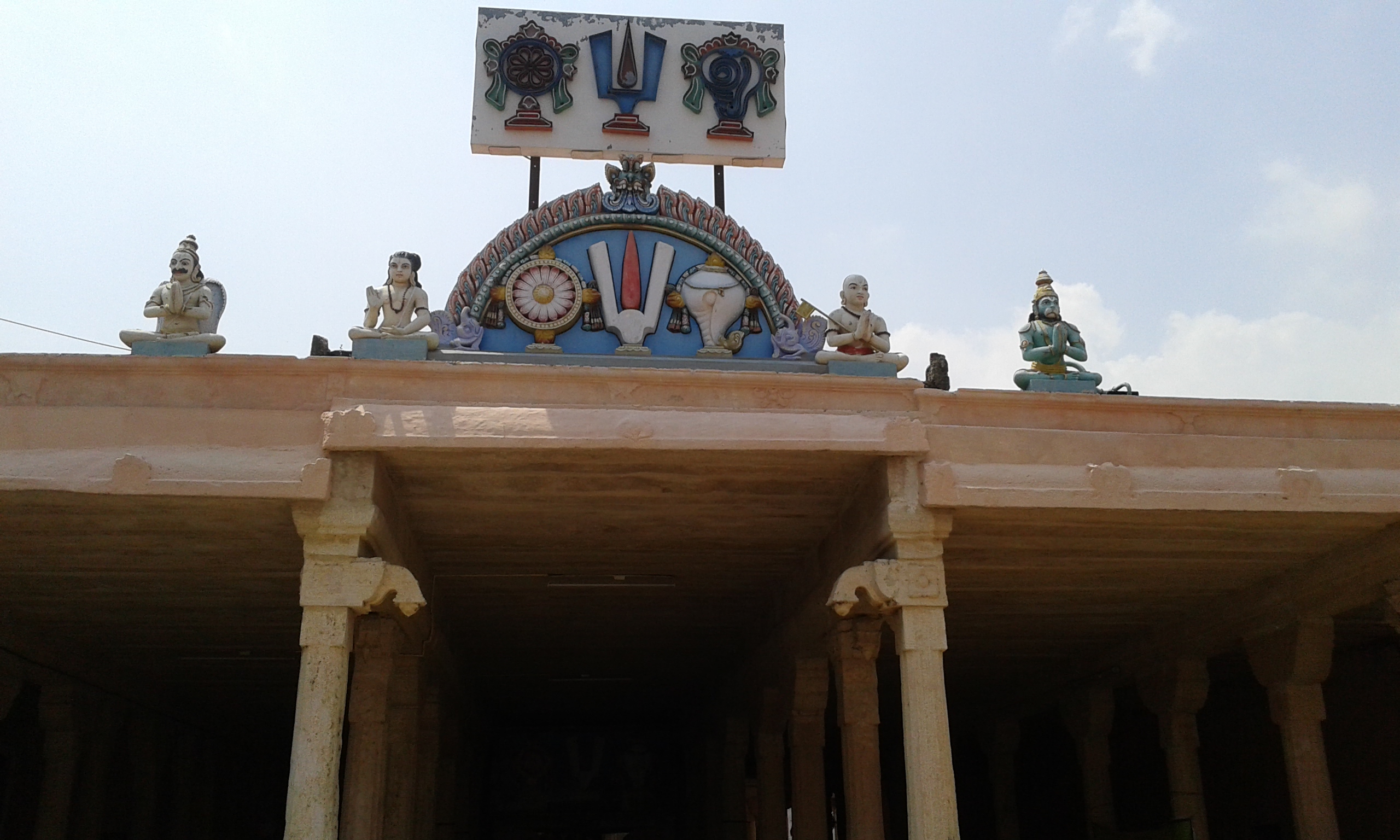
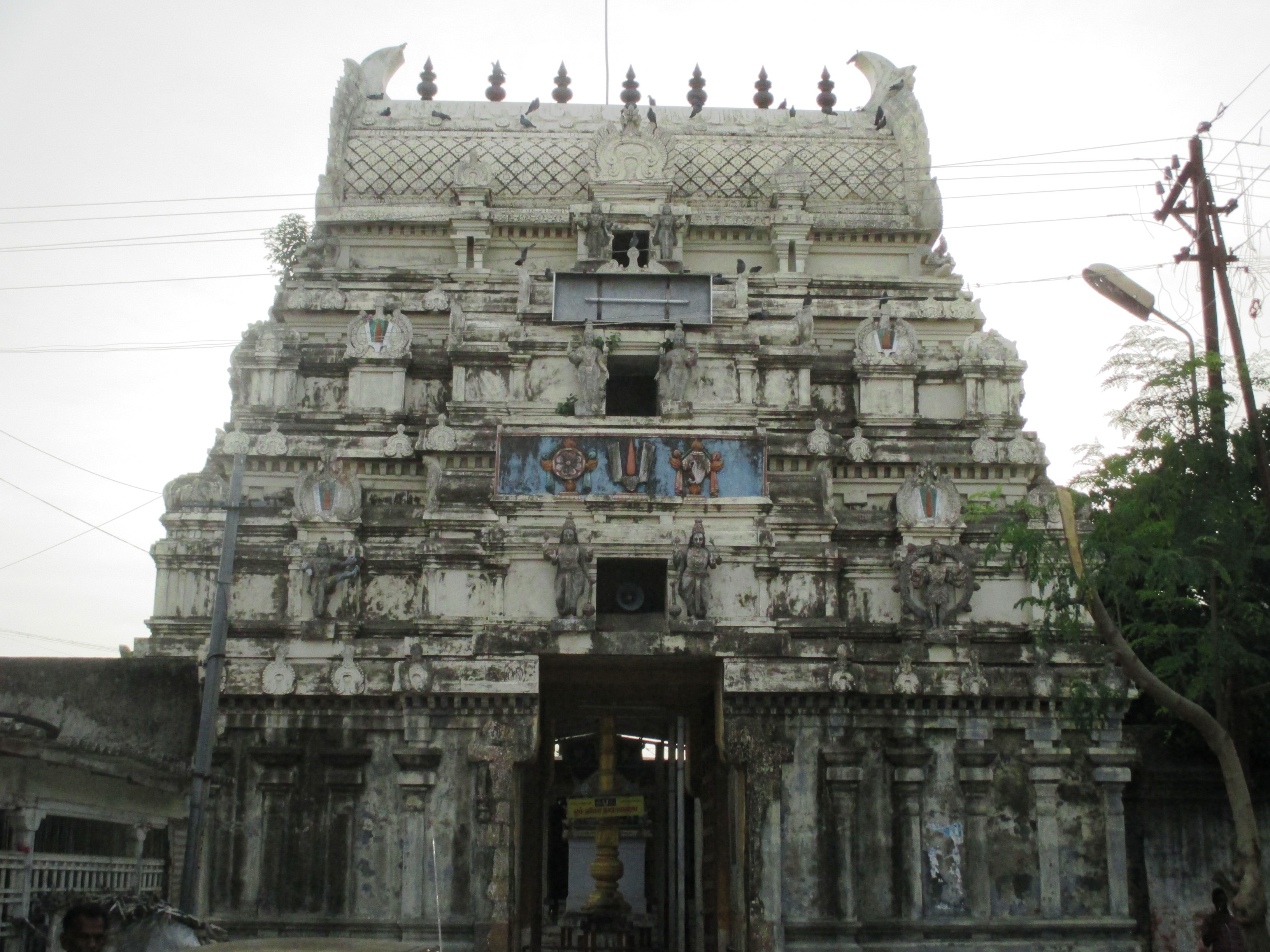
The Ulagalantha Perumal Temple is a Hindu temple dedicated to Vishnu. It is located in Tirukkoyilur, Tamil Nadu, India. The temple is built in the Dravidian style of architecture and is glorified in the Naalayira Divya Prabandham, the early medieval Tamil canon of the Alvar saints from the 6th–9th centuries CE. It is one of the 108 Divya Desams dedicated to Vishnu, who is worshipped as Ulagalantha Perumal and his consort Lakshmi as Poongothai.
The temple is believed to have been built by the Medieval Cholas, with later contributions from Vijayanagara kings and Madurai Nayaks. The temple covers an area of 5 acres and has a temple tower that is the third tallest in Tamil Nadu, measuring 192 feet in height.
Ulagalantha Perumal Temple Pooja Timing
| Pooja Name | Timings |
|---|---|
| Viswaroopa Seva | 6:00 AM |
| Kalasanthi Pooja | 8:00 AM |
| Sayaraksha Pooja | 6:00 PM |
| Ardha Jamam Pooja | 8:30 PM |
Ulagalantha Perumal Temple Location Details
How to Reach Ulagalantha Perumal Temple
By Road:
By Train:
By Air:
Tirukoyilur is well-connected by road to major towns in Tamil Nadu. State Transport Buses and private taxis operate regularly from cities like Chennai, Villupuram, and Tiruvannamalai.
Nearest railway stations: Villupuram Junction and Tiruvannamalai Railway Station. From these stations, buses or taxis are available to Tirukoyilur.
Nearest airport: Chennai International Airport. From the airport, you can take a taxi or bus to Tirukoyilur via Villupuram.
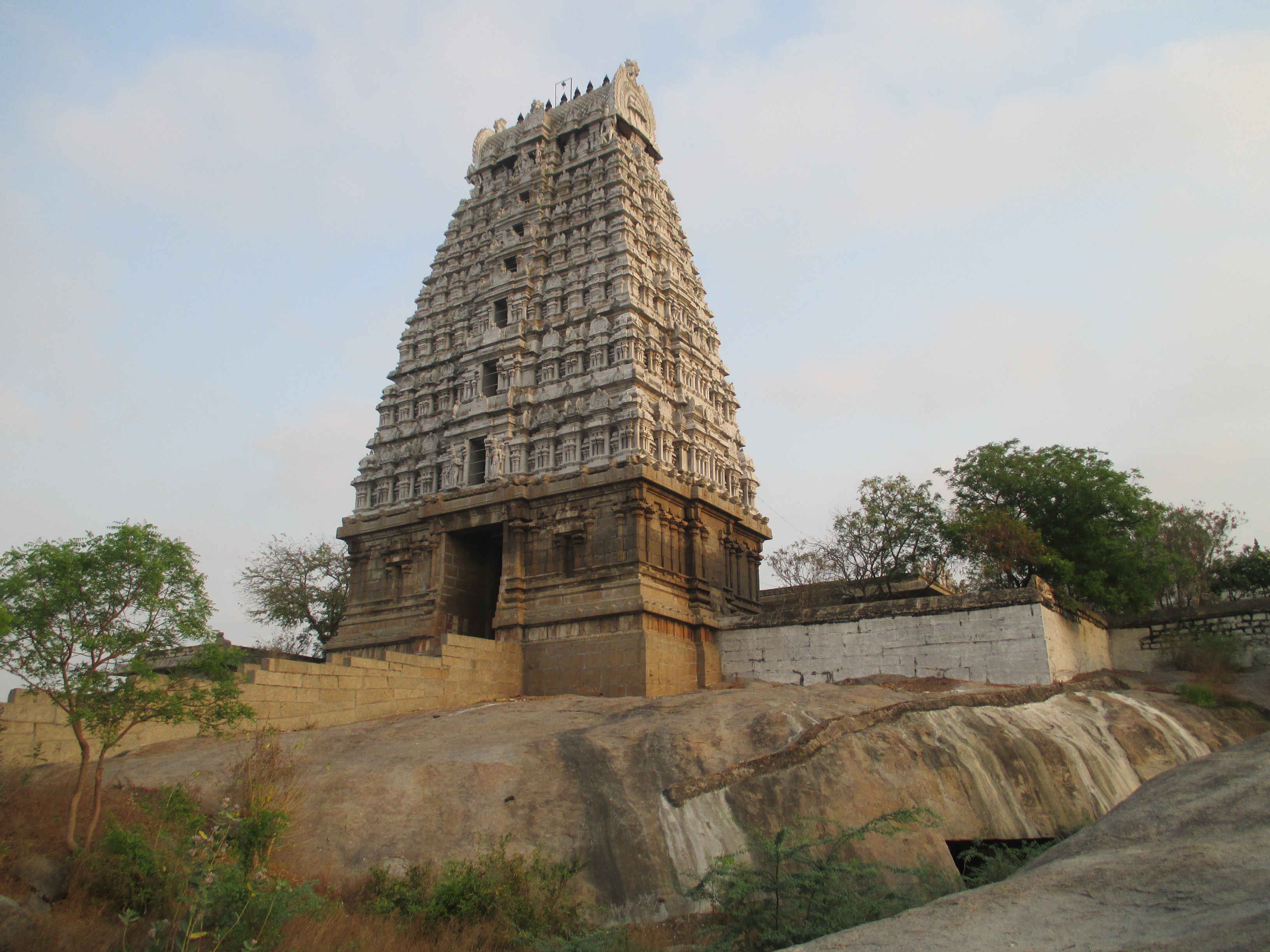
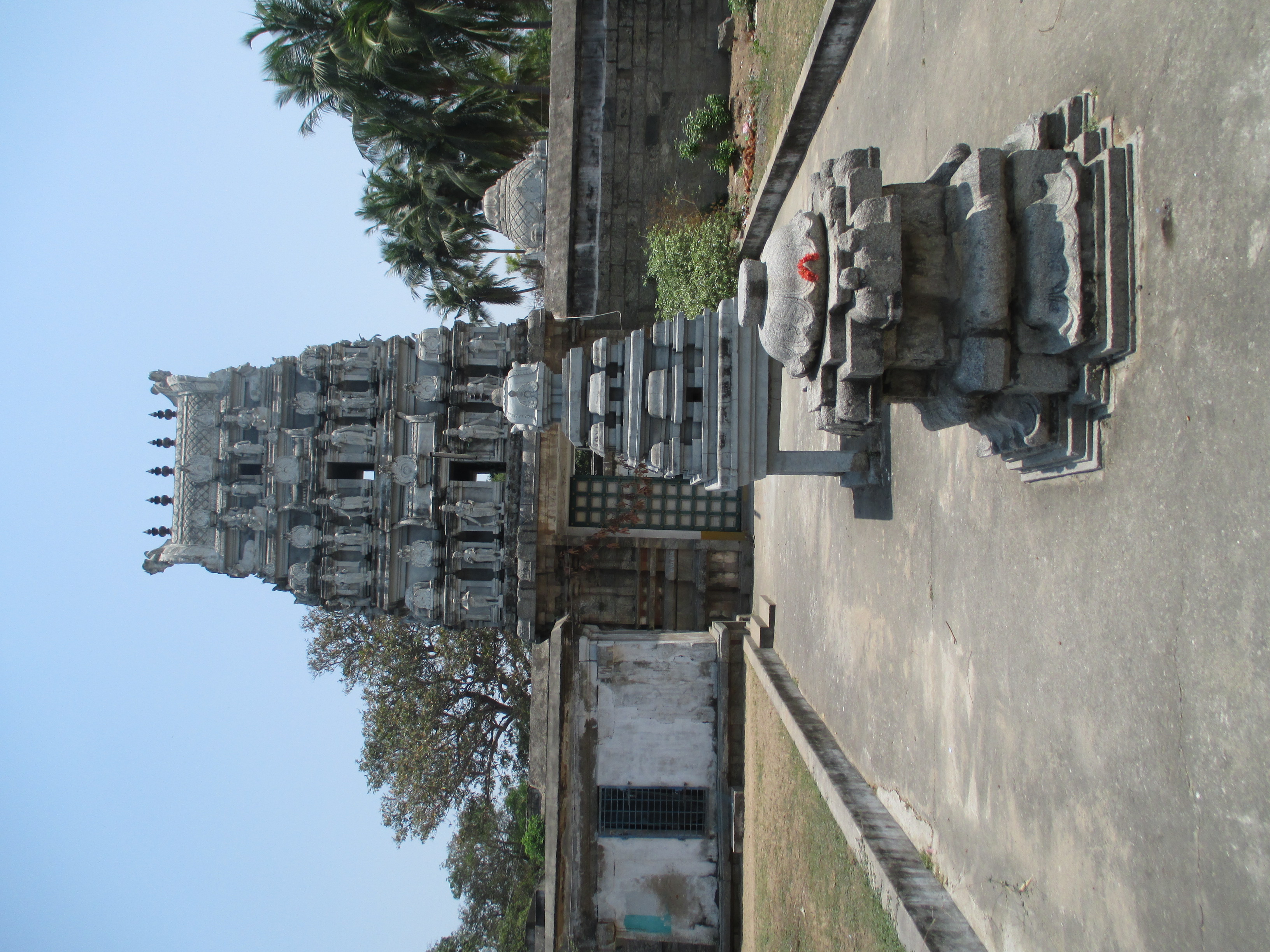
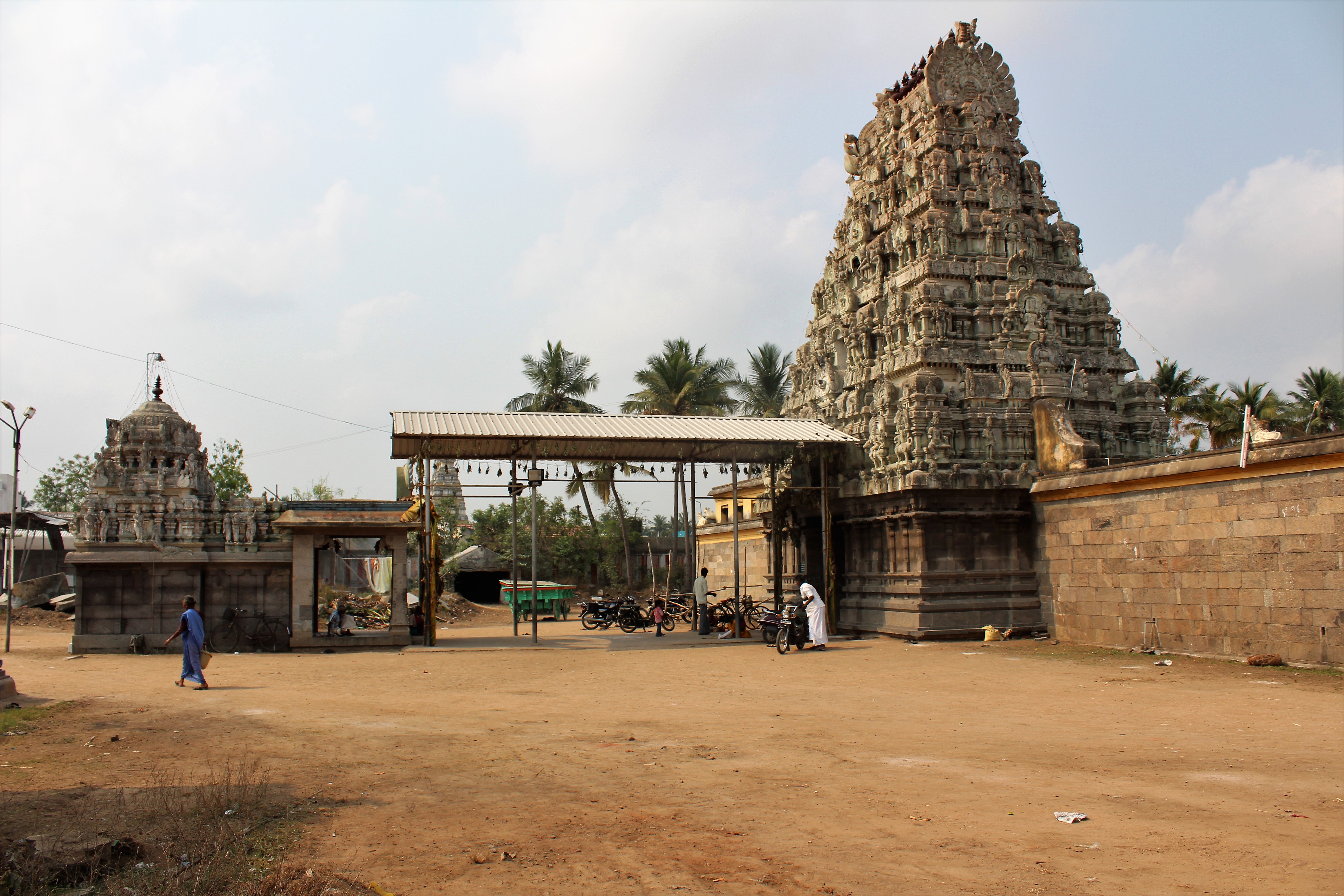
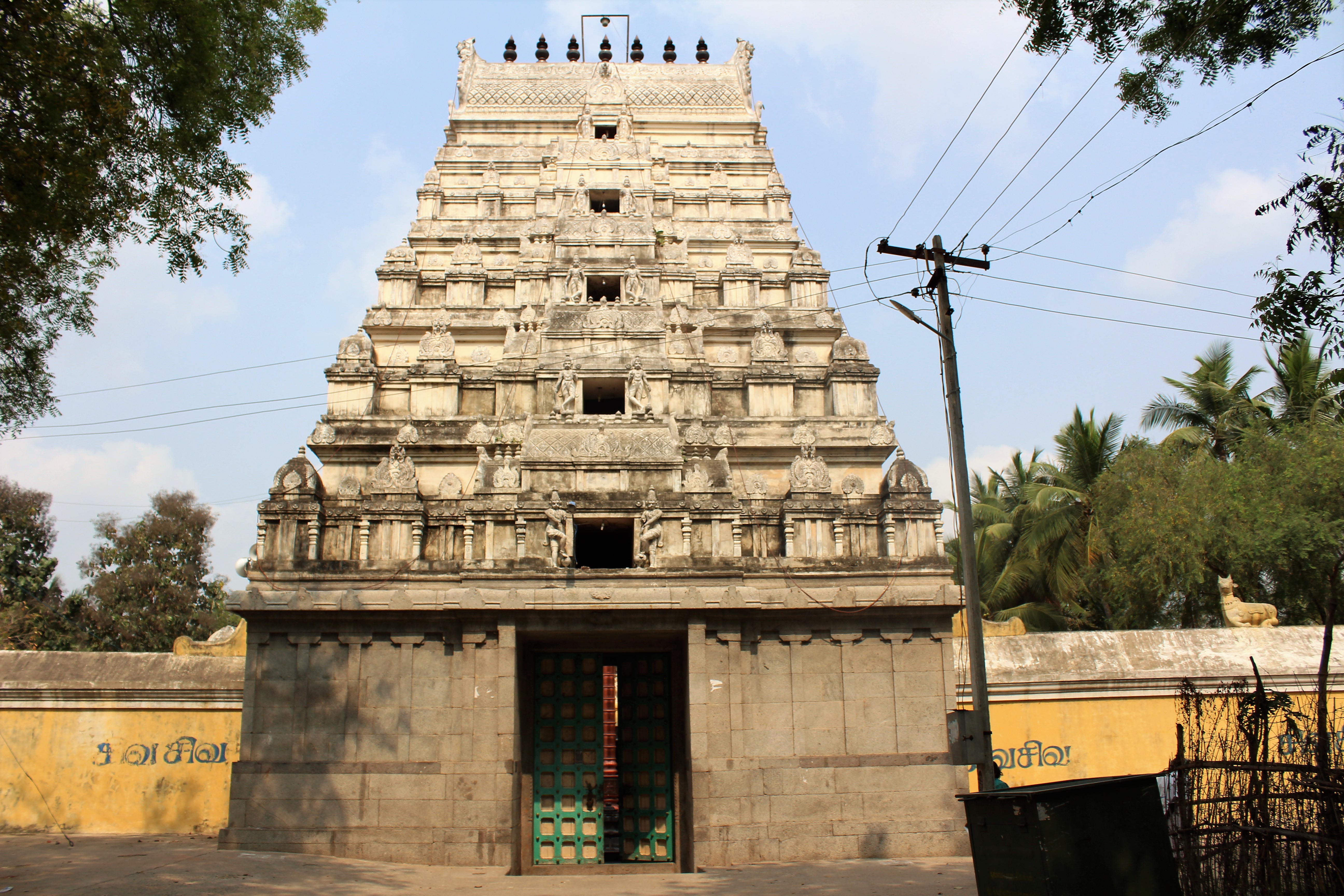
Ulagalantha Perumal Temple Nearby Temples
Ulagalantha Perumal Temple Visitor Information & Tips
Best time to visit (season/months):
The best time to visit is between October and March when the weather is pleasant. Avoid the monsoon season (June to September) due to heavy rainfall.
Other Vishnu Temples
Ulagalantha Perumal Temple Interesting Facts
-
Legends BeliefsAccording to Hindu myths, Vamana, a Brahmin dwarf avatar of Vishnu, appeared here to quell the pride of the asura king Bali. The temple is believed to be the place where the first three Alvars, the Vaishnava Saints, namely, Poigai Alvar, Bhoothathalvar, and Peyalvar attained salvation. The temple is one of the Panchakanna (Krishnaranya) Kshetrams, the five holy temples associated with Krishna, an avatar of Vishnu.Ulagalantha Perumal is believed to have appeared to King Mahabali and the Alvars. Six daily rituals, and a dozen yearly festivals, are held at the temple, out of which the chariot festival, celebrated during the Tamil month of Panguni (March–April), is the most prominent. The temple is maintained and administered by the Hindu Religious and Endowment Board of the Government of Tamil Nadu.
-
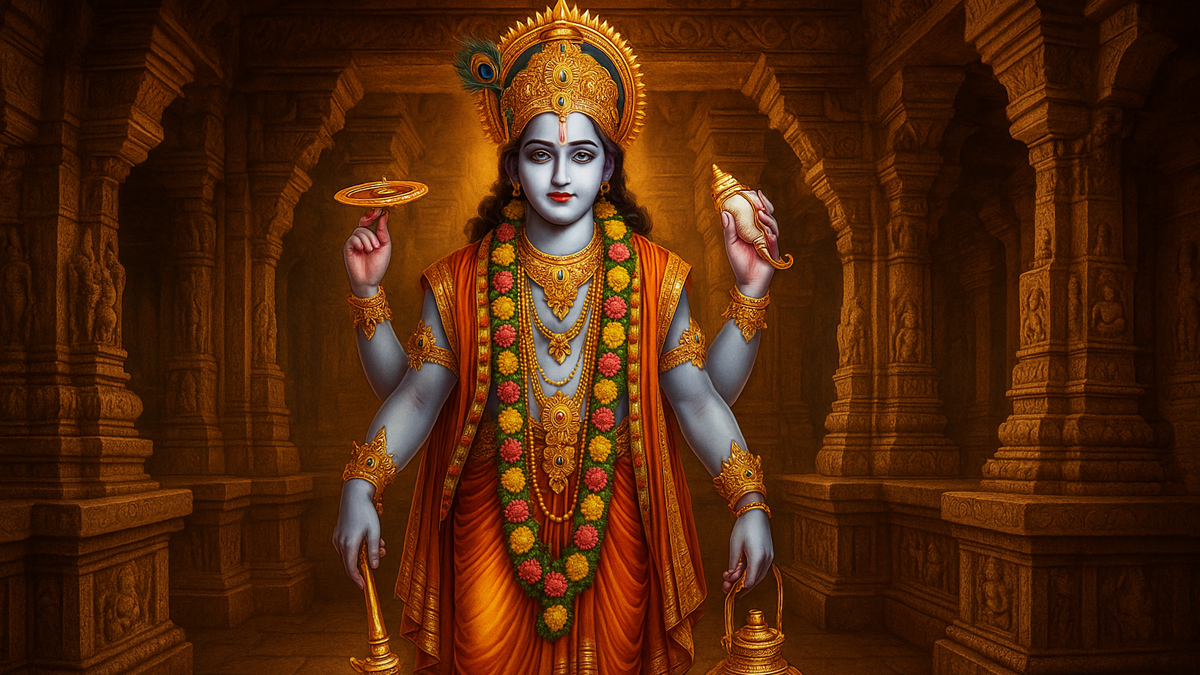
Deities and Sub DeitiesThe presiding deity, Ulagalantha Perumal, has an imposing image made of Tharu wood with foot raised. The images of Alvars are housed in the hall preceding the sanctum. The temple has two gopurams (gateway towers), with the one at the main entrance being the tallest of the two. The image of Vamana is located behind the sanctum. There are separate shrines for Lakshmi Narayana, Lakshmi Narasimha, Varadaraja, Rama, Andal, Sudarshana Chakra, Vishvaksena, Manavala Mamuni, and Ramanuja around the sanctum.The sanctum houses the wooden image of Ulagalantha Perumal. Unlike other Vishnu temples, Perumal is sported with Sankha in his right hand and Chakra on his left. The sanctum also housed the images of Mahalakshmi, Prahalad, and Mahabali to the right of presiding deity and the images of Sukracharya, sage Mrikandu, and the three mudhal Alvars (Pey, Bhoothath, and Poigai Alvar) to his left. The festival deities, the metal images of Koovalan and Poongodhai Thayar are housed in the sanctum. Durga, otherwise housed only in Shiva temples, is a rare feature of the temple. The image of Krishna is made of saligrama stone and is housed in a separate shrine.
-
OfferingsThe temple priests perform the puja (rituals) during festivals and on a daily basis. As at other Vishnu temples of Tamil Nadu, the priests belong to the Vaishnava community, from the Brahmin varna. The temple rituals are performed six times a day: Ushathkalam at 7 a.m., Kalasanthi at 8:00 a.m., Uchikalam at 12:00 p.m., Sayarakshai at 6:00 p.m., Irandamkalam at 7:00 p.m. and Ardha Jamam at 10:00 p.m. Each ritual has three steps: alangaram (decoration), neivethanam (food offering) and deepa aradanai (waving of lamps) for both Ulagalantha Perumal and Poongothai.
-
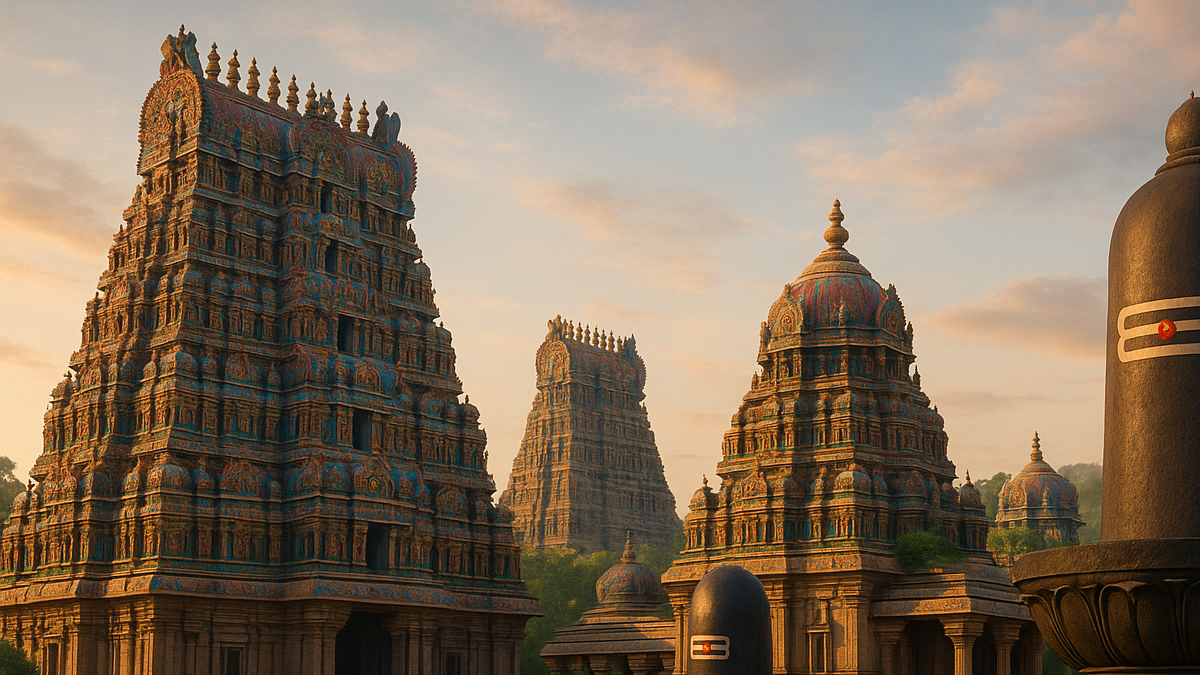
ArchitectureThe temple has an eleven-tiered rajagopuram with a height of 59 meters, the third tallest temple tower in Tamil Nadu. The temple covers an area of 5 acres and houses residential buildings in the precincts around the temple tower. The presiding deity, Ulagalantha Perumal, has an imposing image made of Tharu wood with foot raised. The images of Alvars are housed in the hall preceding the sanctum. The temple has two gopurams (gateway towers), with the one at the main entrance being the tallest of the two. The image of Vamana is located behind the sanctum.There are separate shrines for Lakshmi Narayana, Lakshmi Narasimha, Varadaraja, Rama, Andal, Sudarshana Chakra, Vishvaksena, Manavala Mamuni, and Ramanuja around the sanctum. The sanctum houses the wooden image of Ulagalantha Perumal. Unlike other Vishnu temples, Perumal is sported with Sankha in his right hand and Chakra on his left. The sanctum also housed the images of Mahalakshmi, Prahalad, and Mahabali to the right of presiding deity and the images of Sukracharya, sage Mrikandu, and the three mudhal Alvars (Pey, Bhoothath, and Poigai Alvar) to his left. The festival deities, the metal images of Koovalan and Poongodhai Thayar are housed in the sanctum. Durga, otherwise housed only in Shiva temples, is a rare feature of the temple. The image of Krishna is made of saligrama stone and is housed in a separate shrine.
-
FestivalsVarious festivals are celebrated in the temple, with the 15-day Panguni Brahmmotsavam in March–April with Sri Pushpavalli Thayar Oonjal, being the most prominent one. During the Masi Magam festival celebrated in February–March, the festive deity is carried on the shoulders of devotees to Cuddalore. Other festivals are Purattasi Pavithra Utsavavm, Navaratri, Srirama Navami, Sri Ramanuja Jayanthi, Vasanth Utsavam in April–May, Vaikasi Visaka Garuda Seva, NammAlvar Sattrumurai in May–June, Aani PeriAlvar Sattrumurai in June–July, Aadi Thiruvadipooram, Andal Utsavam in July–August, Avani Sri Jayanthi, Uriyadi utsavam in August–September, Aipasi Mudalazwar Sattrumurai, Sri Manavala Mamunigal utsav in October–November, Karthikai Kaisika Ekadasi, Tirukarthikai in November–December, Margali Rapathu, Pagal Pathu and Vaikunta Ekadashi in December–January.
-
Religious PracticesThe temple priests perform the puja (rituals) during festivals and on a daily basis. As at other Vishnu temples of Tamil Nadu, the priests belong to the Vaishnava community, from the Brahmin varna. The temple rituals are performed six times a day: Ushathkalam at 7 a.m., Kalasanthi at 8:00 a.m., Uchikalam at 12:00 p.m., Sayarakshai at 6:00 p.m., Irandamkalam at 7:00 p.m. and Ardha Jamam at 10:00 p.m. Each ritual has three steps: alangaram (decoration), neivethanam (food offering) and deepa aradanai (waving of lamps) for both Ulagalantha Perumal and Poongothai. During the last step of worship, nagaswaram (pipe instrument) and tavil (percussion instrument) are played, religious instructions in the Vedas (sacred text) are recited by priests, and worshippers prostrate themselves in front of the temple mast. There are weekly, monthly and fortnightly rituals performed in the temple.
FAQ's
Where is the Ulagalantha Perumal Temple located?
Which God is Ulagalantha Perumal, Trivikrama (Vishnu), Poongothai Nachiyar (Lakshmi), Aaaynar, Gopalan (Vishnu)?
What is the best time to visit Ulagalantha Perumal Temple?
How to reach Ulagalantha Perumal Temple from near City or Town?
In Tamil Nadu
Vishnu Temples
- Panachikkadu Temple
- Veetrirundha Perumal Temple
- Kandu Ullam Magizhndha Perumal Temple
- Azhagiya Manavalan Perumal Temple
- Aadhi Narayana Perumal Temple
- Thiruvaikunda Vinnagaram Vaikunta Nathan Perumal Temple
- Vayalil Thrikkovil Mahavishnu Temple
- Varadaraja Perumal Temple
- Adhi Kesava Perumal Temple
- Ananthagiri Temple
-
 Sign in with Google
-
Block for 8 hours
-
Block for 12 hours
-
Block for 24 hours
-
Don't block


 Click it and Unblock the Notifications
Informed.
- Male
- Female
- Others
- Under 18
- 18 to 25
- 26 to 35
- 36 to 45
- 45 to 55
- 55+