


Tiru Parameswara Vinnagaram, Kanchipuram
Kanchipuram, Tamil Nadu

Tiru Parameswara Vinnagaram History and Significance
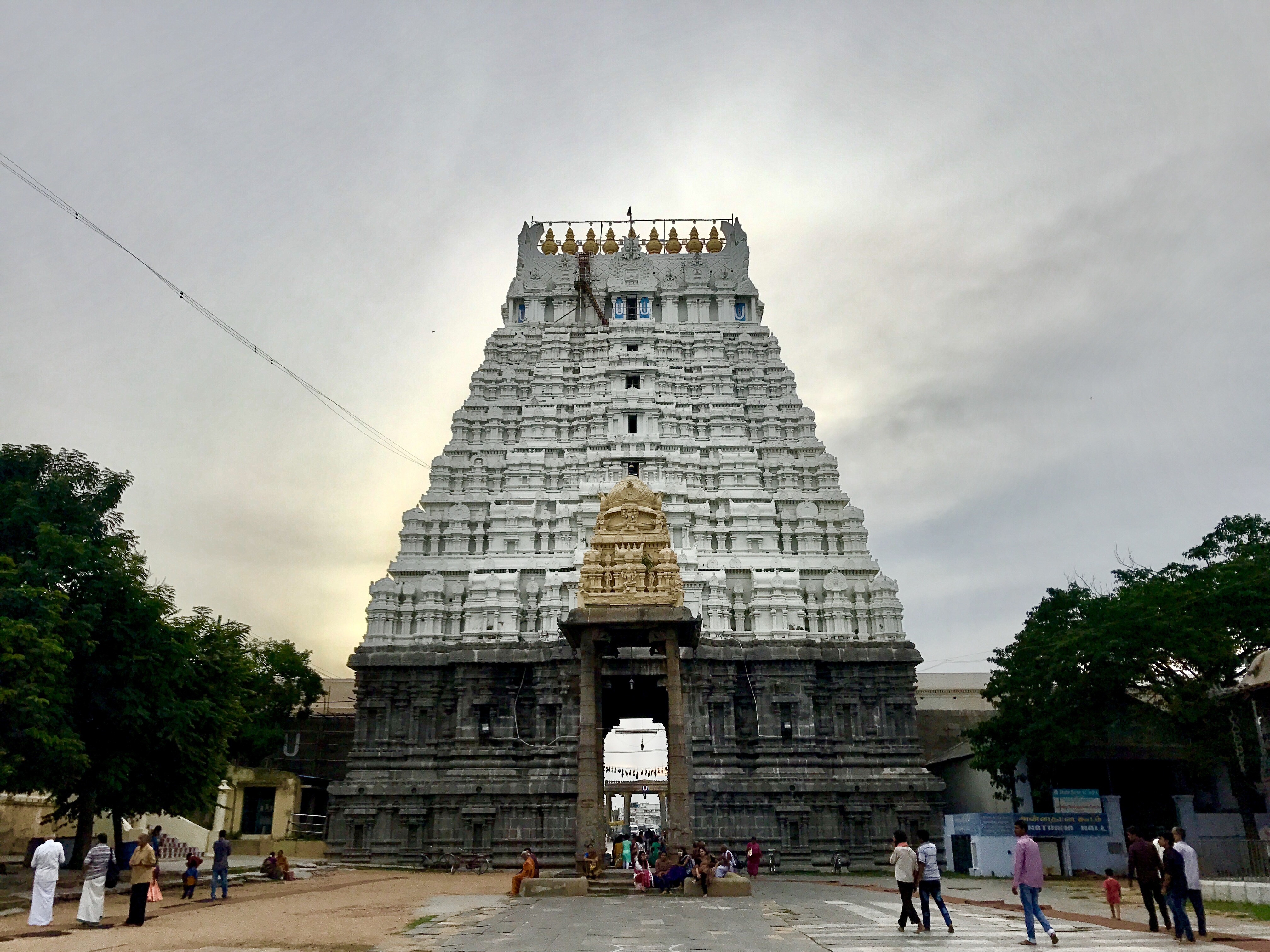
The Tiru Parameswara Vinnagaram temple was built by the Pallava Monarch Nandivarman II in the late 8th century. Nandivarman was a worshipper of Vishnu and a patron of learning. He renovated old temples and built new ones, including this temple.
The temple contains inscribed panels of sculpture portraying events leading to Nandivarman's accession. The great Vaishnava saint Thirumangai Alvar was his contemporary. Various inscriptions detail the socio-economic and political situation during the Pallava reign.
Inscriptions around the sanctum sanctorum record gifts of gold and other offerings by kings and devotees. The temple is believed to have been constructed a few years after the Kanchi Kailasanathar Temple. Bas reliefs reveal wars between the Pallavas and other dynasties.
Tiru Parameswara Vinnagaram Location Details
How to Reach Tiru Parameswara Vinnagaram
By Road:
By Train:
By Air:
Kanchipuram is well-connected by road to major towns in Tamil Nadu. State Transport Buses and private taxis operate regularly.
Nearest railway stations: Kanchipuram Railway Station and Chennai Central Railway Station. From these stations, buses or taxis are available to reach Kanchipuram.
Nearest airport: Chennai International Airport. From the airport, you can take a taxi or bus to Kanchipuram via connecting cities.
Tiru Parameswara Vinnagaram Nearby Temples
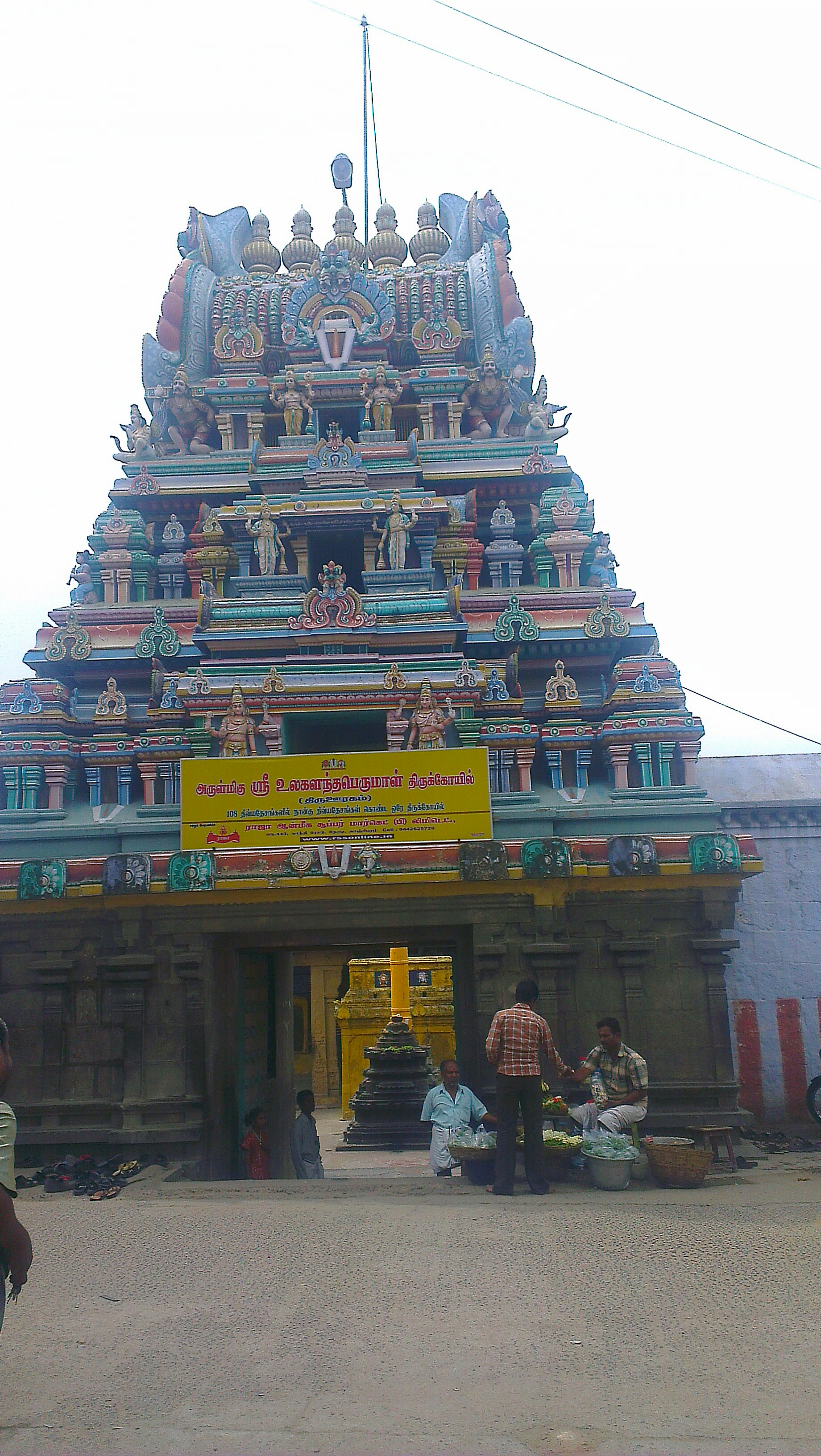
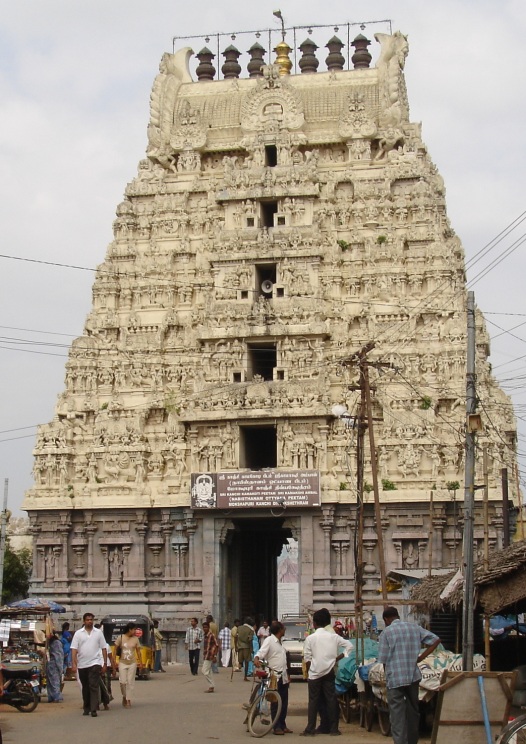
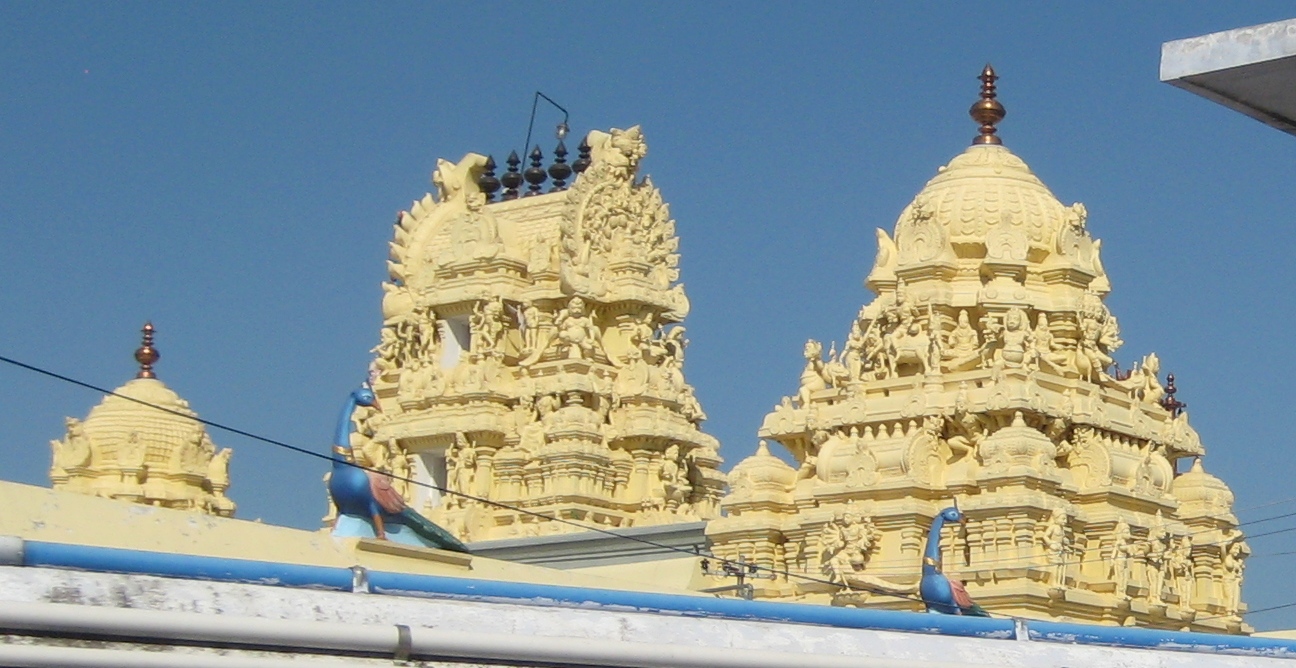
Tiru Parameswara Vinnagaram Visitor Information & Tips
Best time to visit (season/months):
October to March is the best time to visit due to pleasant weather conditions. Avoid the monsoon season due to heavy rainfall.
Other Vishnu Temples


Tiru Parameswara Vinnagaram Interesting Facts
-
Legends BeliefsLegends and BeliefsAccording to legend, the region was called Vidarbha Desa and ruled by King Viroacha. Due to his misdeeds, he had no heir. He prayed to Shiva, who granted him sons born as gatekeepers of Vishnu. The princes conducted yagnas, and Vishnu appeared as Vaikundanatha.Another legend involves sage Bharadvaja, who married a celestial nymph and had a son. Shiva and Vishnu took care of the child, who was later given to a Pallava king. The child, named Parameswara, became a Pallava king, and the place was named after him.
-
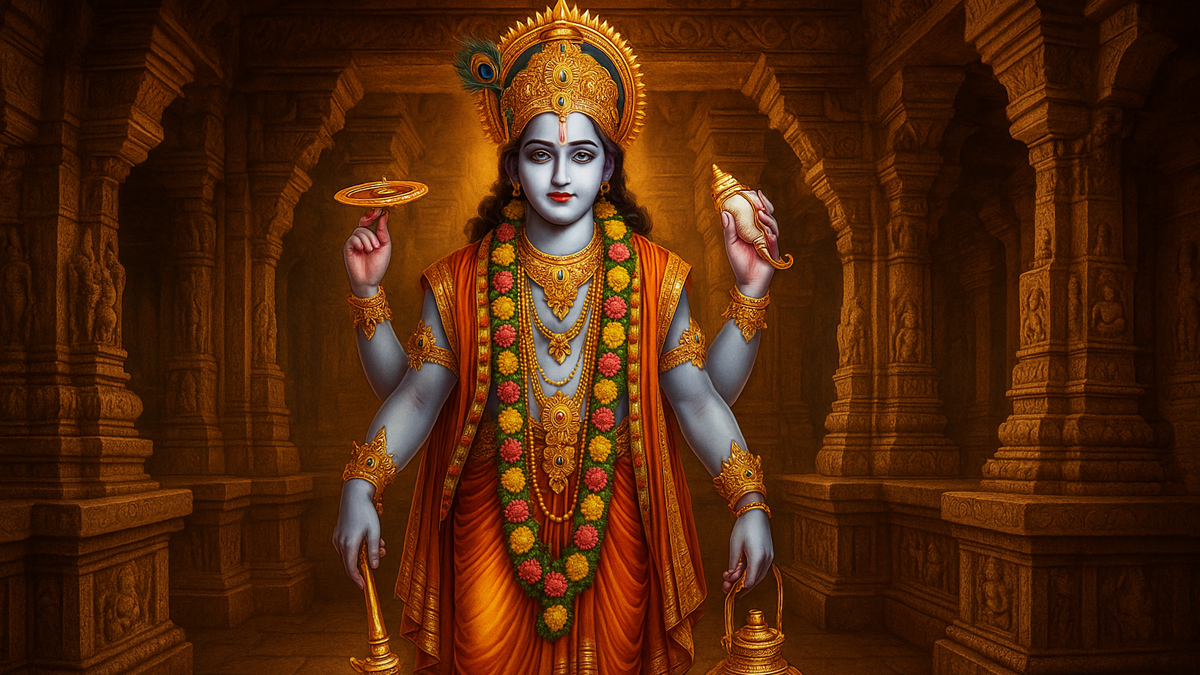
Deities and Sub DeitiesDeities and Sub-DeitiesThe main deity of the temple is Vaikunta Perumal, a form of Vishnu. His consort is Vaikunthavalli Thayar. The temple also features images of other deities and sub-deities in various postures and forms.
-
OfferingsOfferingsDevotees offer various items to the deities, including flowers, fruits, and gold. Historical records mention gifts of gold bowls and images made of gold. Offerings are made to meet daily expenses and to feed devotees.
-
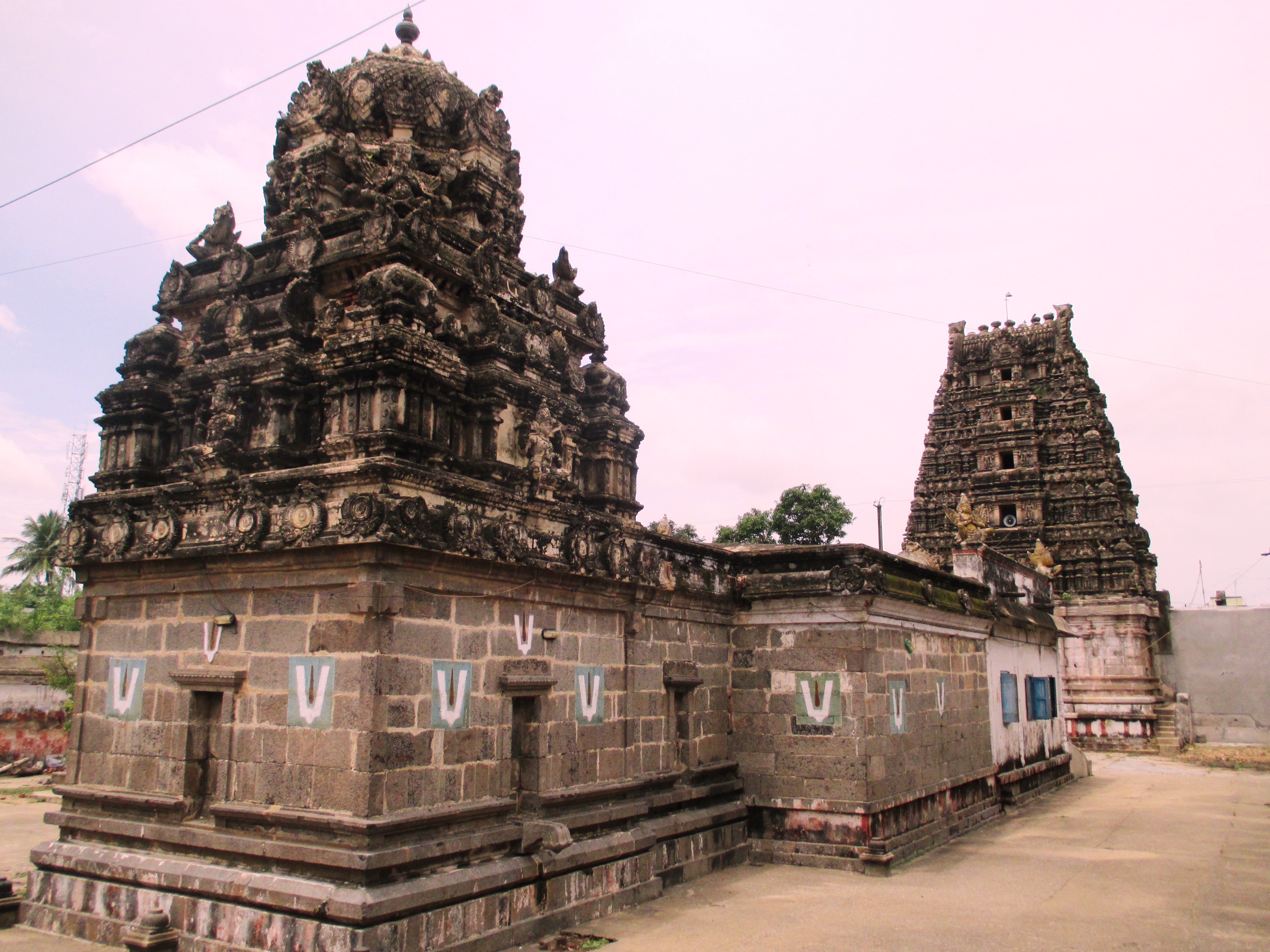
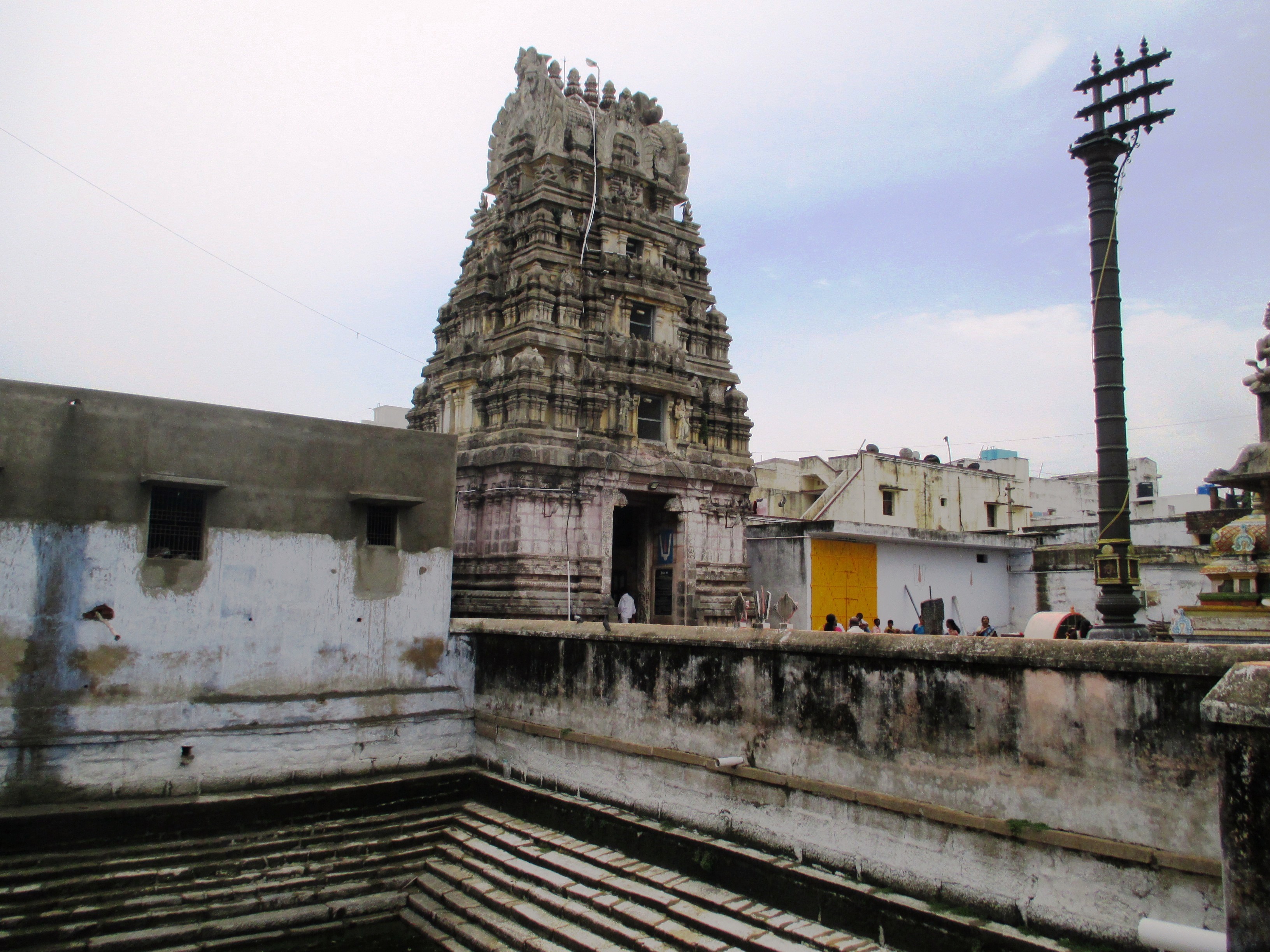
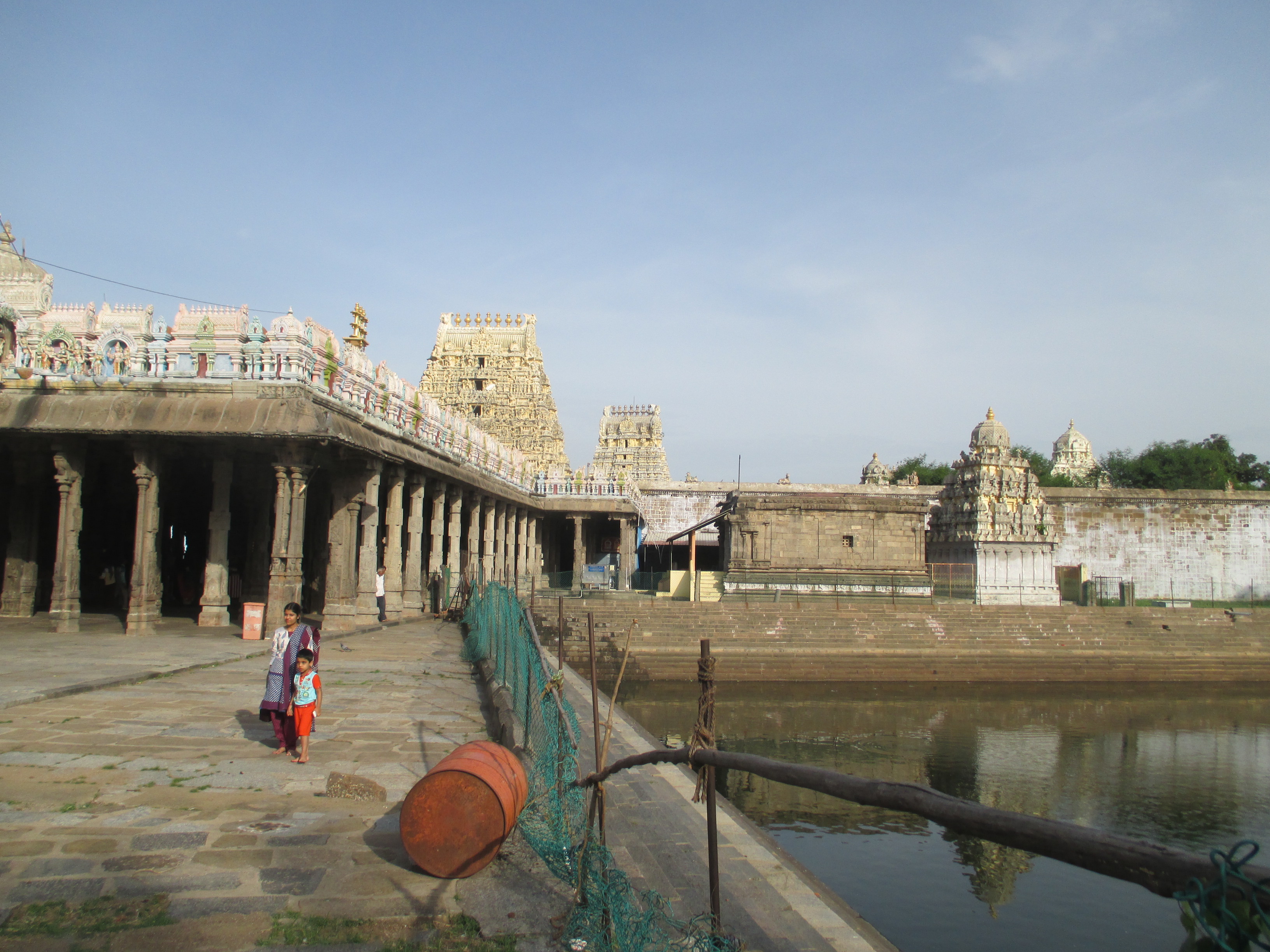
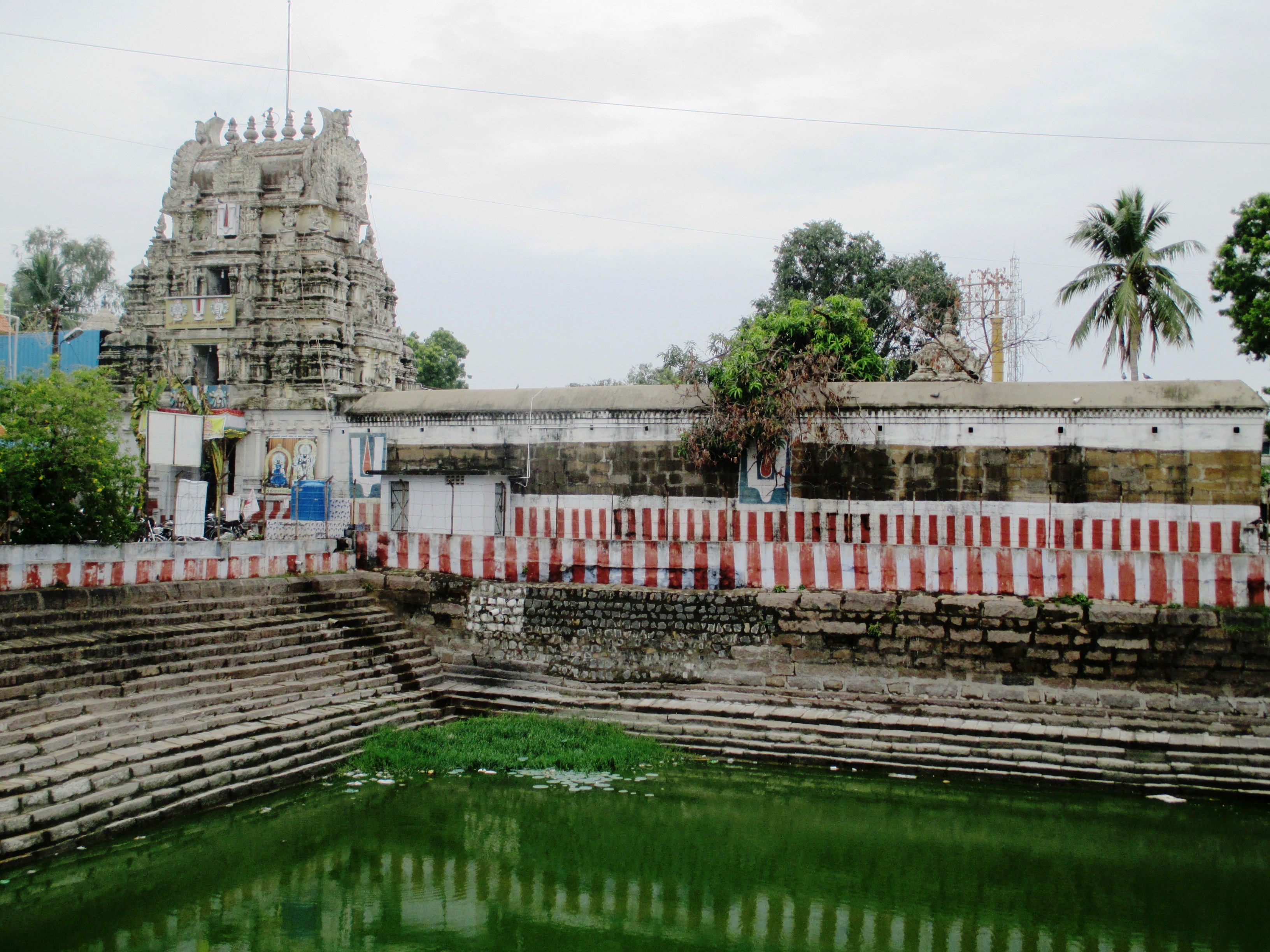
ArchitectureArchitectureThe temple is an early example of Dravidian architecture with a rectangular plan. It has a flat granite gateway tower and a stepped pyramidal roof. The temple has three sanctuaries hosting Vishnu in different postures: seated, lying, and standing.The external cloisters with lion pillars are predecessors of grand thousand-pillared halls. The cloister walls have relief sculptures depicting Pallava dynasty history. The niches on the walls depict events from the Mahabharata.The temple is built of granite and sandstone. It is a forerunner for later temples like Vaikunta Perumal temple at Uthiramerur and Koodal Azhagar temple at Madurai.
-
FestivalsFestivalsThe temple follows Vaikasana Agama and observes six daily rituals. Major festivals include Vaikasi Brahmotsavam in May-June and Vaikunta Ekadashi in December-January. Verses from Nalayira Divya Prabandham are recited during festivals.
-
Religious PracticesReligious PracticesThe temple priests perform pooja during festivals and daily rituals. Rituals are performed six times a day, including decoration, food offering, and lamp waving. Weekly, monthly, and fortnightly rituals are also observed.
FAQ's
Where is the Tiru Parameswara Vinnagaram located?
Which God is Vaikunta Perumal (Vishnu)?
What is the best time to visit Tiru Parameswara Vinnagaram?
How to reach Tiru Parameswara Vinnagaram from near City or Town?
In Tamil Nadu
-
 Sign in with Google
-
Block for 8 hours
-
Block for 12 hours
-
Block for 24 hours
-
Don't block


 Click it and Unblock the Notifications
Informed.
- Male
- Female
- Others
- Under 18
- 18 to 25
- 26 to 35
- 36 to 45
- 45 to 55
- 55+