


Thiyagaraja Swamy Temple, Thiruvotriyur
Thiruvotriyur, Tamil Nadu

Thiyagaraja Swamy Temple History and Significance
The Thiyagaraja Swamy Temple has a rich history dating back to the Pallava period in the 7th century. It was later expanded by the Chola kings during the 11th century. The temple has been a centre of learning, with halls inside the temple used for religious discourses.
There are numerous inscriptions inside the temple from the Pallava period. The temple was originally built by the Pallavas and later rebuilt by Rajendra Chola I. The temple has been associated with many saints and scholars over the centuries.
Thiyagaraja Swamy Temple Pooja Timing
| Pooja Name | Timings |
|---|---|
| Ushathkala Pooja | 6:00 AM |
| Kalasanthi Pooja | 8:00 AM |
| Uchikala Pooja | 12:00 PM |
| Sayaraksha Pooja | 6:00 PM |
Thiyagaraja Swamy Temple Location Details
How to Reach Thiyagaraja Swamy Temple
By Road:
By Train:
By Air:
Thiruvotriyur is well-connected by road to major towns in Tamil Nadu. State Transport Buses and private taxis operate regularly from Chennai and nearby cities.
Nearest railway stations: Chennai Central and Chennai Egmore. From these stations, buses or taxis are available to Thiruvotriyur.
Nearest airport: Chennai International Airport. From the airport, you can take a taxi or bus to Thiruvotriyur, which is approximately 20 km away.
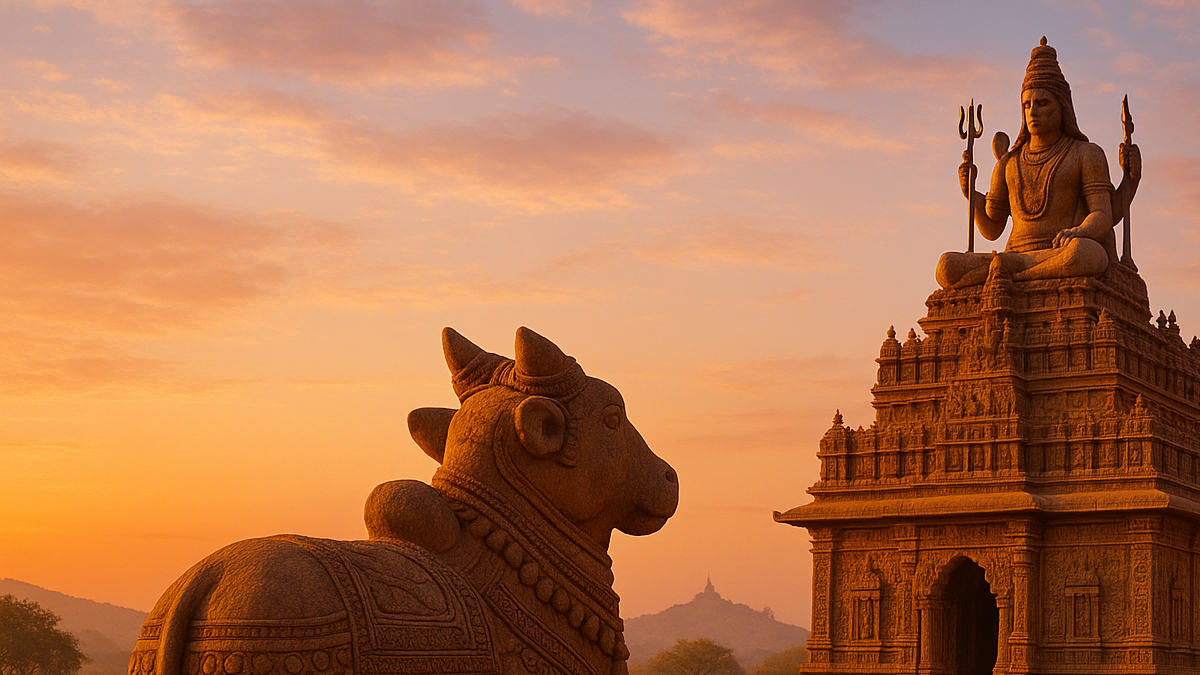
Thiyagaraja Swamy Temple Nearby Temples
Thiyagaraja Swamy Temple Visitor Information & Tips
Best time to visit (season/months):
The best time to visit is between November and February when the weather is pleasant and ideal for temple visits. Avoid the peak summer months (April to June) due to high temperatures.
Other Shiva Temples


Thiyagaraja Swamy Temple Interesting Facts
-
Legends BeliefsAccording to legend, Brahma created the Devas and Asuras, who fought each other. Two Asuras, Madhu and Kaithaba, tricked the gods and stole the Veda, hiding it at the bottom of the sea. Vishnu fought the demons but could not defeat them. He prayed to Shiva and Parvati, and with their help, he defeated the demons.Vishnu took the form of Matsya, a fish, to search for the Veda. He recovered it and brought it to the deity at this temple, who reunited and purified it. The wishing tree of gods, Makizha tree, became the sacred tree of the temple.
-
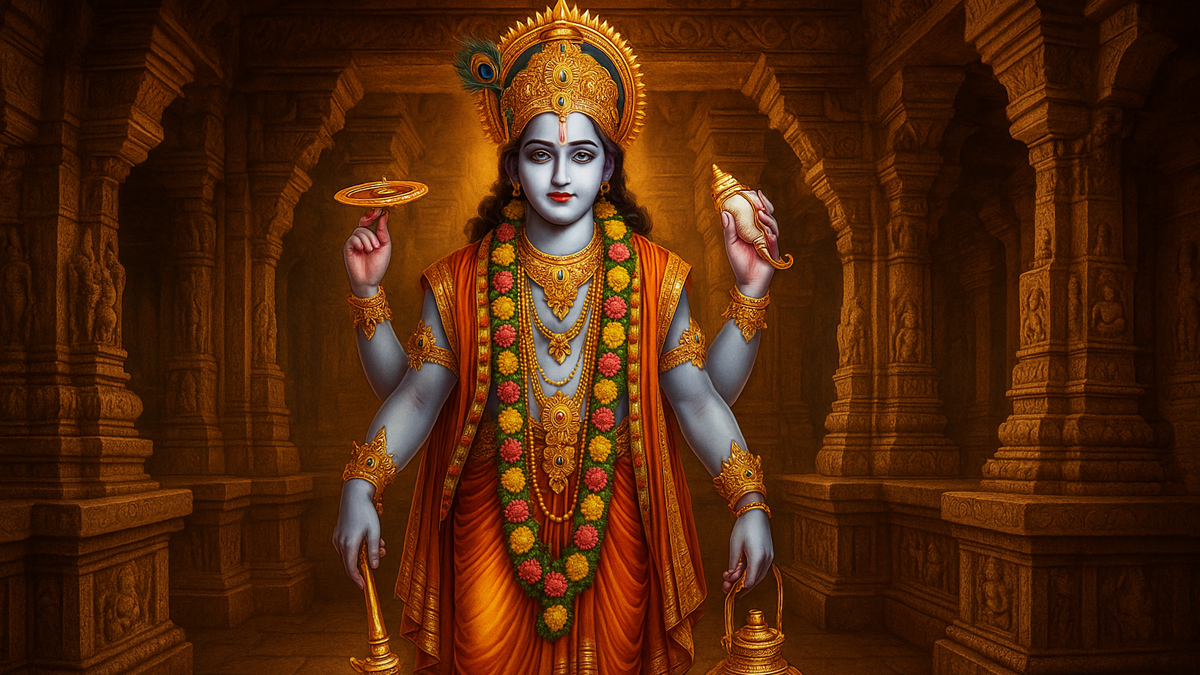
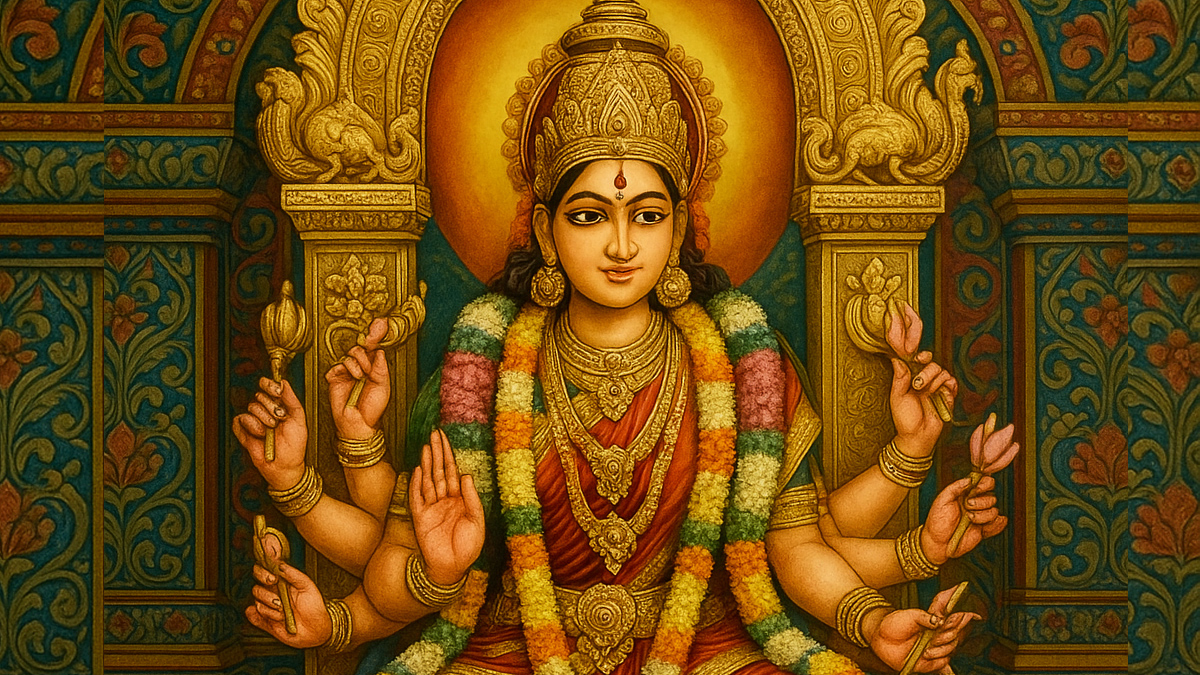
Deities and Sub DeitiesThe presiding deity is Aadhipureeswarar, represented as a mud mound covered by armour. On the full moon day of the Tamil month Karthigai, the armour is removed, revealing the deity. The Lord is anointed with Punugu, Javvadhu, and Sampirani oils.Other deities include Vadivudaiamman, Agasalingam, Thiruvotrieswarar, Thiruputheeswarar, Kuzhandhai Eesar, Kalyana Sundarar, Jaganadhar, Annamalayar, Ramanathar, Suryan, Chandran, Nalvars, Jambukeswarar, Nagalingar, Meenakshi, Sundareswarar, Sahasralingam, Amirthakandeesar, Gowlieeswarar, and Ekapaadhar.
-
OfferingsDevotees offer various items to the deities, including flowers, fruits, and special oils. The temple also has a tradition of offering lamps, with inscriptions indicating the donation of sheep for burning lamps and special lamps made in Sri Lanka.In the past, there were practices of animal sacrifice and offering intoxicating drinks to the goddess, which continued until the early 2000s.
-
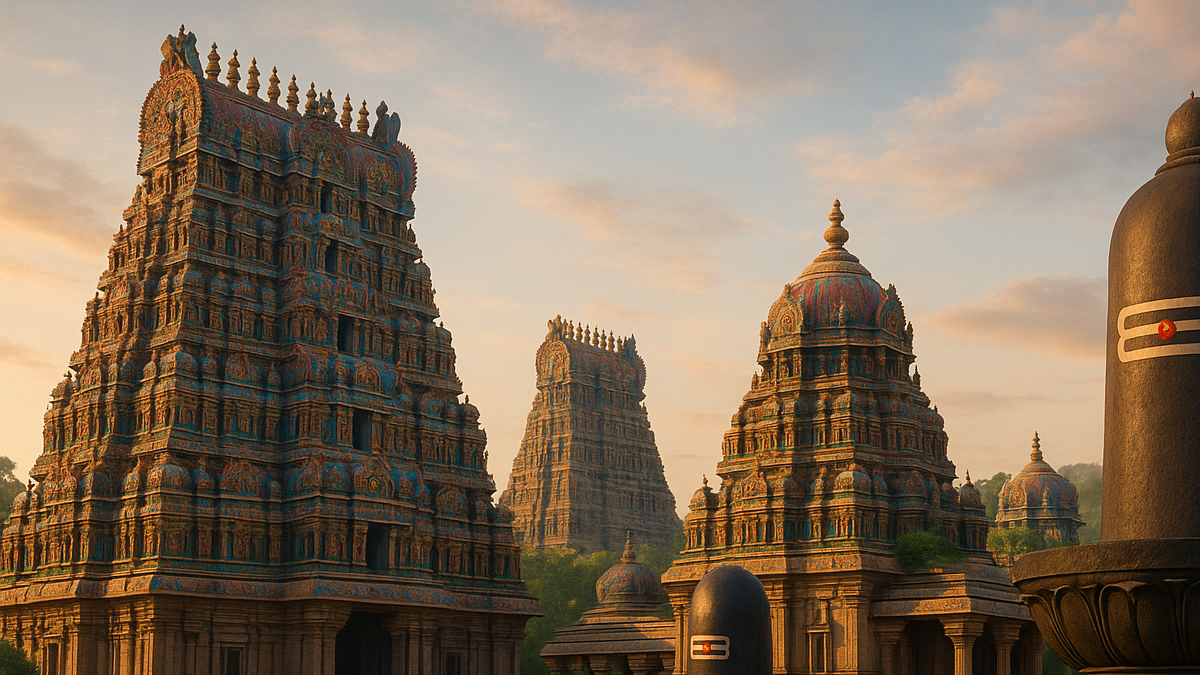
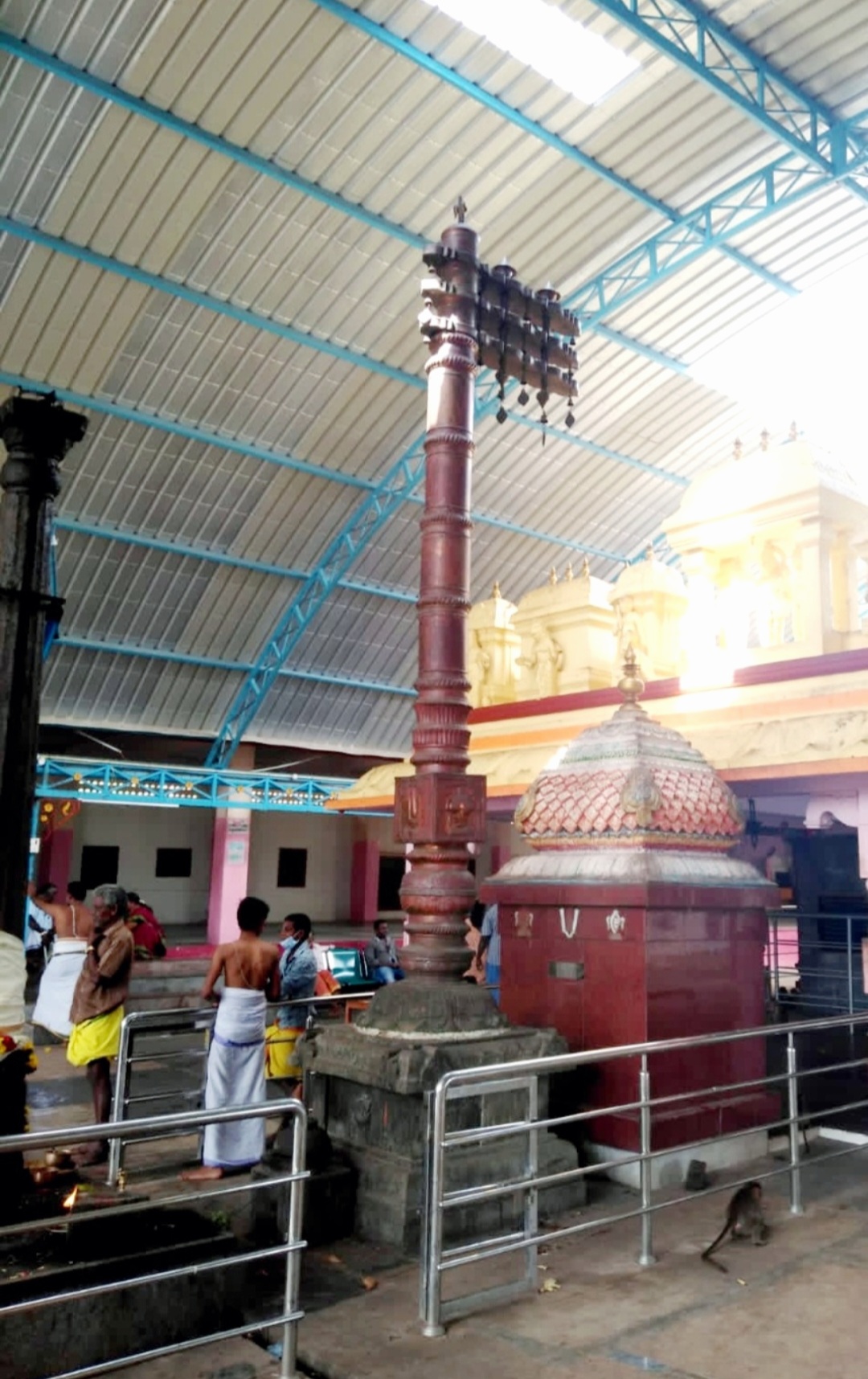
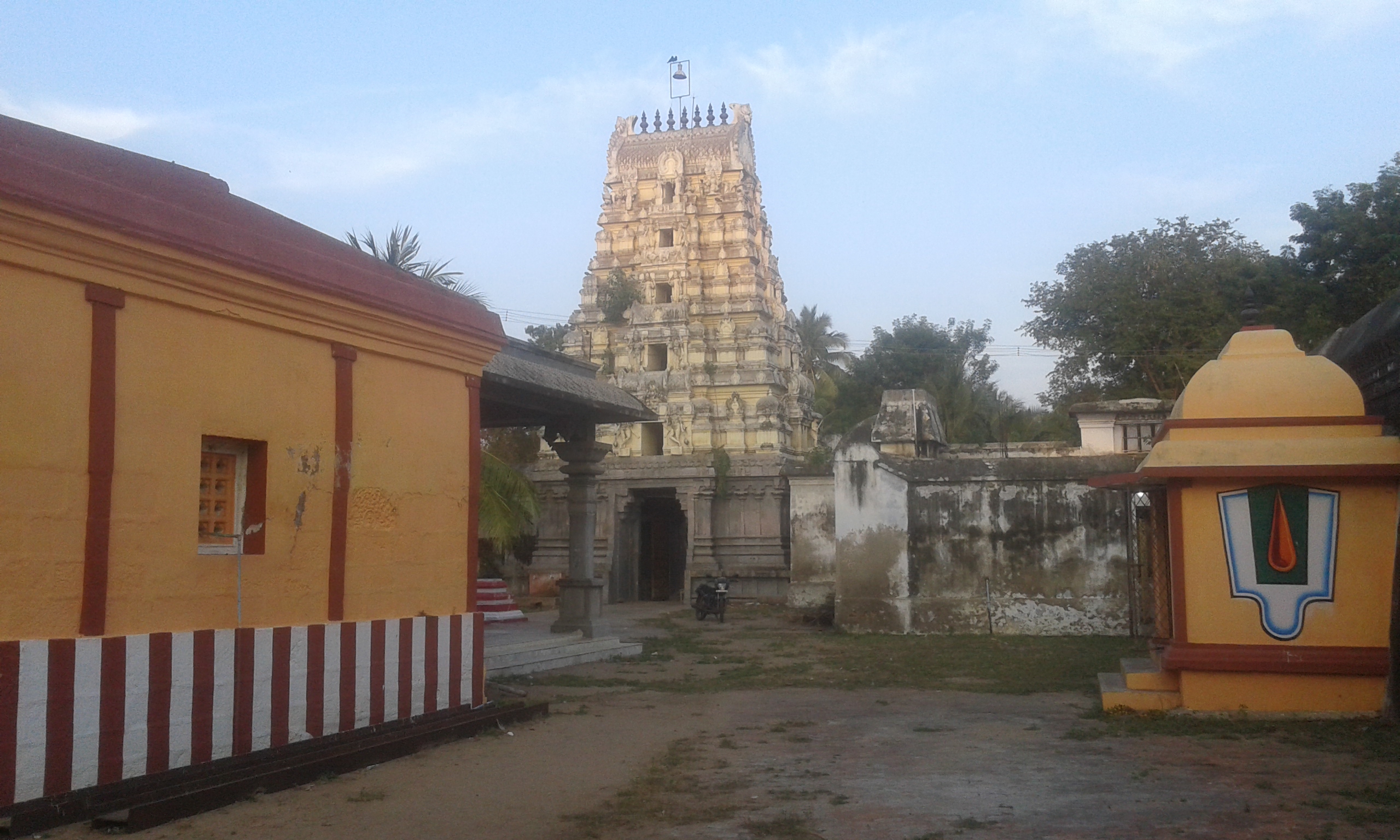
ArchitectureThe temple features Dravidian architecture with a seven-tiered gateway tower and a tank. The overall temple area covers 1 acre. The temple has a rich collection of inscriptions and bronze statues, including 64 bronze Nayanmar statues installed in the 11th century.The temple also has a subcomplex shrine of Kali and a Durga shrine on the northern side. The architecture reflects the influence of both Pallava and Chola periods.
-
FestivalsThe prime festival is celebrated in the Tamil month of Masi (February–March) and historically draws large crowds. On the eighth day, an additional function called Mahiladisevai is performed. A 15-day festival is celebrated in honour of Durga Devi, with the last day symbolizing Kannagi burning Madurai.Other festivals include Vasantha Urchavam, Shivarathiri, Thai Poosam, Navarathiri, Skandashashti, Aadi Pooram, Arudhra Darshan, Vattaparaiamman Urchavam, and Pournami days.
-
Religious PracticesThe temple has a rich tradition of religious practices, including daily rituals and special ceremonies. The temple was a centre of learning, with philosophical discourses and expositions on grammar. Lands were granted to learned scholars and their generations for performing various religious duties.Famous saints like Pattinathar, Topeswamigal, and Ramalinga Swamigal have prayed at this temple. The temple also has a tradition of feeding and maintaining teachers and students, as indicated by the inscriptions.
FAQ's
Where is the Thiyagaraja Swamy Temple located?
Which God is Thiyagaraja Swamy, Aadhipureeswarar, and Thiruvottrieswarar (Shiva), Vadivudaiamman aka Tripurasundari (Parvathi)?
What is the best time to visit Thiyagaraja Swamy Temple?
How to reach Thiyagaraja Swamy Temple from near City or Town?
In Tamil Nadu

-
 Sign in with Google
-
Block for 8 hours
-
Block for 12 hours
-
Block for 24 hours
-
Don't block


 Click it and Unblock the Notifications
Informed.
- Male
- Female
- Others
- Under 18
- 18 to 25
- 26 to 35
- 36 to 45
- 45 to 55
- 55+