


Thiruvanchikulam Siva Temple, Kodungallur
Kodungallur, Kerala

Thiruvanchikulam Siva Temple History and Significance
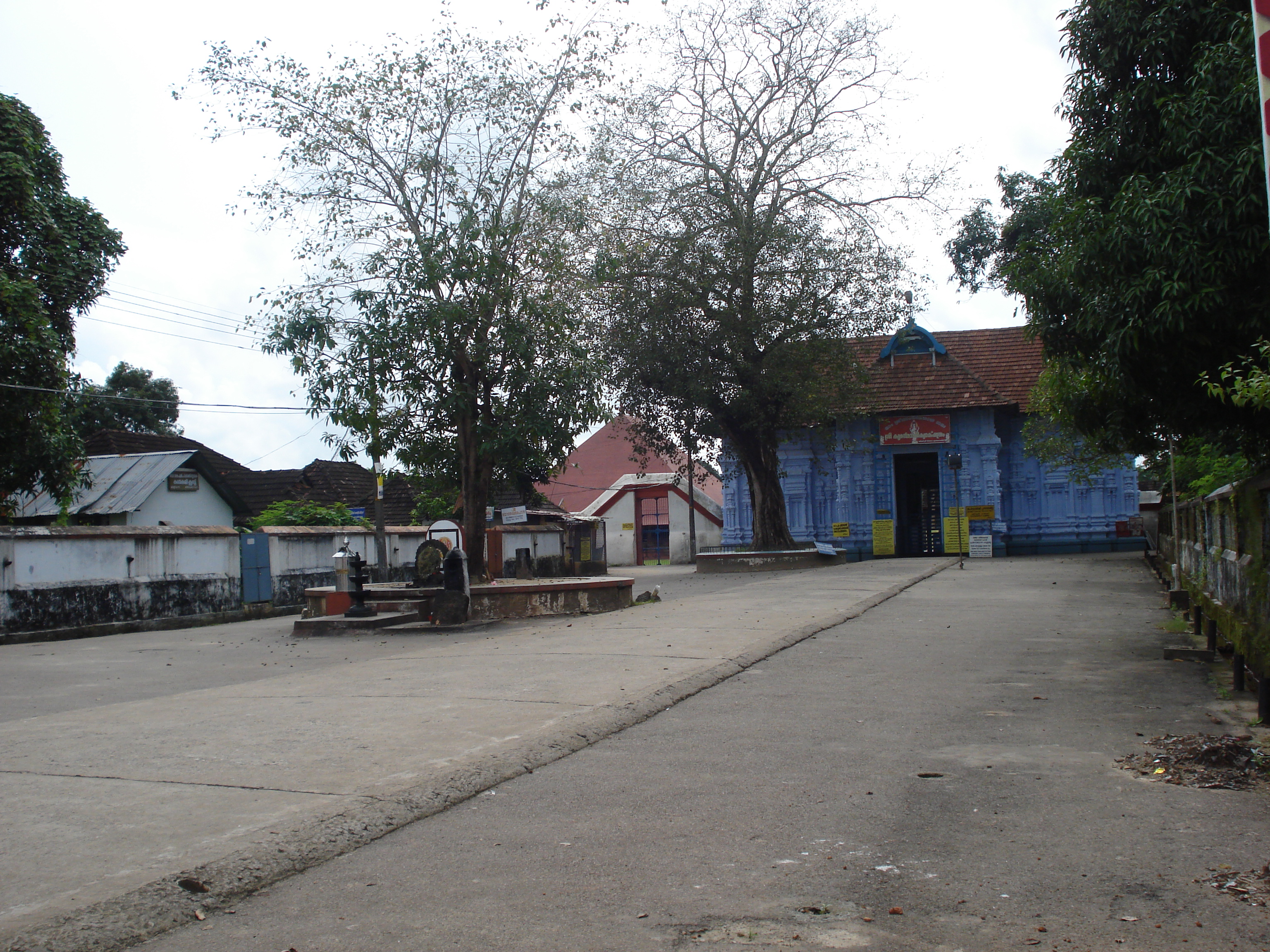
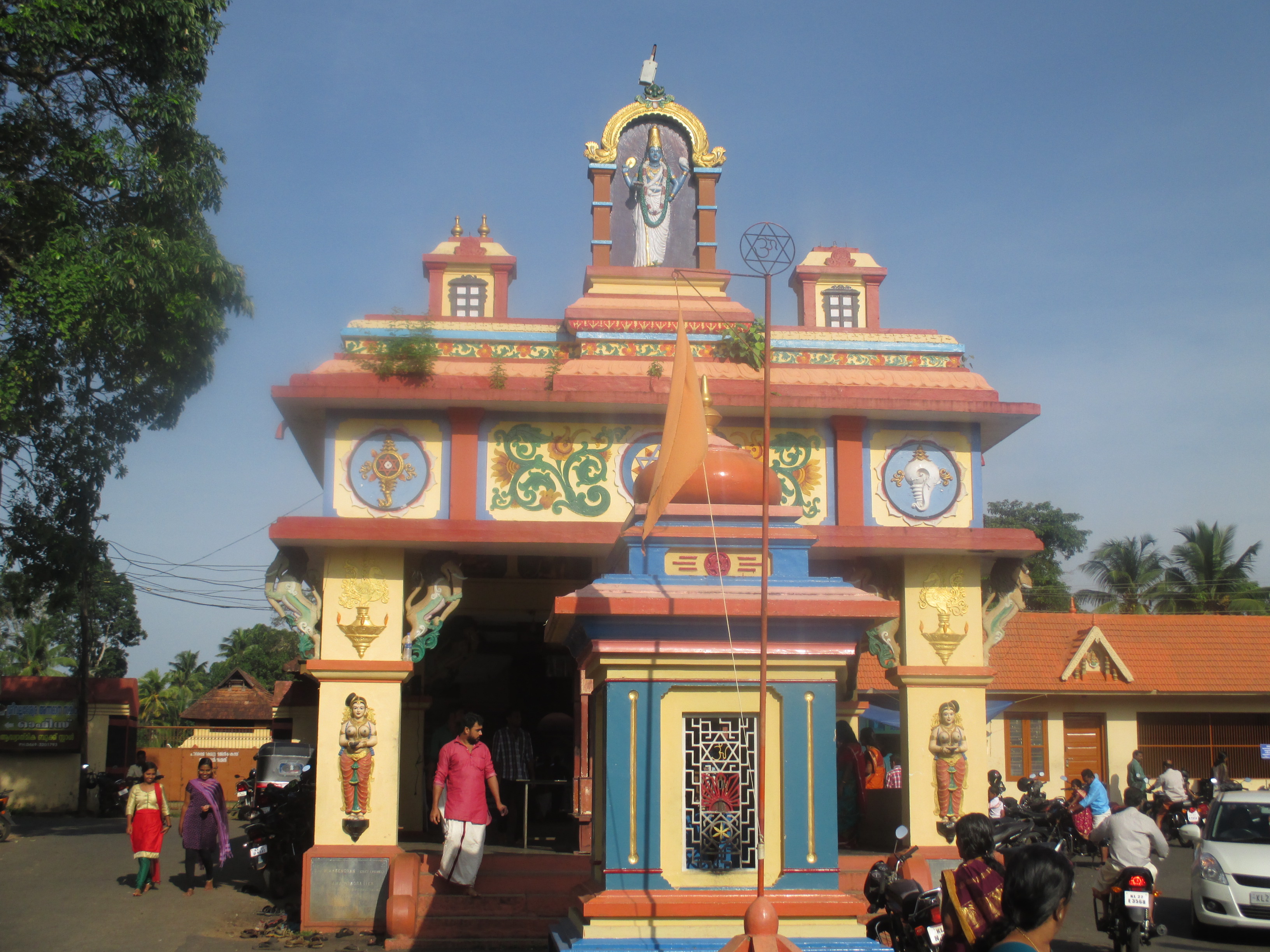
This is the only Thevaram Paadal Petra Shiva sthalam in Kerala. Shiva is the family god of the Cochin Royal Family after they came to power following the decline of Chera Empire. The temple has very good mural paintings and is a protected monument by the Archaeological Survey of India. The national anthem of erstwhile kingdom of Travancore, Vanchi Bhumi refers to the deity of this temple, the official deity of imperial Chera Empire from whom the former claim lineage. The temple has the oldest reference in history in Thevaram Hymns sung by Sundara Murthi Nayanar, one of the four Saiva Acharyas. The images of Sundara Murthi Nayanar, and of Cheraman Perumal Nayanar can also be seen in the temple premises. It is one of the oldest Shiva temples in South India, where Shiva is said to live along with his whole family. It was from here, Sundara Murthi Nayanar reached Kailash by sitting on a white elephant, sent by Lord Shiva on Adi Swathi day (July/August). He was followed on horse back by Seraman Perumal Nayanar. On his way to Kailash, Sundara Murthi Nayanar sang a Padhigam which was sent back to Thiruvanchikulam on his request. The temple is associated with Chidambaram temple in Tamil Nadu.
The capital city of the Kulasekharas, Mahodayapuram, was built around the temple; it was protected by high fortifications on all sides and had extensive pathways and palaces. This temple was attacked and damaged during Tipu Sultan's invasion of Kerala; the copper roofing, gold and jewels were looted. Tipu's Muslim soldiers fled the temple complex only after the arrival of the Travancore Army of Dalawa Keshavadas Pillai. The temple was rebuilt by Paliath Achan of the Paliam Swaroopam.
Thiruvanchikulam Siva Temple Pooja Timing
| Pooja Name | Timings |
|---|---|
| Nirmalya Darshanam | 3:30 AM |
| Usha Pooja | 6:00 AM |
| Ucha Pooja | 12:00 PM |
| Athazha Pooja | 7:45 PM |
Thiruvanchikulam Siva Temple Location Details
How to Reach Thiruvanchikulam Siva Temple
By Road:
By Train:
By Air:
Kodungallur is well-connected by road to major towns in Kerala. State Transport Buses and private taxis operate regularly.
Nearest railway stations: Irinjalakuda Railway Station (around 12 km) and Thrissur Railway Station (around 30 km). From these stations, buses or taxis are available to Kodungallur.
Nearest airport: Cochin International Airport (approximately 30 km away). From the airport, you can take a taxi or bus to Kodungallur via connecting cities.
Thiruvanchikulam Siva Temple Nearby Temples

Thiruvanchikulam Siva Temple Visitor Information & Tips
Best time to visit (season/months):
October to March. Avoid the monsoon season (June to September) due to heavy rainfall. Winters are pleasant and ideal for temple visits.
Other Shiva Temples

Thiruvanchikulam Siva Temple Interesting Facts
-
Legends BeliefsIt is believed that it the temple where Parasurama, an avatar of Vishnu, worshiped Shiva to expiate his sin killing his mother Renuka. Sundarar, a 7th-century Tamil Saivite poet, venerated Mahadeva in ten verses in Tevaram, compiled as the Seventh Tirumurai. As the temple is revered in Tevaram, it is classified as Paadal Petra Sthalam, one of the 276 temples that find mention in the Saiva canon. The temple is believed to be the place where Sundarar and king Cheraman spent their last days and believed to have ascended to Kailasa in a white elephant.
-
Deities and Sub DeitiesShiva is worshipped as Mahadeva and his consort Parvathi as Umadevi. There are 33 sub-deities in this temple, the highest number so in Kerala. The presiding deity is revered in the 7th century Tamil Saiva canonical work, the Tevaram, written by Tamil saint poets known as the Nayanmars and classified as Paadal Petra Sthalam, one of the 276 temples that find mention in the canon. It is the only temple in Kerala in the list. As per Periyapuranam, Sundara Murthi Nayanar, one of the four great saints in Tamil Shivism ascended to heaven from this place.
-
OfferingsThe temple priests perform the puja (rituals) during festivals and on a daily basis. The temple rituals are performed four times a day; Kalasanthi at 8:00 a.m., Uchikalam at 12:00 a.m. and Sayarakshai at 6:00 p.m. There are weekly rituals like somavaram (Monday) and sukravaram (Friday), fortnightly rituals like pradosham, and monthly festivals like amavasai (new moon day), kiruthigai, pournami (full moon day) and sathurthi.
-
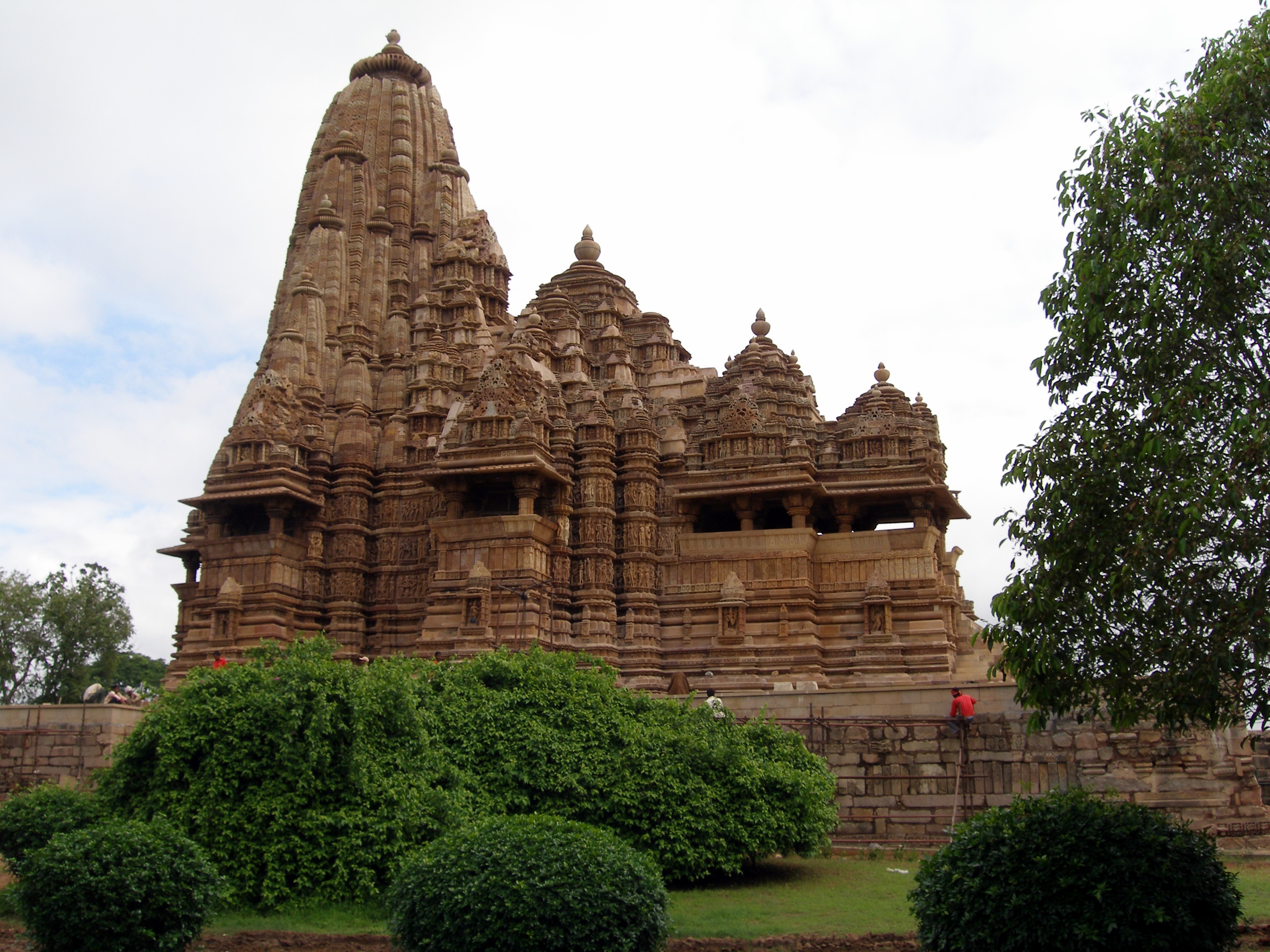
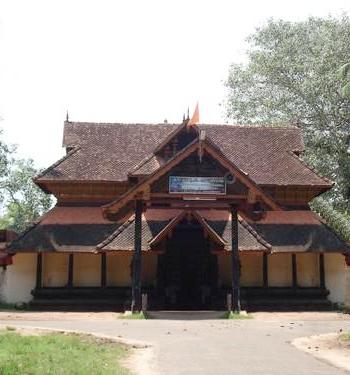
ArchitectureThe temple is built in Kerala style of architecture with entrance towers in all four sides. The sanctum occupies the centre portion of the temple, which is fortified. The sanctum is approached through a flagstaff, which is axial to the entrance tower and the sanctum. The flagstaff has images of Asthavidyesavara. The presiding deity is in the form of lingam. The image of Narasimha is sculpted on the vimana. The images of Sundarar and Ceramanperuman are maintained at Bhagavathi temple and brought to the temple during Svati festival during July - August. There are two temple tanks in the temple, located in the second precinct.
-
FestivalsBrahmotsavam during the Malayalam month of Edavam (May - June) is the most important festivals of the temple. Four daily rituals and three yearly festivals are held at the temple, of which the eight-day Mahashivaratri festival in the Malayalam month of Kumbham (February-March) is the most prominent.
-
Religious PracticesThe temple is open from 4 am - 12 pm and 4-8:30 pm on all days except during festival days when it is open the full day. Four daily rituals and three yearly festivals are held at the temple, of which the eight-day Mahashivaratri festival in the Malayalam month of Kumbham (February-March) is the most prominent. The temple is maintained and administered by the Thiruvanchikulam Devaswom under the Cochin Devaswom Board.
FAQ's
Where is the Thiruvanchikulam Siva Temple located?
Which God is Mahadeva (Shiva)?
What is the best time to visit Thiruvanchikulam Siva Temple?
How to reach Thiruvanchikulam Siva Temple from near City or Town?
In Kerala
-
 Sign in with Google
-
Block for 8 hours
-
Block for 12 hours
-
Block for 24 hours
-
Don't block


 Click it and Unblock the Notifications
Informed.
- Male
- Female
- Others
- Under 18
- 18 to 25
- 26 to 35
- 36 to 45
- 45 to 55
- 55+