


Thillai Nataraja Temple, Chidambaram
Chidambaram, Tamil Nadu

Thillai Nataraja Temple History and Significance
The Nataraja temple has ancient roots, with early textual evidence suggesting a temple existed here along with Madurai in ancient times. The earliest mention of 'dancing god of Chidambaram' as Shiva is found in 6th- and early-7th-century texts by Appar and Sambadar.
The present temple was built in the 10th century when Chidambaram was the capital of the Chola dynasty. After its 10th-century consecration by the Cholas, the temple has been damaged, repaired, renovated, and expanded through the 2nd millennium.
Most of the temple's surviving plan, architecture, and structure is from the late 12th and early 13th centuries, with later additions in similar style. The temple has been a site for performance arts, including the annual Natyanjali dance festival on Maha Shivaratri.
Thillai Nataraja Temple Location Details
How to Reach Thillai Nataraja Temple
By Road:
By Train:
By Air:
Chidambaram is well-connected by road to major towns in Tamil Nadu. State Transport Buses and private taxis operate regularly from cities like Chennai, Trichy, and Pondicherry.
Nearest railway station: Chidambaram Railway Station, which is well-connected to major cities in Tamil Nadu. From the station, you can take an auto-rickshaw or taxi to the temple.
Nearest airport: Puducherry Airport (approximately 60 km away) and Chennai International Airport (approximately 150 km away). From the airport, you can take a taxi or bus to Chidambaram via connecting cities.
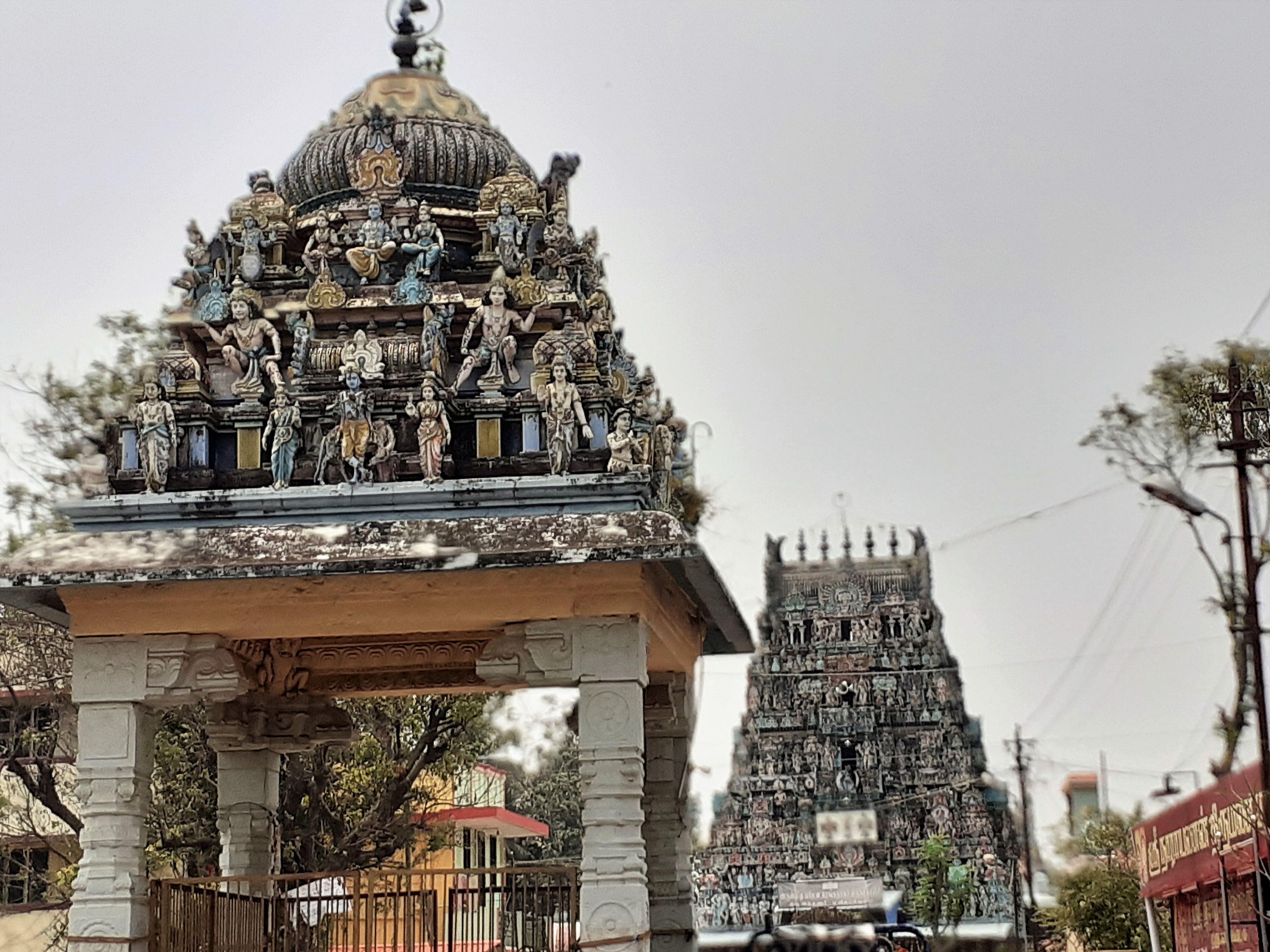
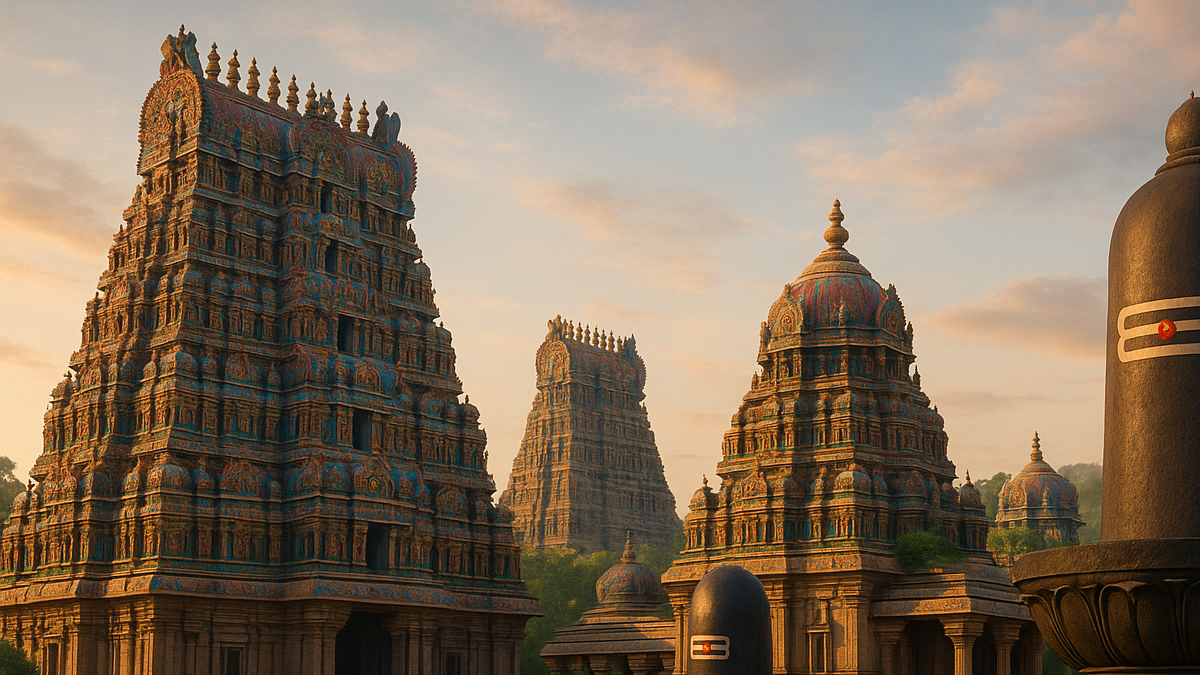
Thillai Nataraja Temple Nearby Temples


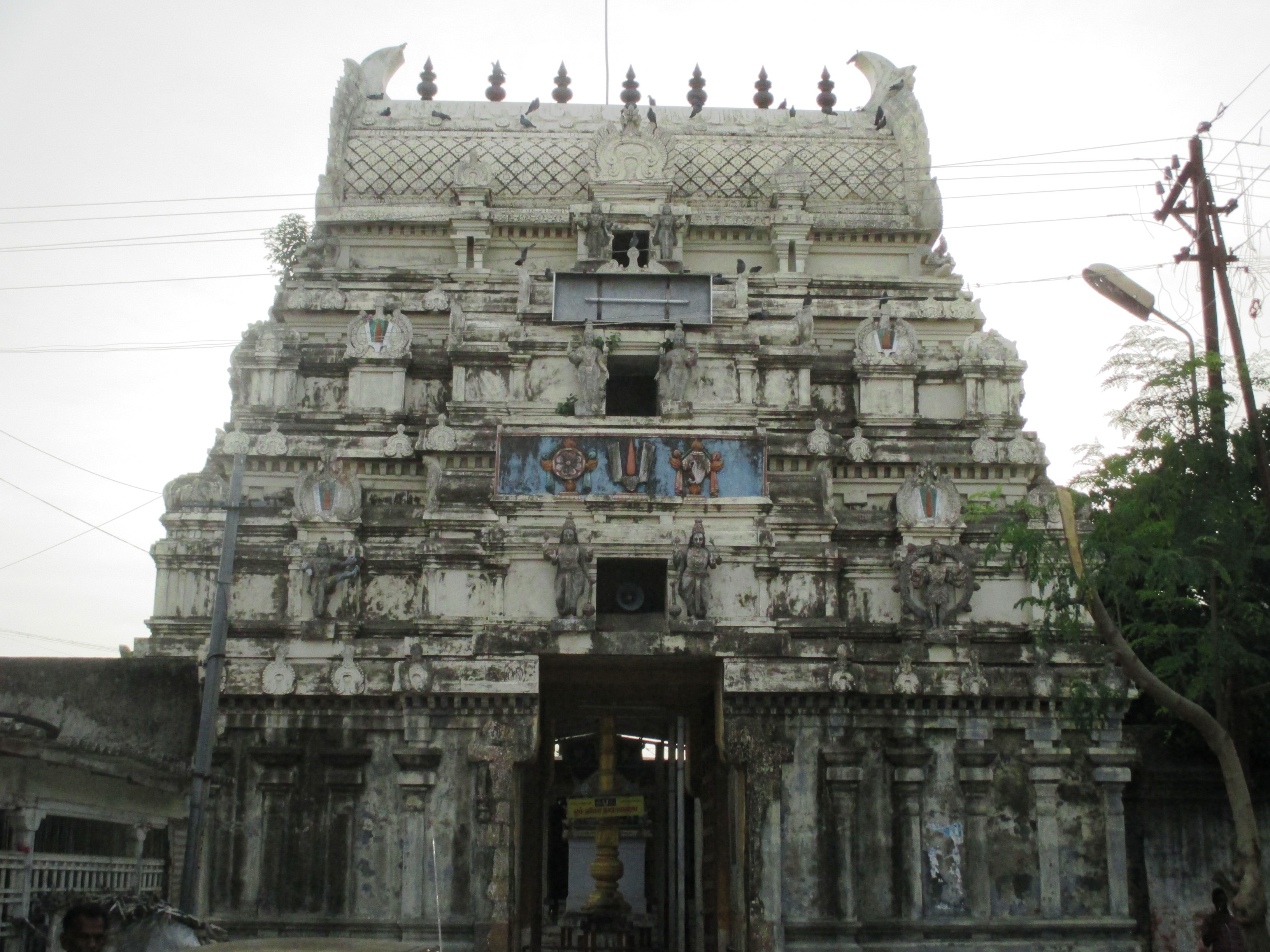
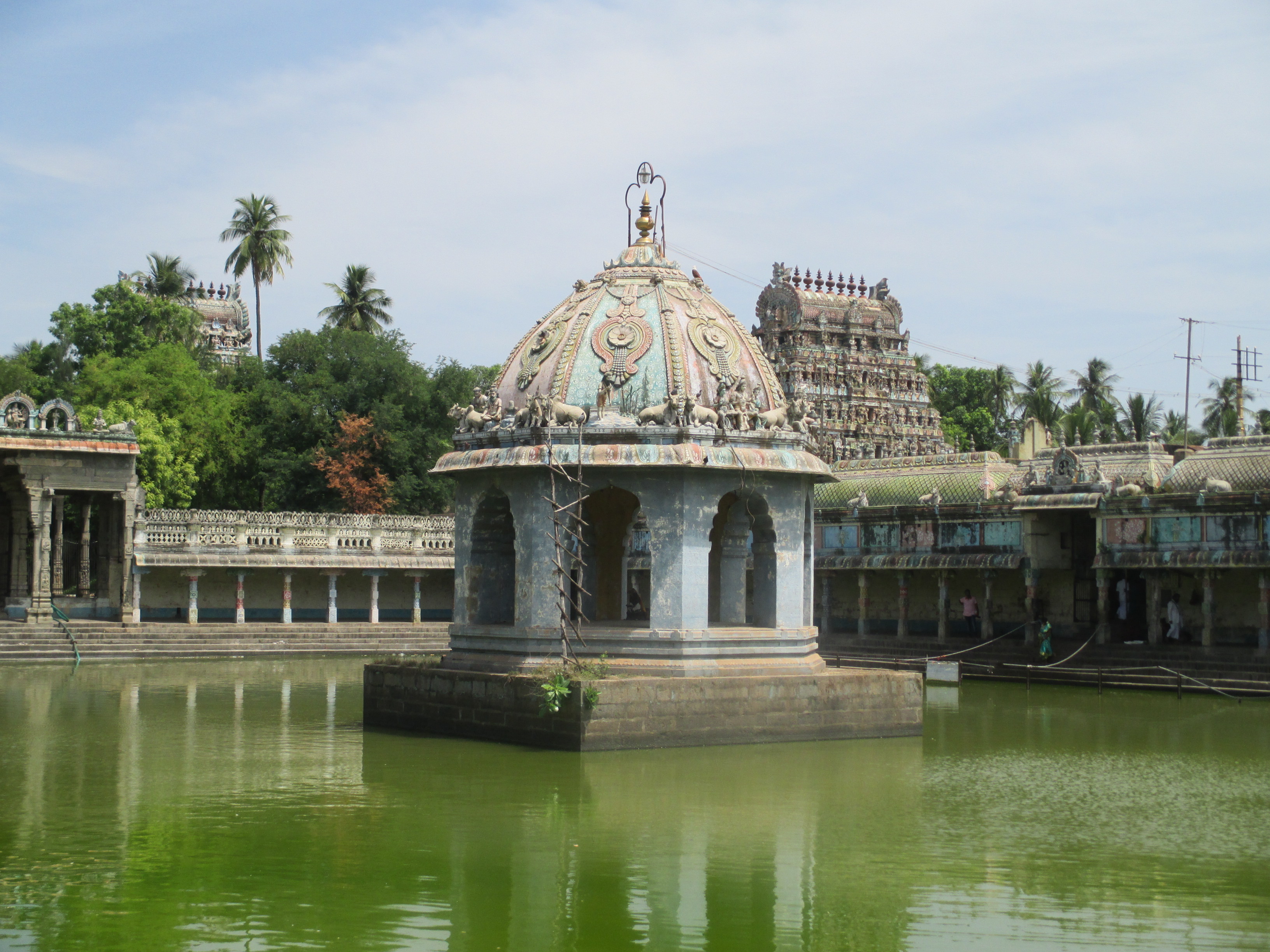

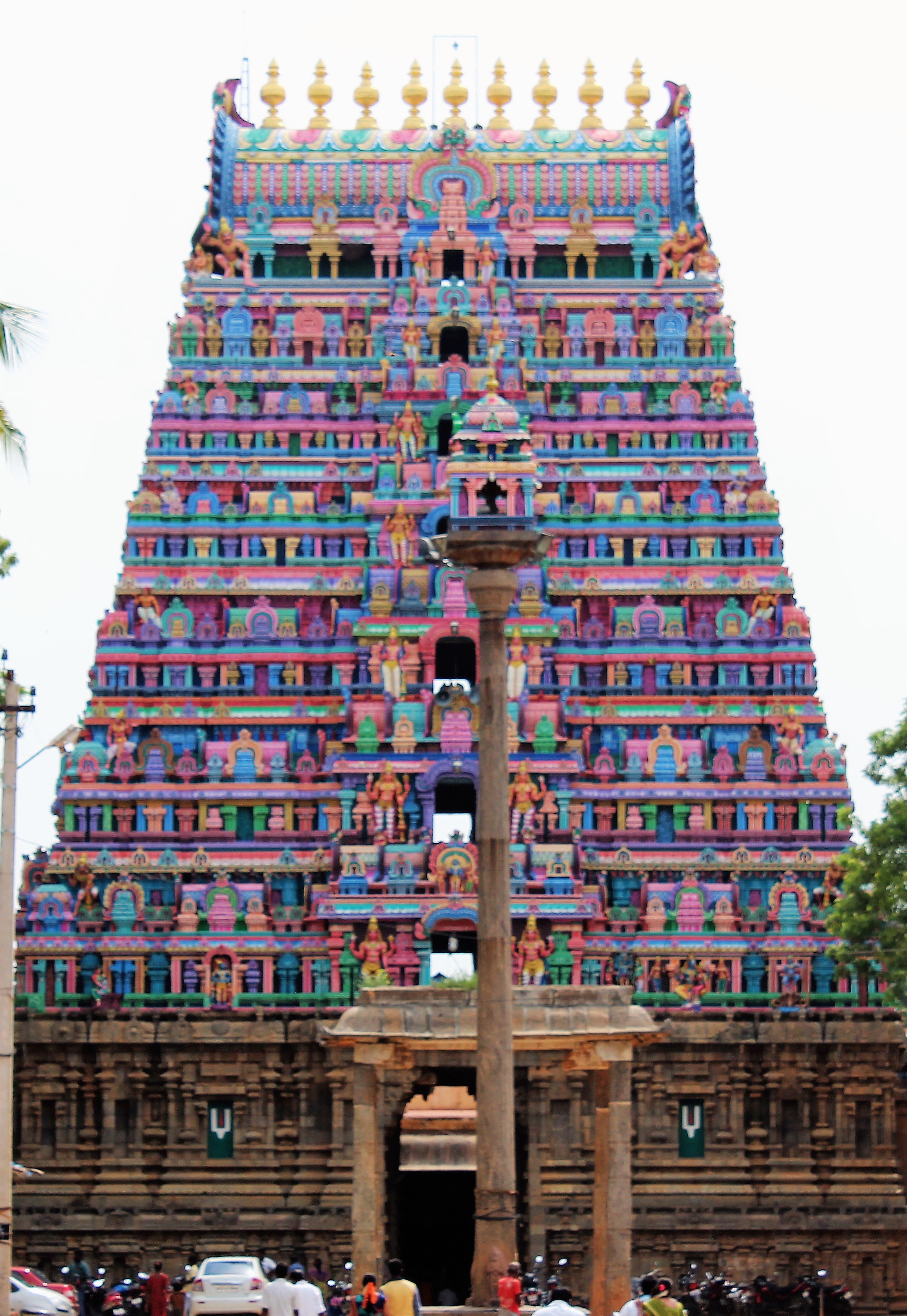
Thillai Nataraja Temple Visitor Information & Tips
Best time to visit (season/months):
The best time to visit is between October and March when the weather is pleasant. Avoid the monsoon season (June to September) due to heavy rainfall.
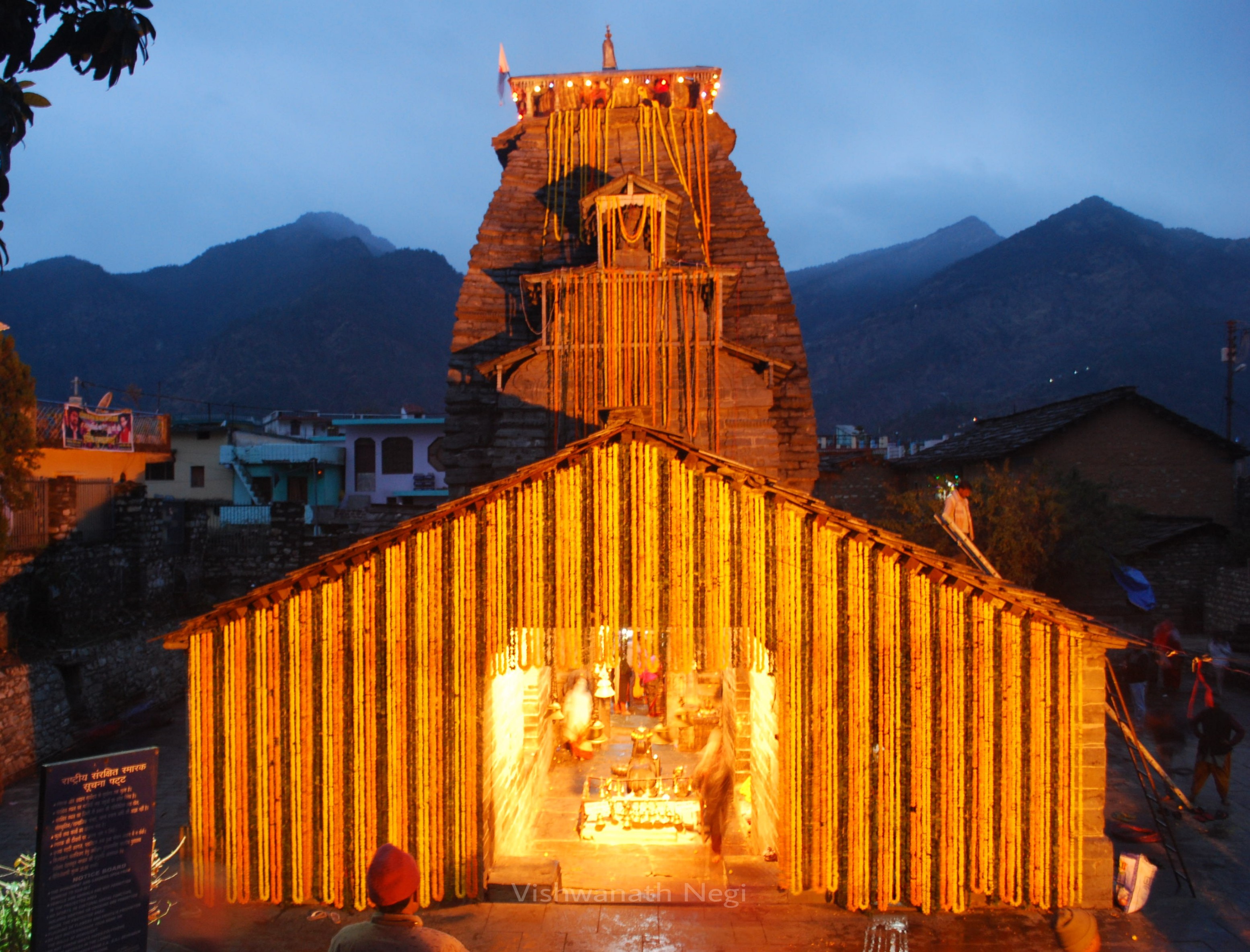
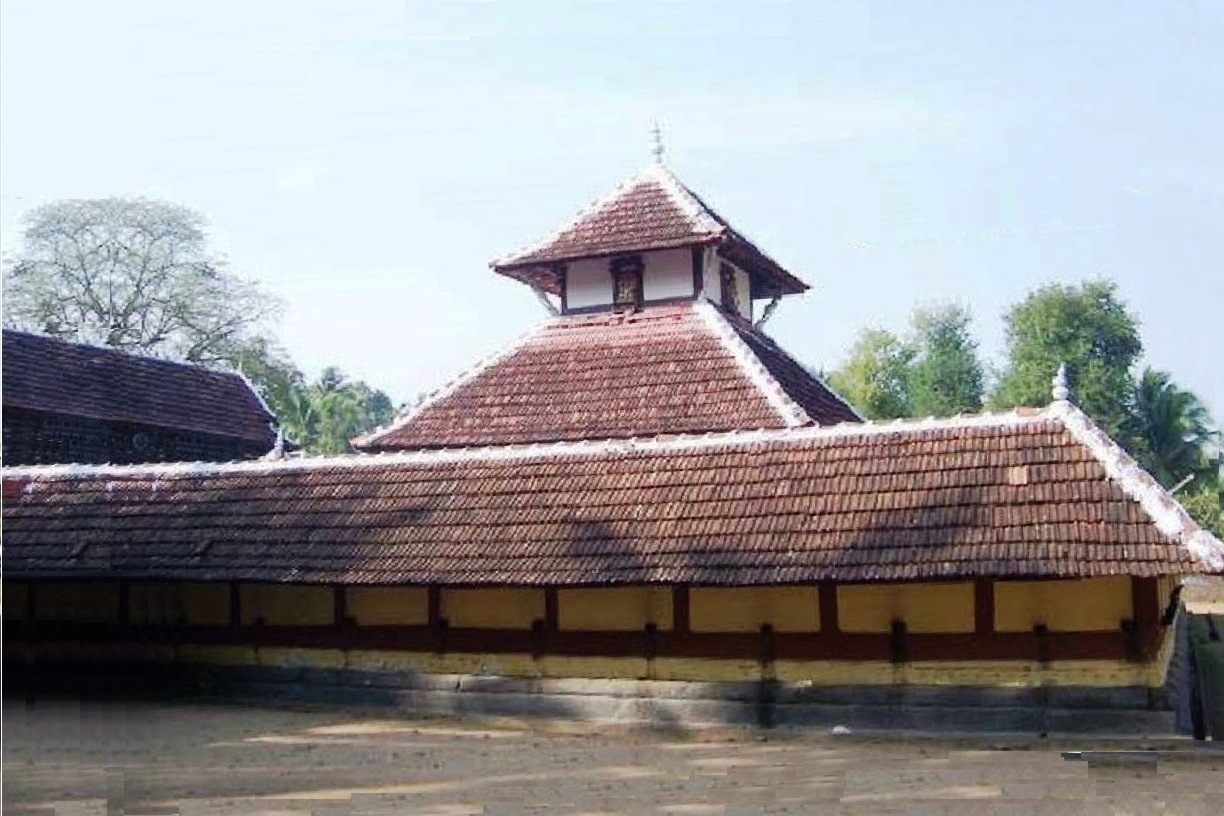
Other Shiva Temples
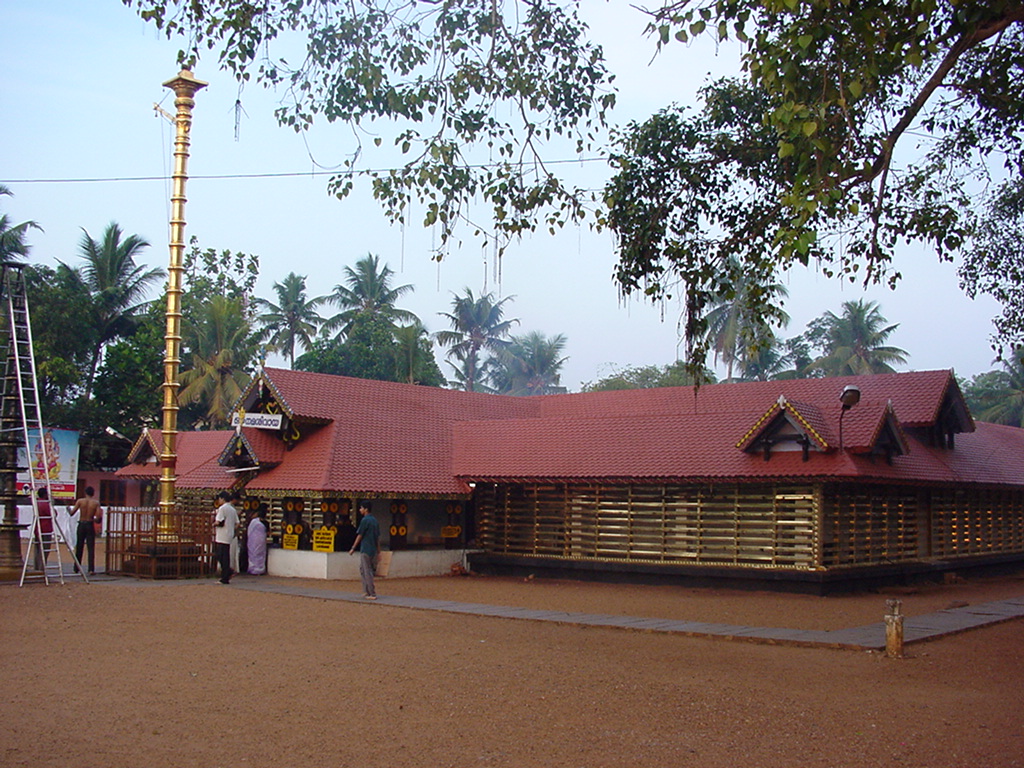
Thillai Nataraja Temple Interesting Facts
-
Legends BeliefsLegends and BeliefsThe Chidambaram temple legend is contained in the 12th-century text 'Chidambara-mahatmya'. It states that Shiva visits sages in the mythical forest in the form of a dancer mendicant accompanied by Mohini, Vishnu in his avatar as a beautiful woman.According to another legend, Shiva and Parvati wanted to judge who among them was a better dancer. Vishnu judged the competition in Tillaivanam, where Shiva performed the Urthvathandavam pose, winning the contest.The temple is also one of the Nava Puliyur Temples worshipped by Patanjali and Vyaghrapada. The other temples are Thirupathiripuliyur, Erukathampuliyur, Omampuliyur, Sirupuliyur, Atthippuliyur, Thaplampuliyur, Perumpuliyur, and Kanattampuliyur.
-
Deities and Sub DeitiesDeities and Sub-DeitiesThe main deity of the temple is Nataraja, a form of Shiva as the lord of dance. The temple also reverentially presents major themes from Shaktism, Vaishnavism, and other traditions of Hinduism.The temple complex includes shrines for Devi, Vishnu, Subrahmanyar, Ganesha, Nandi, and others. The earliest known Amman or Devi temple in South India is part of this complex.
-
OfferingsOfferingsDevotees offer various items such as milk, holy ash, turmeric, curd, honey, rose water, sugarcane juice, fruits, flowers, and coconut water during the sacred ablution ceremonies. For every Mahabisheka during the Margazhi festival, Swarnabhisheka is done, which involves bathing the deity with golden coins.
-
ArchitectureArchitectureThe temple architecture symbolizes the connection between the arts and spirituality, creative activity, and the divine. The temple wall carvings display all the 108 karanas from the Natya Shastra by Bharata Muni, forming a foundation of Bharatanatyam.The temple is spread over a 40-acre area, within layers of concentric courtyards. The inner sanctum, its connecting mandapams, and pillared halls near it are all either squares or stacked squares or both.The complex has nine gopurams, several water storage structures, and numerous gathering halls called 'sabha'. The plan includes two major choultry called the 100 pillared and 1,000 pillared halls, inscriptions, and frescoes narrating Hindu legends.
-
FestivalsFestivalsThe temple celebrates six anointing ceremonies for the principal deity Nataraja in a year. The most important festivals are the Marghazhi Thiruvaadhirai in December–January and the Aani Thirumanjanam in June–July.During these festivals, the main deity is brought outside the sanctum sanctorum in a procession that includes a temple car procession followed by a long anointing ceremony. Several hundreds of thousands of people flock to the temple to see the anointing ceremony and the ritualistic dance of Shiva.
-
Religious PracticesReligious PracticesA unique feature of this temple is the bejeweled image of Lord Nataraja as the main deity. Daily puja is offered to a small Ruby figure of Nataraja called Ratnasabhapati once at 10:30 am.The main sanctum also encloses Chidambara Rahasya, the divine chakra adorned with golden vilva leaves. This remains hidden and only during the pooja times, Rahasya Darshan will be offered to the devotees.
FAQ's
Where is the Thillai Nataraja Temple located?
Which God is Nataraja (Shiva)?
What is the best time to visit Thillai Nataraja Temple?
How to reach Thillai Nataraja Temple from near City or Town?
In Tamil Nadu

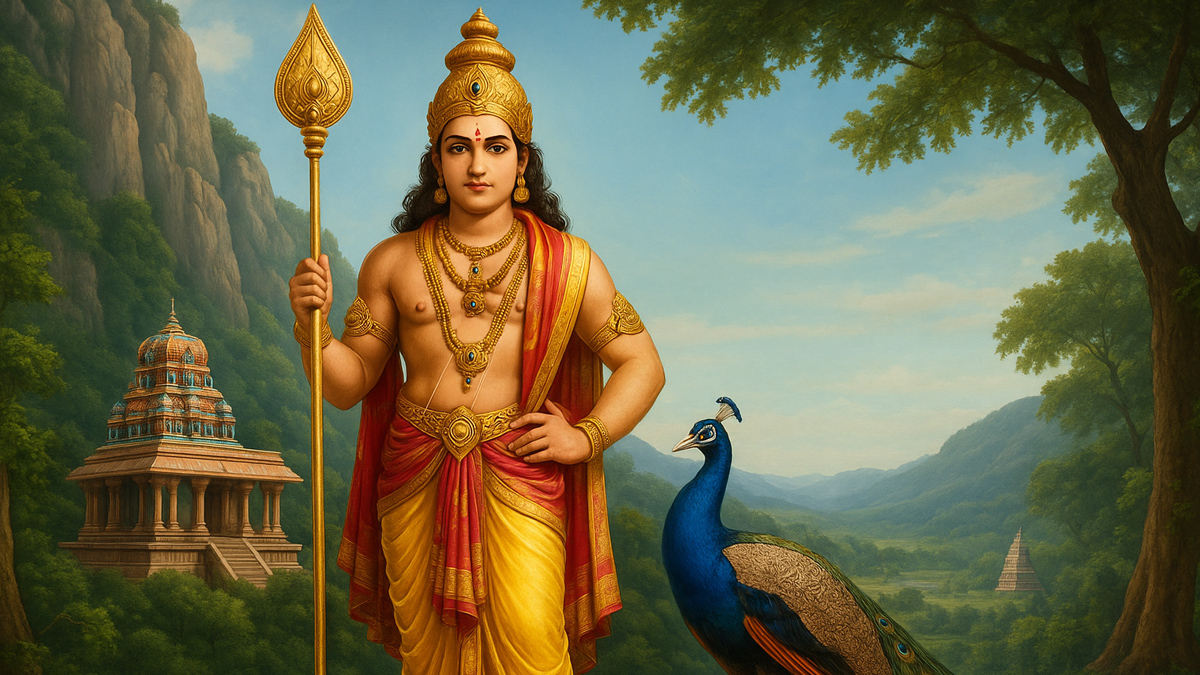
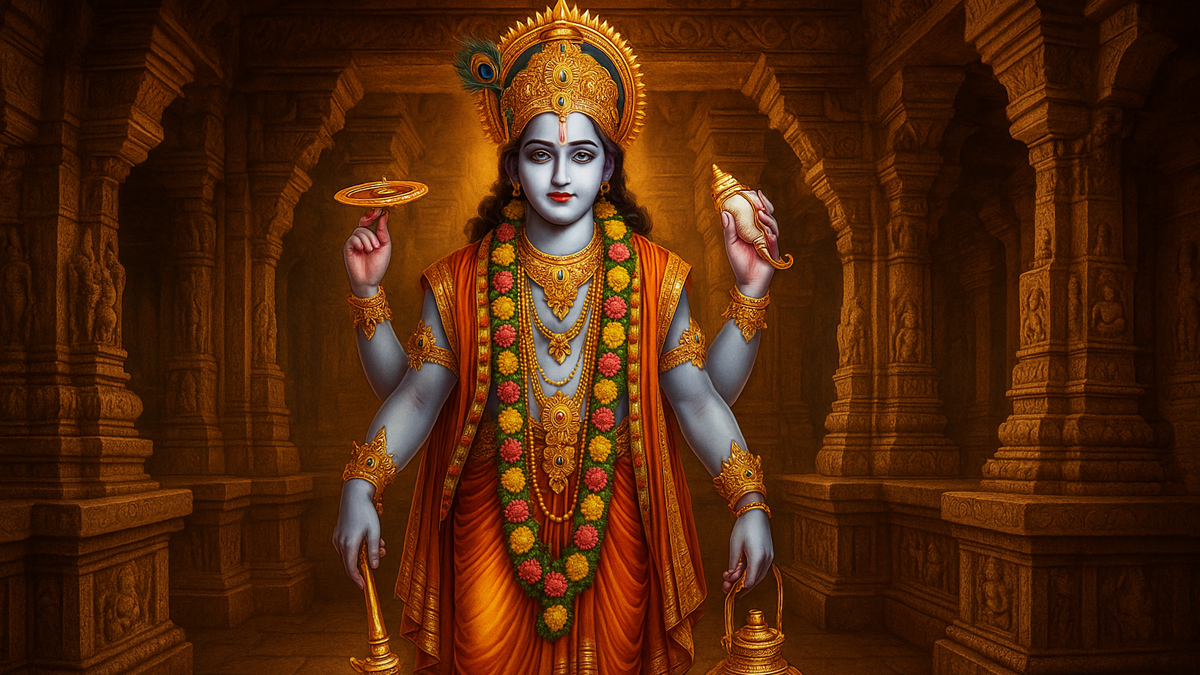
Bhagavathi Temples
-
 Sign in with Google
-
Block for 8 hours
-
Block for 12 hours
-
Block for 24 hours
-
Don't block


 Click it and Unblock the Notifications
Informed.
- Male
- Female
- Others
- Under 18
- 18 to 25
- 26 to 35
- 36 to 45
- 45 to 55
- 55+