


Surendrapuri, Near Hyderabad
Near Hyderabad, Telangana

Surendrapuri History and Significance
Surendrapuri, a religious tourism destination, was designed and built by Satyanarayana Kunda. It opened to the public in May 2003. Located near Hyderabad, it is 10 km from Bhuvanagiri Railway Station and 2 km from Yadadri Bus Terminal. The complex spans 17 acres and includes various attractions.
Surendrapuri houses the Panchamukha Hanumadeeswara Devasthanam, affiliated with the Kanchi Kamakoti Peetham. Built according to the principles of Vaastushastra and Agamashastra, the temple features the Nagakoti idol with a 101-foot Shivalinga, believed to relieve devotees from Naga Dosha, Kuja Dosha, and Kaalasarpa Dosha.
Surendrapuri Pooja Timing
| Pooja Name | Timings |
|---|---|
| Suprabhata Seva | 5:00 AM - 6:00 AM |
| Archana | 7:00 AM - 12:00 PM |
| Maha Mangala Aarti | 12:30 PM - 1:00 PM |
| Evening Aarti | 6:30 PM - 7:30 PM |
Surendrapuri Location Details
How to Reach Surendrapuri
By Road:
By Train:
By Air:
Surendrapuri is well-connected by road to major towns in Telangana. State Transport Buses and private taxis operate regularly from Hyderabad and nearby cities.
Nearest railway stations: Bhongir Railway Station and Secunderabad Junction. From these stations, buses or taxis are available to Surendrapuri.
Nearest airport: Rajiv Gandhi International Airport, Hyderabad. From the airport, you can take a taxi or bus to Yadadri Bhuvanagiri district, where Surendrapuri is located.
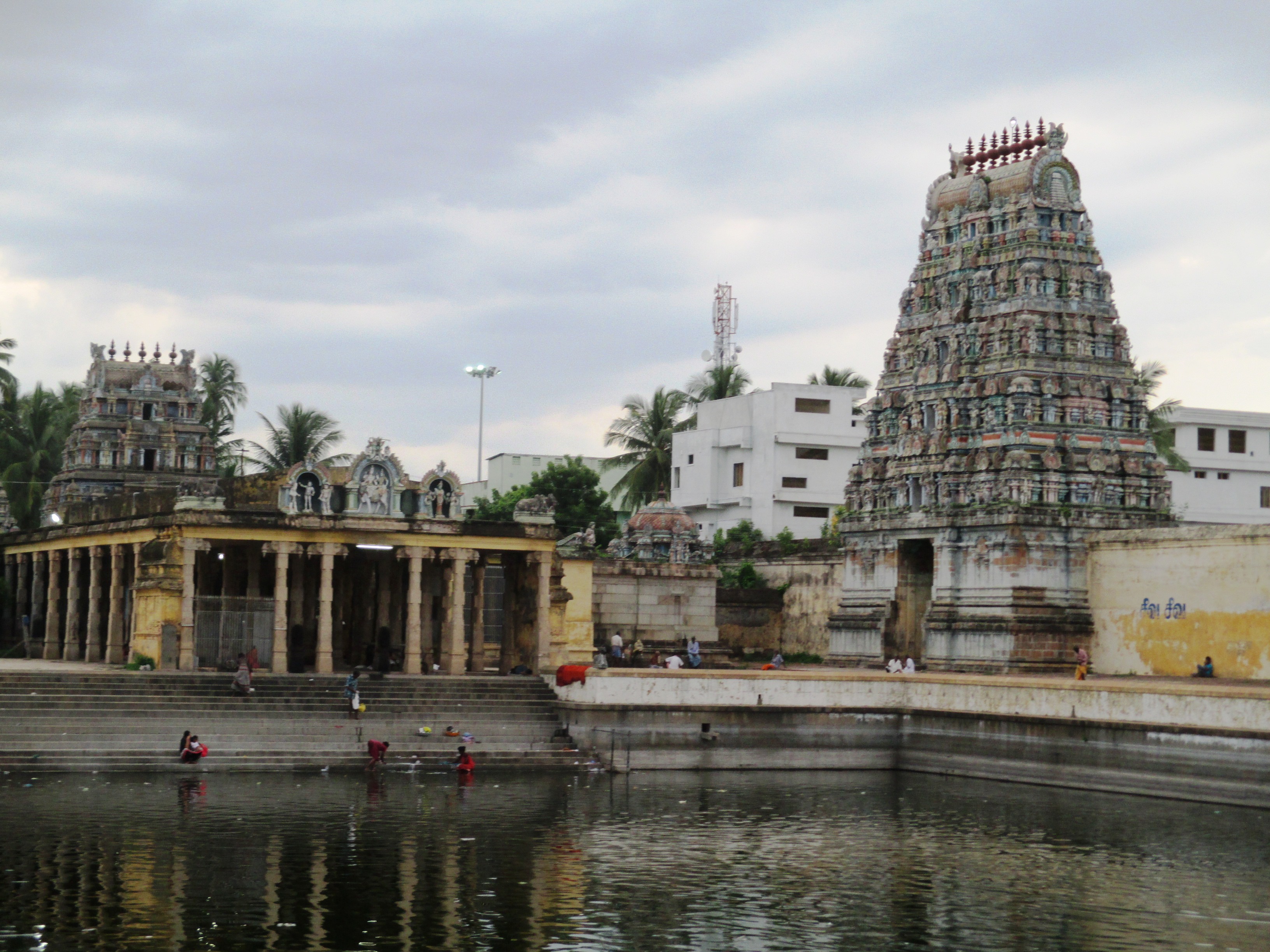
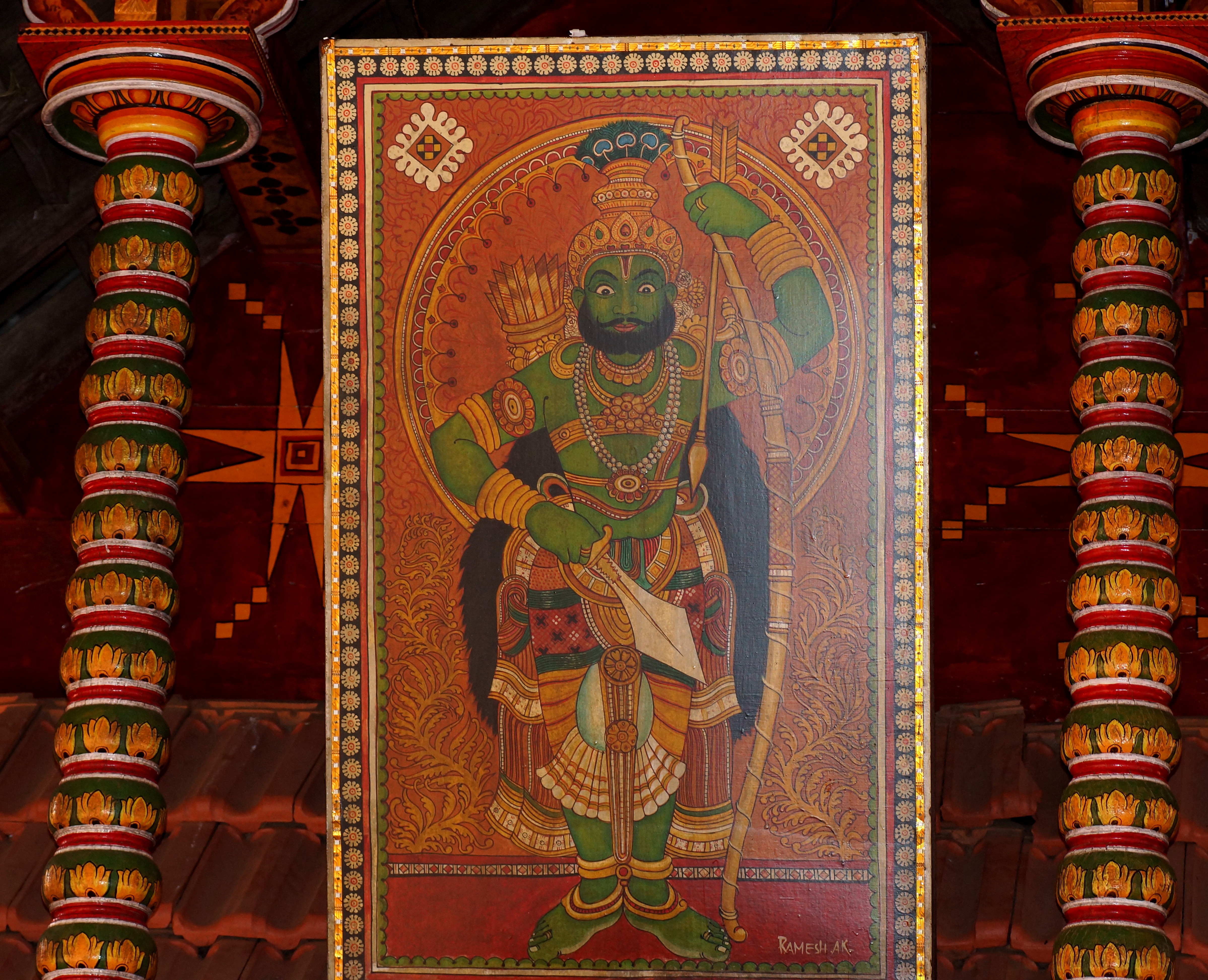
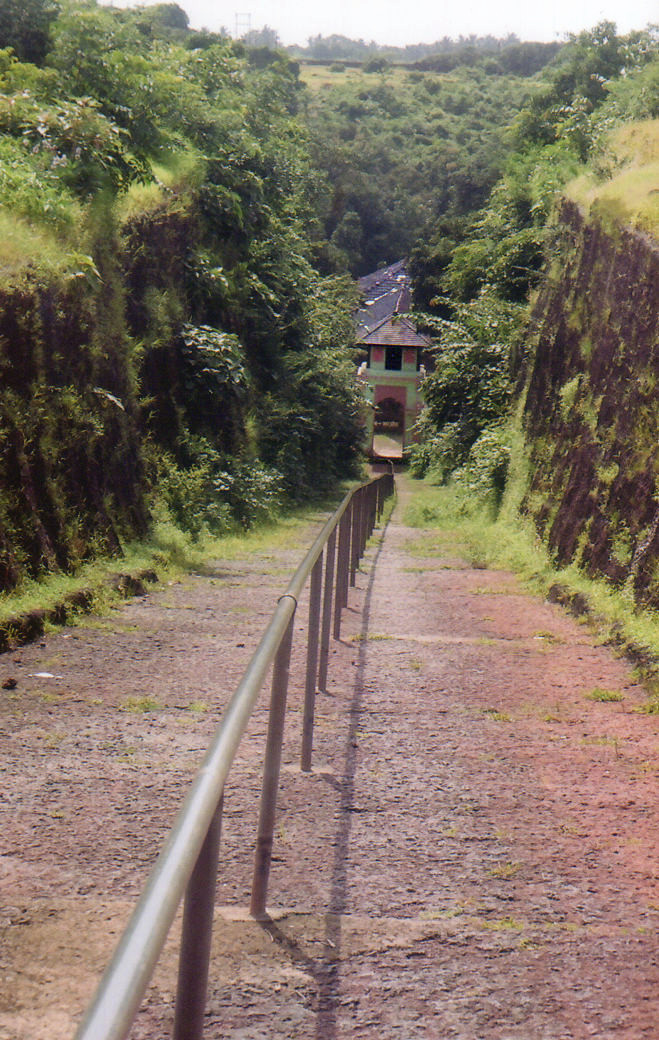
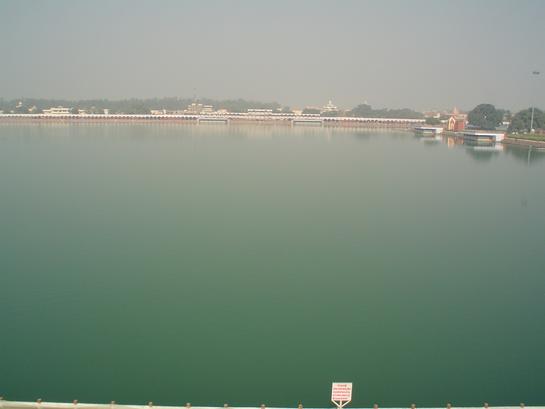
Surendrapuri Nearby Temples




Surendrapuri Visitor Information & Tips
Best time to visit (season/months):
October to March is the best time to visit Surendrapuri due to pleasant weather conditions. Avoid the peak summer months (April to June) as temperatures can be very high.
Other Hanuman Temples

Surendrapuri Interesting Facts
-
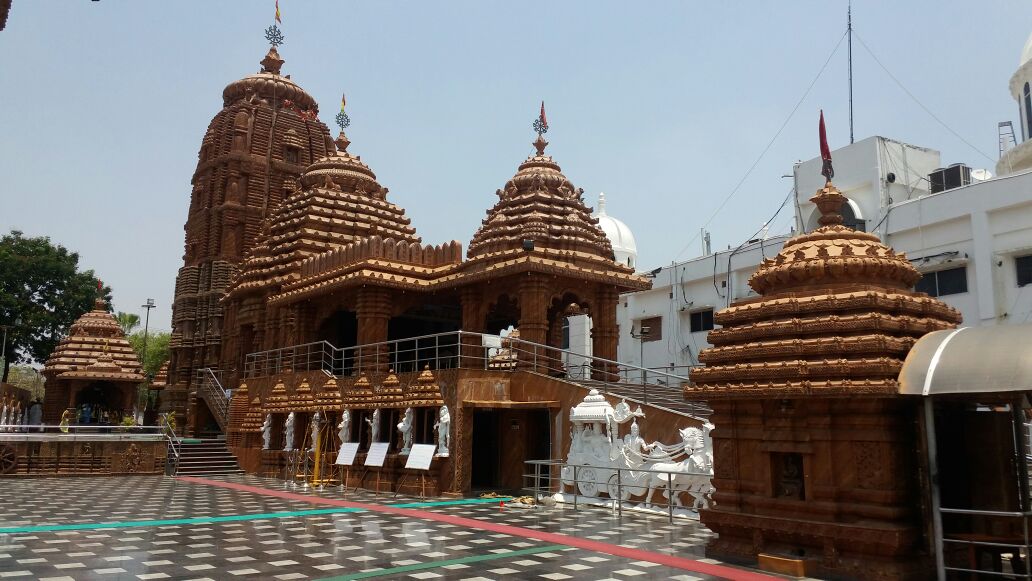
Legends BeliefsKunda Satyanarayana Kaladhamam, a mythological museum created by Satyanarayana Kunda, was inaugurated in February 2009 by former Andhra Pradesh Governor Narayan Dutt Tiwari. Spanning a 3 km pathway, it features over 3,000 statues and exhibits one of the four main categories: Temples of India, Indian Epics, Puranas, and Saptalokas. Key highlights of Kunda Satyanarayana Kaladhamam: The Temples of India:Features life-sized replicas of 100+ famous Indian temples, including the Golden Temple (Amritsar), Ramanathaswamy Temple (Rameswaram), Jagannath Temple (Puri), Kedarnath, Somnath (Gujarat), Tirupati, Guruvayur Shri Krishna Temple, among many others. Epics of India:Exhibits important scenes from Indian epics such as the Ramayana, Mahabharata, Bhagavata, and Buddha Charita, depicted through detailed statues and sculptures. The Puranas:Major events from the Hindu Puranas, such as the Ksheera Sagara Madhan, Gajendra Moksham, and Kurukshetra War, are showcased as sculptures and murals inside the museum. The Saptalokas:The seven celestial realms of Hindu mythology are artistically recreated through intricate sculptures and carvings, each crafted based on descriptions from ancient texts. Exhibit Format:Displays both open-air and indoor, depending on the size and nature of each mythological scene.
-
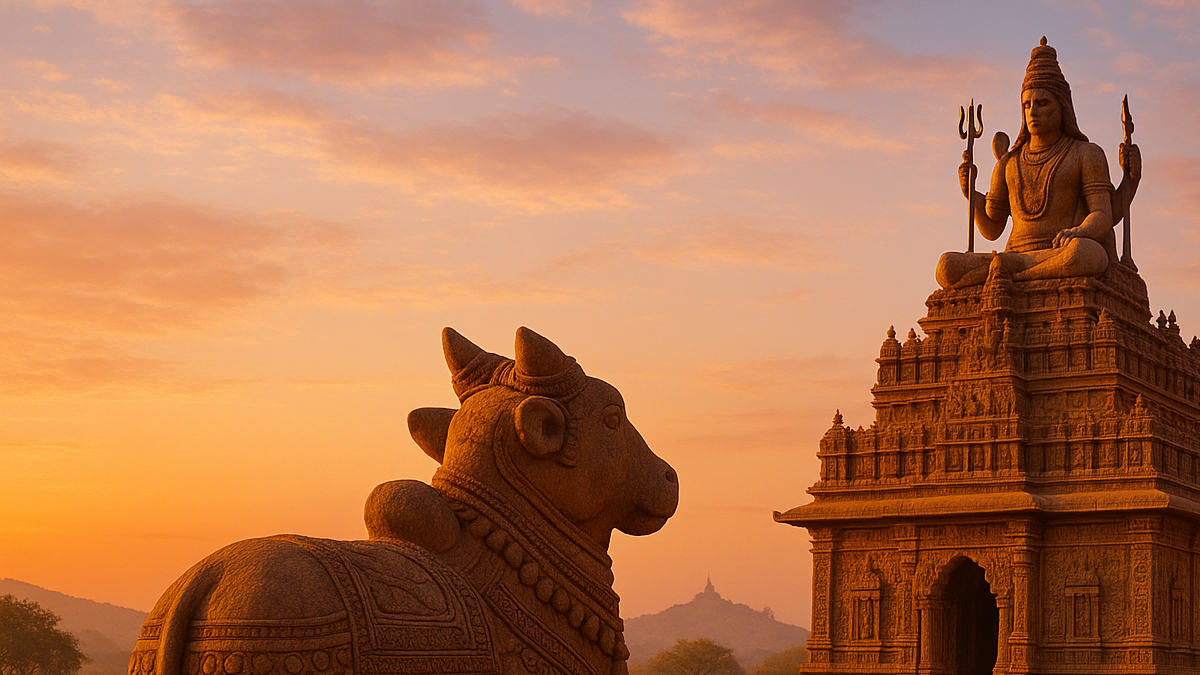
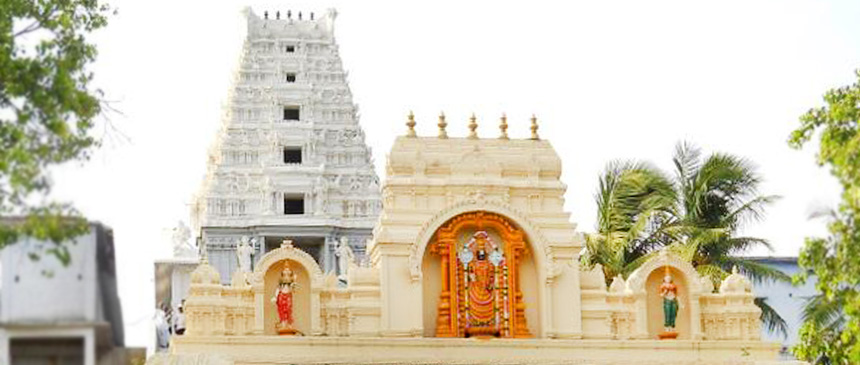
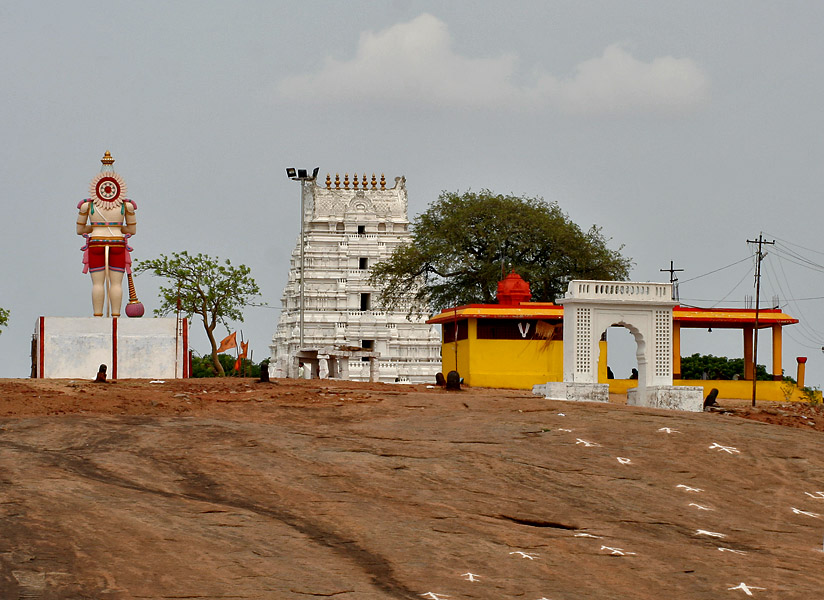
Deities and Sub DeitiesAt the entrance of Surendrapuri stands its oldest protector, a 60-foot tall, double-sided statue featuring Panchamukha (five-faced) Lord Hanuman on one side and Lord Shiva on the other. The main deity at Surendrapuri is Panchamukha Hanuman, depicted through a 16-foot idol carved from black stone. The temple complex also houses a Mahashivalinga of Panchamukha Parameswara, resembling the one at Nepal’s Pasupatinath Temple. Devotees can additionally seek blessings from Lord Venkateswara and Goddess Lakshmi. The temple also has Navagraha Temples, each dedicated to a specific Navagraha deity and their consorts, with a separate shrine for each. Situated on Nagadri Hill, a 101-foot Shivalinga is surrounded by the giant serpent, Kaalasarpa. The Nagakoti, which contains 10 million small Shivalingas made from anthill mud, is worshipped by devotees seeking salvation from the harmful effects of Naga Dosha, Kuja Dosha, and Kaalasarpa Dosha.
-
OfferingsDevotees perform prayers and rituals for the Navagraha deities.The Nagakoti idol, with its 10 million small Shivalingas, serves as a main point for offerings which removes any sort of astrological doshas like Sarpa, Rahu and Ketu dosha.
-
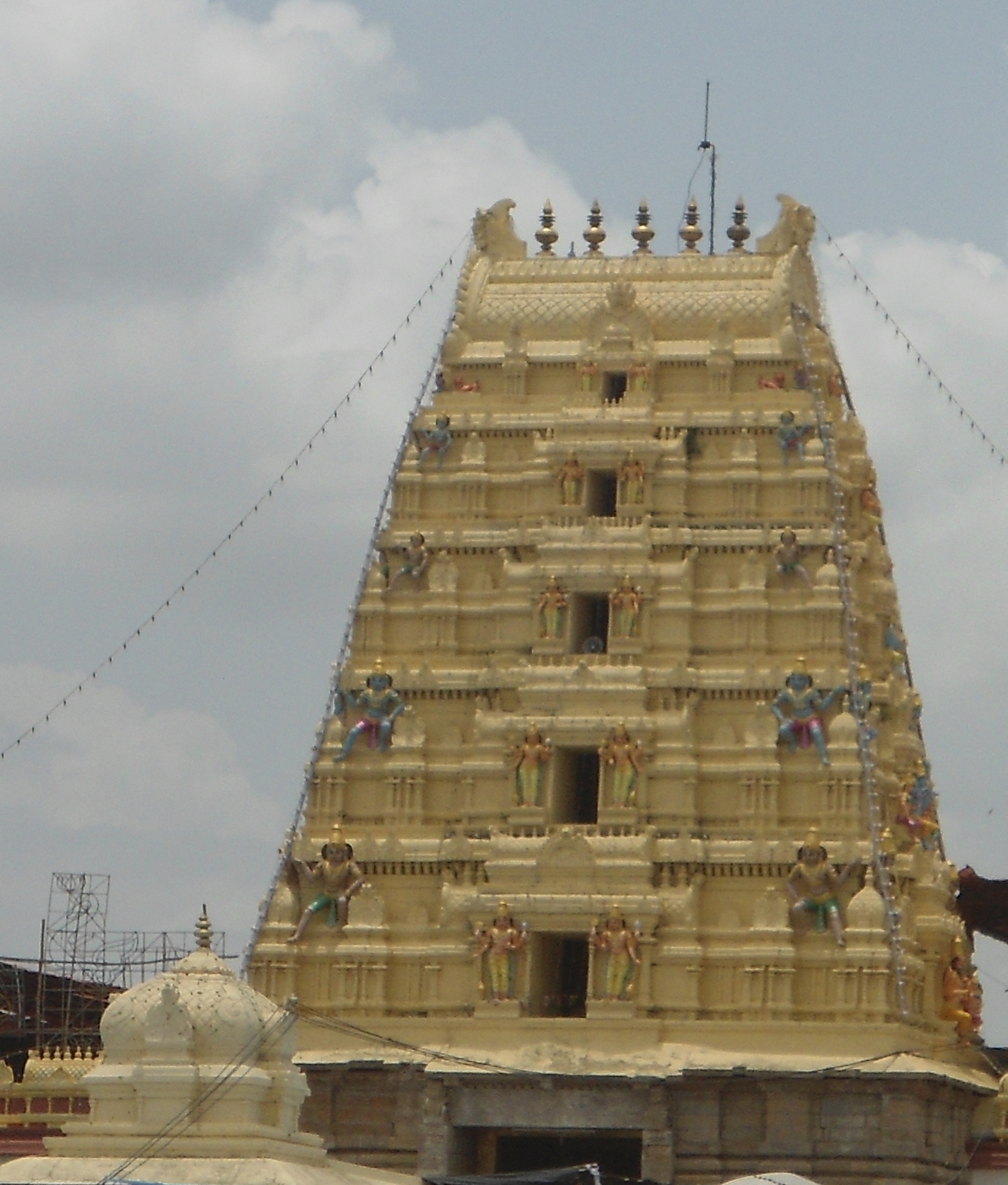
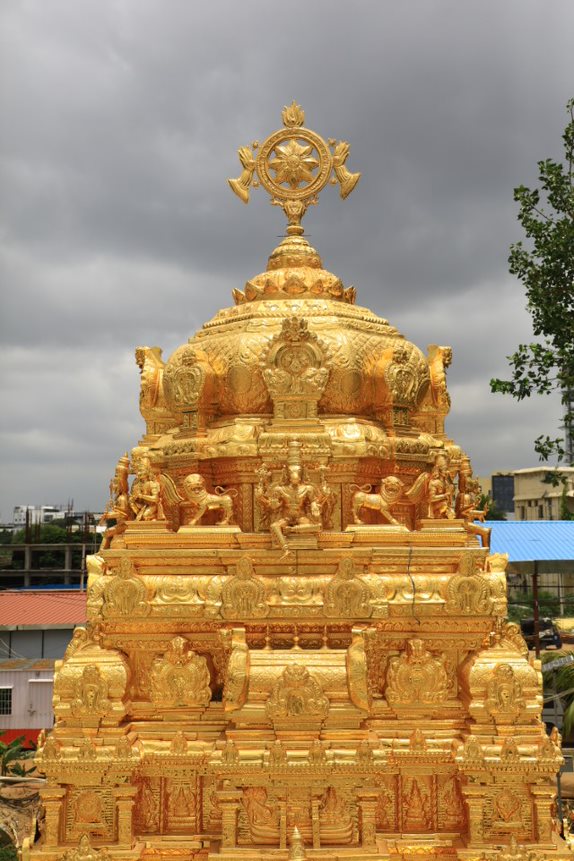
ArchitectureSurendrapuri’s Panchamukha Hanumadeeswara Devasthanam is connected to the Kanchi Kamakoti Peetham in Kanchipuram. The temple is built following Vaastushastra and Agamashastra guidelines. Its towers (Gopuras) combine both North and South Indian styles. Inside the main shrine, there is a 16-foot black stone idol of Panchamukha Hanuman, brought from Kanchi. Devotees can also see the Mahashivalinga of Panchamukha Parameswara, similar to the one at the Pasupatinath Temple in Nepal, and receive blessings from Lord Venkateswara and Goddess Lakshmi.
-
FestivalsSurendrapuri hosts a variety of Hindu festivals, drawing devotees from all around the region. These celebrations include rituals and ceremonies in honor of the deities. The lively atmosphere during these festivals enriches the spiritual experience for visitors.
-
Religious PracticesReligious activities at Surendrapuri involve daily rituals and special ceremonies. Devotees engage in darshan and offer prayers to the deities. The temple has peaceful environment for meditation which enhances spirituality, attracting visitors to get more divine blessings.
FAQ's
Where is the Surendrapuri located?
Which God is Panchamukha Hanuman?
What is the best time to visit Surendrapuri?
How to reach Surendrapuri from near City or Town?
In Telangana



-
 Sign in with Google
-
Block for 8 hours
-
Block for 12 hours
-
Block for 24 hours
-
Don't block


 Click it and Unblock the Notifications
Informed.
- Male
- Female
- Others
- Under 18
- 18 to 25
- 26 to 35
- 36 to 45
- 45 to 55
- 55+