


Sundararaja Perumal Temple, Sivaganga
Sivaganga, Tamil Nadu

Sundararaja Perumal Temple History and Significance
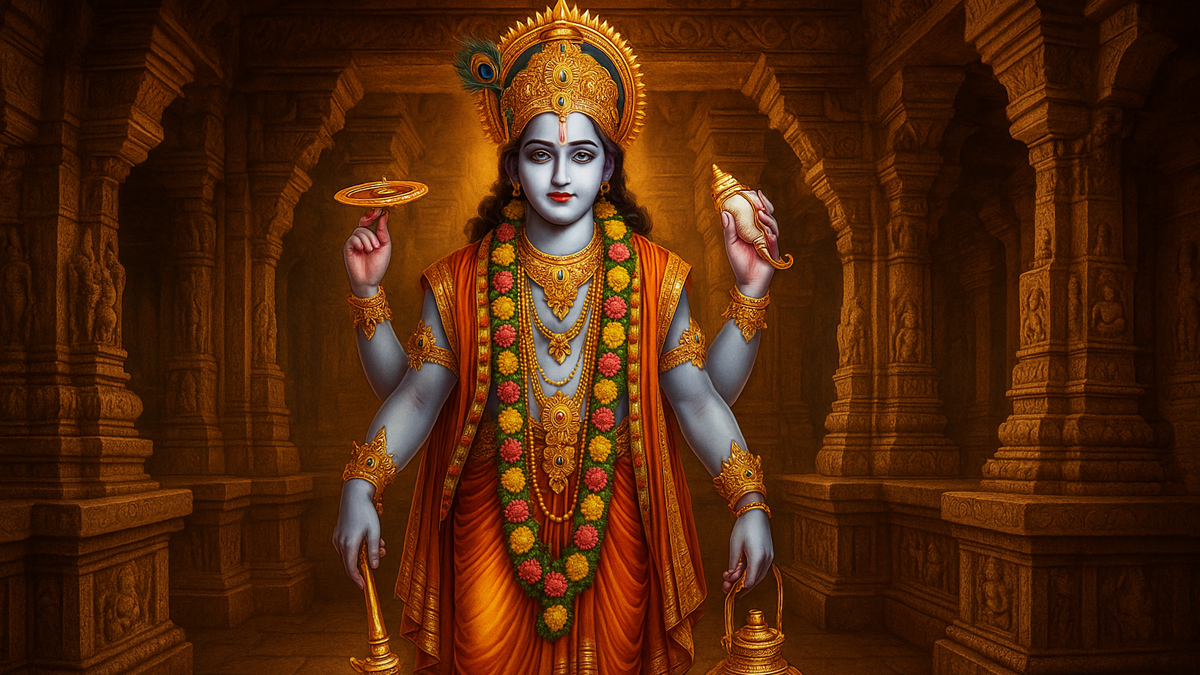
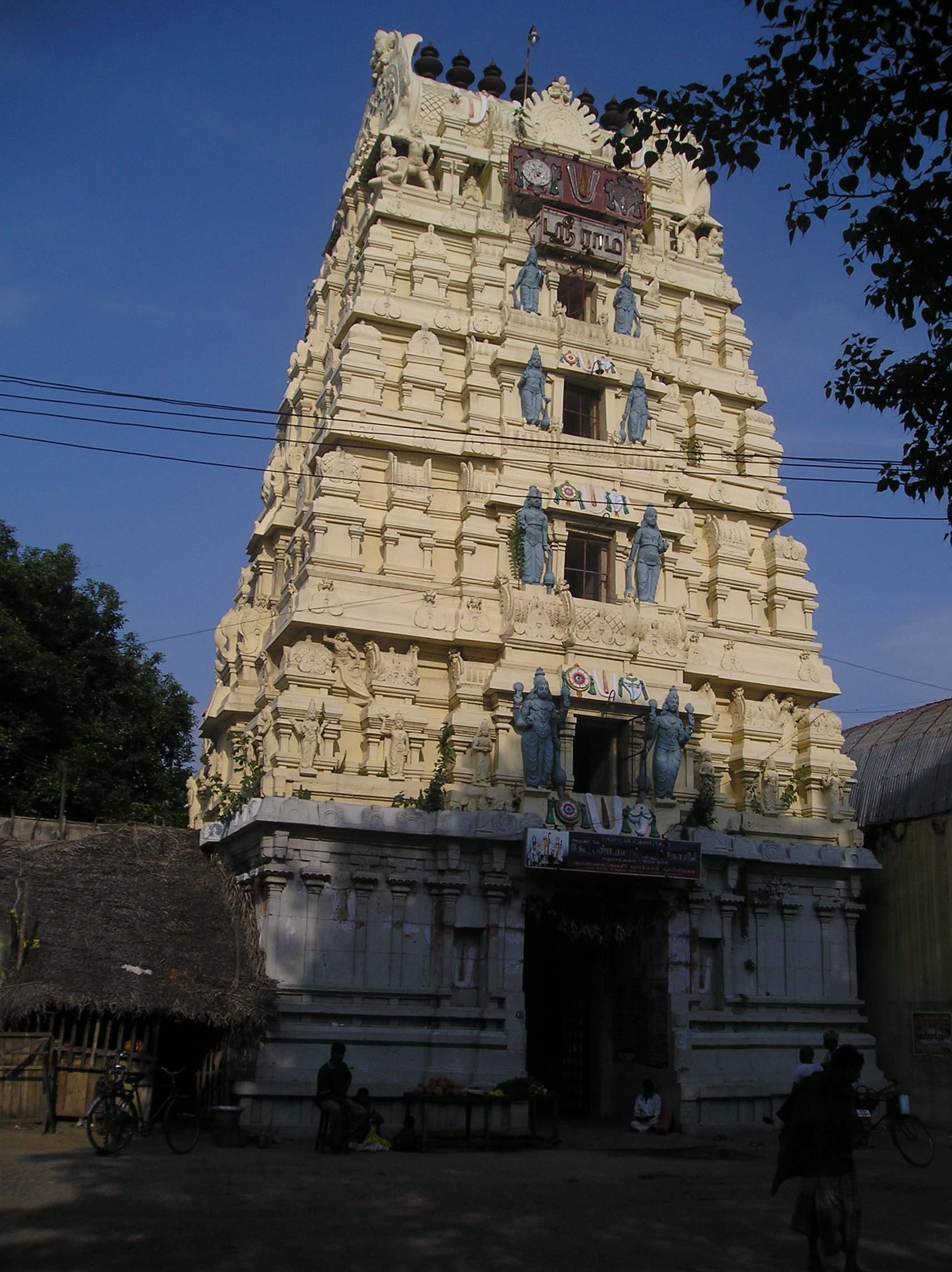
The Sundararaja Perumal Temple, also known as Thiruanbil Temple, is located in Anbil, a village near Tiruchirappalli in Tamil Nadu. The temple is dedicated to Vishnu and is built in the Dravidian style of architecture. It is one of the 108 Divya Desams, which are holy abodes of Vishnu.
The temple is believed to have been constructed by the Medieval Cholas in the late 8th century CE. Later, the Vijayanagara kings and Madurai Nayaks made contributions to the temple. Copper plate inscriptions from Anbil indicate generous contributions by the Chola kings.
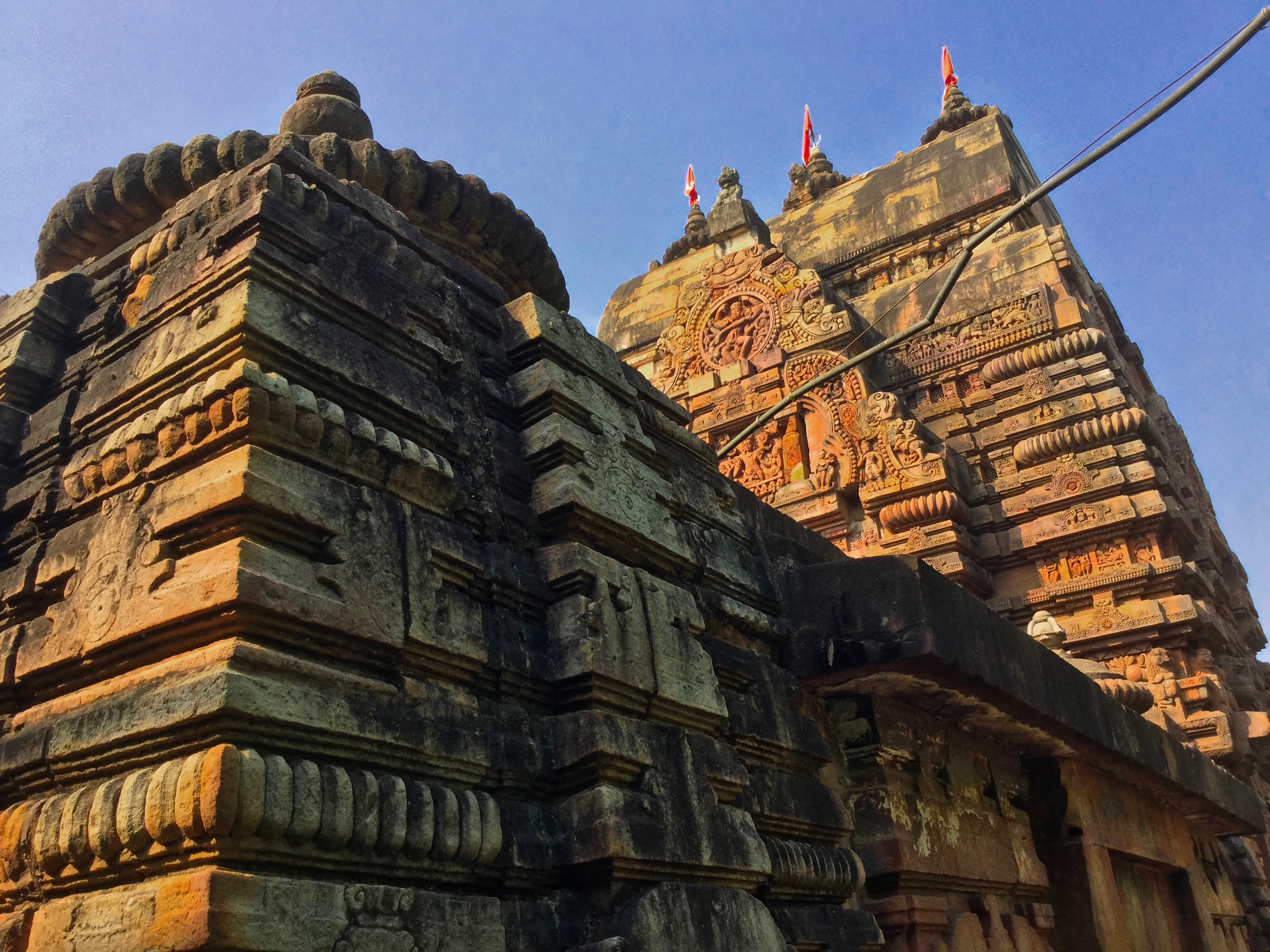
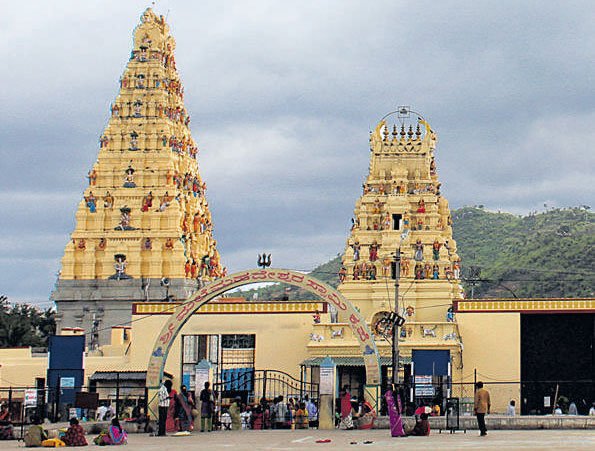
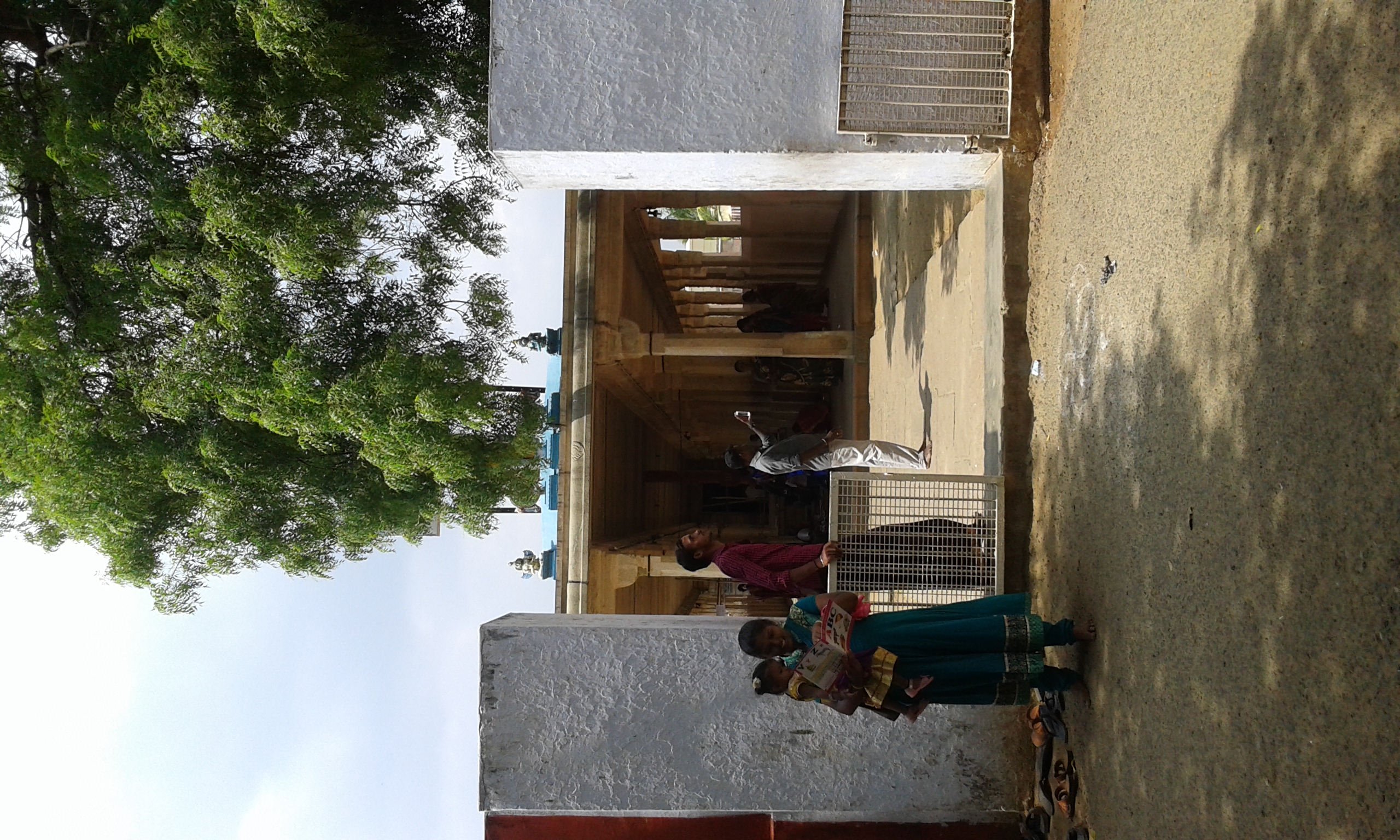
A granite wall surrounds the temple, enclosing all its shrines and bodies of water. The rajagopuram, the temple's gateway tower, is east-facing and has a 3-tier structure. The temple is located on the banks of the river Kollidam.
Sundararaja Perumal Temple Timing
Sundararaja Perumal Temple Location Details
How to Reach Sundararaja Perumal Temple
By Road:
By Train:
By Air:
Sivaganga is well-connected by road to major towns in Tamil Nadu. State Transport Buses and private taxis operate regularly.
Nearest railway stations: Sivaganga Railway Station and Madurai Junction. From these stations, buses or taxis are available to reach the temple in Sivaganga.
Nearest airport: Madurai Airport. From the airport, you can take a taxi or bus to Sivaganga via connecting cities.
Sundararaja Perumal Temple Nearby Temples


Sundararaja Perumal Temple Visitor Information & Tips
Best time to visit (season/months):
The best time to visit is between October and March when the weather is pleasant. Avoid the peak summer months (April to June) due to high temperatures.
Other Vishnu Temples


Sundararaja Perumal Temple Interesting Facts
-
Legends BeliefsLegends and BeliefsAccording to Hindu legend, sage Suthaba was doing penance under water at this place. Sage Durvasa, who was waiting for him, cursed Suthaba to become a frog for not noticing him. Suthaba continued his penance as a frog, and Vishnu appeared to him as Sundararajan to relieve him of the curse.Another legend states that Brahma, the god of creation, believed he was the most handsome individual. Vishnu cursed Brahma to be born as an earthly being. Brahma worshipped Vishnu for deliverance, and Vishnu appeared as a handsome young man. Vishnu revealed his true form and taught Brahma that physical appearance is temporary.
-
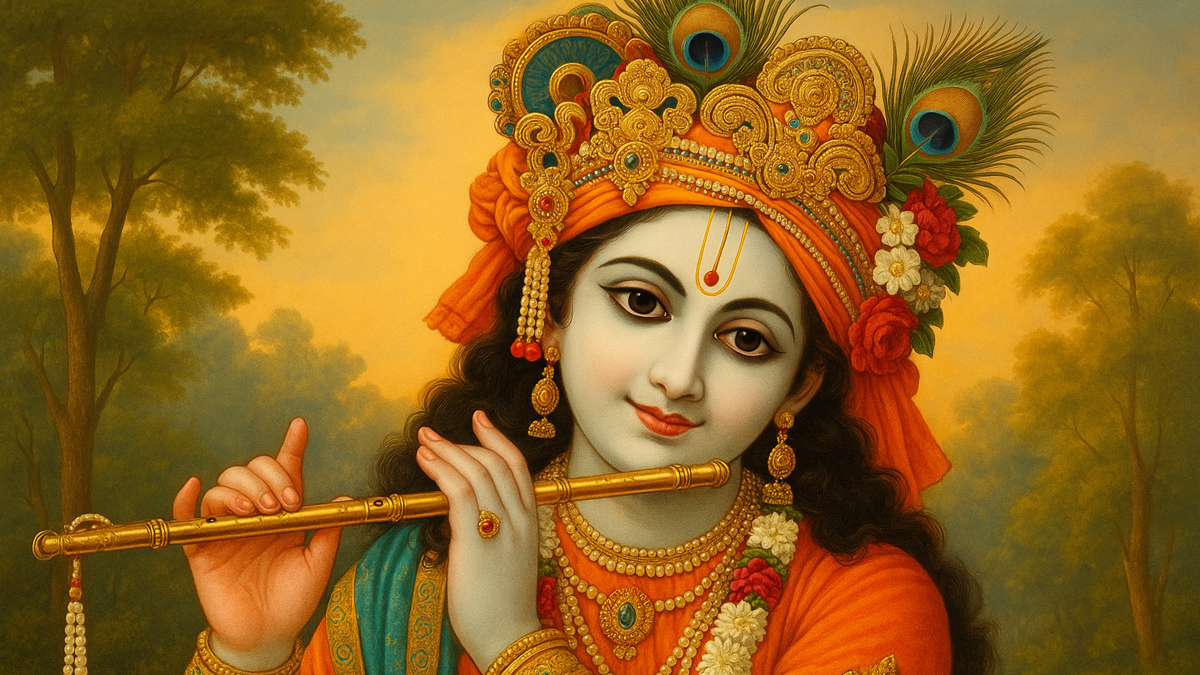
Deities and Sub DeitiesDeities and Sub-DeitiesThe main deity of the temple is Sundararaja Perumal, also known as Vadivazhagiya Nambi, a form of Vishnu. His consort, Sundaravalli Thayar, is a form of Lakshmi. The main shrine houses the image of Sundararaja Perumal in a reclining posture over Adisesha, his divine serpent.The sanctum also contains images of Sridevi (Lakshmi), Bhudevi, and Brahma. The precinct around the sanctum houses shrines for the twelve Alvars, Narasimha, Venugoplar, Lakshmi Narasimha, and Hanuman. There is also a shrine for Andal in the front hall of the sanctum.
-
OfferingsOfferingsDevotees offer various items to the deities, including flowers, fruits, and sweets. Special ablutions are performed for Andal, seeking blessings for marriage. The temple also implements the Annadhanam scheme, providing free food to devotees. Under this scheme, free food is offered to a hundred devotees every day, funded by contributions from devotees.
-
ArchitectureArchitectureThe temple is built in the Dravidian style of architecture. The main entrance faces the east and has a 3-tiered rajagopuram, the gateway tower. The main shrine has the image of Sundararaja Perumal in a reclining posture over Adisesha. The roof over the sanctum is in the form of a gopuram, a feature usually seen in gateway towers.The precinct around the sanctum houses shrines for various deities, including the twelve Alvars, Narasimha, Venugoplar, Lakshmi Narasimha, and Hanuman. The front hall of the sanctum has a shrine for Andal in a standing posture, with her bronze image in a seated posture.
-
FestivalsFestivalsThe temple celebrates several festivals throughout the year. The Tirthavari festival, celebrated during the Tamil month of Maasi (February–March), is the most prominent. Vaikuntha Ekadashi, celebrated during the Tamil month of Margazhi (December–January), is another major festival.During these festivals, special rituals and processions are conducted. The temple priests perform the pooja (rituals) six times a day, including alangaram (decoration), naivedyam (food offering), and dipa aradhanai (waving of lamps).
-
Religious PracticesReligious PracticesThe temple priests perform the pooja (rituals) during festivals and on a daily basis. The priests belong to the Vaishnavaite community, a Brahmin sub-caste. The temple rituals are performed six times a day: Ushat-kalam at 7 a.m., Kalashanti at 8 a.m., Ucchi-kalam at 12 p.m., Sayarakshai at 6 p.m., Irandam kalam at 7 p.m., and Ardha Jamam at 8 p.m.Each ritual has three steps: alangaram (decoration), naivedyam (food offering), and dipa aradhanai (waving of lamps) for both Sundararajan and Sundaravalli. During the last step of worship, nadasvaram (pipe instrument) and tavil (percussion instrument) are played, religious instructions in the Vedas are recited by priests, and worshippers prostrate themselves in front of the temple mast.
FAQ's
Where is the Sundararaja Perumal Temple located?
Which God is Arulmigu Sundararaja Perumal?
What is the best time to visit Sundararaja Perumal Temple?
How to reach Sundararaja Perumal Temple from near City or Town?
In Tamil Nadu
-
 Sign in with Google
-
Block for 8 hours
-
Block for 12 hours
-
Block for 24 hours
-
Don't block


 Click it and Unblock the Notifications
Informed.
- Male
- Female
- Others
- Under 18
- 18 to 25
- 26 to 35
- 36 to 45
- 45 to 55
- 55+