


Srikanteshwara Temple, Nanjanagudu
Nanjanagudu, Karnataka
Nanjangudu Sri Nanjundeshwaraswamy

Srikanteshwara Temple History and Significance
Nanjundeshwara Temple, also known as Srikanteshwara Temple, is an ancient temple dedicated to Lord Shiva. It is located in Nanjangud, Karnataka, on the right bank of the Kabini River. The temple is mentioned as Sri Garalapuri in the Shiva Purana, highlighting its significance as a holy place in southern India.
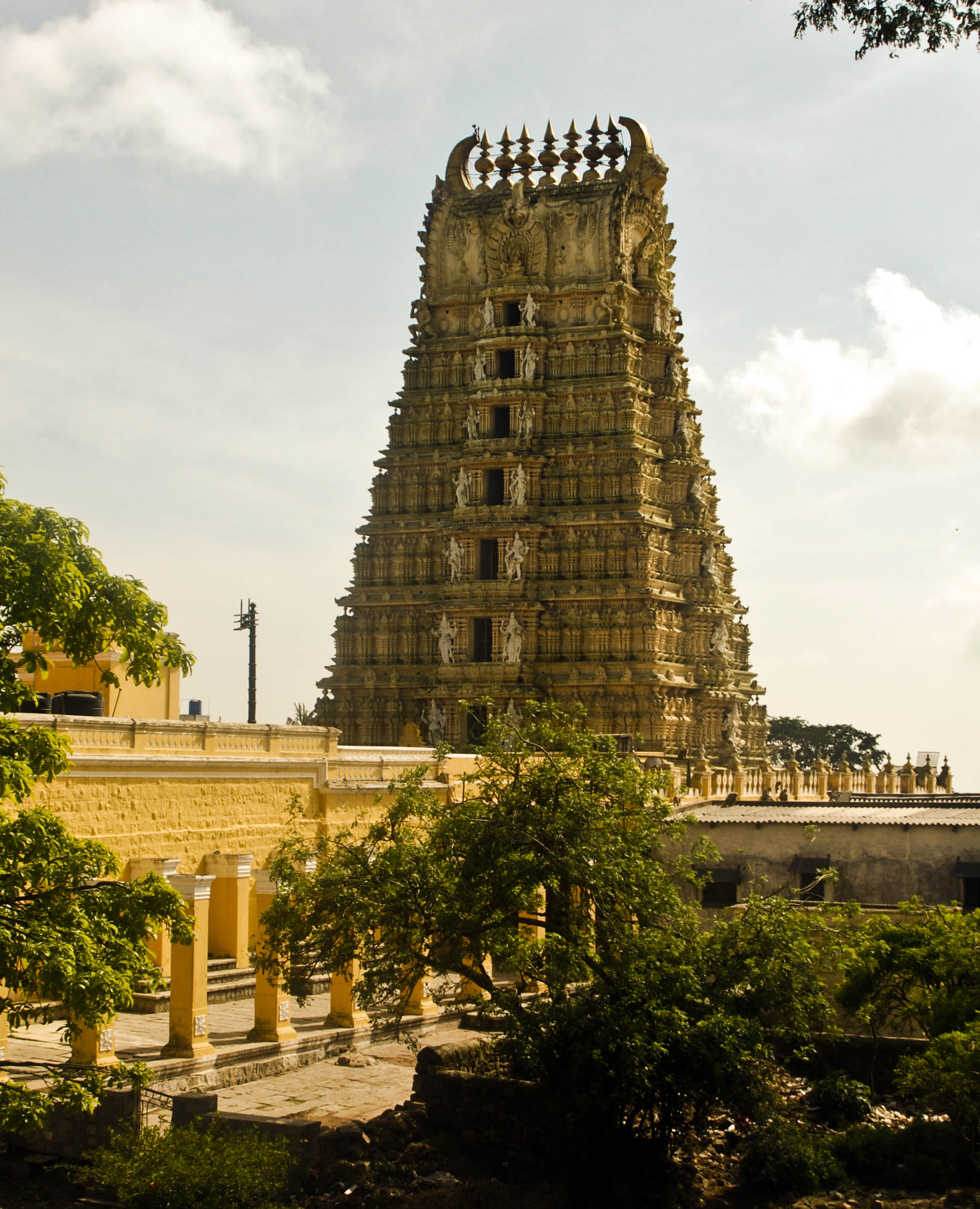
The temple's origins trace back to the Ganga dynasty, with significant contributions from the Cholas, Hoysalas, and the Wodeyars of Mysore. The Wodeyars are credited with building the impressive gopuram and several mandapas, enhancing the temple's grandeur.
During the reign of Tipu Sultan, the temple gained prominence as a center for healing. Tipu Sultan gifted a golden cup to the temple after being cured of an illness through the deity's blessings. The name 'Nanjundeshwara' means 'the healer,' derived from Lord Shiva's act of consuming poison during the Samudra Manthana.
Table of Contents
- Srikanteshwara Temple Opening Time
- Srikanteshwara Temple Pooja Timing
- Srikanteshwara Temple Information Facilities and Accommodation
- Srikanteshwara Temple Transportation and Accessibility
- Srikanteshwara Temple Interesting Facts
- Srikanteshwara Temple Nearby Temples
- Other Shiva Temples
- Famous Temples from around
Srikanteshwara Temple Opening Time
| Day | Timings |
|---|---|
| Monday | 5:00 AM – 8:00 PM |
| Tuesday | 5:00 AM – 8:00 PM |
| Wednesday | 5:00 AM – 8:00 PM |
| Thursday | 5:00 AM – 8:00 PM |
| Friday | 5:00 AM – 8:00 PM |
| Saturday | 5:00 AM – 8:00 PM |
| Sunday | 5:00 AM – 8:00 PM |
Srikanteshwara Temple Pooja Timing
| Pooja Name | Timings |
|---|---|
| Ushakala Pooja | 6:00 AM |
| Madhyahna Pooja | 12:00 PM |
| Pradosha Pooja | 6:30 PM |
| Ekantha Seva | 9:00 PM |
Srikanteshwara Temple Location Details
How to Reach Srikanteshwara Temple
By Road:
By Train:
By Air:
Nanjangud is well-connected by road to major towns in Karnataka. State Transport Buses and private taxis operate regularly from cities like Mysore, Bangalore, and Chamarajanagar.
Nearest railway stations: Nanjangud Town Railway Station (2 km) and Mysore Junction (23 km). From these stations, buses or taxis are available to Nanjangud.
Nearest airport: Mysore Airport (approximately 25 km away). From the airport, you can take a taxi or bus to Nanjangud via Mysore.
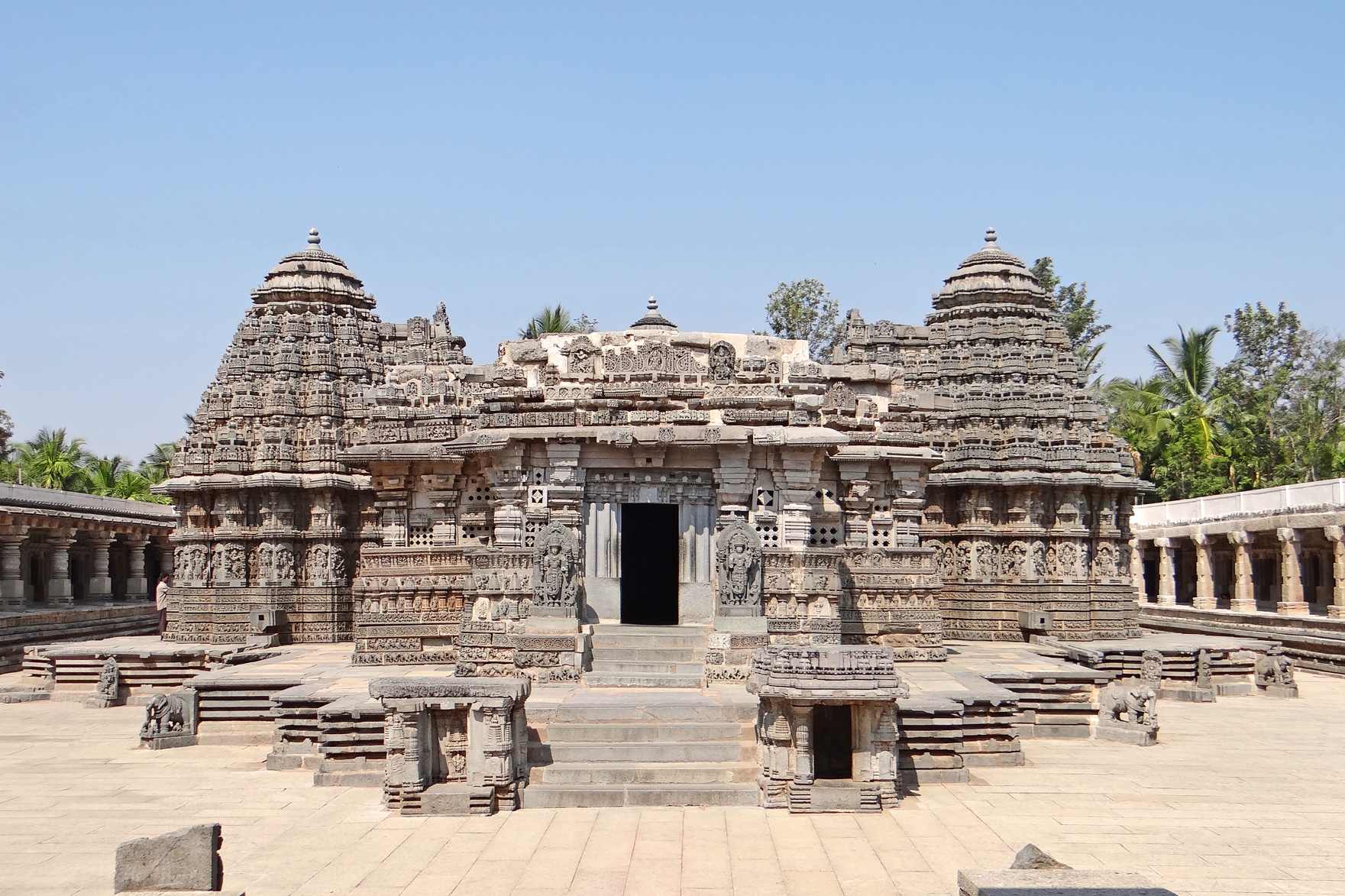
Srikanteshwara Temple Nearby Temples

Srikanteshwara Temple Visitor Information & Tips
Best time to visit (season/months):
October to March is the best time to visit. Avoid the monsoon season (June to September) due to heavy rainfall. Summers can be hot, so plan accordingly.
Temple Facility
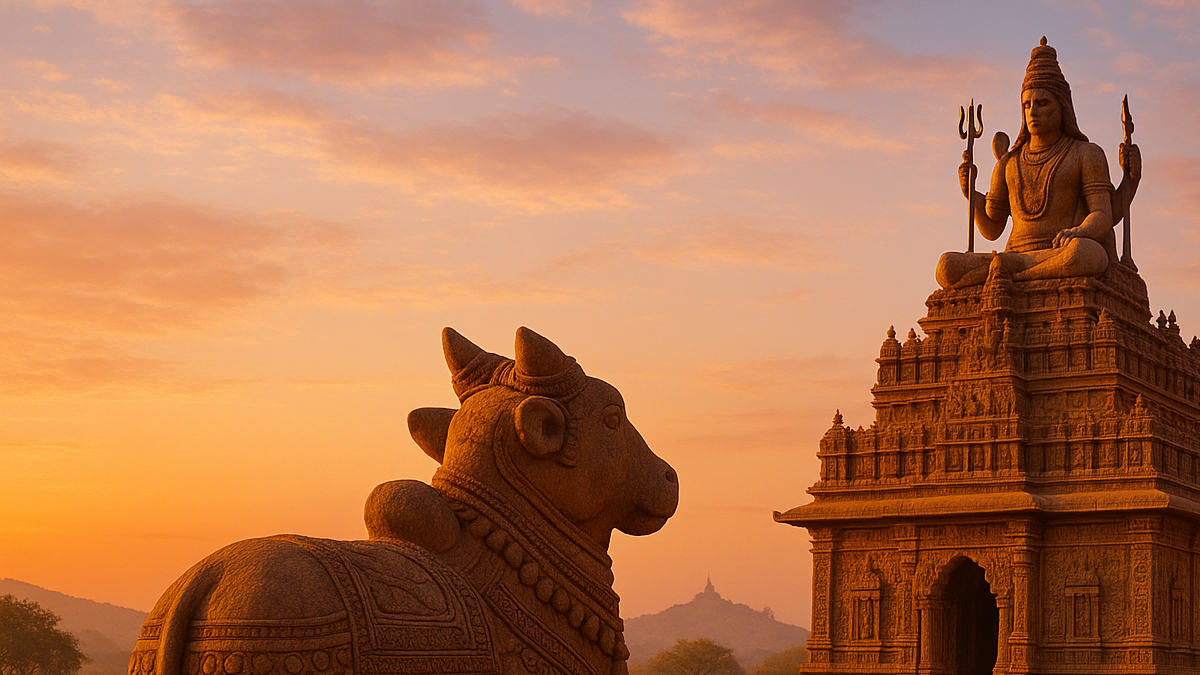
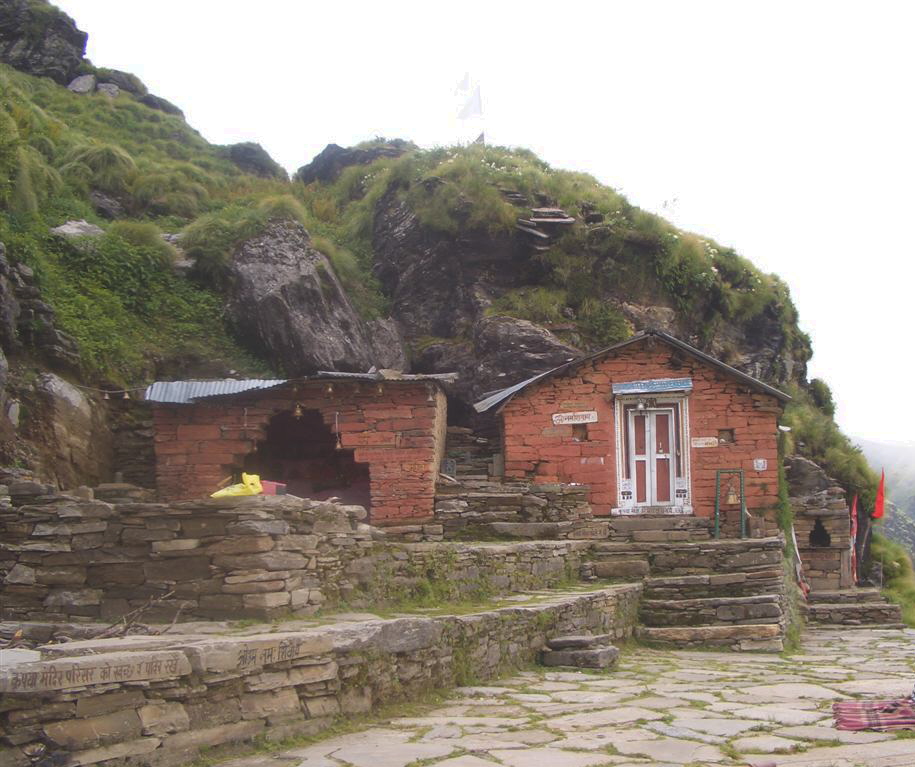
Other Shiva Temples

Srikanteshwara Temple Information Facilities and Accommodation
Srikanteshwara Temple Interesting Facts
-
Legends BeliefsLegends and BeliefsThe temple is associated with several legends. One such legend involves the demon Keshi, who obtained a boon from Brahma and Vishnu, making him invincible. Shiva appeared in Garalapuri and killed Keshi, assuring that his divine presence would always remain there, making it a 'papa vinashini' or remover of sins.Sage Parashuram, seeking to atone for his sins, prayed to Sri Nanjundeshwara Swamy. Shiva appeared and advised him to build a mantapa and perform pooja to the Shivlinga. Parashuram was eventually relieved of his sins and blessed with immortality.Another legend involves Goddess Parvati, who visited the holy place. When a gemstone bead fell from her crown into the Kabini River, Shiva declared the place would have her presence and blessings, naming it Dakshina Manikarnika Ghat.
-
Deities and Sub DeitiesDeities and Sub-DeitiesThe main deity of the temple is Nanjundeshwara Swami, a form of Lord Shiva. The temple complex also houses various other deities and sculptures, including those of Goddess Parvati and other Hindu gods and goddesses, reflecting the rich cultural and religious heritage of the region.
-
OfferingsOfferingsDevotees offer various rituals and prayers to seek blessings from Lord Nanjundeshwara. The temple is known for its healing powers, and many devotees visit to perform specific rituals for health and well-being. Offerings include traditional poojas and other religious ceremonies.
-
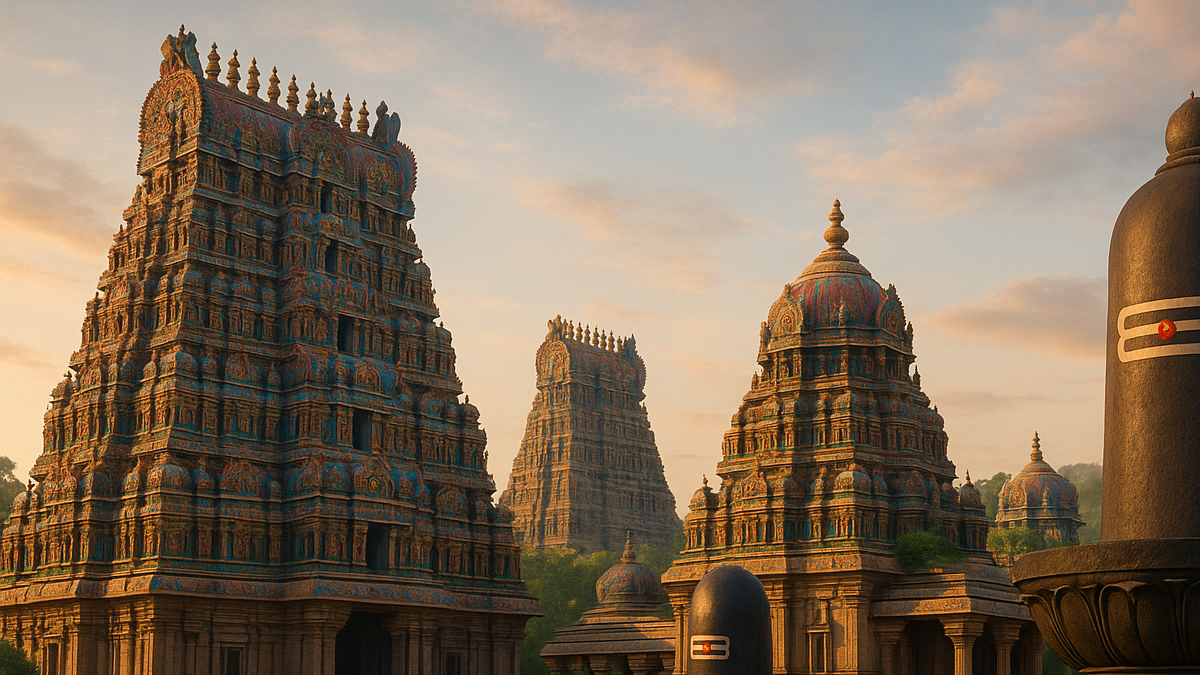
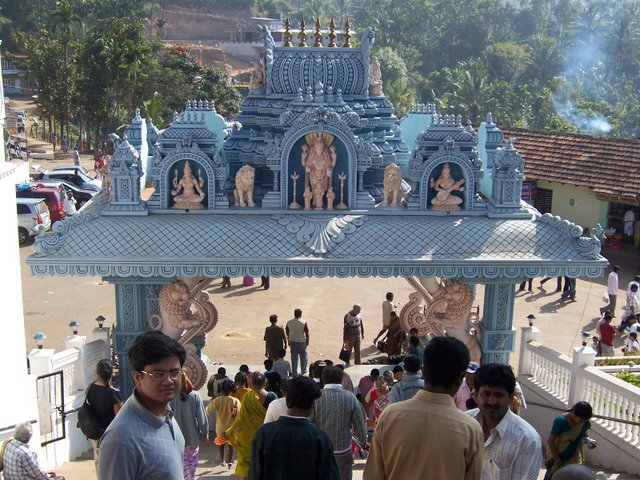
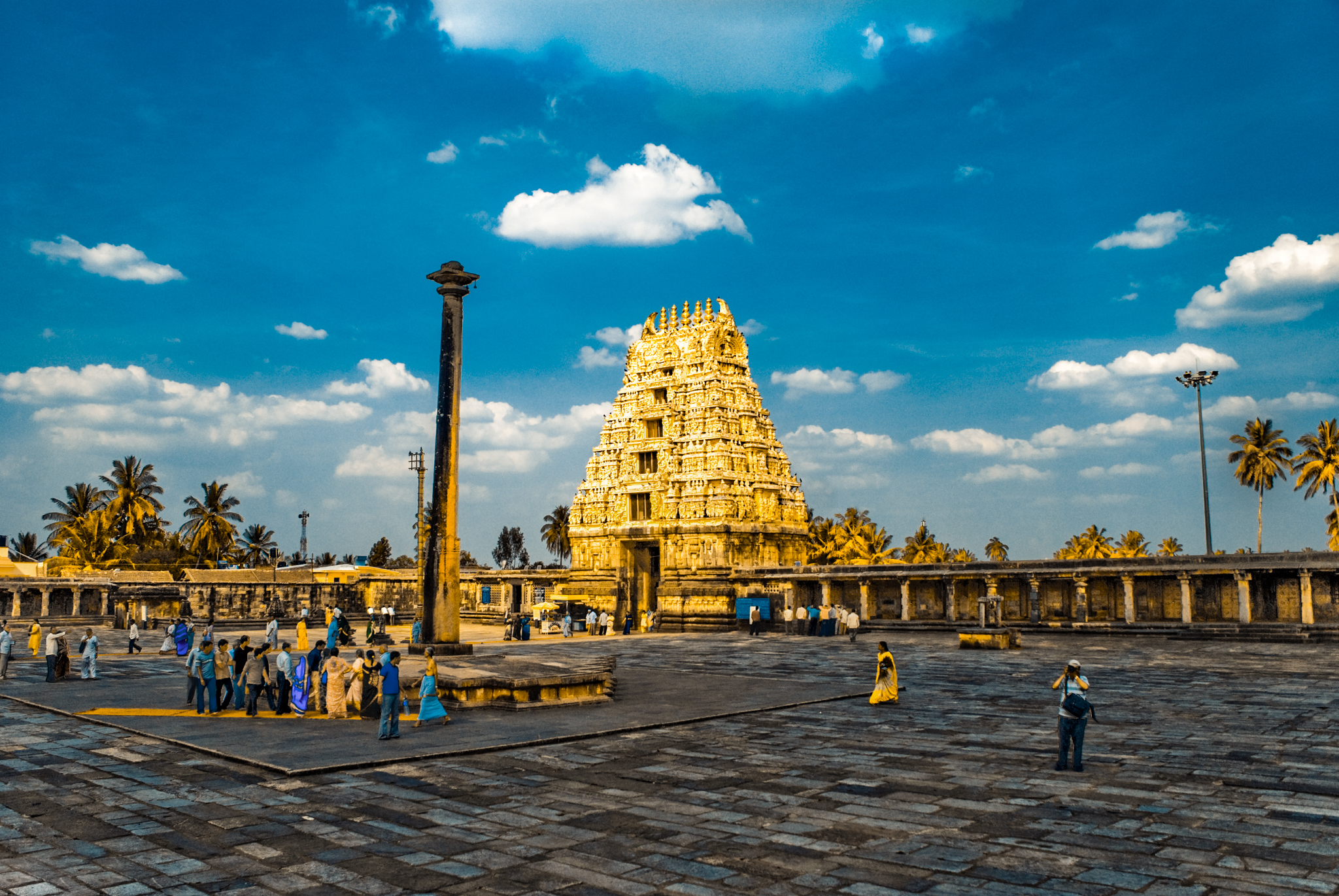
ArchitectureArchitectureThe temple features a nine-storied, 120-foot-tall gopuram, built by Devarajammanni, the queen of Mysore king Krishnaraja Wadiyar III. The temple's architecture showcases intricate carvings, pillared mantapas, and decorative elements, reflecting the artistic styles of the Cholas, Hoysalas, and Wodeyars.
-
FestivalsFestivalsThe temple hosts the Dodda Jaathre festival, attracting thousands of devotees. The festival includes five colourful chariots pulled by devotees along a path called the ratha beedi. The festivities are marked by traditional fervour and devotion, celebrating the temple's cultural and religious significance.
-
Religious PracticesReligious PracticesThe temple is a centre for various religious practices and rituals. Devotees engage in poojas, offerings, and prayers to seek blessings from Lord Nanjundeshwara. The temple's spiritual atmosphere and historical significance make it a revered pilgrimage site for Hindus.
FAQ's
Where is the Srikanteshwara Temple located?
Which God is Srikanteshwaraswamy?
What is the best time to visit Srikanteshwara Temple?
Why is Srikanteshwara Temple famous among tourists and devotees?
How to reach Srikanteshwara Temple from near City or Town?
In Karnataka




Vishnu Temples
Near By Temples
-
 Sign in with Google
-
Block for 8 hours
-
Block for 12 hours
-
Block for 24 hours
-
Don't block


 Click it and Unblock the Notifications
Informed.
- Male
- Female
- Others
- Under 18
- 18 to 25
- 26 to 35
- 36 to 45
- 45 to 55
- 55+