


Sita Ramachandraswamy Temple, Bhadrachalam
Bhadrachalam, Telangana

Sita Ramachandraswamy Temple History and Significance
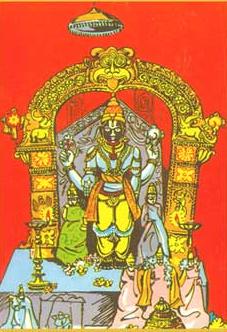
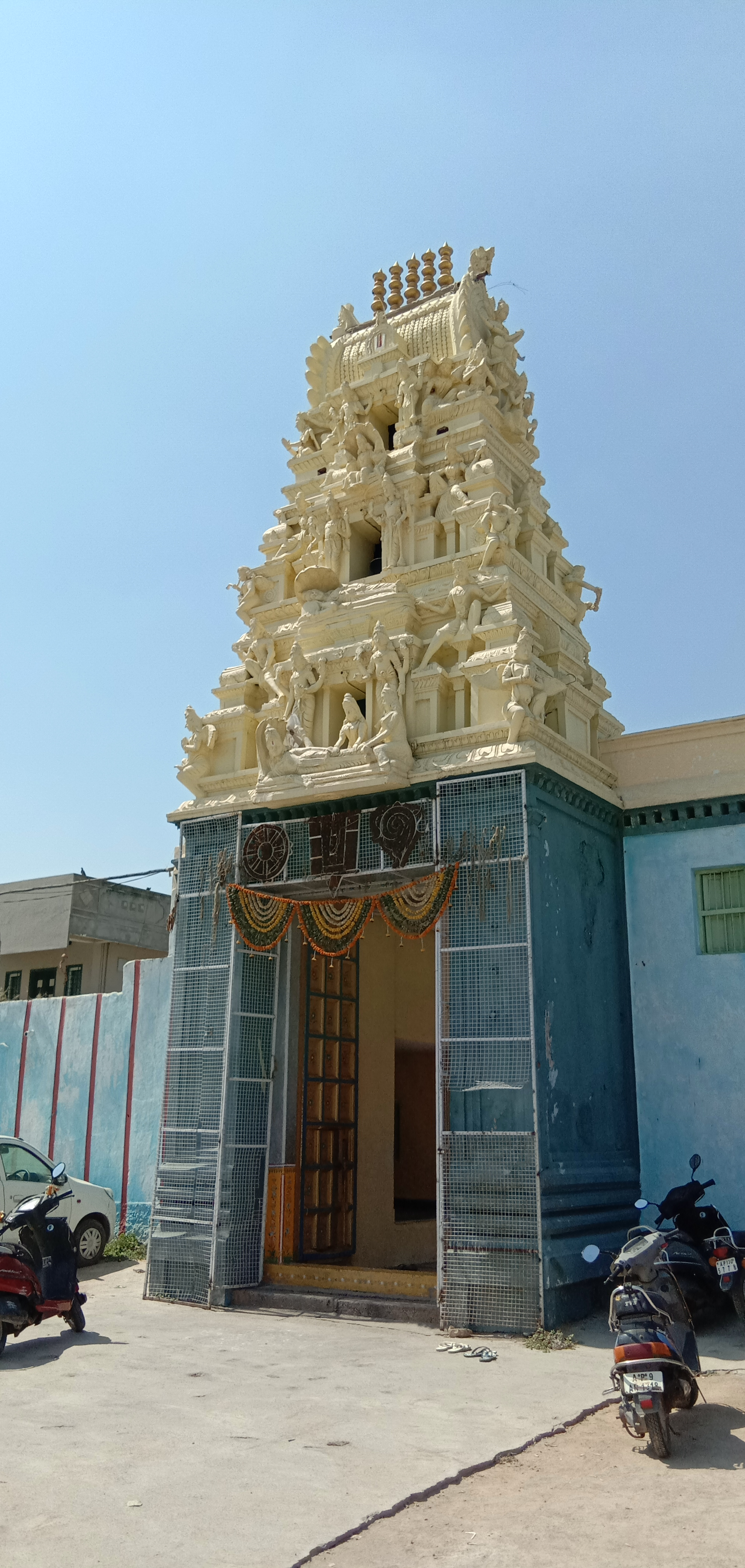
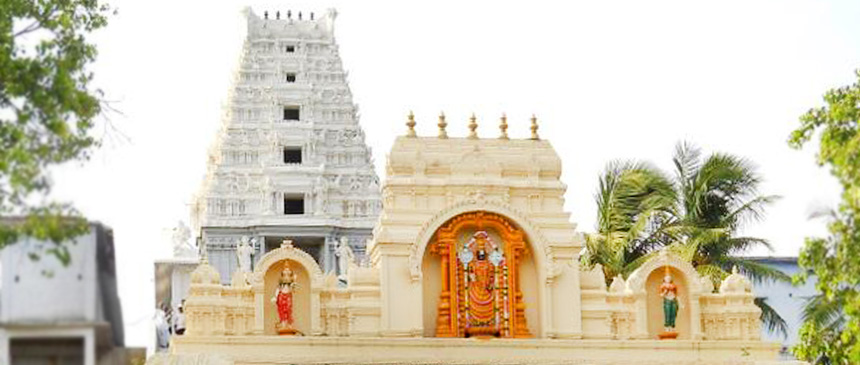
The Sri Sita Ramachandraswamy Temple, located on the banks of the Godavari River in Bhadrachalam, Telangana, is a major Hindu shrine dedicated to Rama, an avatar of Vishnu. Also known as Bhadragiri or Bhadradri, is known as Dakshina Ayodhya and one of the Divya Kshetrams of the Godavari region. The main icon depicts the four-armed Vaikuntha Rama along with Sita and Lakshmana. The temple’s history is closely tied to the 17th-century saint Kancherla Gopanna (Bhadrachala Ramadasu), who is believed to have built or restored it.
Gopanna, born in Nelakondapalli, Telangana, became the tehsildar of Bhadrachalam with the help of his uncle, an official in the Golconda Sultanate. As per Sultan Abul Hasan Qutb Shah’s orders, he enforced the Jaziya tax on Hindus, facing strong criticism. Distressed, he used part of the collected taxes to build or restore the Sita Ramachandraswamy temple.The temple was completed in the latter half of the 17th century at a cost of nearly six lakh varahas. Gopanna used the collected taxes to repair the temple for Rama and tried to recover the amount through donations
Accused of misusing state funds, Gopanna was imprisoned with a twelve-year deadline to repay the amount.On the final day,Rama himself with Lakshmana appeared in the Sultan’s dream and repaid the full sum in Rama madas (gold coins bearing Rama’s image). Upon waking and finding the gold coins in real, the Sultan released Gopanna.He later continued his devotional work at the temple.
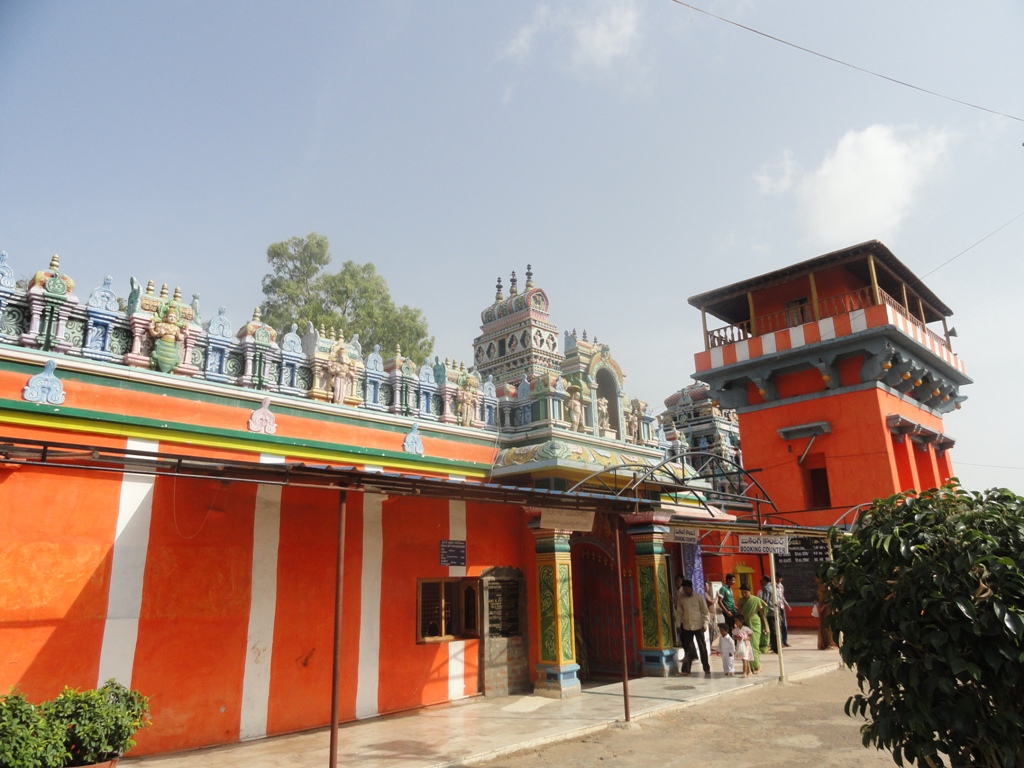
Bhadrachalam follows the Pancharatra Agama tradition, with its worship followed same as per the Ranganathaswamy temple in Srirangam. The temple features four entrances, with the northern Rajagopuram known as Vaikuntha Dwaram. It also houses several sub-shrines and mandapams. Gopanna made Bhadrachalam a center for the Bhajan tradition, spreading Vaishnavite devotion.
Sita Ramachandraswamy Temple Pooja Timing
| Pooja Name | Timings |
|---|---|
| Suprabhata Seva | 4:30 AM - 5:00 AM |
| Abhishekam | 6:00 AM - 7:00 AM |
| Archana | 8:00 AM - 9:00 AM |
| Evening Harathi | 6:30 PM - 7:30 PM |
Sita Ramachandraswamy Temple Location Details
How to Reach Sita Ramachandraswamy Temple
By Road:
By Train:
By Air:
Bhadrachalam is well-connected by road to major towns in Telangana. State Transport Buses and private taxis operate regularly from cities like Hyderabad, Khammam, and Vijayawada.
Nearest railway stations: Bhadrachalam Road Railway Station (Kothagudem) is about 40 km away. From this station, buses or taxis are available to Bhadrachalam.
Nearest airport: Rajahmundry Airport (approximately 185 km away). From the airport, you can take a taxi or bus to Bhadrachalam via connecting cities like Rajahmundry or Khammam.
Sita Ramachandraswamy Temple Visitor Information & Tips
Best time to visit (season/months):
October to March is the best time to visit. Avoid the monsoon season (June to September) due to heavy rainfall that may disrupt travel plans. Summers can be quite hot, so winter months are ideal for a pleasant experience.
Sita Ramachandraswamy Temple Interesting Facts
-
Legends BeliefsThe temple is linked to a Ramayana legend about Bhadra. During Rama’s exile in the Treta Yuga, a stone blessed by Rama turned into Bhadra, the son of Mount Meru. Devoted to Rama, Bhadra chanted the Rama Taraka mantra which was initiated(upadesha) by Narada to Bhadra on the banks of the Godavari River. Rama had promised to return after rescuing Sita but could not fulfill it during his lifetime.Later, Vishnu, pleased with Bhadra’s devotion, appeared before him in Rama’s form but with four celestial arms instead of two, holding a Sudarshana Chakra and Shankha in upper hands, bow, and arrow in his lower hands. Sita sat on his left thigh, Lakshmana to his left side, facing west towards the Godavari. Another story refers to the temple’s central icon to Pokala Dhammakka, a tribal woman and believed descendant of Sabari. According to the story, Dhammakka learned in a dream that Rama’s idol was hidden in an anthill near Bhadrareddypalem. She dissolved the anthill with Godavari water, discovered the deities, and with the villagers’ help, built a mandapam and began worshipping them.
-
Deities and Sub DeitiesThe Bhadrachalam temple is divided into three sections: Bhadra’s shrine (head), the main sanctum (heart), and the Rajagopuram (feet). Rama’s footprints are marked on a rock in Bhadra’s shrine. The temple has four entrances, with 50 steps leading to the main one, and the Vaikuntha Dwaram built in 1974 for better crowd management. The temple has four entrances, with 50 steps leading to the main one. In 1974, the Vaikuntha Dwaram was built to manage the growing number of devotees. Opposite the sanctum is a gold-plated dwajasthambam (flag post) made of panchaloha, featuring carvings of Garuda. Above the sanctum is the vimana topped with a Sudarshana Chakra and a miniature of the deity, both linked to Gopanna, who retrieved the Chakra from the Godavari River. Special ticket holders enter from the left, while others queue directly to the sanctum. The main icon is considered Swayambhu (self-manifested), showing Rama in padmasana posture, with Sita on his lap and Lakshmana standing beside him. Rama holds a conch, discus, bow, and arrow. On a taller hill, Gopanna consecrated a shrine for Ranganatha (reclining Vishnu), facing south, with a nearby shrine for his consort Lakshmi Thayar. These additions reflect the Srirangam temple tradition. Other sub-deities include two Hanuman shrines (Abhayanjaneya at the river bank and Dasanjaneya in the Thiruveedhi), Govindaraja Swamy in the Rajaveedhi, and Yogananda-Narasimha near the river bank, whose icon is also considered Swayambhu. The temple complex houses the Rushya Mookham Exhibition Centre, displaying Rama mada coins, jewelry made by Gopanna, and other relics. Near the Lakshmi Thayar temple is the Nithyakalyana Mandapam for conducting Rama and Sita’s marriage festival. A Shiva temple (Ramalingeswaraswamy) stands on Ranganayakula Gutta. The Govindaswamy matham, where saints once lived, is located near the kalyana mandapam. The Mithila Stadium, built opposite the Vaikuntha Dwaram, and the Ambasatram at the southern end (where food is served to devotees), complete the complex.
-
OfferingsAt Bhadrachalam, devotees offer coconuts, fruits, flowers, jewelry, and silk clothes to the deities. Special pujas like Suprabhata Sahasranama Archana, Abhishekam, and Talambralu during Sri Rama Kalyanam are common. Many also donate for annadanam (free food service) or offer gold and silver replicas of body parts (kanuka) for health and blessings. During festivals like Sri Rama Navami, grand offerings, special rituals, and symbolic gifts like crowns are made to the deities.
-
ArchitectureThe architecture of Bhadrachalam temple blends Dravidian and South Indian styles. The main sanctum (garbhagriha) houses the self-manifested (Swayambhu) idols of Rama, Sita, and Lakshmana. The temple is built on a hill and divided into three parts symbolizing Bhadra's head, heart, and feet. It features a gold-plated dwajasthambam,a towering Rajagopuram and the Sudarshana Chakra on top of the vimana. Inside the complex are additional shrines for Ranganatha, Lakshmi Thayar, Hanuman, Govindaraja Swamy, and Yogananda-Narasimha. The temple also includes a large kalyana mantapa and exhibition displaying historic jewelry and coins, which also includes Rama madas (gold coins bearing Rama’s image).
-
FestivalsThe temple celebrates daily Suprabhata,Abhishekha,Archana, Garudautsava ,weekly and monthly festivals. Some of the major festivals includes: Vaikuntha Ekadashi: Celebrated based on Srirangam traditions. Teppotsavam (float festival) on Godavari River; Rama, Sita, and Lakshmana on Garudavahanam; devotees pass through Vaikuntha Dwaram. Vasanthotsavam: Held during Holi; preparation of Goti talambralu (pearls + rice); Dolotsavam (swing ritual) concludes it. Brahmotsavam: 12-day festival during Rama Navami; highlights include Sitarama Thirukalyana Mahotsavam (divine wedding), Garudadhivasam (flag worship), Rathotsavam, and Sripushpayagam. Vijayadashami (Dussehra): 10-day Ramayana recitation; weapon worship; Rama’s coronation and Ramlila. Other Festivals: Hanuman Jayanti: Worship at Dasanjaneya temple. Sabari Smruti Yatra: Tribal celebrations with songs, dance, archery. Dhammakka Seva Yatra: Marriage of Govindaraja Swamy; floral tributes by tribal devotees. Jayanthi Utsavams: For Gopanna and Narasimha Dasu.
-
Religious PracticesThe temple follows the Pancharatra Agama tradition, with rituals inspired by Srirangam. Daily worship includes Suprabhata Seva, Archana, Abhisheka, evening Darbar Seva, and Tottilu Seva . Weekly, monthly, and annual rituals like Kalyanam and Thiruveedhi Utsavam to name a few. Bhadrachalam, a Divya Kshetram on the banks of the Godavari River, also celebrates Pushkaram every 12 years and Maha Pushkaram every 144 years. A Muslim saint Kabir was denied entry into the temple, the deities disappeared until Ramadas pleaded for him, after which the icons reappeared. As mentioned in Indian newspapers and local publications, the 15th-century, a Muslim saint Kabirdas, also a devotee of Rama traveled through Telangana singing bhakti songs of Rama. Impressed by the devotion and charity of the 17th-century Gopanna, Kabir is said to have given him the title "Ramadas" (servant of Rama).
FAQ's
Where is the Sita Ramachandraswamy Temple located?
Which God is Rama, Sita?
What is the best time to visit Sita Ramachandraswamy Temple?
How to reach Sita Ramachandraswamy Temple from near City or Town?
In Telangana


-
 Sign in with Google
-
Block for 8 hours
-
Block for 12 hours
-
Block for 24 hours
-
Don't block


 Click it and Unblock the Notifications
Informed.
- Male
- Female
- Others
- Under 18
- 18 to 25
- 26 to 35
- 36 to 45
- 45 to 55
- 55+