


Senji Singavaram Ranganatha Temple, Villupuram
Villupuram, Tamil Nadu

Senji Singavaram Ranganatha Temple History and Significance
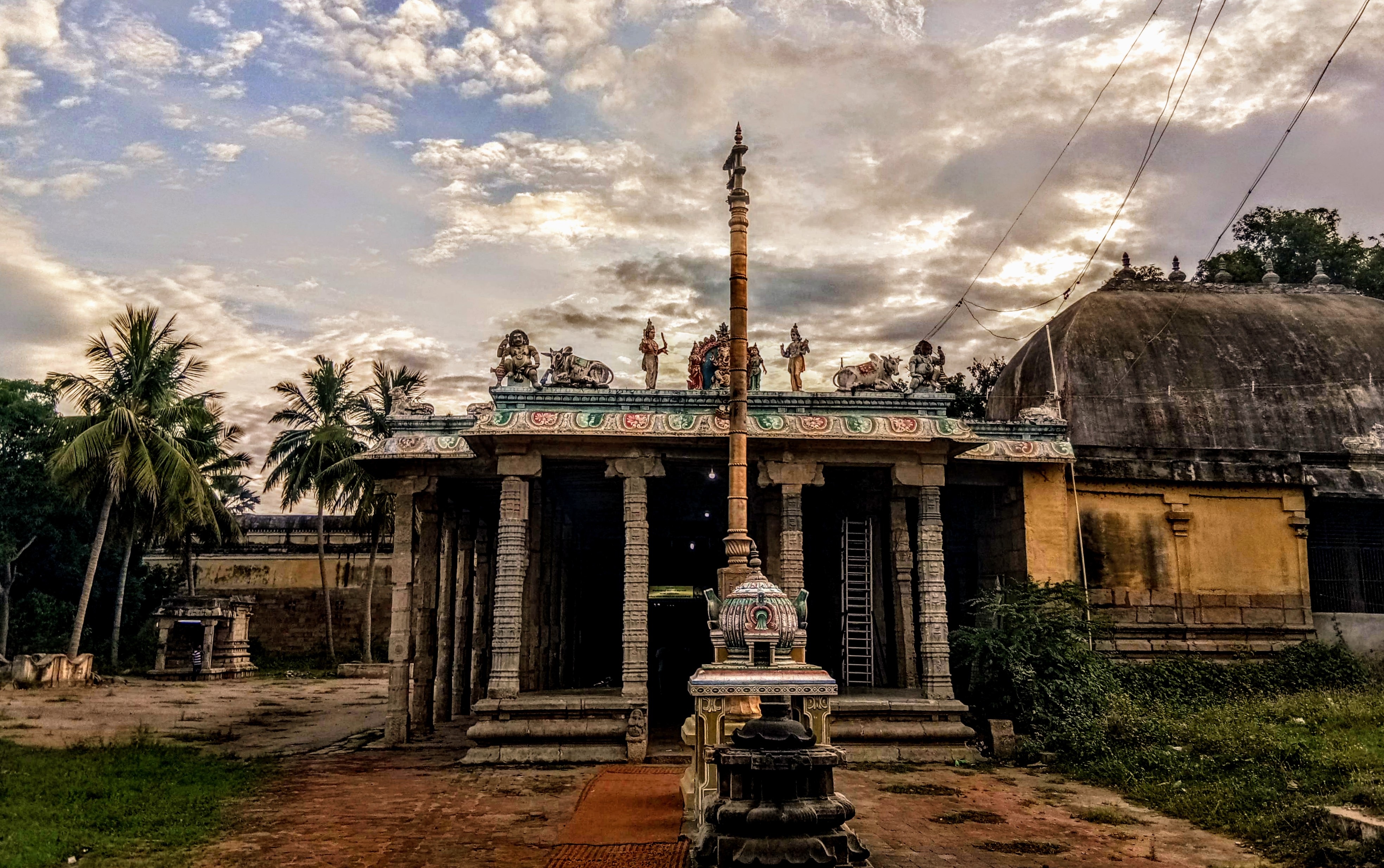
The Senji Singavaram Ranganatha Temple is a cave-temple dedicated to God Ranganatha and Goddess Ranganayaki Thayar. It is a Pallava period structure, reconstructed and patronized by Krishnapa Nayakkar of the Senji Nayak dynasty. The temple is located about 4 miles from the Gingee Fort.
The 24 feet long idol of Ranganatha is carved from living rock and is in a reclining pose on the coils of the serpent Ananta. A panel in the rear wall depicts Gandharvas and Brahma, with Brahma born from the navel of Vishnu. Besides Garuda, the demons Madhu and Kaitabha, killed by Vishnu, are depicted. Goddess Bhoomidevi graces the feet of the lord while Prahlada sits near his knee.
Pallava cave temples, cut from rock, dating to the time of Mahendravarman or Narisimhavarman (580-688 AD), exist in Melacceri as Maddileshvara temple and at Singavaram as Ranganatha temple. The Pallava king, Mahendravarman I, established the tradition of the Ranganatha temple. Historian KR Srinivasan suggests Durga and Vishnu of this shrine are similar to some cave shrines of Mahabalipuram.
Table of Contents
- Senji Singavaram Ranganatha Temple Opening Time
- Senji Singavaram Ranganatha Temple Pooja Timing
- Senji Singavaram Ranganatha Temple Information Facilities and Accommodation
- Senji Singavaram Ranganatha Temple Transportation and Accessibility
- Senji Singavaram Ranganatha Temple Interesting Facts
- Senji Singavaram Ranganatha Temple Nearby Temples
- Other Vishnu Temples
- Famous Temples from around
Senji Singavaram Ranganatha Temple Opening Time
| Day | Timings |
|---|---|
| Monday |
7:00 AM – 12:00 PM 5:00 PM – 8:00 PM |
| Tuesday |
7:00 AM – 12:00 PM 5:00 PM – 8:00 PM |
| Wednesday |
7:00 AM – 12:00 PM 5:00 PM – 8:00 PM |
| Thursday |
7:00 AM – 12:00 PM 5:00 PM – 8:00 PM |
| Friday |
7:00 AM – 12:00 PM 5:00 PM – 8:00 PM |
| Saturday |
7:00 AM – 12:00 PM 5:00 PM – 8:00 PM |
| Sunday |
7:00 AM – 12:00 PM 5:00 PM – 8:00 PM |
Senji Singavaram Ranganatha Temple Pooja Timing
| Pooja Name | Timings |
|---|---|
| Subrabhadham Pooja (Silver kavasam) | 06:00 AM to 07:00 AM IST |
| Sayaraksha Pooja (Evening) (Silver kavasam) | 04:30 PM to 05:00 PM IST |
Senji Singavaram Ranganatha Temple Location Details
How to Reach Senji Singavaram Ranganatha Temple
By Road:
By Train:
By Air:
Gingee (Senji) is well-connected by road to major towns in Tamil Nadu. State Transport Buses and private taxis operate regularly from nearby cities like Chennai, Pondicherry, and Villupuram.
Nearest railway stations: Villupuram Junction and Tindivanam Railway Station. From these stations, buses or taxis are available to Gingee (Senji).
Nearest airport: Chennai International Airport. From the airport, you can take a taxi or bus to Villupuram or Gingee (Senji) via connecting cities.
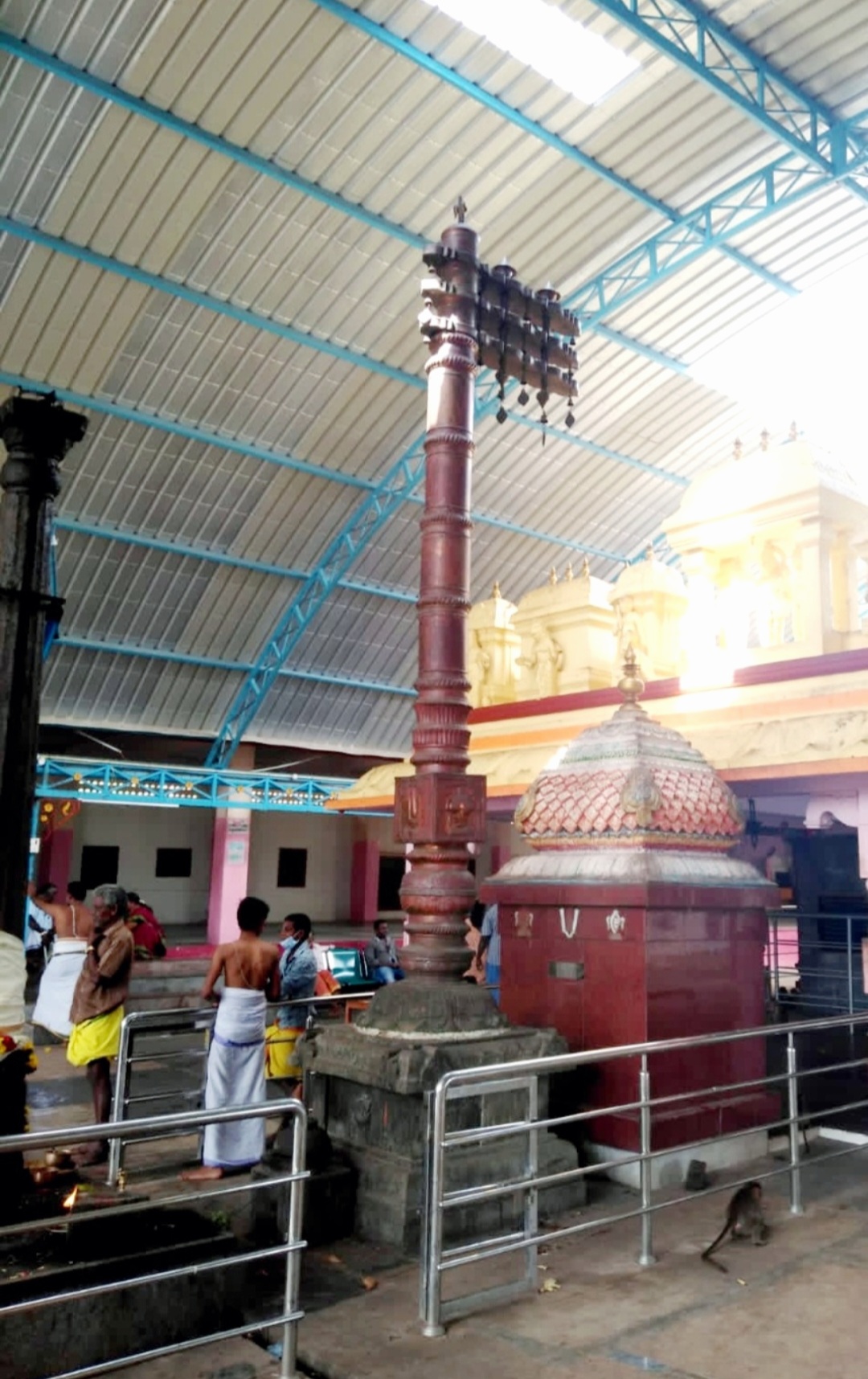
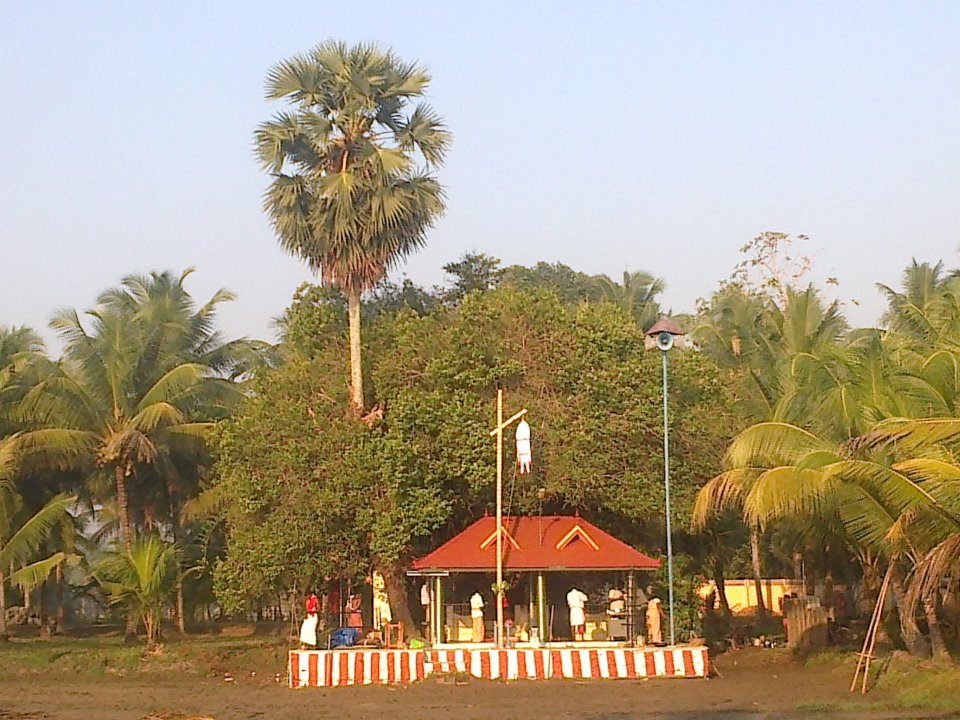
Senji Singavaram Ranganatha Temple Nearby Temples

Senji Singavaram Ranganatha Temple Visitor Information & Tips
Best time to visit (season/months):
The best time to visit is between November and February when the weather is pleasant and ideal for exploring the temple. Avoid the monsoon season due to heavy rainfall.
Temple Facility
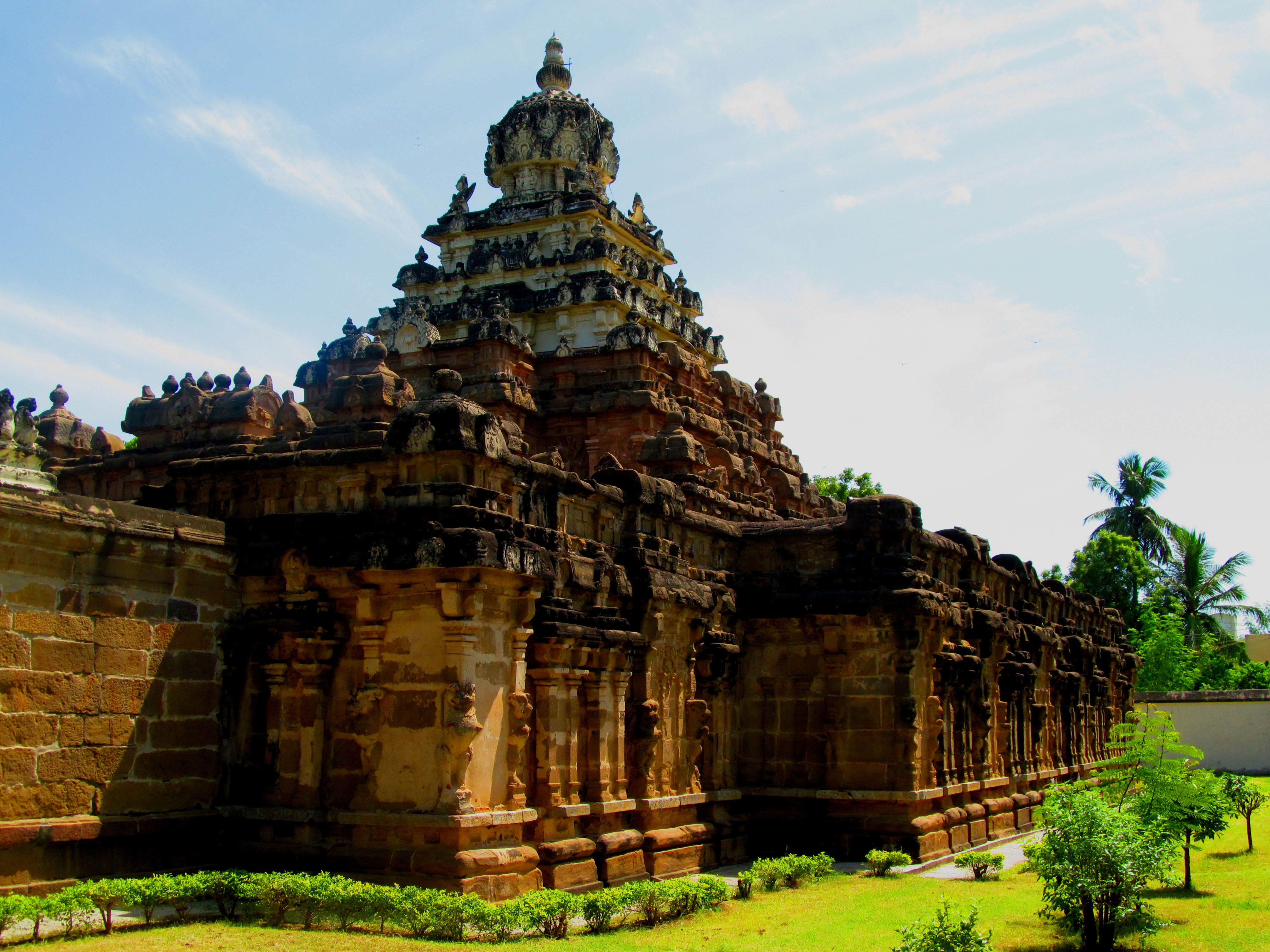
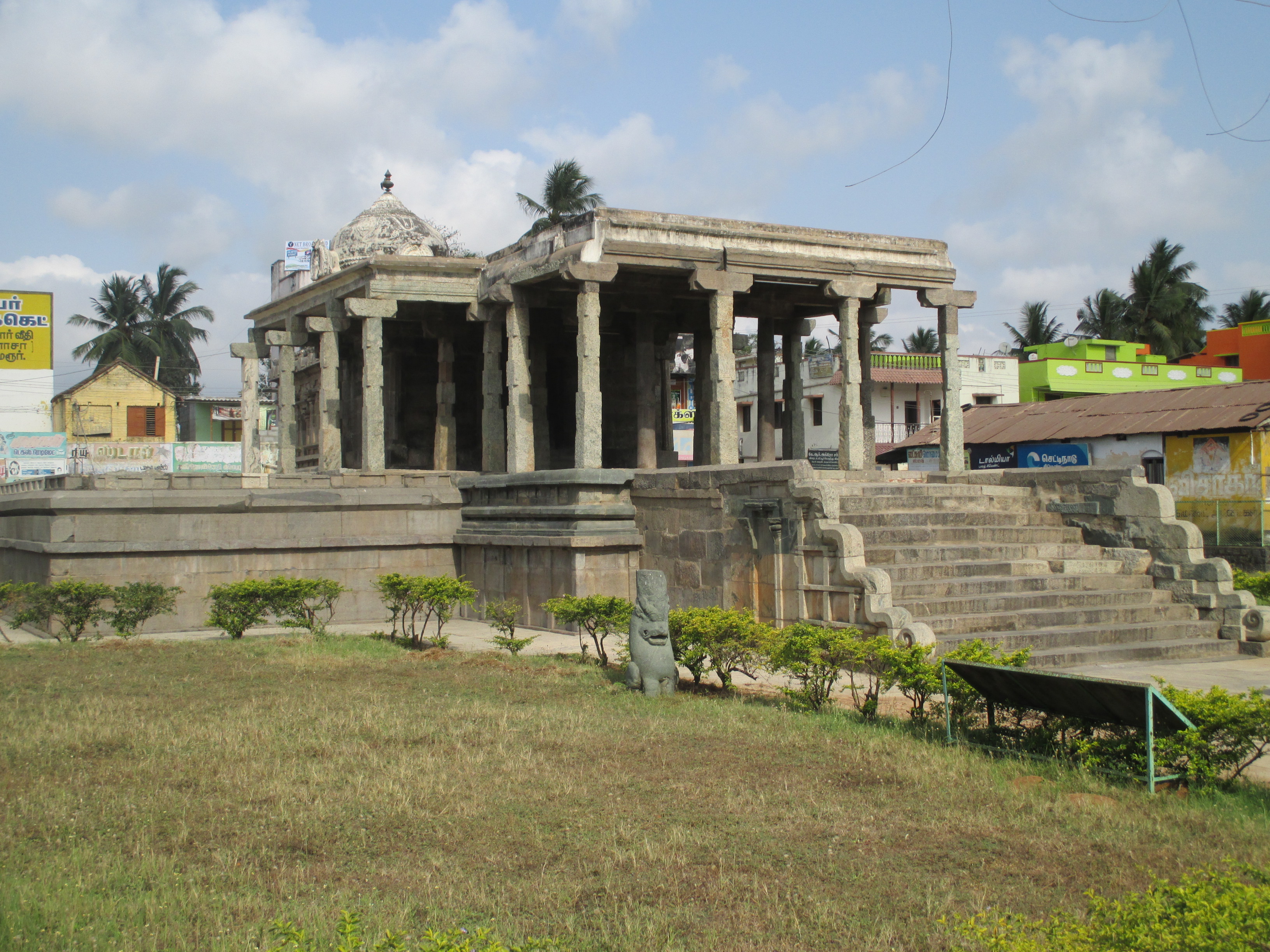
Other Vishnu Temples

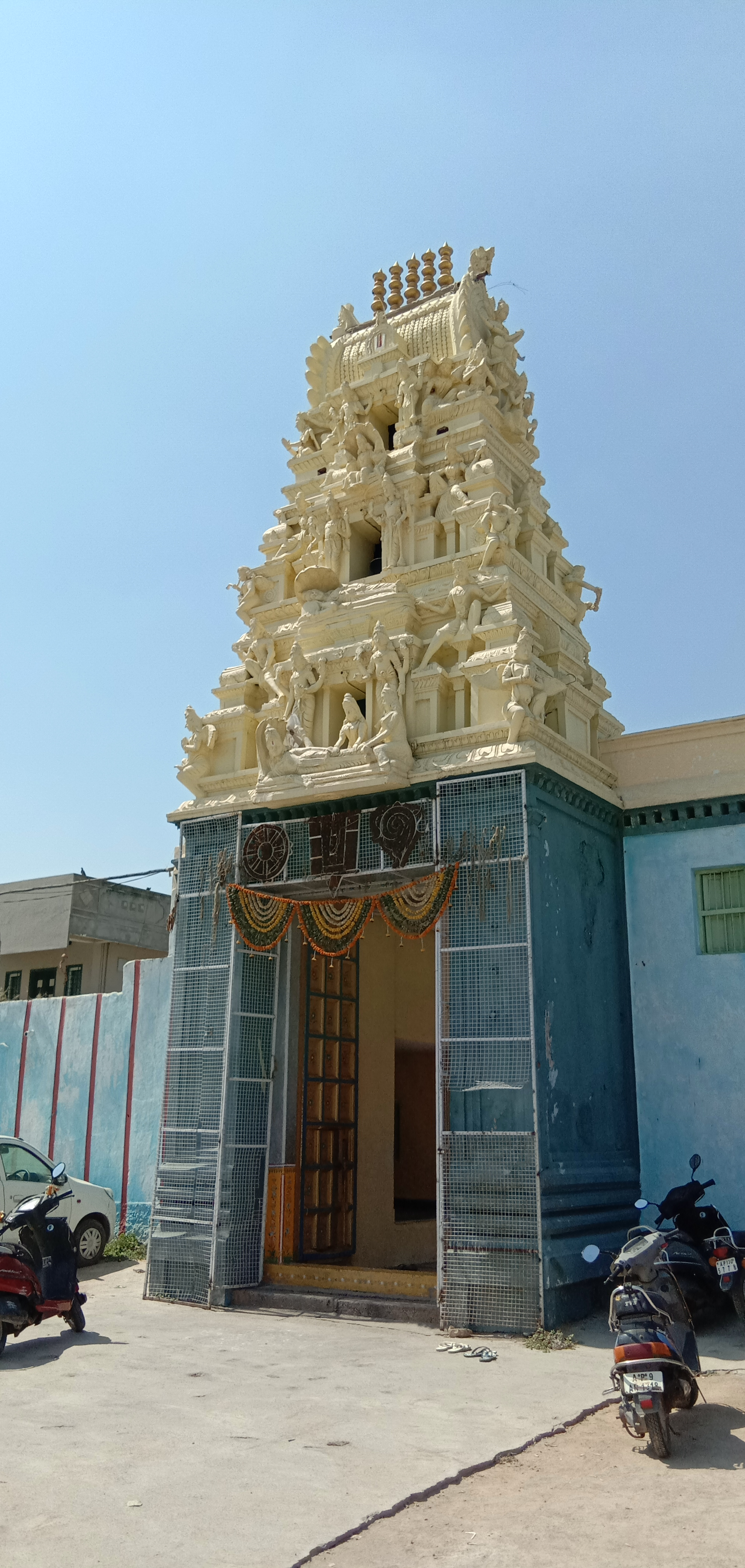
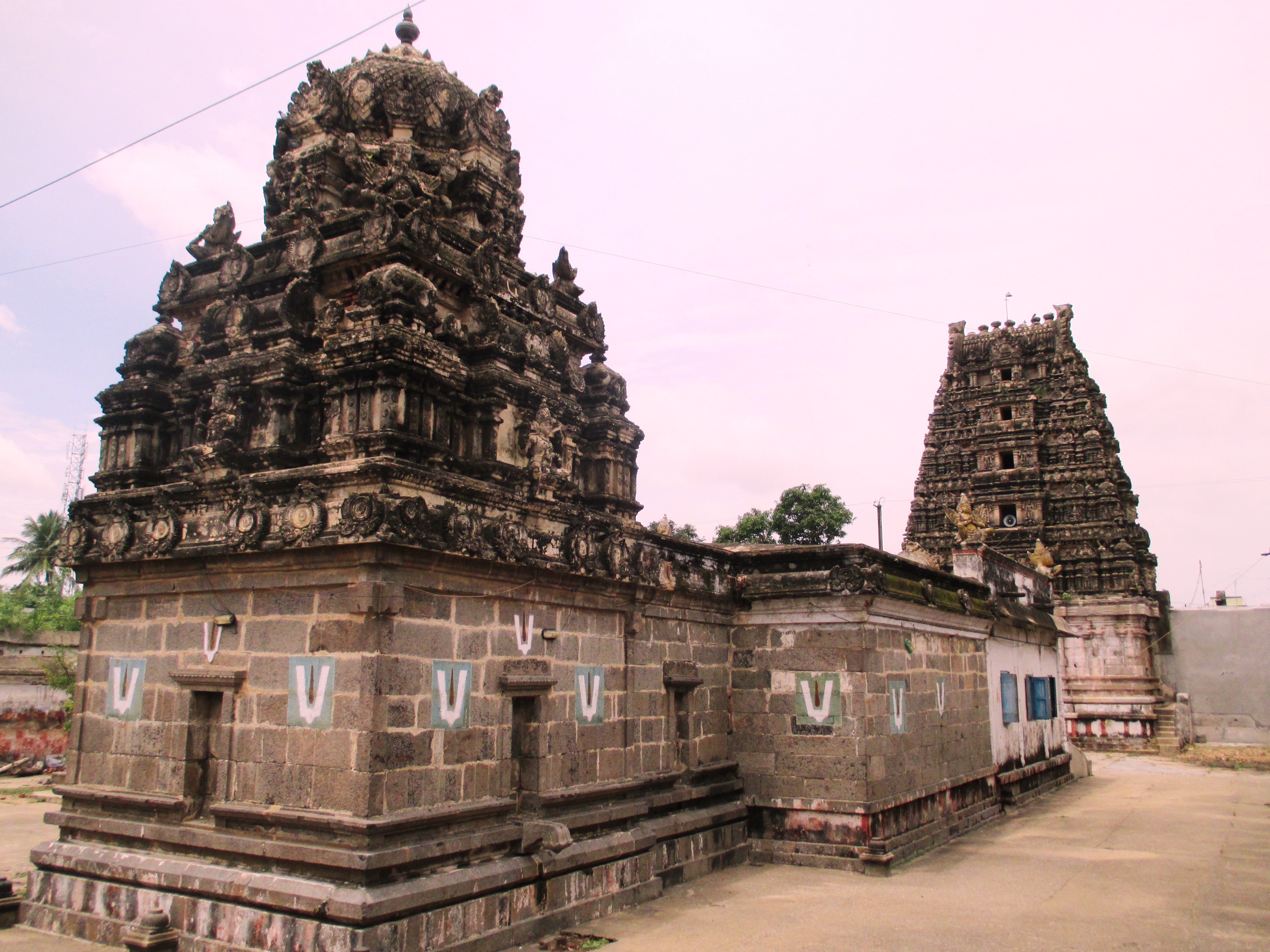
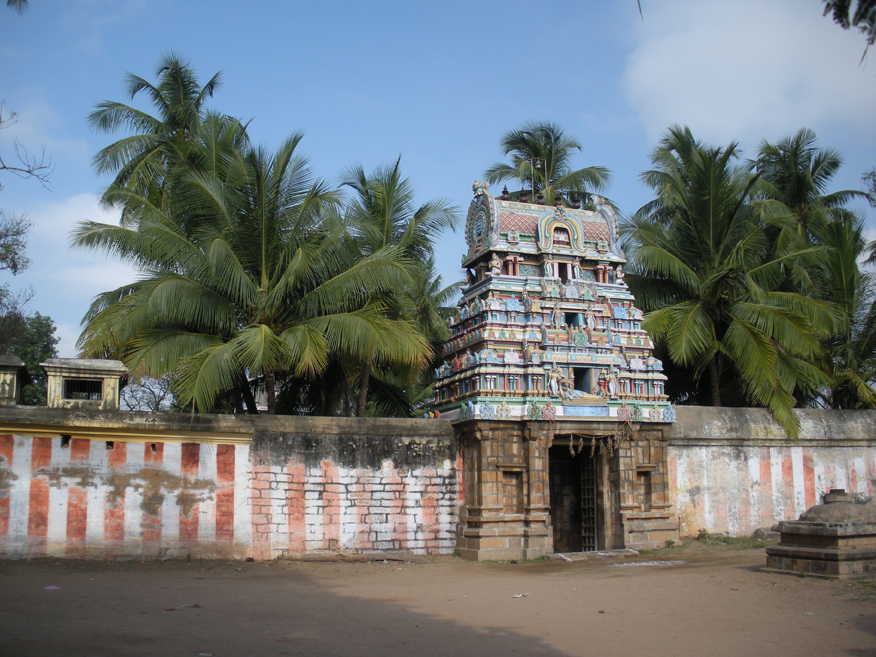
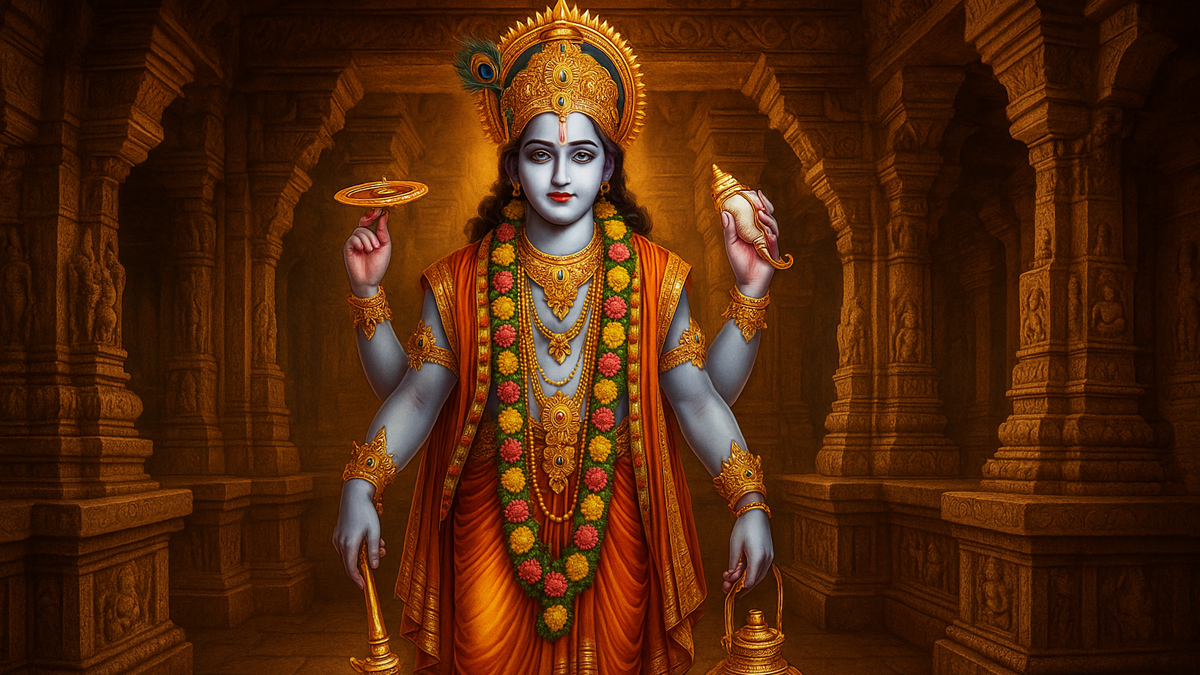
Senji Singavaram Ranganatha Temple Information Facilities and Accommodation
Senji Singavaram Ranganatha Temple Interesting Facts
-
Legends BeliefsThe Sthalapurana of the temple associates it with the legend of Prahlada, born to the demon-king Hiranyakashipu. An inscription of kōpperuñjinga in the Singavaram temple mentions the deity as 'tiruppanrikkunru emperuman,' possibly meaning a shrine intended for Varaha Perumal.In a later legend, Krishnappa Nayakkar kept a flower garden dedicated to Lord Varadaraja Perumal. But Perumal, in the form of a boar (Varaha), destroys the garden. Krishnappa Nayakkar chases the animal but could not kill it. The boar goes to Singavaram, bores himself into a cave, then reveals his true form to the nayak. Bewildered, the nayak invokes the blessings of the Singavaram god, who then directs him to build a temple with the help of an ascetic.The ascetic attempts to kill the nayak, but the nayak kills the ascetic instead. His dead body becomes gold, using which the temple of Ranganatha inside the Gingee fort was built, and the Singavaram temple was refurbished.The Shashti Poorthi celebration in this temple is associated with a legend of Desingh Raja. This temple was his tutelary deity (Kuldev). As per local ballads, Raja Desingh sought the God's blessings before his battle against Sadatullah Khan, the Arcot Nawab, in 1714 AD. But the deity turned his head aside, marking his disapproval. However, Raja Desingh proceeded with his war plans and was killed.
-
Deities and Sub DeitiesThe main deity of the temple is Ranganatha, depicted in a reclining pose on the coils of the serpent Ananta. The temple also features depictions of Gandharvas, Brahma, Garuda, the demons Madhu and Kaitabha, Goddess Bhoomidevi, and Prahlada. Durga with four hands holding the Shankha, Chakra, and two arms resting on her thigh and waist, stands on the head of Mahishasura.
-
OfferingsDevotees offer various traditional items such as flowers, fruits, and sweets to the deities. Special offerings are made during festivals and important religious ceremonies.
-
ArchitectureThe temple is a Pallava period structure, featuring a 24 feet long idol of Ranganatha carved from living rock. The architecture includes a panel depicting Gandharvas and Brahma, with Brahma born from the navel of Vishnu. The temple also has depictions of Garuda, the demons Madhu and Kaitabha, Goddess Bhoomidevi, and Prahlada.Pallava cave temples, cut from rock, dating to the time of Mahendravarman or Narisimhavarman (580-688 AD), exist in Melacceri as Maddileshvara temple and at Singavaram as Ranganatha temple. The Dwarapalas in this temple follow Pallava iconography.
-
FestivalsThe temple celebrates various Hindu festivals with great fervour. The Shashti Poorthi celebration is particularly significant and is associated with the legend of Desingh Raja. Devotees participate in rituals, prayers, and special offerings during these festivals.
-
Religious PracticesDevotees engage in various religious practices such as daily prayers, special rituals, and offerings to the deities. The temple also hosts special ceremonies during festivals and important religious occasions. Pilgrims seek blessings and participate in the temple's spiritual activities.
FAQ's
Where is the Senji Singavaram Ranganatha Temple located?
Which God is Aranganatha Swamy?
What is the best time to visit Senji Singavaram Ranganatha Temple?
Why is Senji Singavaram Ranganatha Temple famous among tourists and devotees?
How to reach Senji Singavaram Ranganatha Temple from near City or Town?
In Tamil Nadu
Near By Temples
-
 Sign in with Google
-
Block for 8 hours
-
Block for 12 hours
-
Block for 24 hours
-
Don't block


 Click it and Unblock the Notifications
Informed.
- Male
- Female
- Others
- Under 18
- 18 to 25
- 26 to 35
- 36 to 45
- 45 to 55
- 55+