


Sabarimala Sree Ayyappan Temple, Sabarimala
Sabarimala, Kerala

Sabarimala Sree Ayyappan Temple History and Significance
The Sabarimala temple does not have any ancient or medieval references. Nevertheless, there are extant late medieval references pertaining to the temple.
The Pandalam royal family drafted a mortgage document in 1793. It states that the royal family is pledging the revenue returns, which encompass the income generated by the Sabarimala Temple, to the Travancore state.
In 1863, Ward and Conner published an article that provided a description of Sabarimala and its vicinity.
In the year 1902, the ruler of Travancore issued a directive for the restoration of the Sabarimala temple, which had suffered damage as a result of a fire incident. Kochu Thomman, a Mavelikkara resident of Christian faith, funded and carried out the reconstruction contract.
In the year 1950, the temple was rebuilt after an arson attack. No charges were brought, and the earlier stone image of the deity was replaced by a panchaloha (an alloy of five metals) idol, about one and a half feet tall. Neelakanta Panicker and his younger brother, Ayyappa Panicker, who are members of the Thattavila Vishwakarma family in Chengannur, Kerala, created the Panchaloha idol to replace the original stone statue of the deity. Edavankadan T.N. Padmanabhan Achari from Mavaelikkara was appointed the supervisor in charge of the new idol by Maharaja Sree Chithira Tirunaal Balarama Varma.
Sabarimala Sree Ayyappan Temple Pooja Timing
| Pooja Name | Timings |
|---|---|
| Nirmalya Darshanam | 3:00 AM - 3:30 AM |
| Ganapathi Homam | 4:00 AM - 5:00 AM |
| Usha Pooja | 7:30 AM - 8:00 AM |
| Harivarasanam | 10:30 PM - 11:00 PM |
Sabarimala Sree Ayyappan Temple Location Details
How to Reach Sabarimala Sree Ayyappan Temple
By Road:
By Train:
By Air:
Pamba is well-connected by road to major towns in Kerala. State Transport Buses and private taxis operate regularly from cities like Thiruvananthapuram, Kochi, Kottayam, and Pathanamthitta.
Nearest railway stations: Kottayam (approximately 120 km) and Chengannur (approximately 100 km). From these stations, buses or taxis are available to Pamba, the base point for trekking to the temple.
Nearest airport: Cochin International Airport (approximately 160 km away). From the airport, you can take a taxi or bus to Pamba via connecting cities like Kottayam or Pathanamthitta.
Sabarimala Sree Ayyappan Temple Nearby Temples
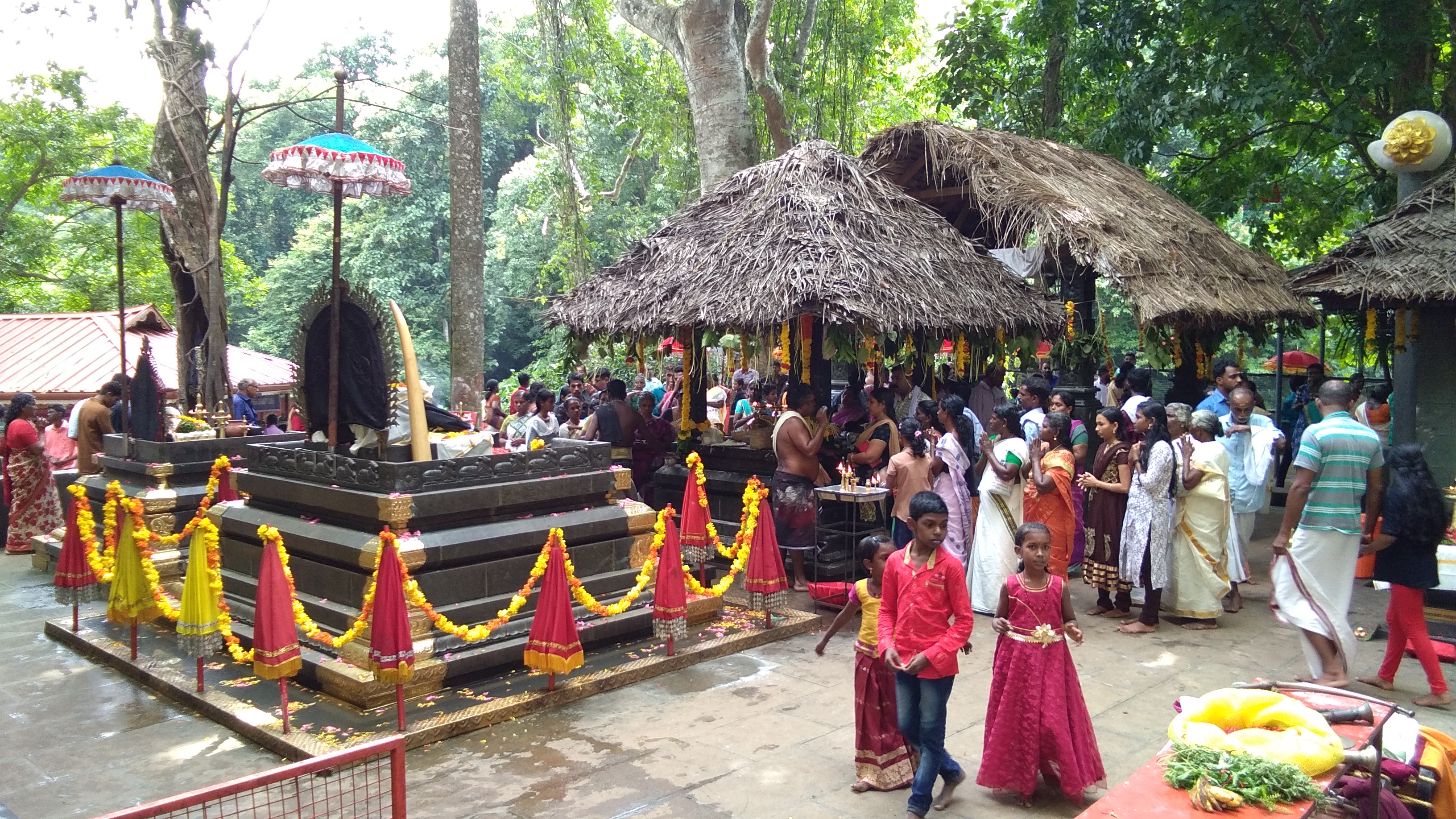
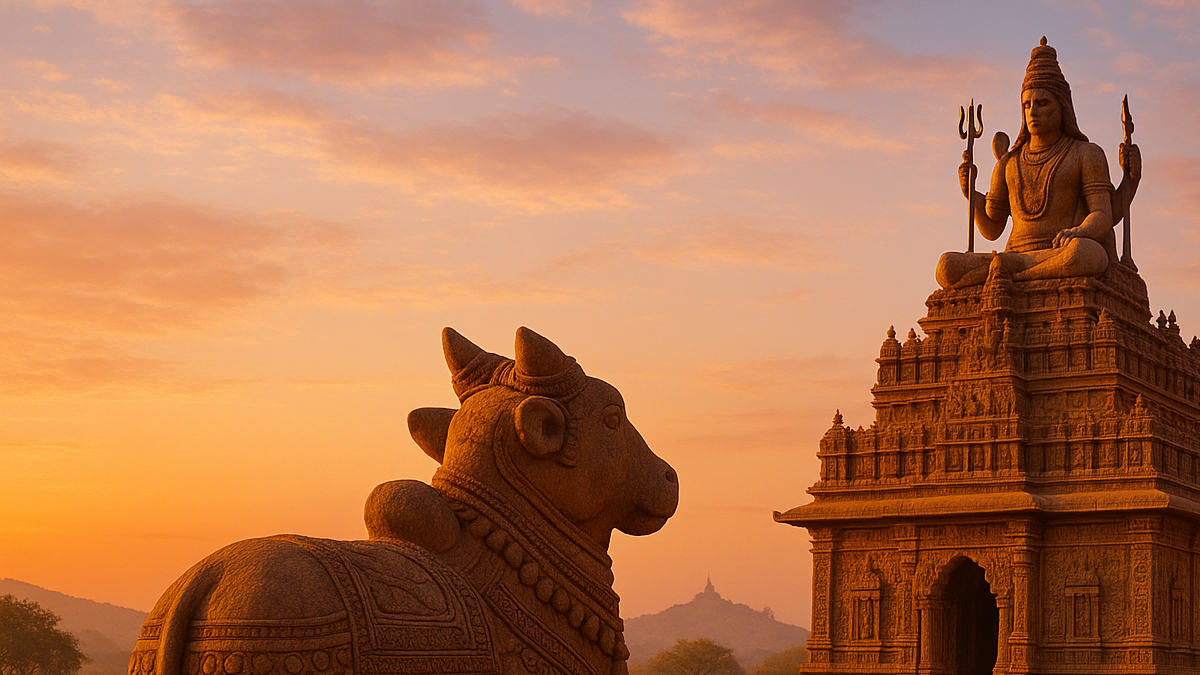
Sabarimala Sree Ayyappan Temple Visitor Information & Tips
Best time to visit (season/months):
November to January during the Mandala-Makaravilakku season. Avoid the monsoon season (June to September) due to landslides and heavy rainfall. Summers can be hot and humid.
Other Ayyappan Temples
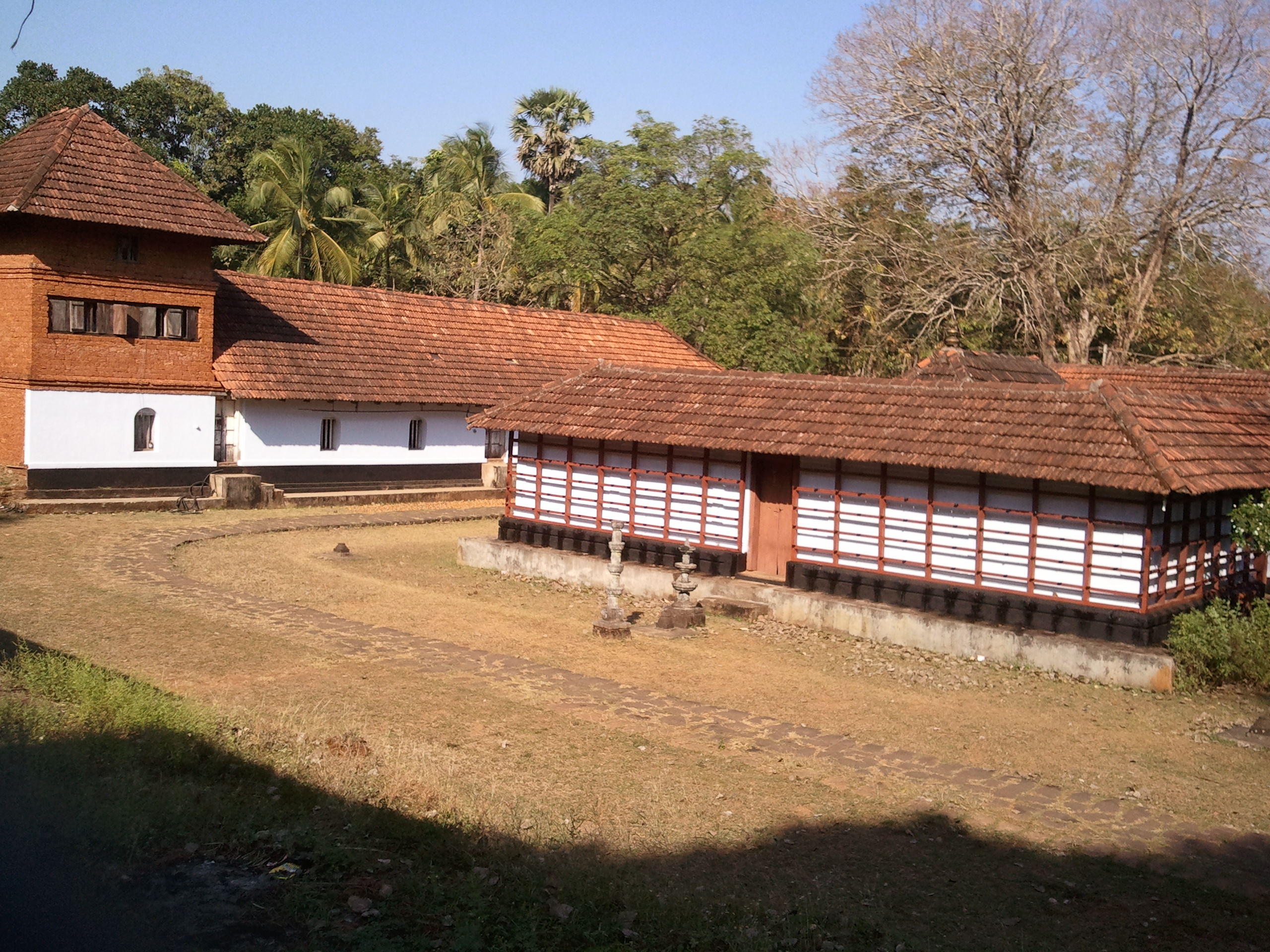
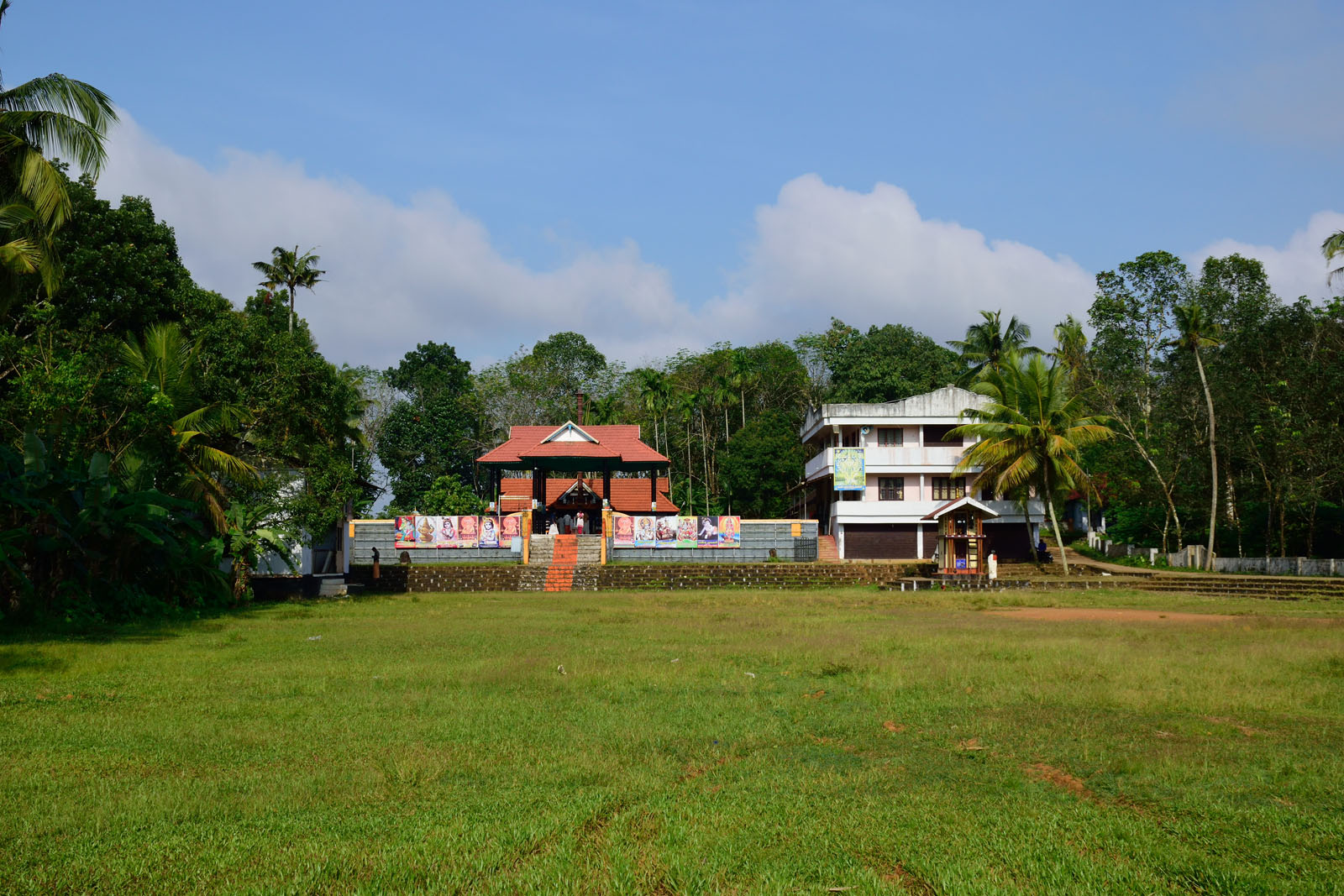
Sabarimala Sree Ayyappan Temple Interesting Facts
-
Legends BeliefsLegends and BeliefsAccording to the Bhagavatam, Shiva fell in love with Vishnu while he was in Mohini form. Their connection resulted in the conception of Shasta. As the other name for Shiva is Hara and that of Vishnu is Hari, the child born was also known as Hariharaputra. It is believed that Ayyappa is an avatar of Shasta.The worship of Shasta forms part of the ancient history of south India. There are many Shasta temples in South India and across the globe.Five Shasta temples are said to be linked to Parashurama, an incarnation of Vishnu. Sastha temples in Kulathupuzha, Aryankavu, Achankovil, Sabarimala, and Ponnambalmedu are among the five Shasta temples.Folklore says that the temple in Kulathupuzha is related to the deity's childhood years, where he was enshrined as a child. The Aryankavu temple is related to the deity's adolescence, the Brahmachari state. The Achankovil temple is connected to the deity's Grahastha years, where he is shown sitting on a horse and holding a sword, along with his wives, Pushkala and Poorna. The Sabarimala temple is associated with the deity's Vanaprastha years, and in the Ponnambalmedu or Kantamala temple, the deity is shown as the greatest Yogi.Legend of ManikandanSage Suta told his followers the story of how Ayyappa was born, according to Bhutnathopakhyanam, a text for Ayyappan followers. After Chamundi killed Mahisasura, his sister Mahisi arrived to take revenge on the devas (gods). Brahma gave Mahishi a boon that made her invincible, and only a human born of two males could kill her. The devas were afraid and helpless, so they sought assistance from Vishnu. The union of Shiva and Vishnu, who took the avatar of Mohini, produced a son named Manikandan.Manikandan was abandoned on the banks of the Pampa River in southern India. The emperor Rajasekhara of the Panthalam dynasty, who didn't have any children, found this child. In the meantime, the queen delivered a baby. The queen disliked Manikandan and devised a scheme to eliminate him. She lied about her sickness, claiming that she could only be treated by consuming tiger's milk. Twelve-year-old Manikandan ventured into the wilderness in search of tiger's milk for her mother. On his journey through the forest, he destroyed Mahisi. The devas were pleased at Mahishi's death. Indra assumed the appearance of a tiger, which Manikandan used to return to the kingdom. He flung an arrow into the forest to mark the location of a temple, directed them to construct a temple, and then departed for Devaloka (the devas' abode).Connection with RamaShabari was a tribal devotee of Rama who is mentioned in the Ramayana. Sabarimala literally translates to 'the hill of Sabari.'As per legend, Sabari met Sage Matanga near the foot of Mount Rishyamukha. He became her guru, and she devotedly served him for years. When Matanga was on his deathbed, he foretold that Rama would come to grant her darshan. He told her to wait for the arrival of Rama. Since that time, Sabari has only left her ashram each day to gather berries for Rama. She would pick one, taste it, and place it in her basket if it was sweet, discarding the bitter berries because she wanted Rama to have only the sweet berries. While in his search for Sita, Rama visits the Sabari at her ashram. Sabari fed Rama with the berries that she had collected.Rama saw a divine person doing penance and asked Shabari to tell him who it was. Shabari said it was Sastha (Ayyappan). Sastha also stood and greeted Rama.Legend of MalikapurathammaAccording to mythology, Maalikapurathamma is the daughter of Cheerappanchira Panicker who taught Kalaripayattu to Lord Ayyappa.As per history and records found at the pandalam palace, Malikkapurthamma holds the position of Lord Ayyappa's mother and she is considered to be a form of Madurai Meenakshi amman, who also happens to be the family deity of the Pandalam Palace. Since Ayyappa spent his childhood at the Pandalam palace, Malikkapurthamma indeed showers her motherly affection not only on Ayyappa but also his devotees.
-
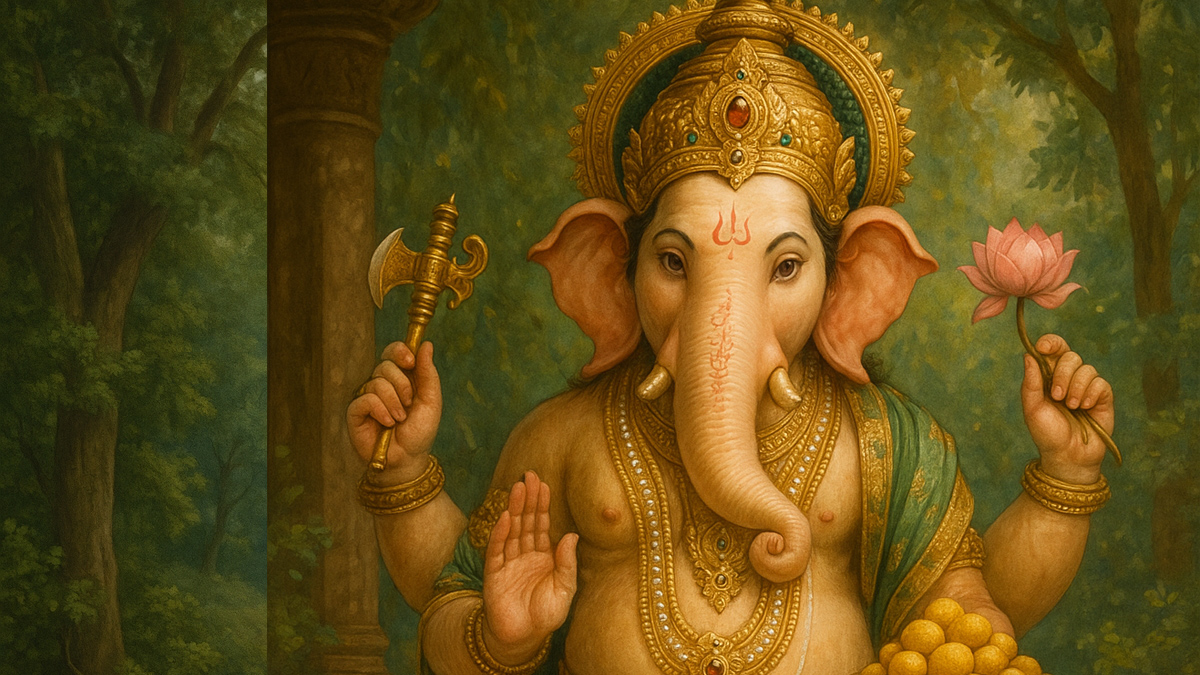
Deities and Sub DeitiesDeities and Sub-DeitiesThe main deity of the Sabarimala temple is Ayyappan, also known as Dharma Shasta. Ayyappan is believed to be the son of Shiva and Mohini, a female avatar of Vishnu.Ayyappan's half-brother Ganesha's shrine is southwest of the sanctum. Devotees offer part of the broken coconut (Neythenga) to the fireplace (Azhi). Ganapati homam is the main offering.The temples of Ayyappan's trusted lieutenants, Karuppu Sami and Kadutha Sami, are positioned as his guards (kaval) at the foot of the holy 18 sacred steps.The temple of Maalikapurathamma, whose importance is almost on par with that of Ayyappan, is located a few yards from Sannidhanam. It is believed that Ayyappan had specific instructions that he wanted Malikappurath Amma on his left side. Prior to the fire disaster, there was only a Peeda Prathishta (holy seat) at Malikappuram. Brahmasree Kandararu Maheswararu Thanthri installed the idol of Malikappurath Amma. Maalikapurathamma holds a Sankh, Chakram and Varada Abhya Mudra. Now the idol is covered with a gold golaka. The temple was also reconstructed in the last decade, and now the conical roof and sopanam are covered with gold.The shrine of the king of the snakes, Nagaraja, is placed adjacent to the Malikappurathamma temple. Pilgrims, after the Darsan of Ayyappa and Kannimoola Ganapathi, make their darshan and give offerings to Nagaraja.Manimandapam is the place where Ayyappan vanished into the temple.The Sabarimala temple complex includes Pampa Ganapathi temple, Nilakal Mahadeva temple, and Palliyarakkavu Devi Temple temple. The Nilakal Mahadeva temple and Palliyarakkavu Devi Temple temple are as old as the Ayyappan temple, and the deities are worshipped as the parents of Ayyappan. Ganapathi temple at Pampa has Pampa Maha Ganapathi and Athi Ganapathi (lit. old Ganesha) idols; in Sreekovil, the idol from the first Ganesha temple is worshipped. Sabari Peedam has a temple for Rama and Hanuman as well.
-
OfferingsOfferingsThe prasadam at Sabarimala temple are Aravana payasam and Appam. An 'Appam' is a sweet ball composed of rice, kadalippazham, and ghee, whereas 'Arvana' refers to a dense and sweet dessert. The Chief Commissioner, Travancore Devaswom Board, said that the board has been appointed by the Central Food Technological Research Institute, Mysore, as a consultant for providing technical guidance to ensure the quality of Aravana, Appam, and other prasadam preparations at Sabarimala temple.Vadakkathillathu Eswaran Namoothiri, who held the position of melsanthi, a chief priest, started the tradition of singing keerthan in the year 1950. Following the Athazhapooja, he performed the recitation of Harivarasanam. Harivarasanam is a Sanskrit Urakkupattu, a lullaby. The recitation takes place nightly before the closure of the temple entrance. The keerthan can be found in the Sasthasthuti kadambam, a publication authored by Kambankudi Sundaram Kulathu Ayyer. The song depicts Ayappa as Hariharaputhra, a deity revered in the Vedas.This significant ritual involves pouring sacred ghee brought by pilgrims in their Pallikettu or Irumudi (a two-compartment bag made of handwoven cotton cloth used to carry the offerings for Sabarimala Temple carried on their heads) on the idol of Ayyappan. It symbolically means the merging of Jeevatma with the Paramatma.
-
ArchitectureArchitectureThe Sannidhanam (main temple) is built on a plateau about 40 feet high. The temple consists of a sanctum sanctorum with a gold-plated roof and four golden finials at the top, two mandapams, and the balikalpura, which houses the altar. In 1969, the flagstaff (dhwajastambha) was installed.The 18 sacred steps are the main stairway to the temple. As per the custom followed, no pilgrim without 'Irumudikkettu' can ascend the 18 sacred steps. In 1985, the 18 steps were covered by Panchaloha. The northern gate is open for those who do not carry an 'Irumudikkettu', as observed in the 1991 Kerala High Court judgement.
-
FestivalsFestivalsMakaravilakku is an annual festival held on Makara Sankranti in Kerala, India at the shrine of Sabarimala. The festival includes the Thiruvabharanam (sacred ornaments of the deity Ayyappan) procession and a congregation at the hill shrine of Sabarimala. An estimated half a million devotees flow to Sabarimala every year to have a darshan (vision) of this ritual this day.This is a star that appears at the moment of Makar Sankranti, before the holy arti and the lighting of the Makaravilakku at Ponnambalamedu. It is the custom that after seeing the Makarajyoti star, the lighting of the Makaravilakku shall begin.The most important message written at the temple facade is one of the four Mahāvākyas of Advaita or the non-dualistic school of philosophy. Tat Tvam Asi, the 3rd of four Mahavakyas which in sanskrit translates to 'Thou Art That' is the principal philosophy that governs the temple and pilgrimage. As the pilgrimage is symbolic for the journey to self-realization that all living beings possess the part and parcel of parabrahman (lord), pilgrims refer to each other as Swami, acknowledging their divinity with lord seated in everyone heart as bramhan.
-
Religious PracticesReligious PracticesThe customs of the pilgrims to Sabarimala are based on five worshipping methods; those of Shaivites, Shaktists and Vaishnavites. At first, there were three sections of devotees – the devotees of Shakti worship their deity by way of yajna, literally sacrifice, the devotees of Vishnu who followed the strict penance and continence, and the devotees of Shiva who partly followed these two methods. Another name of Ayyappa is Shasta. All these can be seen merged into the beliefs of pilgrims to Sabarimala. The chain the pilgrims wear comes from the Rudraksha chain of the Shaivites. The strict fasting, penance and continence is taken out of the beliefs of the Vaishnavites. The offering of tobacco to Kaduthaswamy can be considered to be taken from the Shaktists.
FAQ's
Where is the Sabarimala Sree Ayyappan Temple located?
Which God is Ayyappan?
What is the best time to visit Sabarimala Sree Ayyappan Temple?
How to reach Sabarimala Sree Ayyappan Temple from near City or Town?
In Kerala
Bhagavathi Temples
Near By Temples
-
 Sign in with Google
-
Block for 8 hours
-
Block for 12 hours
-
Block for 24 hours
-
Don't block


 Click it and Unblock the Notifications
Informed.
- Male
- Female
- Others
- Under 18
- 18 to 25
- 26 to 35
- 36 to 45
- 45 to 55
- 55+