


Rudra Mahalaya Temple, Siddhpur
Siddhpur, Gujarat

Rudra Mahalaya Temple History and Significance
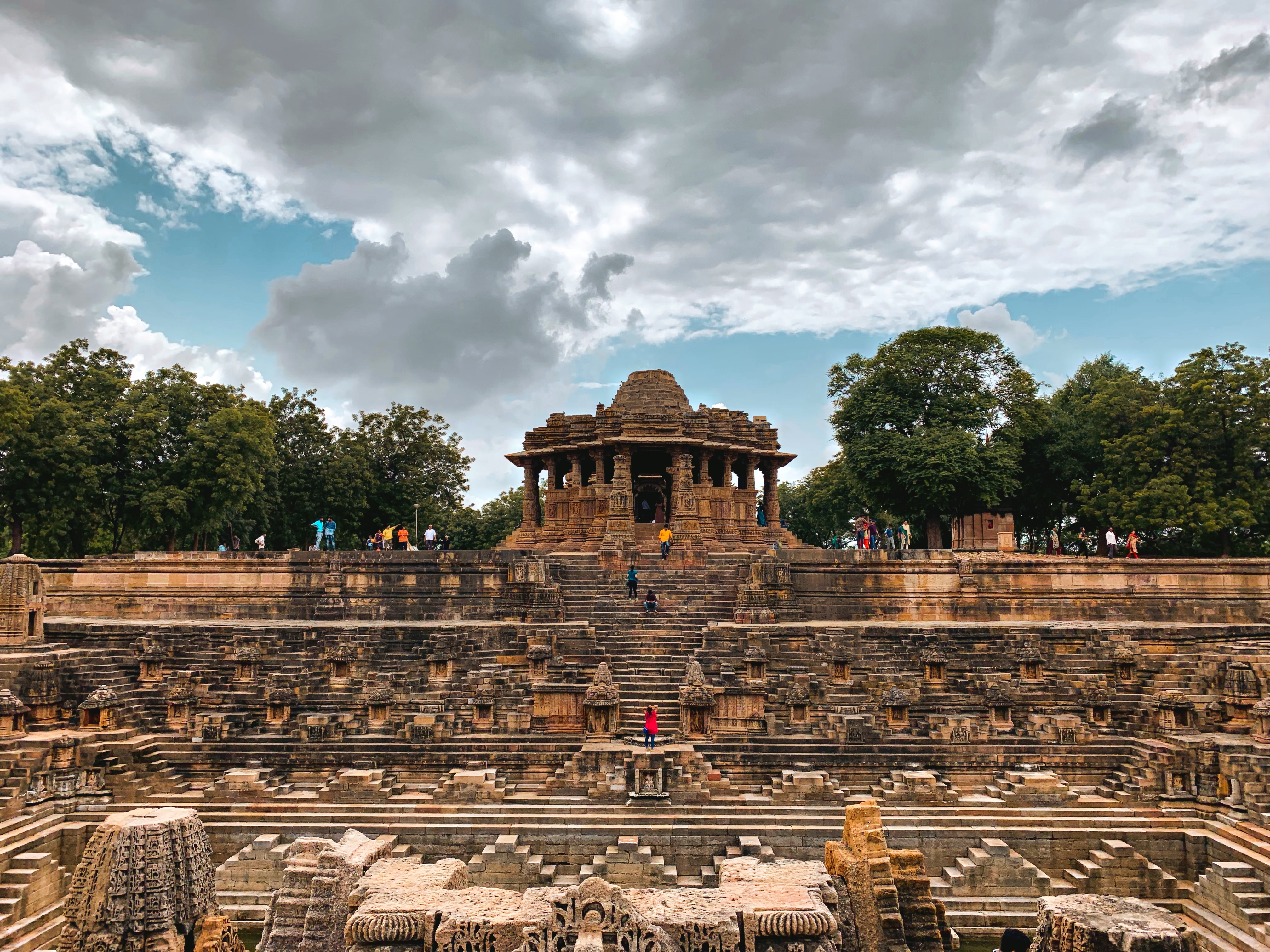
The Rudra Mahalaya Temple, also known as Rudramal, is located in Siddhpur, Gujarat. It was initiated by Mularaja in 943 CE and completed by Jayasimha Siddharaja in 1140 CE. The temple was destroyed by Alauddin Khalji and later desecrated by Ahmed Shah I, who converted part of it into a mosque.
Siddhpur was a significant town under the Chaulukya dynasty in the tenth century. An inscription from 986-987 CE mentions Mularaja offering prayers to Rudra Mahalay. Archaeological evidence suggests a new complex was built on an existing foundation in the twelfth century.
In 1140 CE, Jayasimha Siddharaja consecrated the temple complex for Shiva worship. This act continued the Chalukyas' patronage of the city. The temple was dismantled during Ahmad Shah I's siege, with parts reused for a mosque.
Rudra Mahalaya Temple Pooja Timing
| Pooja Name | Timings |
|---|---|
| Morning Aarti | 6:00 AM - 7:00 AM |
| Midday Pooja | 12:00 PM - 1:00 PM |
| Evening Aarti | 6:00 PM - 7:00 PM |
| Special Rituals (Customizable) | Available upon request with prior booking |
Rudra Mahalaya Temple Location Details
How to Reach Rudra Mahalaya Temple
By Road:
By Train:
By Air:
Siddhpur is well-connected by road to major towns in Gujarat. State Transport Buses and private taxis operate regularly from Ahmedabad, Mehsana, and other nearby cities.
Nearest railway stations: Siddhpur Railway Station (local) and Mehsana Railway Station (major). From these stations, buses or taxis are available to reach the temple in Siddhpur.
Nearest airport: Sardar Vallabhbhai Patel International Airport, Ahmedabad. From the airport, you can take a taxi or bus to Siddhpur via connecting cities like Mehsana or Unjha.
Rudra Mahalaya Temple Visitor Information & Tips
Best time to visit (season/months):
October to March is the best time to visit. Avoid the monsoon season due to heavy rainfall. Summers can be extremely hot, so winter months are ideal for a comfortable visit.
Rudra Mahalaya Temple Interesting Facts
-
Legends BeliefsAccording to legend, two Parmars from Malwa found the temple's foundations and a Shiva linga. They claimed to have seen heavenly beings, which led Siddharaj to complete the temple. Another legend states astrologers predicted the temple's destruction, prompting Siddha Raja to place images of great kings and himself in supplication within the temple.
-
Deities and Sub DeitiesThe main deity of the Rudra Mahalaya Temple is Rudra, a form of Shiva. The temple was dedicated to Shiva worship, reflecting the religious practices of the Chaulukya dynasty.
-
OfferingsWhile specific offerings are not detailed, the temple's dedication to Shiva suggests traditional offerings such as flowers, fruits, and incense were likely made by devotees.
-
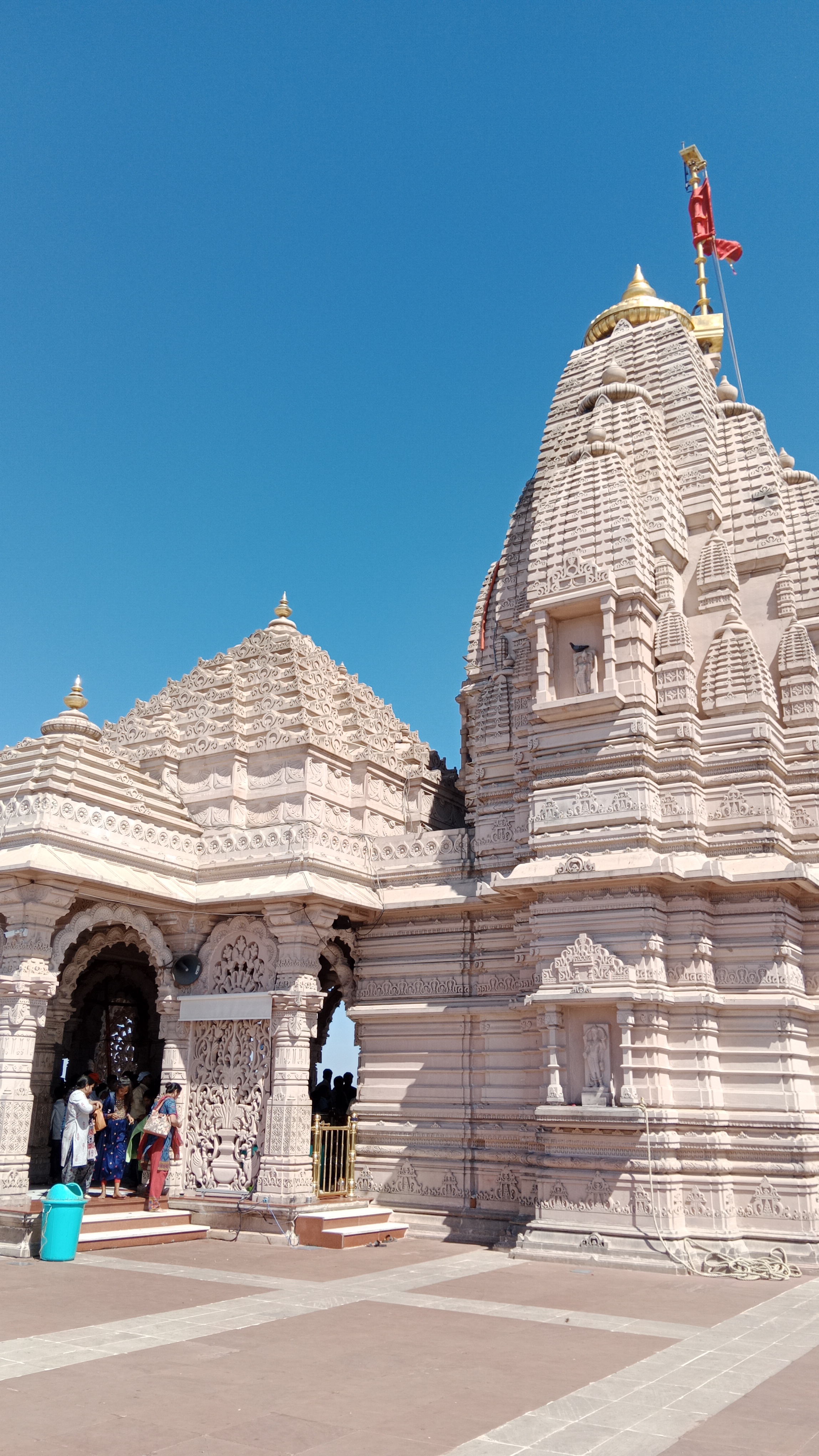
ArchitectureThe temple was built in the Māru-Gurjara architectural style, known for its intricate carvings and grand structures. Despite its partial destruction, elements like torans and pillars still stand, showcasing the architectural brilliance of the era.
-
FestivalsSpecific festivals celebrated at the Rudra Mahalaya Temple are not mentioned. However, as a Shiva temple, it likely hosted festivals like Maha Shivaratri, which is widely celebrated in Shiva temples across India.
-
Religious PracticesThe temple was a centre for Shiva worship, reflecting the religious practices of the Chaulukya dynasty. Devotees likely engaged in rituals such as prayer, meditation, and offerings to honour Shiva.
FAQ's
Where is the Rudra Mahalaya Temple located?
Which God is Rudra?
What is the best time to visit Rudra Mahalaya Temple?
How to reach Rudra Mahalaya Temple from near City or Town?
In Gujarat

-
 Sign in with Google
-
Block for 8 hours
-
Block for 12 hours
-
Block for 24 hours
-
Don't block


 Click it and Unblock the Notifications
Informed.
- Male
- Female
- Others
- Under 18
- 18 to 25
- 26 to 35
- 36 to 45
- 45 to 55
- 55+