


Raghunath Temple, Jammu
Jammu, Himachal Pradesh

Raghunath Temple History and Significance
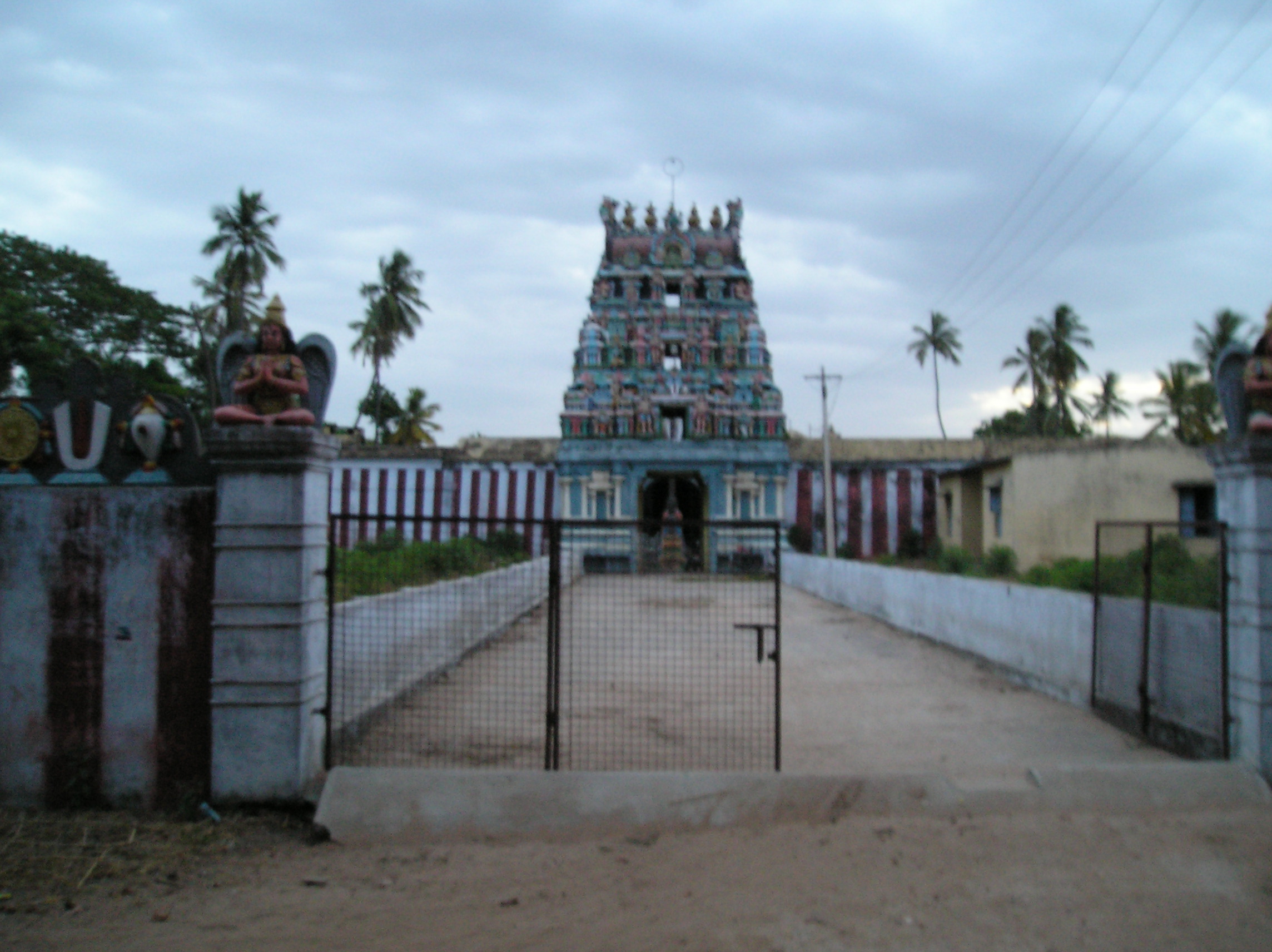
Raghunath Temple, located in Jammu, is a set of seven Hindu shrines, depicting the Dogra rulers architectural style. Initiated by the first Dogra ruler, Maharaja Gulab Singh, in 1835 and completed by his son, Maharaja Ranbir Singh, in 1860, the temple's main deity is Lord Rama (Raghunath), an avatar of Vishnu. The temple flourished during the Shivalik rule.
All the temple’s spiral-shaped towers have gold-plated spires, and its wall shrines are decorated with 300 intricately carved icons of gods and goddesses, featuring Surya, Shiva, and mainly the life stories of Rama and Krishna. The main shrine has 15 panels with paintings from the Ramayana, Mahabharata, and Bhagavad Gita. The temple also preserves a rare large collection of 6000 manuscripts, including yet another not-so-well-known rare Sharada Sanskrit text. The temple complex also has a school and library.
In 2002, the temple witnessed two terrorist attacks, in March and November, involving grenades and gunfire, resulting in 20 deaths and over 40 injuries.
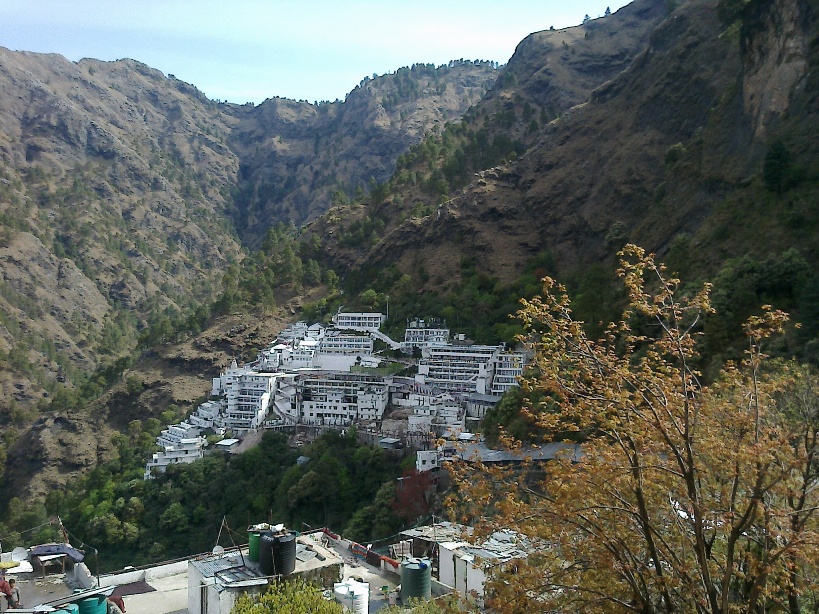
The temple complex is situated in old Jammu, north of the Tawi River, at an elevation of 350 m(1,150ft). Jammu is well connected by road, rail, and air. National Highway 1A links it to major cities of India.Tawi railway station of Jammu offers express trains to Delhi, Mumbai, Chennai, Kolkata, and Amritsar. Jammu Airport provides flights to all major cities like Delhi, Leh, and Srinagar.
Raghunath Temple Pooja Timing
| Pooja Name | Timings |
|---|---|
| Mangala Aarti | 5:30 AM |
| Shringar Aarti | 8:00 AM |
| Rajbhog Aarti | 12:00 PM |
| Sandhya Aarti | 6:30 PM |
Raghunath Temple Location Details
How to Reach Raghunath Temple
By Road:
By Train:
By Air:
Jammu is well-connected by road to major towns in Himachal Pradesh and neighboring states. State Transport Buses and private taxis operate regularly.
Nearest railway stations: Jammu Tawi Railway Station. From this station, buses or taxis are available to Jammu city.
Nearest airport: Jammu Airport. From the airport, you can take a taxi or bus to Jammu city via connecting cities.
Raghunath Temple Nearby Temples
Raghunath Temple Visitor Information & Tips
Best time to visit (season/months):
October to March. Avoid the monsoon season due to landslides and heavy rainfall. Winters: The temple may be closed during heavy snowfall.
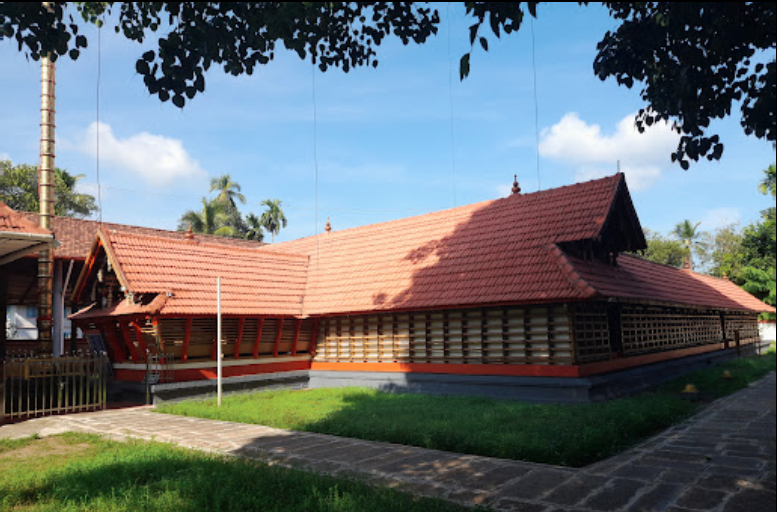
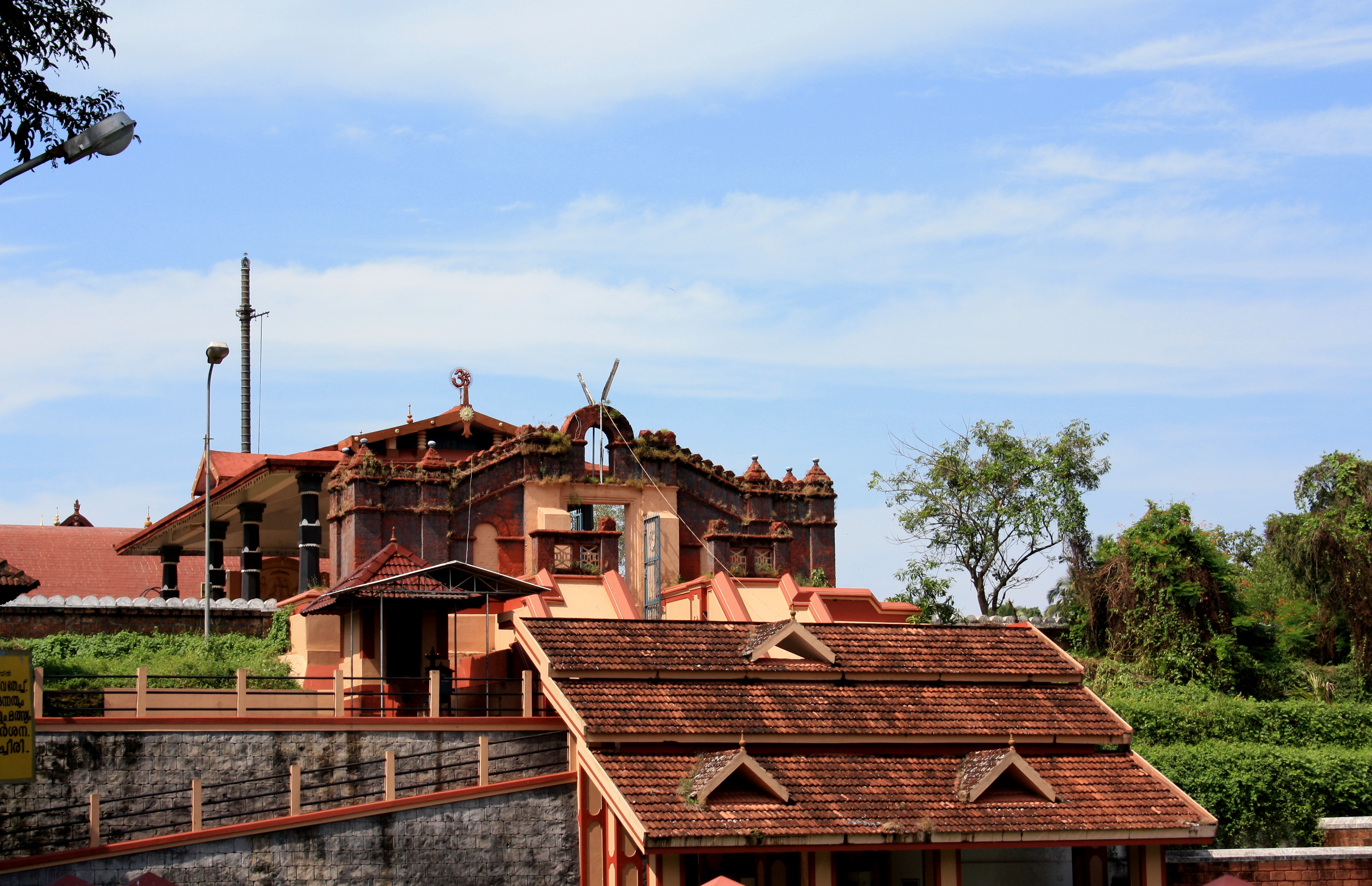
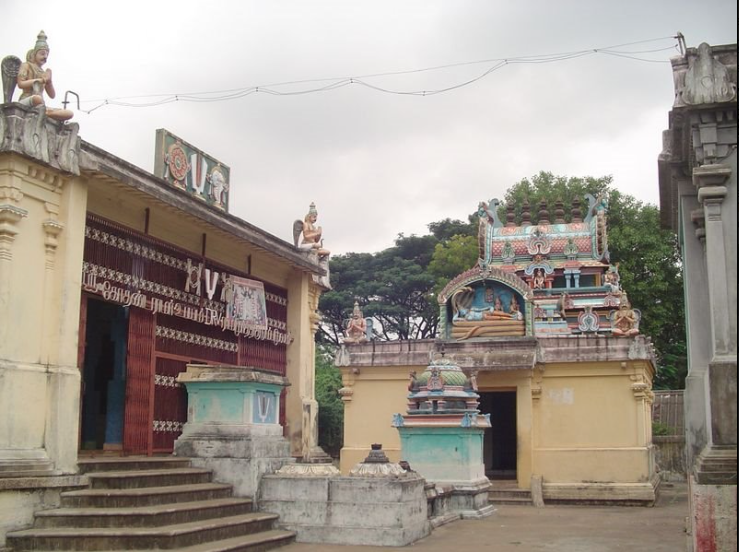
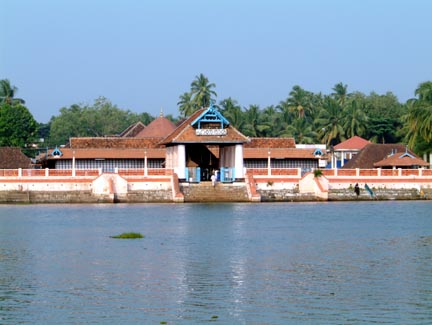
Other Rama Temples
Raghunath Temple Information Facilities and Accommodation
Raghunath Temple Interesting Facts
-
Legends BeliefsDuring the rule of Jammu Shivaliks, after 1765, 1765,the temple construction flourished in the early 19th century.The rulers built temples and crowned each tower with kalashas (shikhara). The Raghunath temple complex was initiated by Gulab Singh in 1822 (1835), dedicated to his guru Baba Prem Das and was completed by his son Ranbir Singh in 1860.An inscription in Brahmic script (Takri) credits Gulab Singh and his brother Dhyan Singh with constructing the temple in 1827 in honor of Mahant Jagannath. During the rule of Ranbir Singh, a pathshala was started at the temple complex, open to all students without any caste limitation. The temple housed a library with a rare 6000 manuscripts, copies made of manuscripts, which is not for sale.The collection included texts of Vedas, grammar, manuscripts (predominantly Devanagari) of Vedic literature, Music, Kavya, Drama, architecture, law, philosophy, Jyothishya, Nyaya, medicine, Puranas, Bhakthi, and Tantra, to name a few. Raghunatha Temple houses one of the largest collections of Hindu and Buddhist texts from the Kashmiri tradition, many in the Sarada script. They were the first to initiate early steps to digitize these manuscripts and started the eGangothri in order to preserve old manuscripts across India.
-
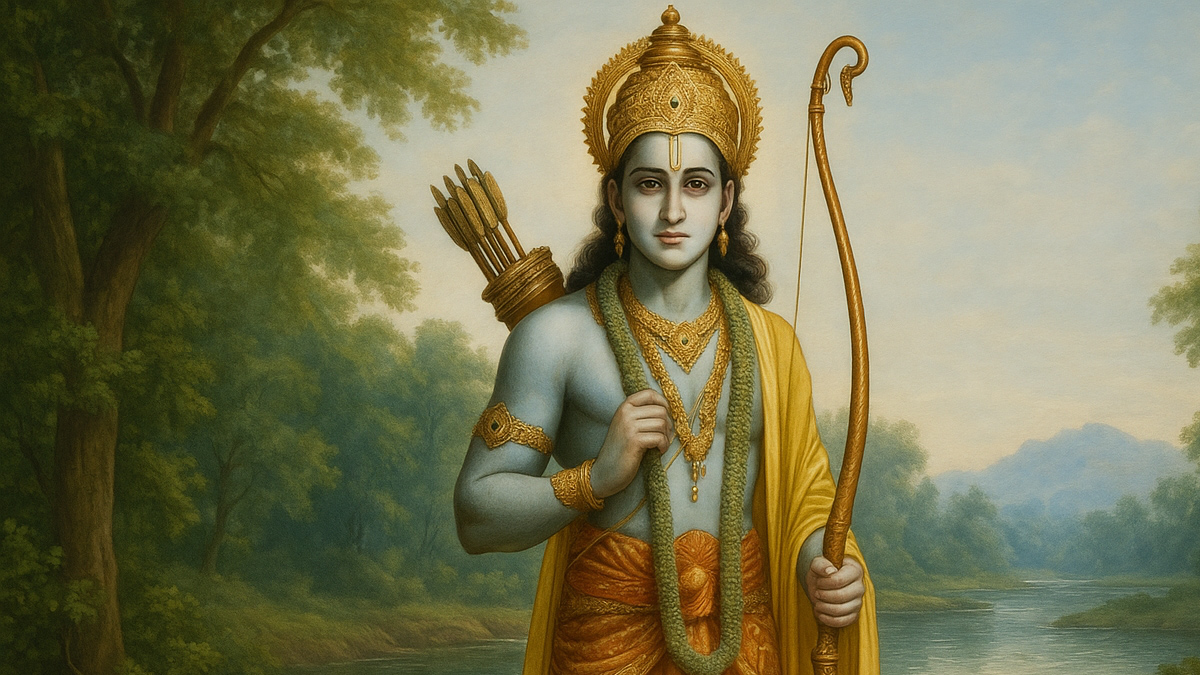
Deities and Sub DeitiesThe main deity of the Raghunath Temple is Rama. The temple complex houses many other deities of the Ramayana, including Surya and Shiva. The shrines are decorated with numerous icons and images related to the Ramayana, the Mahabharata, and the Bhagavad Gita.
-
OfferingsDevotees offer flowers, fruits, sweets, and coconuts as a symbol of devotion. Regular mantra chants and bhajans attract large crowds to the temple.
-
ArchitectureThe Raghunath Temple complex has seven shrines, depicting Lord Rama as the main deity along with other deities related to Ramayana.The shrine is octagonal, featuring a Surya icon at the entrance and a gold-plated inner chamber. The main shrine is also a mix of Hindu and Sikh architectural domes, surrounded in a pradakshina pattern with 15 wall panels decorated with Ramayana, Mahabharata, and Bhagavad Gita paintings. The temple has many sacred saligramas from Nepal and includes 300 images of deities with floral and geometric designs. The inner decorations remain the same, whereas the outer walls have been destroyed.
-
FestivalsSankranthi, the festival of Sun; Ram Navami, a festival dedicated to Lord Rama; Krishnajanmasthami, celebrating the birth of most loved god, Krishna—these festivals attract a large number of Rama, Krishna, Surya, and Shiva bhakths.
-
Religious PracticesThis temple houses a school and library that preserve ancient manuscripts and support religious education. Vedas, grammar, manuscripts (predominantly Devanagari) of Vedic literature, Music, Kavya, Drama, architecture, law, philosophy, Jyothishya, Nyaya, medicine, Puranas, Bhakthi, and Tantra, to name a few, and which are not available for sale.
FAQ's
Where is the Raghunath Temple located?
Which God is Rama?
What is the best time to visit Raghunath Temple?
How to reach Raghunath Temple from near City or Town?
In Himachal Pradesh
Near By Temples
-
 Sign in with Google
-
Block for 8 hours
-
Block for 12 hours
-
Block for 24 hours
-
Don't block


 Click it and Unblock the Notifications
Informed.
- Male
- Female
- Others
- Under 18
- 18 to 25
- 26 to 35
- 36 to 45
- 45 to 55
- 55+