


Nooranad Padanilam Parabrahma Temple, Padanilam,Mavelikkara
Padanilam,Mavelikkara, Kerala

Nooranad Padanilam Parabrahma Temple History and Significance
Padanilam Temple is believed to be swayambhu. Its actual history and the facts about how worship started there are unknown. Padanilam has been the administrative centre of Nooranad and it has the history of intense conflict between various karakal (territories) around the temple. This was for gaining control over the temple administration and thereby controlling the entire village. Due to this pada (battle/conflict), the place is said to have got its name. It is believed that the army troops of Kayamkulam Kingdom was camped near the temple for protecting the kingdom from the attack of neighbouring kings. During this period, the village had some chieftains and their supporters. They include Noorukodi Unnithans, Kadackal Kuruppans, Vettathasaans and Vettadickal Kuruppans.
Kayamkulam Raja withdrew his troops about four centuries ago. This initiated tensions between the chieftains for control of the village. Thus they divided into south and north, starting battle. The south side consisted of Noorukodi Karuppans and Kadackal Kuruppans. The other side had Vettathasans and Vettadickal Kuruppans with them. Twenty-two karakal supported their respective sides. During the battle, many soldiers of both the sides died in large numbers. They were buried in the chira near the temple. Even from very earliest of times, this temple was a blessing for the people in the surrounding areas. It is also believed that the battle was between Marthanda varma King on one side and Kayamkulam King on the other. The twenty-two karakals of Nooranad took side with the two kings. The common people started worrying about the devastation of the war and approached the Pazhoor Panamana Thampuran to find a solution to end the war. He tried to intervene but the parties were not in a position to stop. He made a tent in the eastern part of the temple and started fasting unto death. But that also did not deter the warring parties. But when he was on the verge of death due to the fast, they fearing the Brahmanasaapam, agreed to stop war. They demarcated the boundary in the north-south direction and stopped the war in the name of Parabrahma, the presiding deity of the temple.
Nooranad Padanilam Parabrahma Temple Pooja Timing
| Pooja Name | Timings |
|---|---|
| Nirmalyam | 4:30 AM |
| Usha Pooja | 6:00 AM |
| Ucha Pooja | 12:00 PM |
| Athazha Pooja | 7:30 PM |
Nooranad Padanilam Parabrahma Temple Location Details
How to Reach Nooranad Padanilam Parabrahma Temple
By Road:
By Train:
By Air:
Nooranad is well-connected by road to major towns in Kerala. State Transport Buses and private taxis operate regularly from nearby towns like Kollam, Alappuzha, and Kayamkulam.
Nearest railway stations: Kayamkulam Junction (around 20 km away) and Mavelikara Railway Station (approximately 15 km away). From these stations, buses or taxis are available to Nooranad.
Nearest airport: Trivandrum International Airport (approximately 100 km away). From the airport, you can take a taxi or bus to Nooranad via connecting cities like Kollam or Kayamkulam.
Nooranad Padanilam Parabrahma Temple Nearby Temples
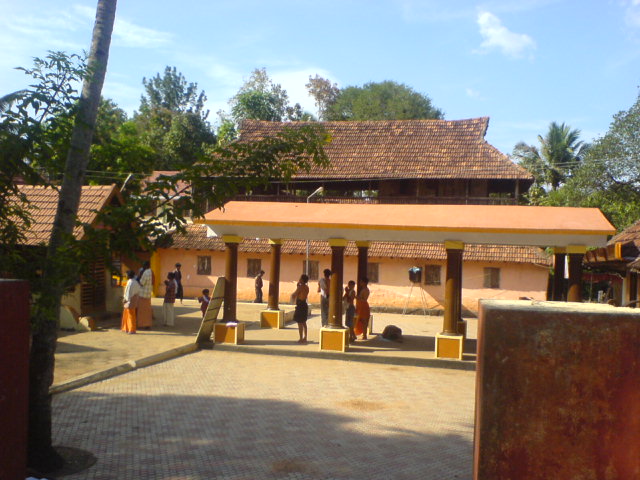
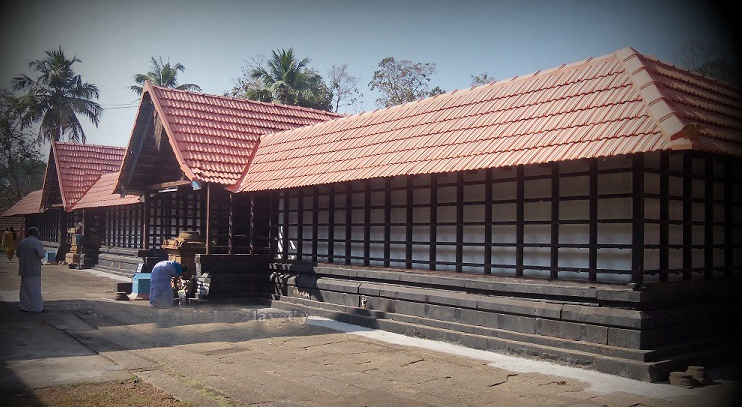
Nooranad Padanilam Parabrahma Temple Visitor Information & Tips
Best time to visit (season/months):
The best time to visit is between November and March when the weather is pleasant and ideal for temple visits. Avoid the monsoon season (June to September) due to heavy rainfall that may disrupt travel plans.
Nooranad Padanilam Parabrahma Temple Interesting Facts
-
Legends BeliefsPadanilam Temple is believed to be swayambhu. The name Padanilam is derived from the word 'pada' meaning battle, referring to the historical conflicts for control over the temple. It is said that the army of Kayamkulam Kingdom camped near the temple to protect the kingdom from neighbouring attacks. The chieftains of the village, including Noorukodi Unnithans and Kadackal Kuruppans, played significant roles in these conflicts.After the Kayamkulam Raja withdrew his troops, tensions rose among the chieftains, leading to battles between the north and south factions. The south side included Noorukodi Karuppans and Kadackal Kuruppans, while the north side had Vettathasans and Vettadickal Kuruppans. Twenty-two karakal supported their respective sides. Many soldiers died and were buried near the temple. The battle is also believed to have involved Marthanda Varma King and Kayamkulam King, with the karakals taking sides. The common people sought help from Pazhoor Panamana Thampuran to end the war. He fasted unto death, leading the warring parties to stop the conflict in the name of Parabrahma.
-
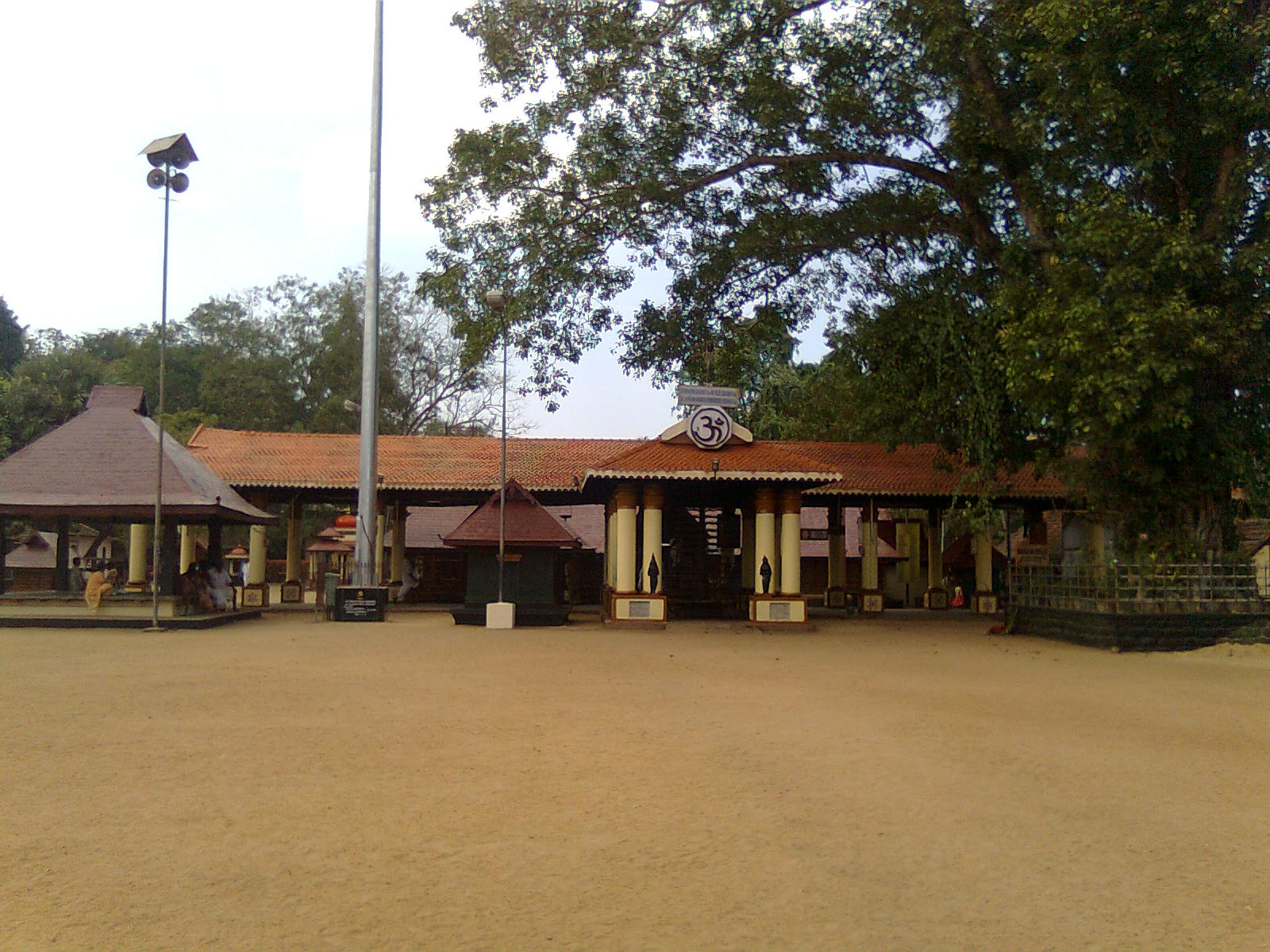
Deities and Sub DeitiesThe main deity of the temple is Parabrahma, also known as Omkaram. The temple does not have a proper idol; instead, a stone image of 'OM' is placed under a natural roof formed by tree leaves. The temple is unique in that it has no protective walls or roofs, and the priests are not necessarily Brahmins. Non-Hindus are permitted to enter the temple and participate in all celebrations, including Shivarathri kettukazhcha. Vibhuti (holy ash) is given to devotees instead of sandalwood paste.
-
OfferingsDevotees can stay in the temple compound for the first 12 days of the month Vrischikam to perform bhajan for Lord Parabrahman. Special huts are made in the temple premises for this purpose, and the number of huts increases each year. The temple also serves as a resting place for Ayyappa devotees coming from various places, providing dried ginger coffee and light food for Sabarimala devotees.
-
ArchitectureThe temple has no protective walls or roofs. There is no proper idol in the temple; only a stone image of 'OM' is placed under a natural roof formed by tree leaves. The temple neither opens nor closes, and rituals like Nada thurappu (opening of the temple in the dawn) and Nada adakkal (closing of the temple during night) are not performed. Non-Hindus are permitted to enter the temple and participate in all celebrations. Vibhuti (holy ash) is given to devotees instead of sandalwood paste.
-
FestivalsSivarathri is the main festival in the temple. Giant effigies of bulls, known locally as kettukala, are pulled to the temple from 15 territories (kara) of the temple. Some of these have a height of more than 50 feet. Thousands come to the temple on Sivarathri day to see the kaavadiyattam for Lord Subrahmanyan in the morning. Kettulsavam is the most spectacular sight of the festival and is held in the evening. The rituals and programmes only end at midnight.Other festivals in the temple include Vrischika mahotsavam, which is celebrated during the first 12 days of the Malayalam month of Vrischikam. The ending day of the festival is called Panthrand Vilakk. Each year during Vrischika mahotsavam, the temple administration gives the Parabrahma Chaithanya Award to notable personalities for their contributions in their respective fields. Other festivals include Irupathiyettamonam, Mandala Chirappu, and Sapthaha yajnam. Many marriages are also conducted in this temple, as marriage in this temple is considered auspicious.
-
Religious PracticesThe temple has no protective walls or roofs. The priests are not necessarily Brahmins. The temple neither opens nor closes, and rituals like Nada thurappu (opening of the temple in the dawn) and Nada adakkal (closing of the temple during night) are not performed. Non-Hindus are permitted to enter the temple and participate in all celebrations. Vibhuti (holy ash) is given to devotees instead of sandalwood paste. Devotees can stay in the temple compound for the first 12 days of the month Vrischikam to perform bhajan for Lord Parabrahman. Special huts are made in the temple premises for this purpose, and the number of huts increases each year. The temple also serves as a resting place for Ayyappa devotees coming from various places, providing dried ginger coffee and light food for Sabarimala devotees.
FAQ's
Where is the Nooranad Padanilam Parabrahma Temple located?
Which God is Parabrahma?
What is the best time to visit Nooranad Padanilam Parabrahma Temple?
How to reach Nooranad Padanilam Parabrahma Temple from near City or Town?
In Kerala
Murugan Temples
Near By Temples
- Pandalam Mahadeva Temple
- Valiyakoikkal Sastha Temple
- Pandalam Valiakoikkal Ayyappa Temple
- Thumpamon Vadakkumnatha Temple
- Mullikulangara Devi Temple
- Trichennamangalam Mahadevar Temple
- Kandiyoor Mahadeva Temple
- Kandiyoor Sree Mahadeva Temple
- Chettikulangara Sree Bhagavathi temple
- Chettikulangara Bhagavathy Temple
-
 Sign in with Google
-
Block for 8 hours
-
Block for 12 hours
-
Block for 24 hours
-
Don't block


 Click it and Unblock the Notifications
Informed.
- Male
- Female
- Others
- Under 18
- 18 to 25
- 26 to 35
- 36 to 45
- 45 to 55
- 55+