


Manapullikavu, East Yakara, Palakkad
East Yakara, Palakkad, Kerala

Manapullikavu History and Significance
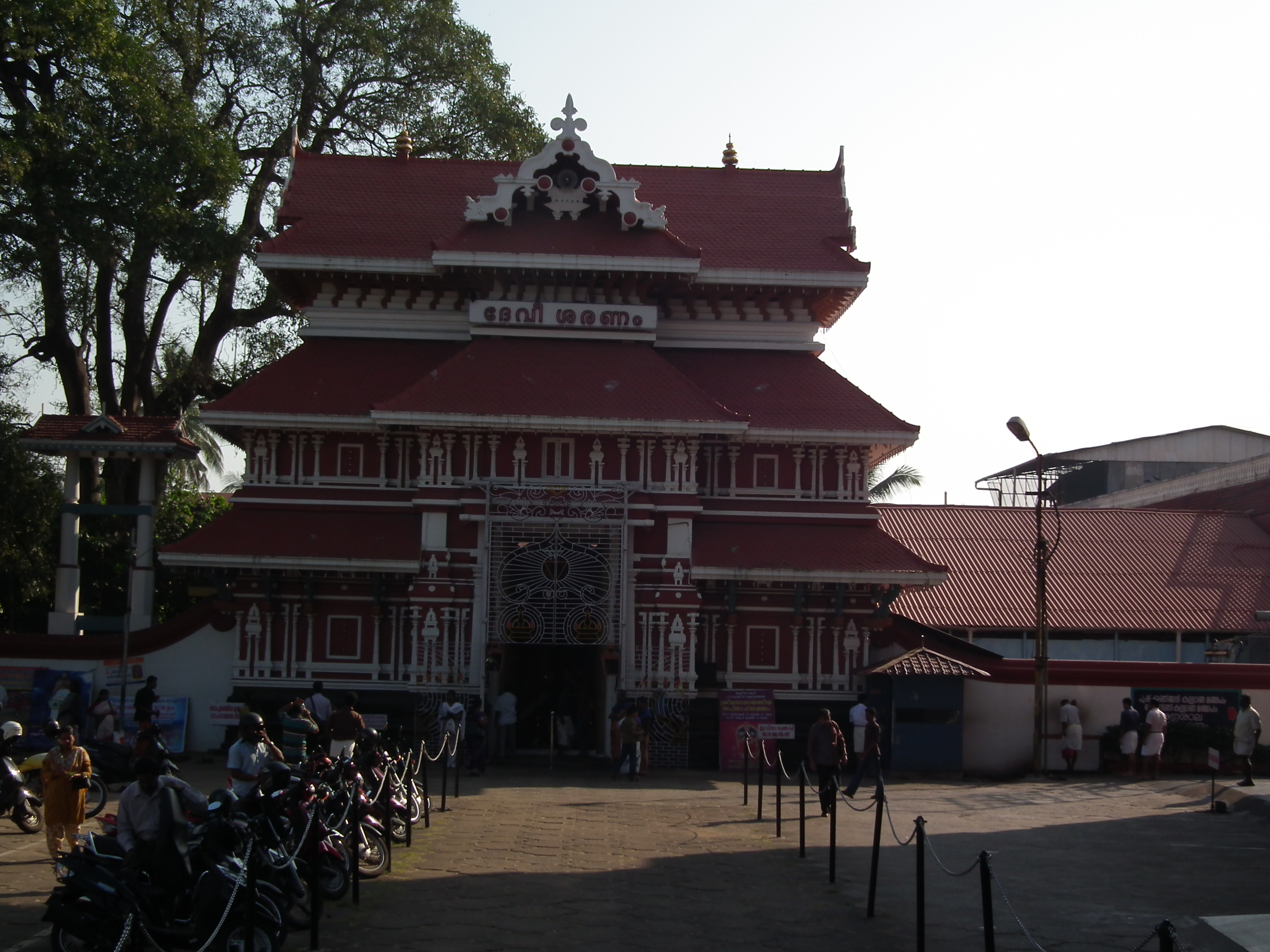
Sri Manappully Bhagavathy Temple has a very ancient history. It is believed that the temple originally belonged to Sri Mattappilly Bhadrakali Mana, a famous Kerala Brahmin family. Numerous Brahmin families living on the banks of the Holi River Sokanasini used to perform ‘Yagas’ on the river bed. Thus, the area came to be known as ‘Yaga-kara’ which later became ‘Yakkara’. The eastern part of Yakkara where the temple is located is called East Yakkara, and the other side is West Yakkara. It is believed that the ‘Moolasthanam’ of Bhagavathy was at West Yakkara and was subsequently shifted to the present Sanctum Santorum of the East Yakkara temple.
Manapullikavu Pooja Timing
| Pooja Name | Timings |
|---|---|
| Nirmalyam | 4:30 AM |
| Usha Pooja | 6:00 AM |
| Ucha Pooja | 12:00 PM |
| Deeparadhana | 6:30 PM |
Manapullikavu Location Details
How to Reach Manapullikavu
By Road:
By Train:
By Air:
Palakkad is well-connected by road to major towns in Kerala. State Transport Buses and private taxis operate regularly to Manapullikavu Temple.
Nearest railway stations: Palakkad Junction and Palakkad Town Railway Station. From these stations, buses or taxis are available to reach Manapullikavu Temple.
Nearest airport: Coimbatore International Airport (approximately 55 km away). From the airport, you can take a taxi or bus to Palakkad via connecting cities.
Manapullikavu Nearby Temples
Manapullikavu Visitor Information & Tips
Best time to visit (season/months):
The best time to visit is between October and March when the weather is pleasant. Avoid the monsoon season (June to September) due to heavy rainfall.
Other Bhagavathi Temples
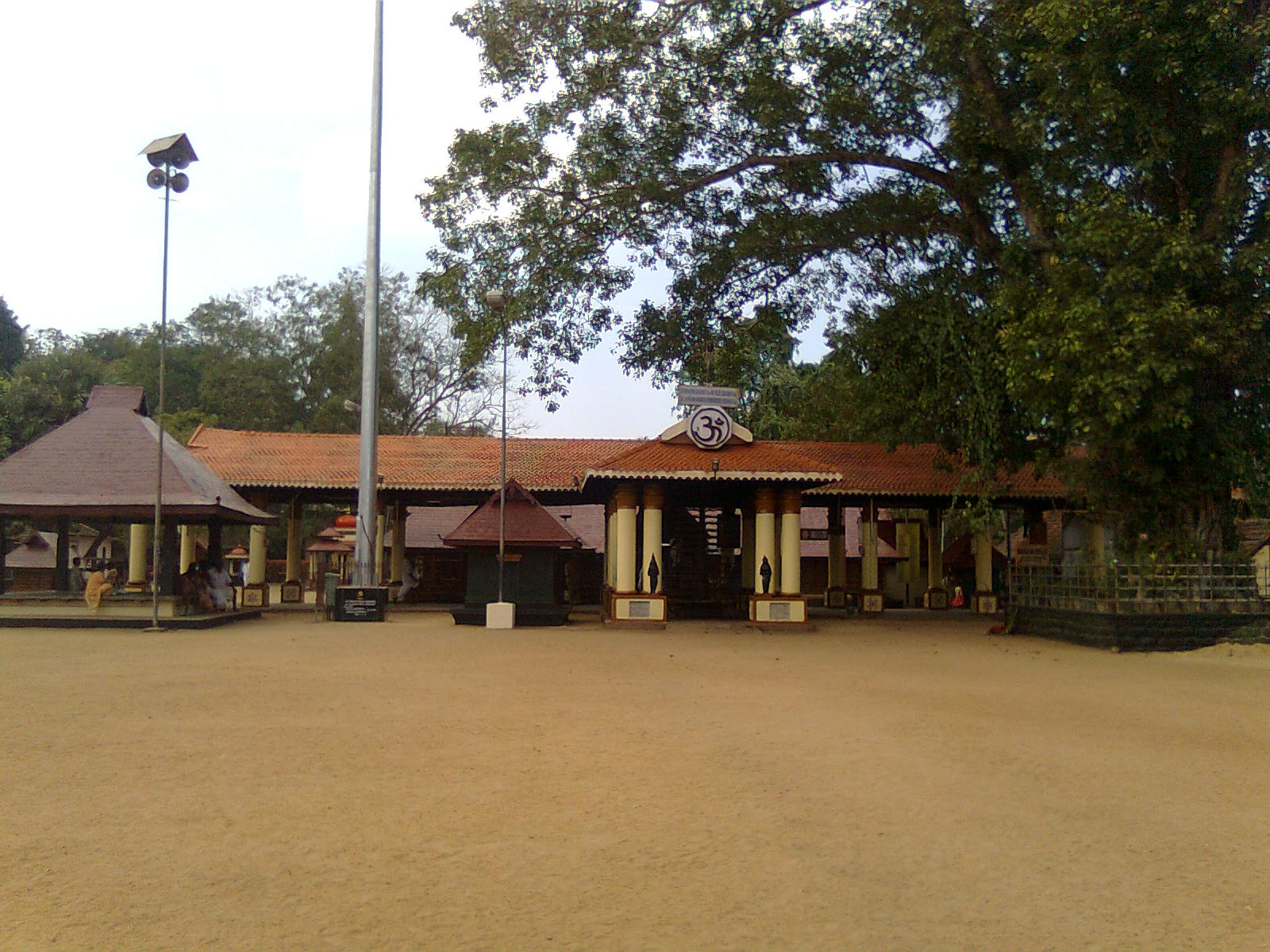
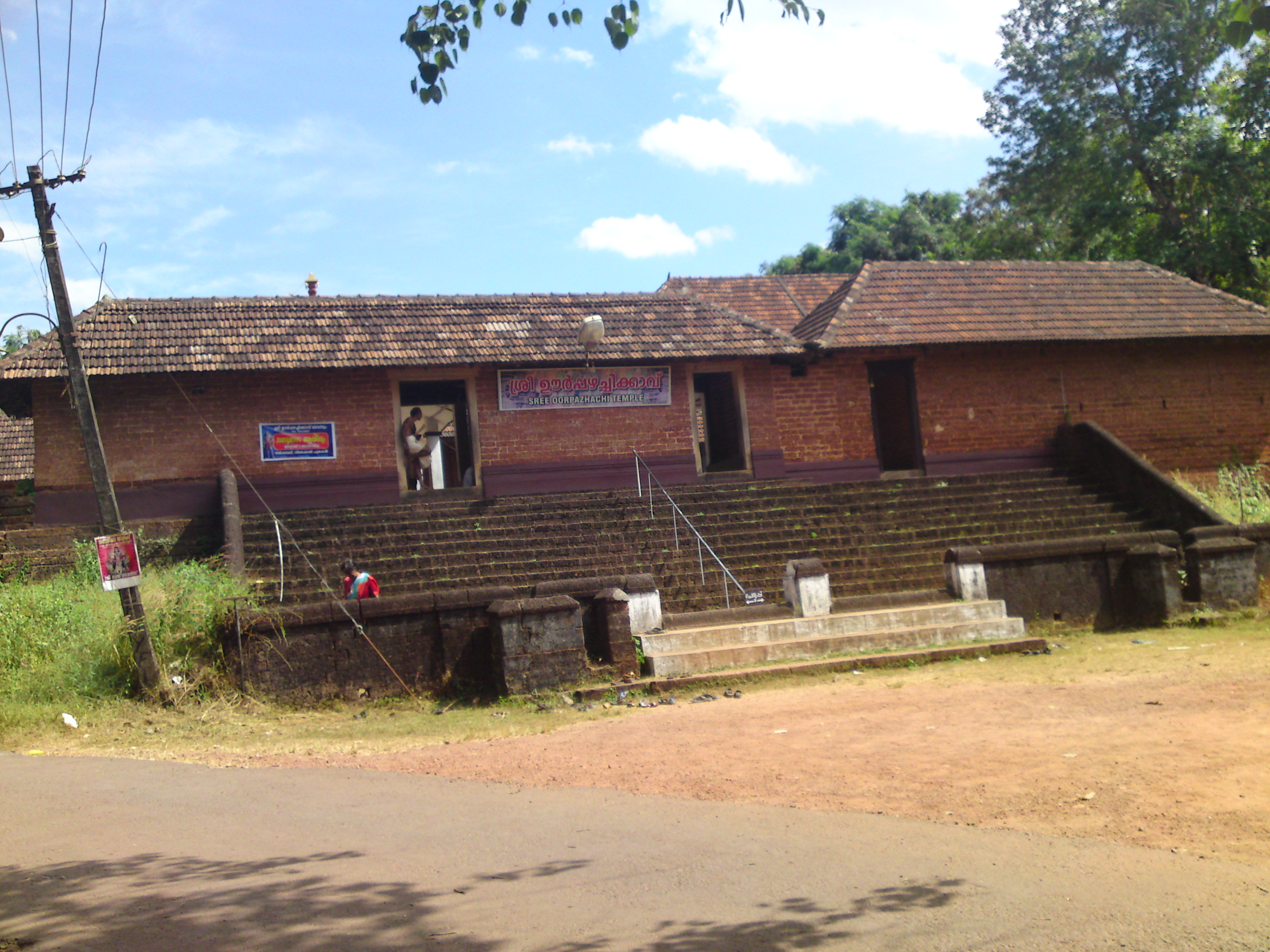
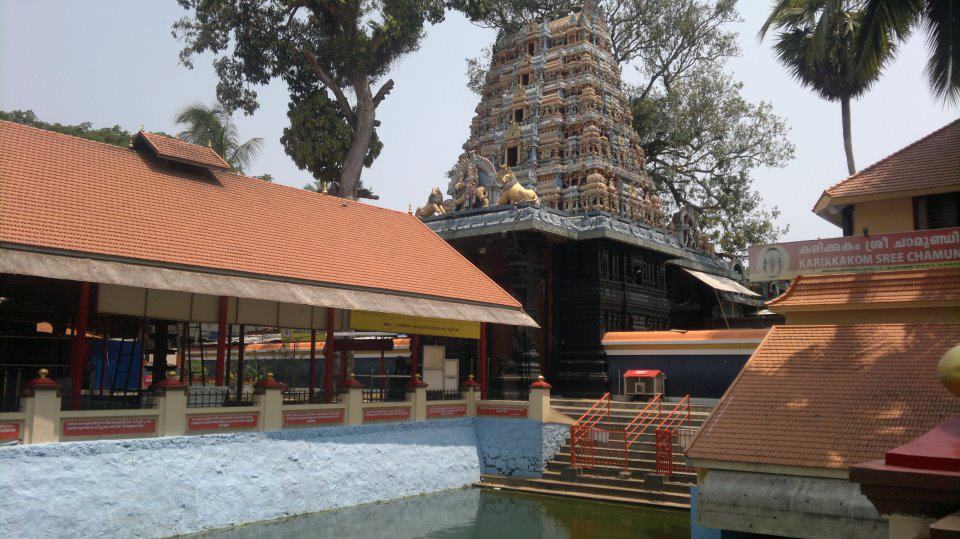

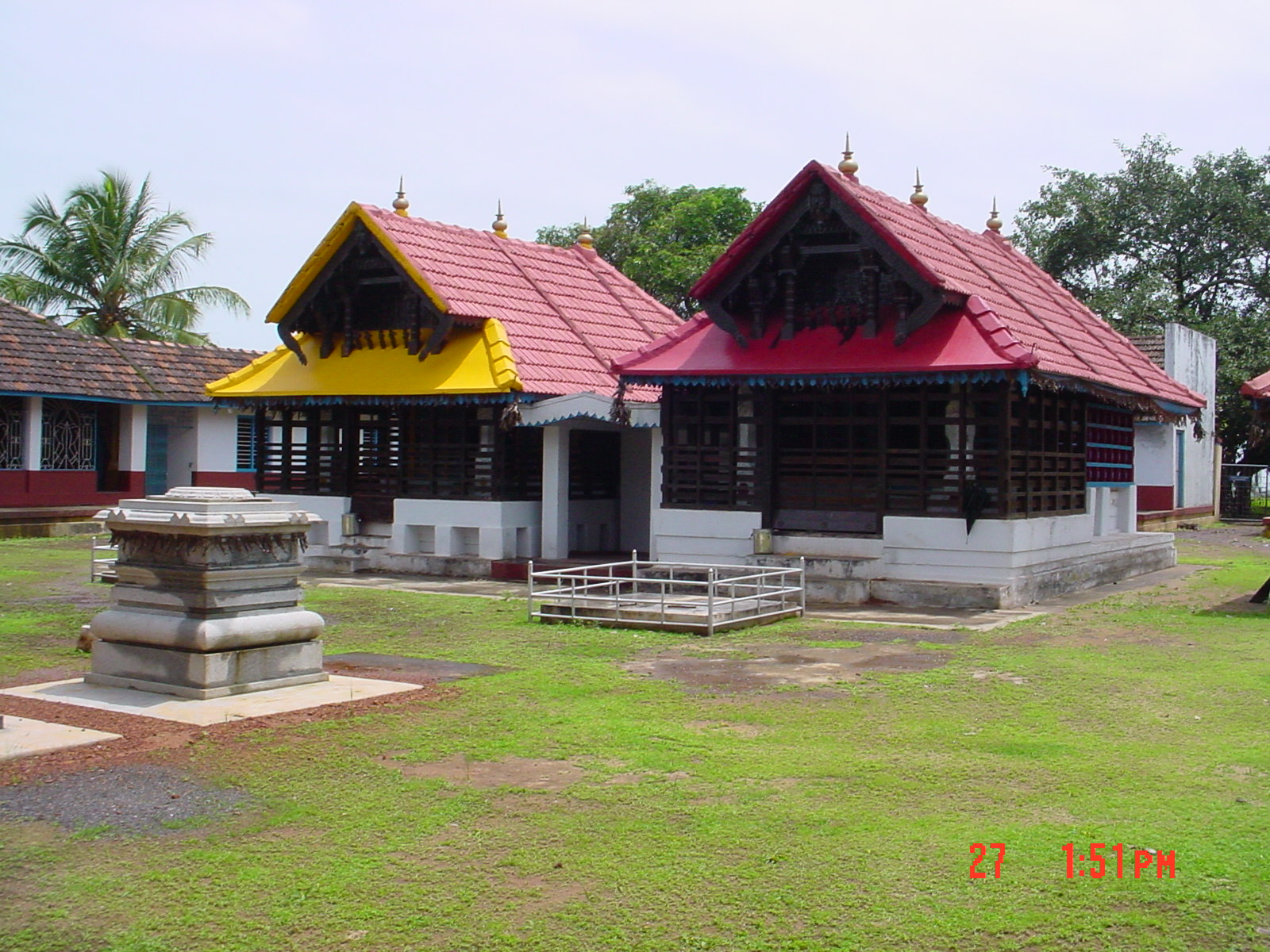
Manapullikavu Interesting Facts
-
Legends BeliefsAccording to a legendary myth about the temple, an Asura called Neelan was disturbing the people with his misdeeds and became a menace to them. The people complained to Parasuraman, who sought a remedy from Lord Paramasiva. Paramasiva incarnated his female personality to Bhadra Kali and sent her to Akamalavaram to kill Neelan. After killing Neelan, Kali became Manappulli Bhagavathy, showering prosperity on her devotees.
-
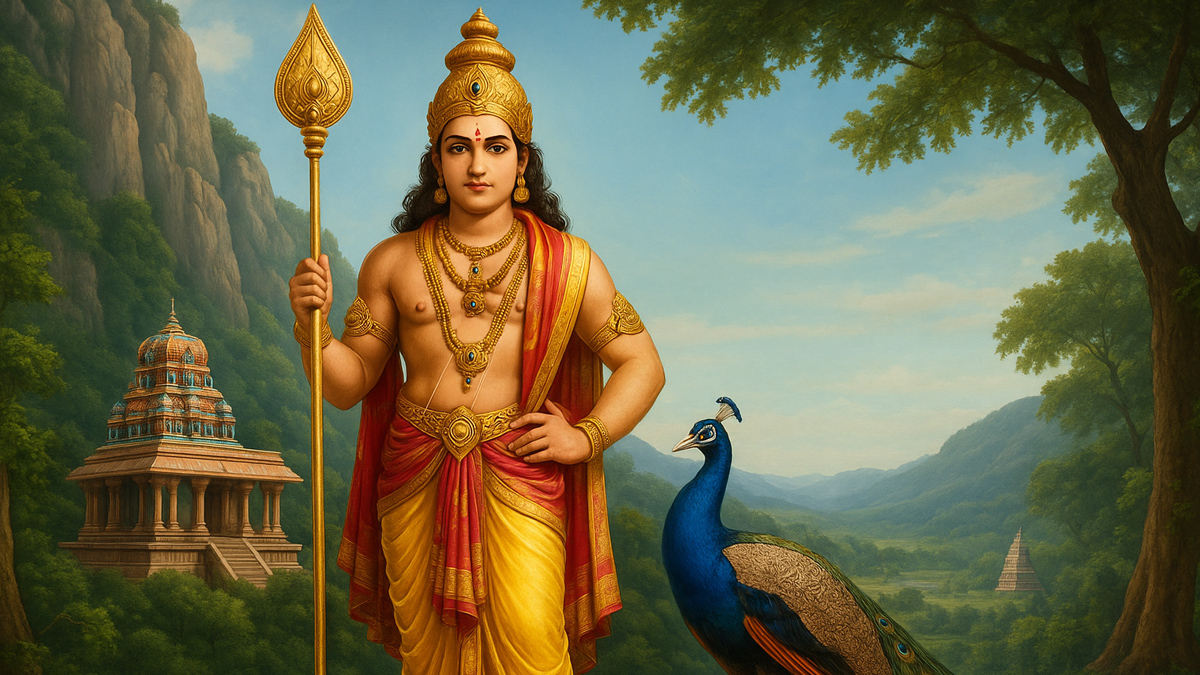
Deities and Sub DeitiesSree Manappulli Bhagavathi is Bhadrakaali and was born out of the sacred 'Jada' of Lord Shiva during Dakshayaga. She is black in colour, with four hands, each one having Soolam, Kapalam, Gadkam, and Khedam. She has three eyes, two ‘Dhamshtram’, with ‘Pattudayada’ and valuable ornaments. The Prathishta is in ‘Shanta Bhava’. During ‘Chandattam’ ceremony, she turns to ‘Rudra Bhava’ and becomes ‘Shanta Swaroopini’ after accepting the ‘Kadummadura Payasa Nivedyam’. She is believed to satisfy the desires, hopes, and aspirations of her true devotees and also protect them from all evils.
-
OfferingsThe people make offerings to the Goddesses in their ‘Thattakam’ in the form of agricultural produce related to seasonal agriculture. They pray for a good harvest and celebrate ‘Kathir’ on the third Friday of the Malayalam month of ‘Vrichikam’. On this day, a procession carrying ‘Sarodam’ is taken out in the evening from the premises of Lord Muniyappan temple and culminates at the Manappully Bhagavathy temple at dusk.
-
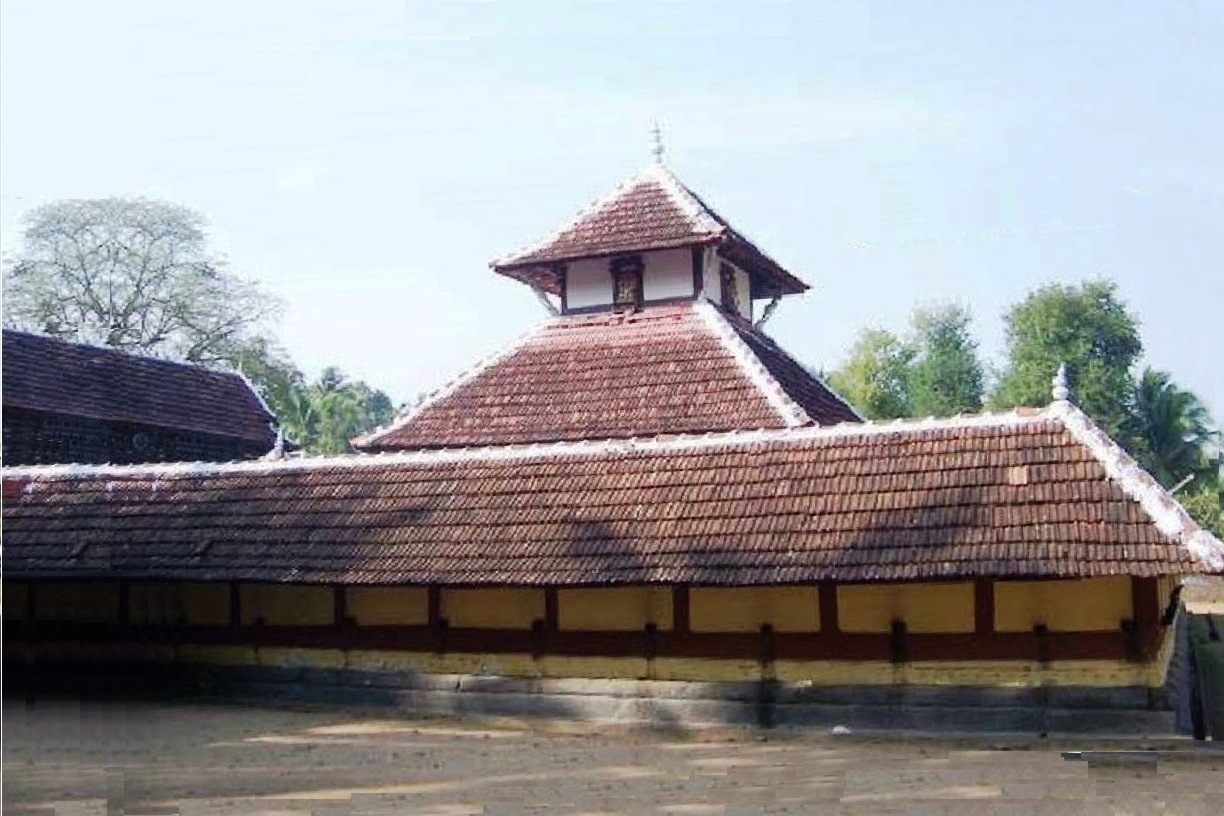
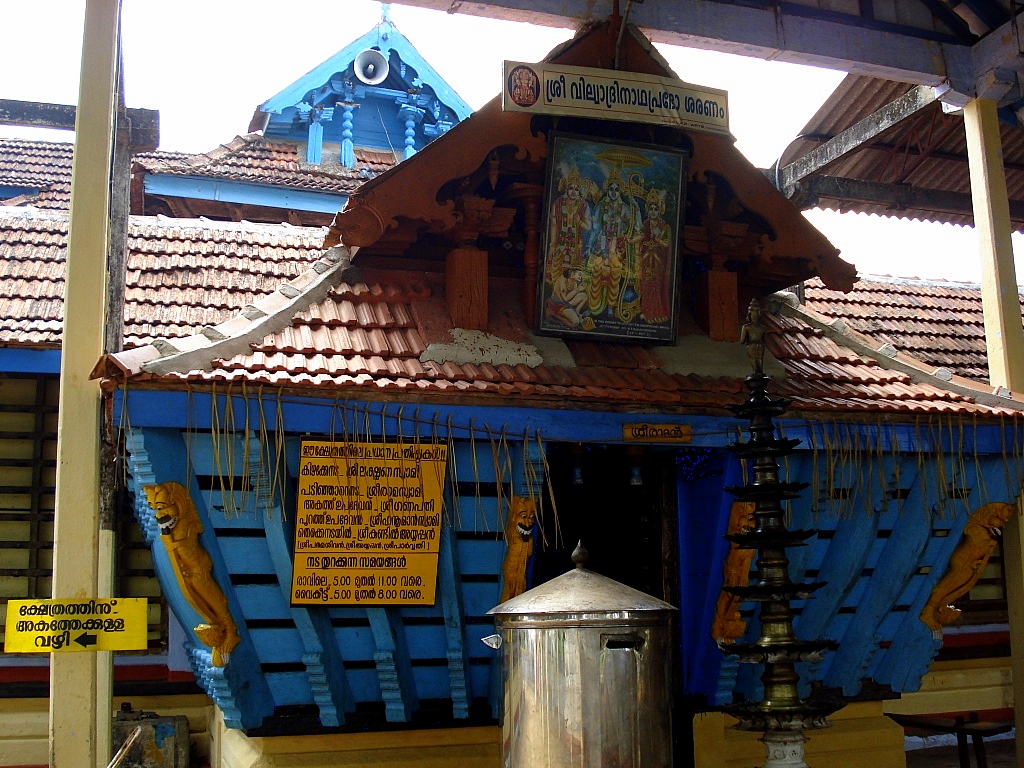
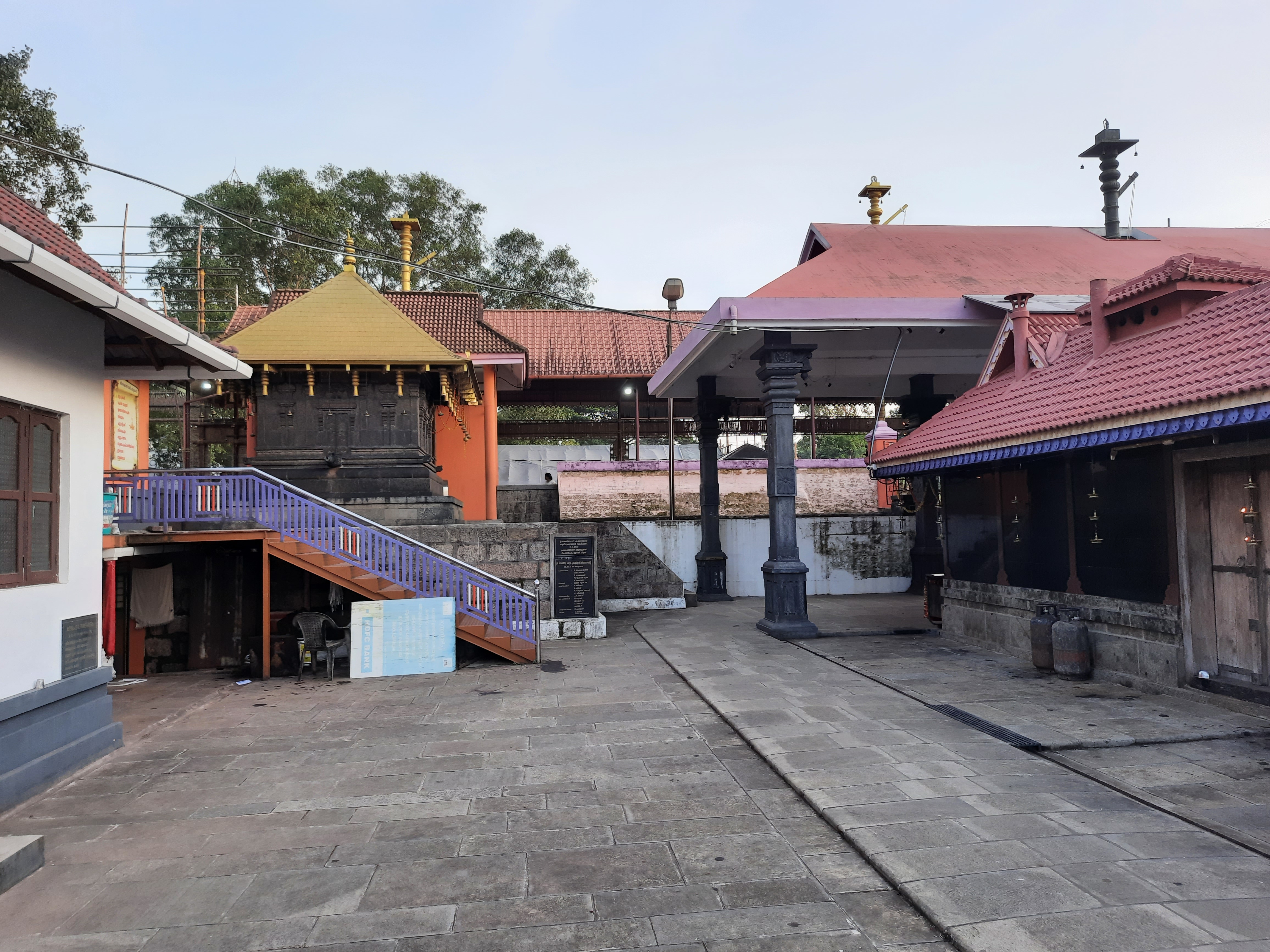
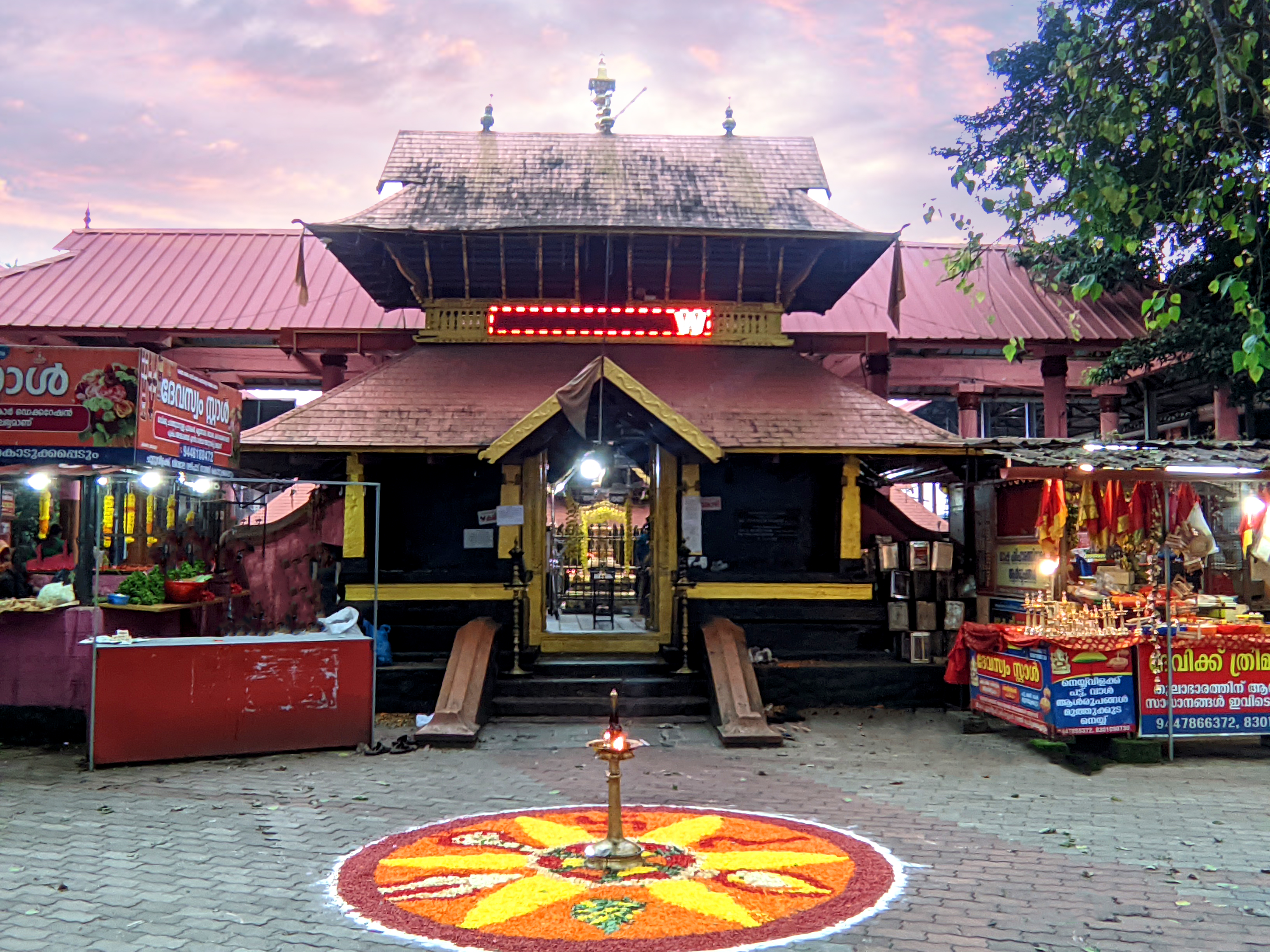
ArchitectureThe temple is situated on the Palakkad–Chittur road, hardly 200 meters away from the National Highway 544. Earlier, the temple was under the private ownership of the ‘Kenath Family’. Now, it is under the Malabar Devaswom Board (MDB). Kariyannur Manakkal Bavathrathan Namboothiripad of Pattambi is the Thanthri (Head Priest) of the temple now.
-
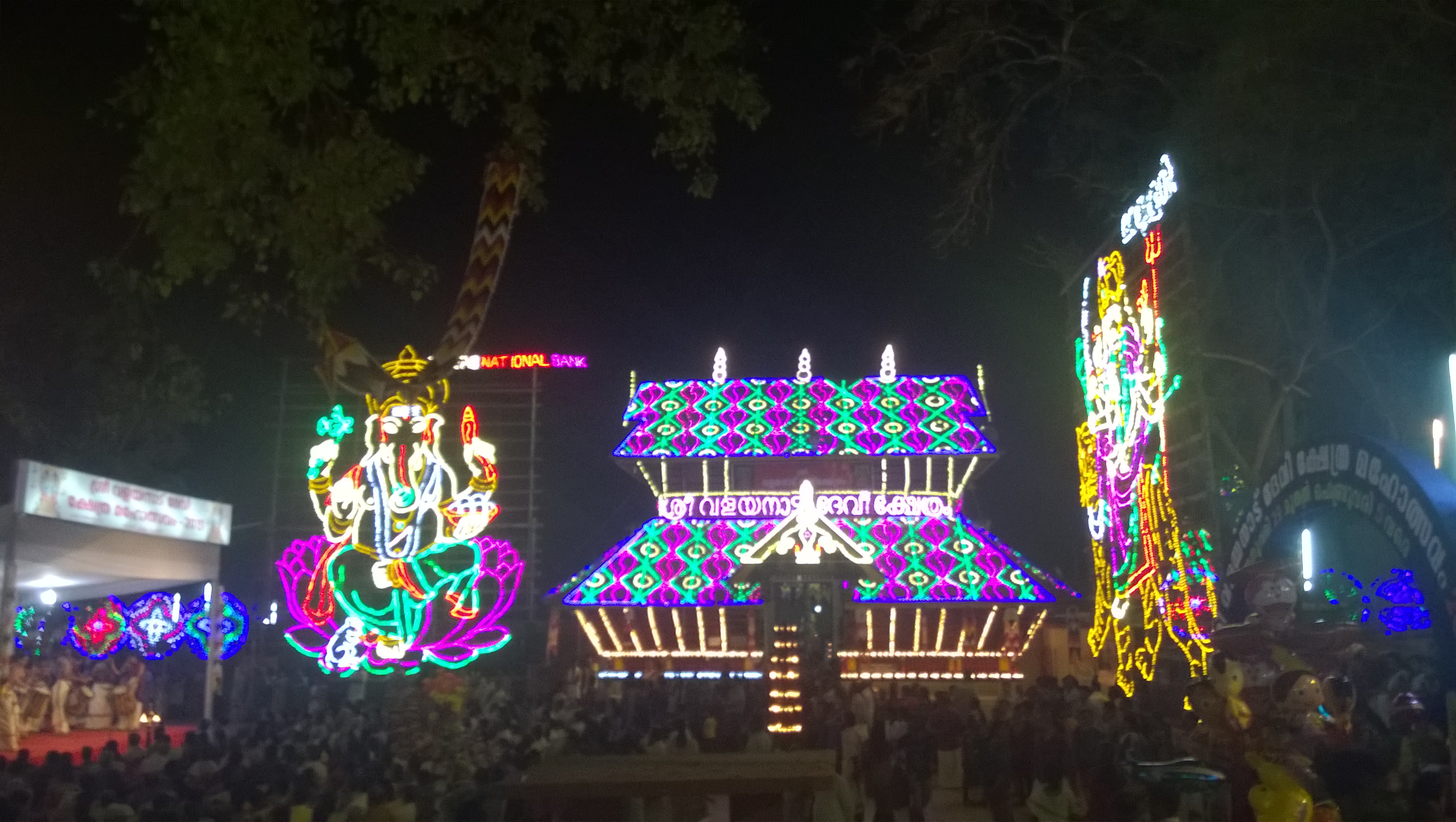
FestivalsSome of the major festivals here are Vishu, Onam, Diwali, and the great Manapulli Vela. This place is also well known for its temple processions, which are conducted with nearly seventeen tuskers. The Manapulli Vela is glorified by firework displays, panchavadya-performances, Kathakali, Ootam Thullal, Katha Prasangam, and various other cultural arts.The Vela is celebrated between the last week of February and the first week of March based on the Malayalam Calendar year. ‘Kanyar’ is conducted on the first Friday of the Malayalam month ‘Kumbam’ and the Vela is invariably conducted on the 14th day after ‘Kanyar’ (Kodiyettam). A Vela Committee is constituted for the proper conduct of the Vela Festival. The entire expenditure for the festival is met from donations received from the devotees.After the Kodiyettam, many cultural events are organised in the evenings for 14 days culminating on the day of Vela, by renowned folk/cultural artists of the state which attract huge crowds. Lot of devotees from various places come and worship Bhagavathy on Vela day. The Vela day starts early with special poojas and in the afternoon, Bhagavathy starts her vela procession. It is considered that on the invitation extended by the ‘Desakkar’ (locals) with ‘Upacharam Chollal’, Bhagavathy comes out of the ‘Sanctum Sanctorum’ for the ‘Vela Procession’, mixing up with her devotees for uniting her ‘Thattakam’ and eliminating all the evils.It is noted that on Vela day, neither the usual ‘Deeparadhana’ nor the ‘Athazhapuja’ is performed, as Bhagavathy is celebrating Vela with the ‘Desakkar’. The ‘Deeparadhana and ‘Athazhapuja’ of Vela day will be performed on the next day after ‘Sudhi’ (cleansing ceremony). The ‘Chaandh Abishekam’, one of the important pooja during the Vela day, attracts flocks of devotees. ‘Vedikettu’ (Fireworks) is also an important attractive element of the festival which takes place in the late evening when the Vela procession reaches back to the temple from Fort Maidan and also in the early morning.Bhagavathy is very fond of fireworks as she is considered to be born from the Jada of Paramasiva with fire and thunder. On the Vela day, the ‘nada’ is opened only after Karimarunnu is lit in front of Bhagavathy’. Annadanam’ (offering of food) is conducted in which thousands of devotees take part. The day of Vela is declared as a local holiday by the government which shows the importance of the festival.Other significant features of the Vela are the other Velas from other desams (areas) such as West Yakkara, Vadakkanthara, Vennakkara, and Koppam which also congregate at the Fort Maidan. While the East Yakkara Manappullikavu Vela remains separate at the fort entrance gate when the ‘Panchavadyam’ is in full swing. The East Yakkara Manappulli Bhaghavathy Vela consisting of the famous caparisoned Elephants, folk arts, Panchavadyam etc., reach back to the temple. Plenty of chariots (Bullock carts and other motorised vehicles) also form part of the Vela procession. When the Vela returns to the temple, the ‘Panchavadyam’ reaches its mesmerising peak making the people literally dance and jump. After this, the spectacular fireworks start, leaving the huge crowd spellbound. A vast sea of humanity assembles at the temple premises to witness this spectacular show.After the Fireworks, the renowned ‘Pandimelam’ performed by hundreds of eminent artists begins. At midnight stage programmes will be performed. Early morning, the ‘Raavela’ starts. The highlight of ‘Raavela’ is lighting of ‘Kambam’. ‘Kambam’ is considered as ‘Paramasivas’ Jada and lighting it with ‘Karimarunnu’ makes symbolic representation of Bhadrakalis’ ulpathi. After this, Bhagavathy enters the Temple. The ‘Kanyar’ pole is plucked by Elephant to mark the end of the festival. Sudhi is performed as Bhagavathy was outside the shrine with the devotees to celebrate her Vela. ‘Eeduvedi’ announces the conclusion of Vela.It is believed that after the evening Aarthi Bhagawathy goes to the Moolasthanam which is behind the present main temple (2 km) and returns to the Main Temple in the Morning.Also, the Easwara Pooja for Bhairavar is very special and by performing Muttu at Bhairavar keeps the Evil forces away - The Ultimate Protection.Manappalli Bhagawathy is the family deity and so followers perform the Pooja and do an offering before starting any function such as marriage; after the marriage, the newlyweds go to the temple and take the blessings.
-
Religious PracticesManappalli Bhagawathy is the family deity, and followers perform the Pooja and do an offering before starting any function such as marriage. After the marriage, the newlyweds go to the temple and take the blessings. The Easwara Pooja for Bhairavar is very special, and by performing Muttu at Bhairavar, it keeps the evil forces away, providing ultimate protection.
FAQ's
Where is the Manapullikavu located?
Which God is Sree Manappully Bhagavathy?
What is the best time to visit Manapullikavu?
How to reach Manapullikavu from near City or Town?
In Kerala
Vishnu Temples
Near By Temples
-
 Sign in with Google
-
Block for 8 hours
-
Block for 12 hours
-
Block for 24 hours
-
Don't block


 Click it and Unblock the Notifications
Informed.
- Male
- Female
- Others
- Under 18
- 18 to 25
- 26 to 35
- 36 to 45
- 45 to 55
- 55+