


Kola Valvill Ramar Temple, Tiruvelliyangudi
Tiruvelliyangudi, Tamil Nadu

Kola Valvill Ramar Temple History and Significance
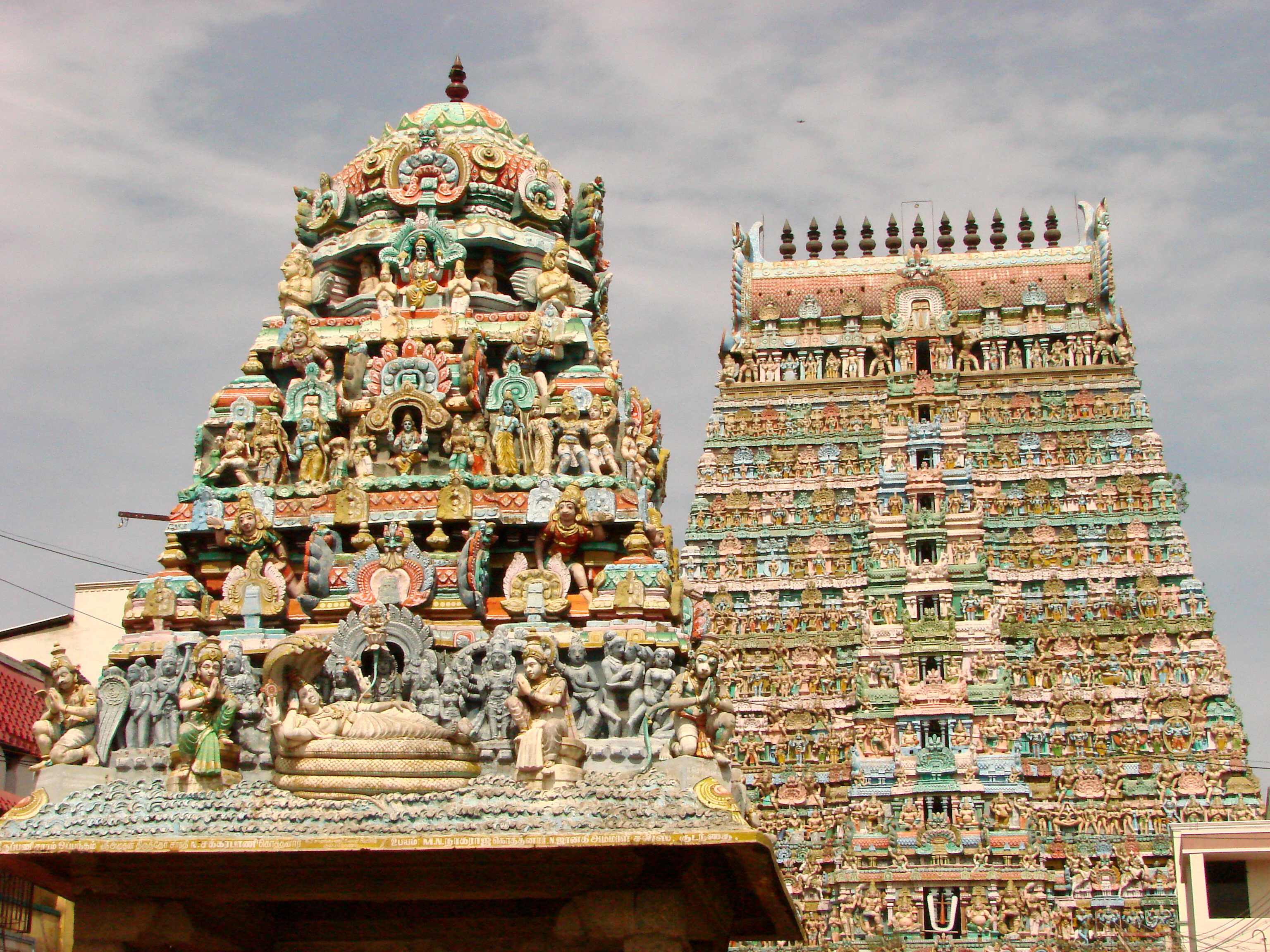
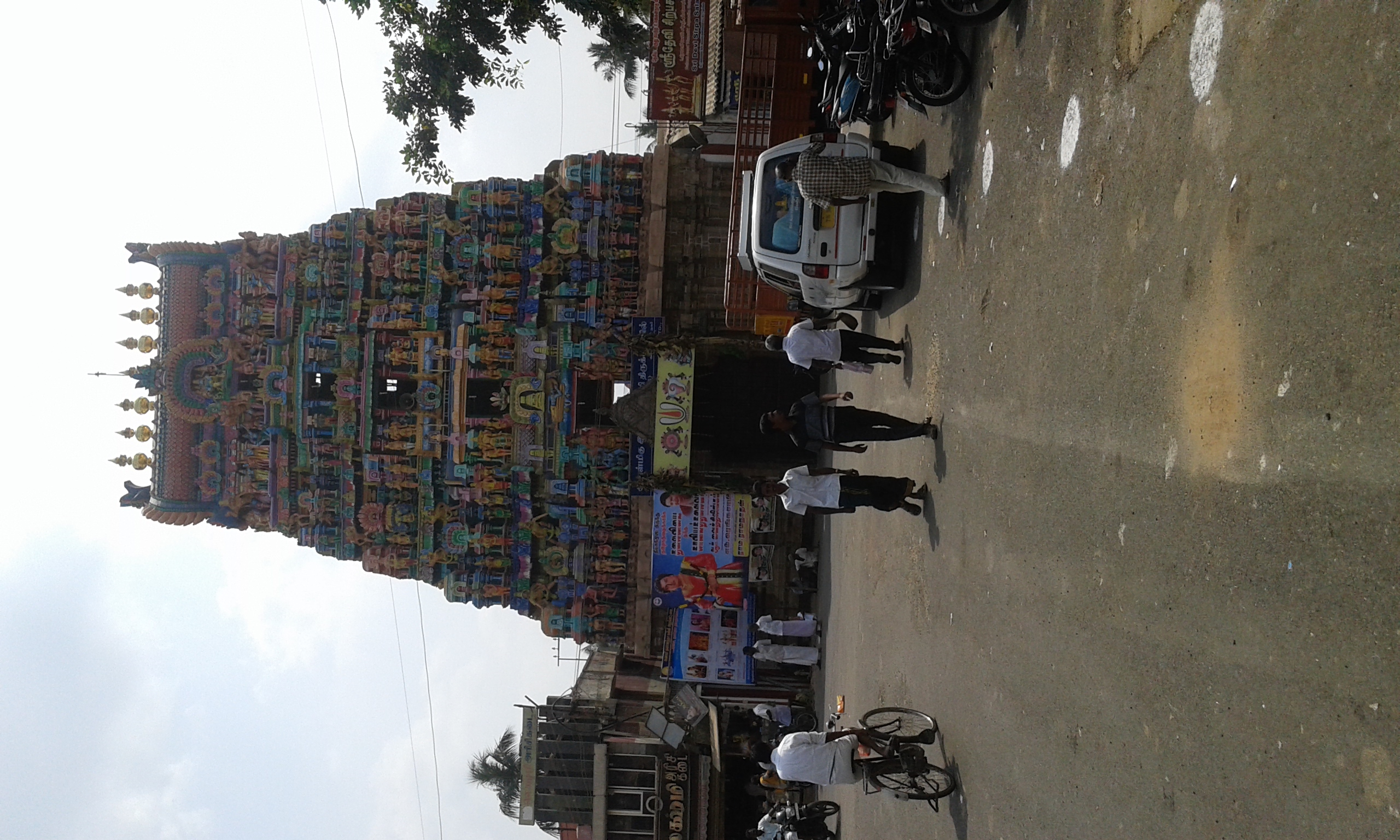
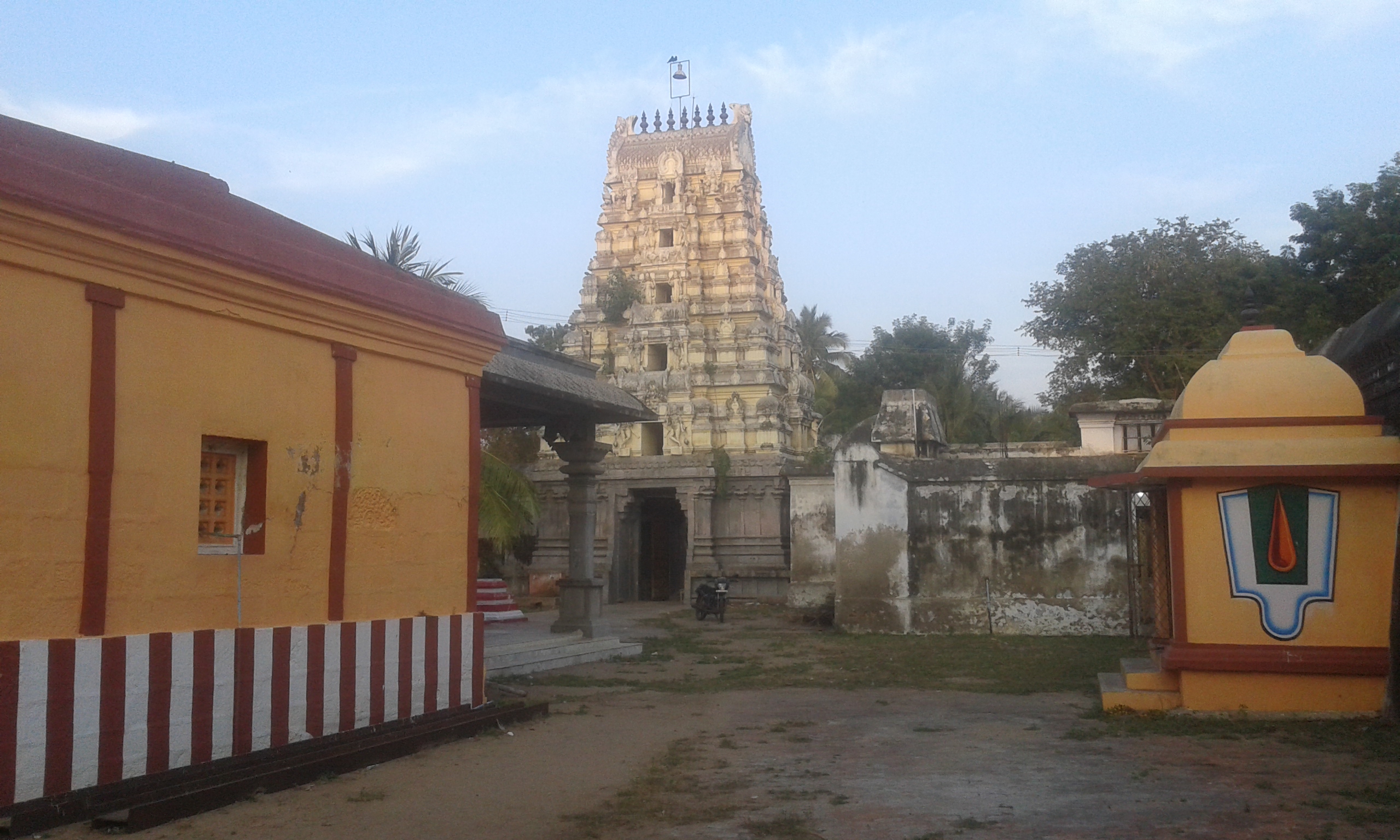
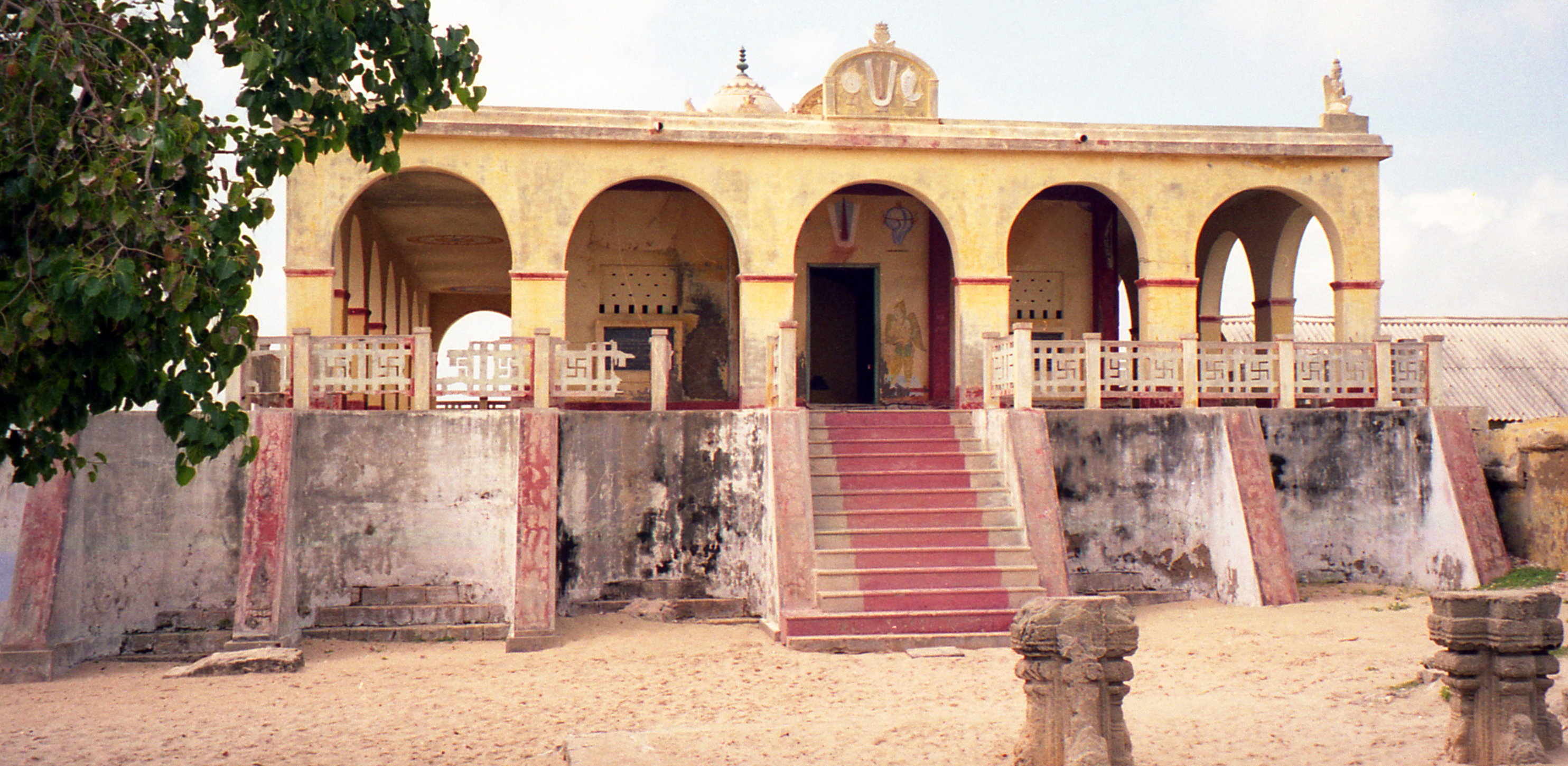
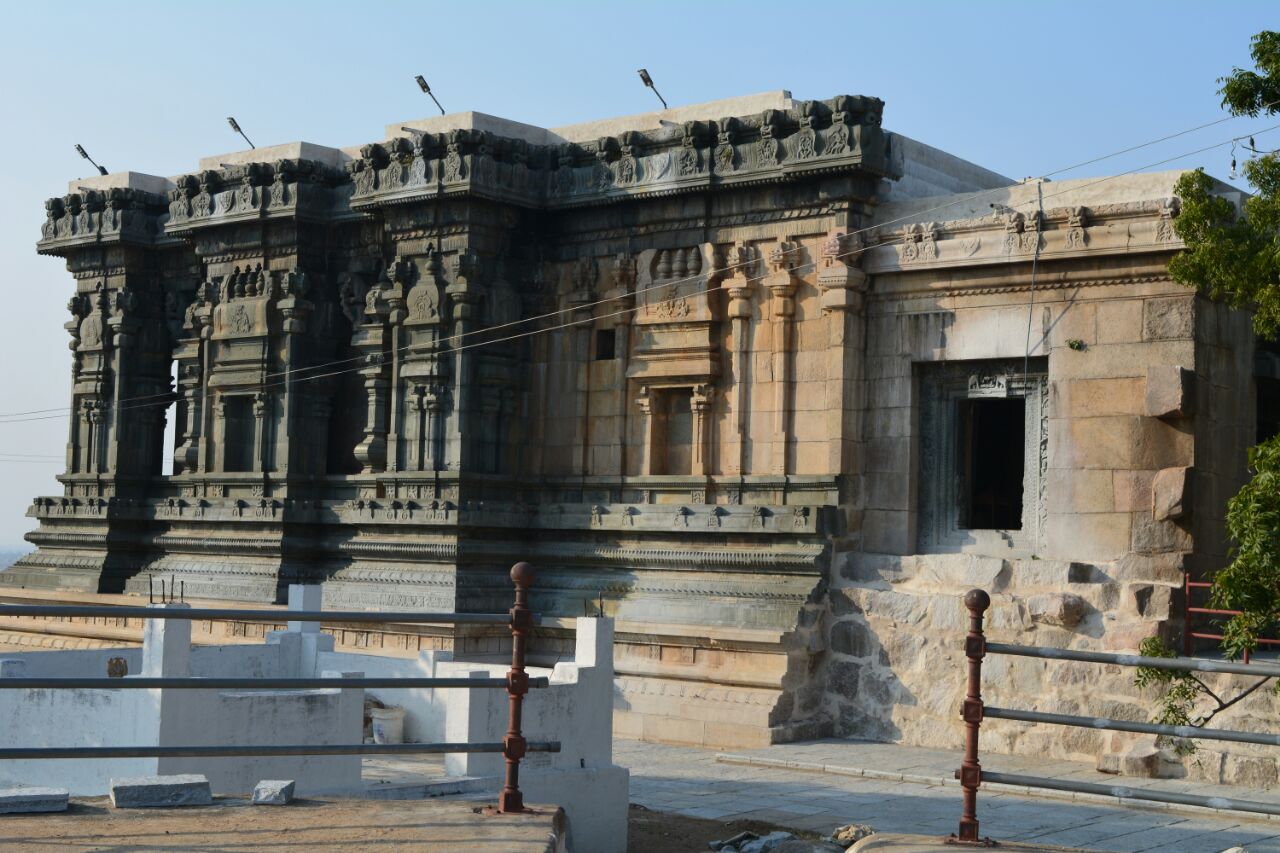
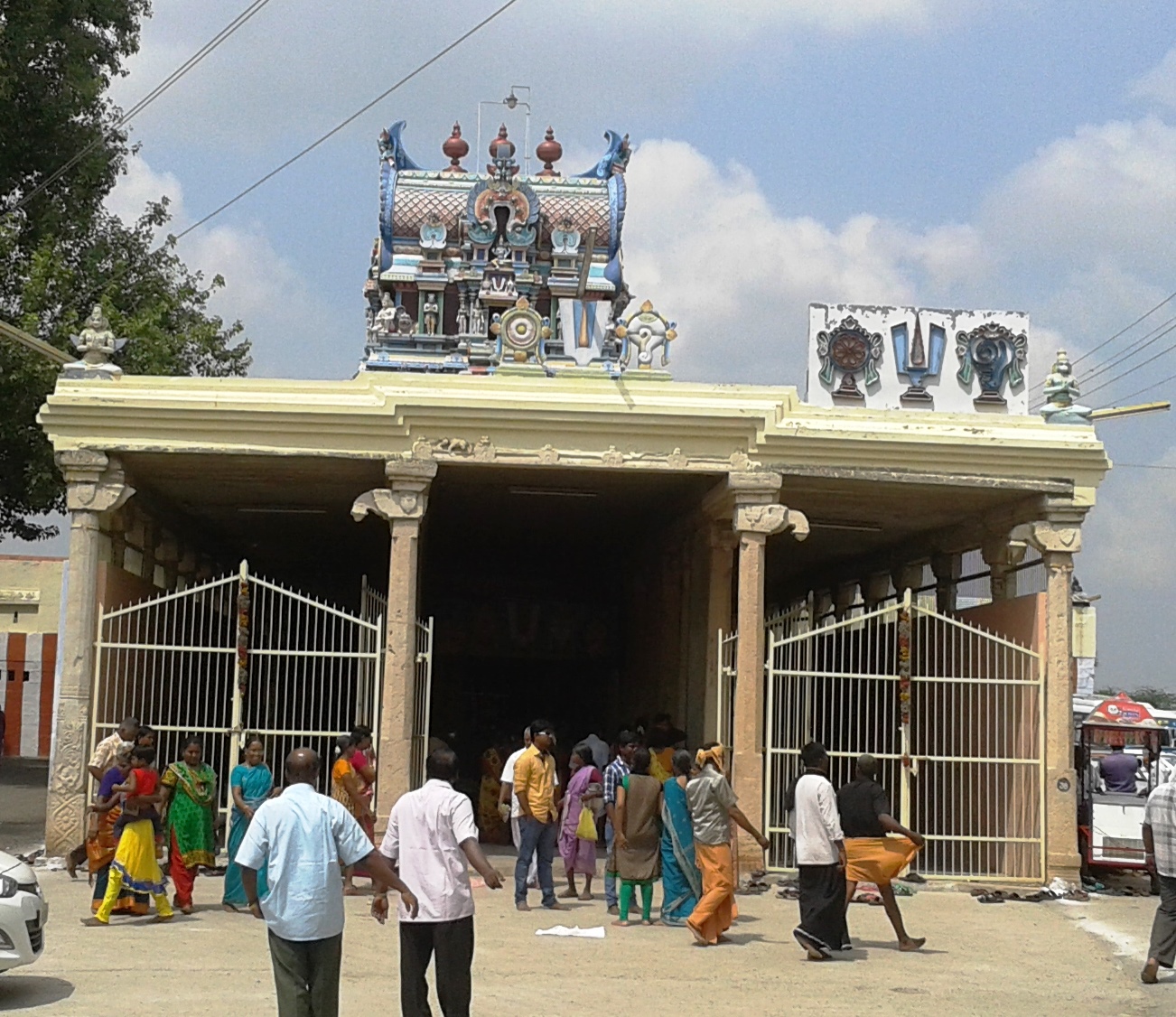
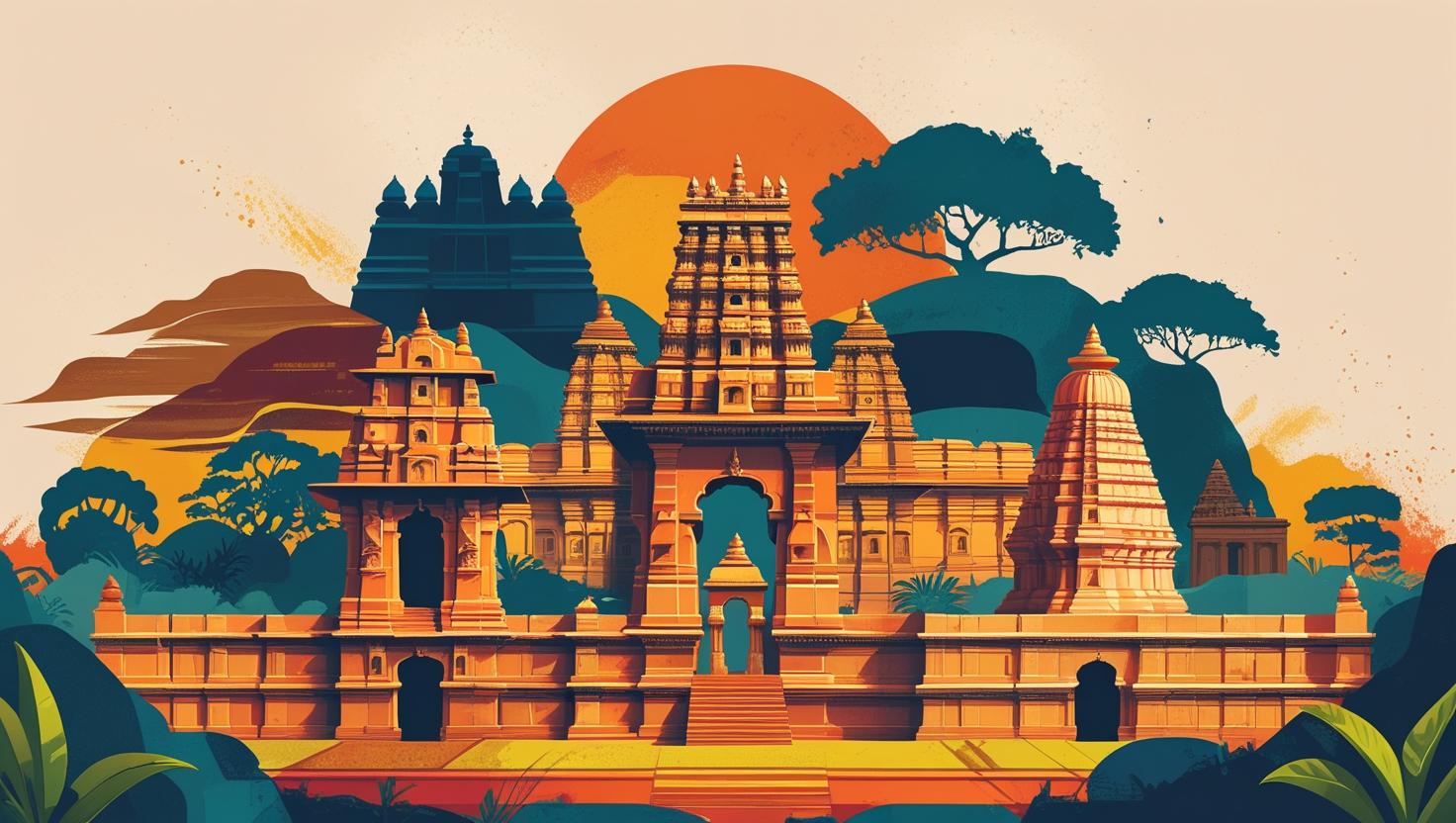
Kola Valvill Ramar Temple is a Hindu temple dedicated to Vishnu. It is located 19 km from Kumbakonam in Tamil Nadu, India. The temple is built in the Dravidian style of architecture and is glorified in the Nalayira Divya Prabandham, the early medieval Tamil canon of the Alvar saints from the 6th–9th centuries CE. It is one of the 108 Divya Desams dedicated to Vishnu, who is worshipped as Kola Valvill Ramar and his consort Lakshmi as Maragathavalli.
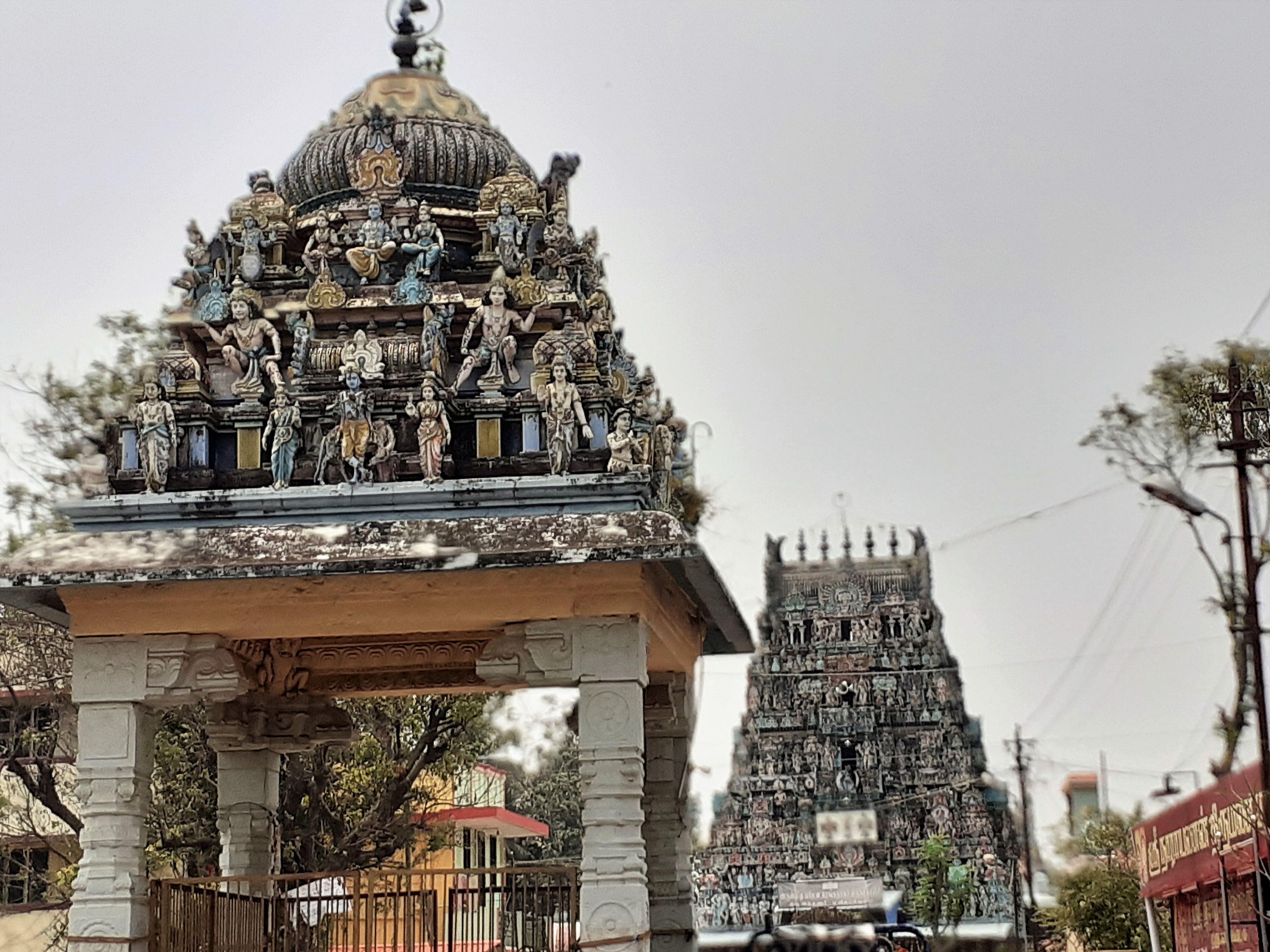
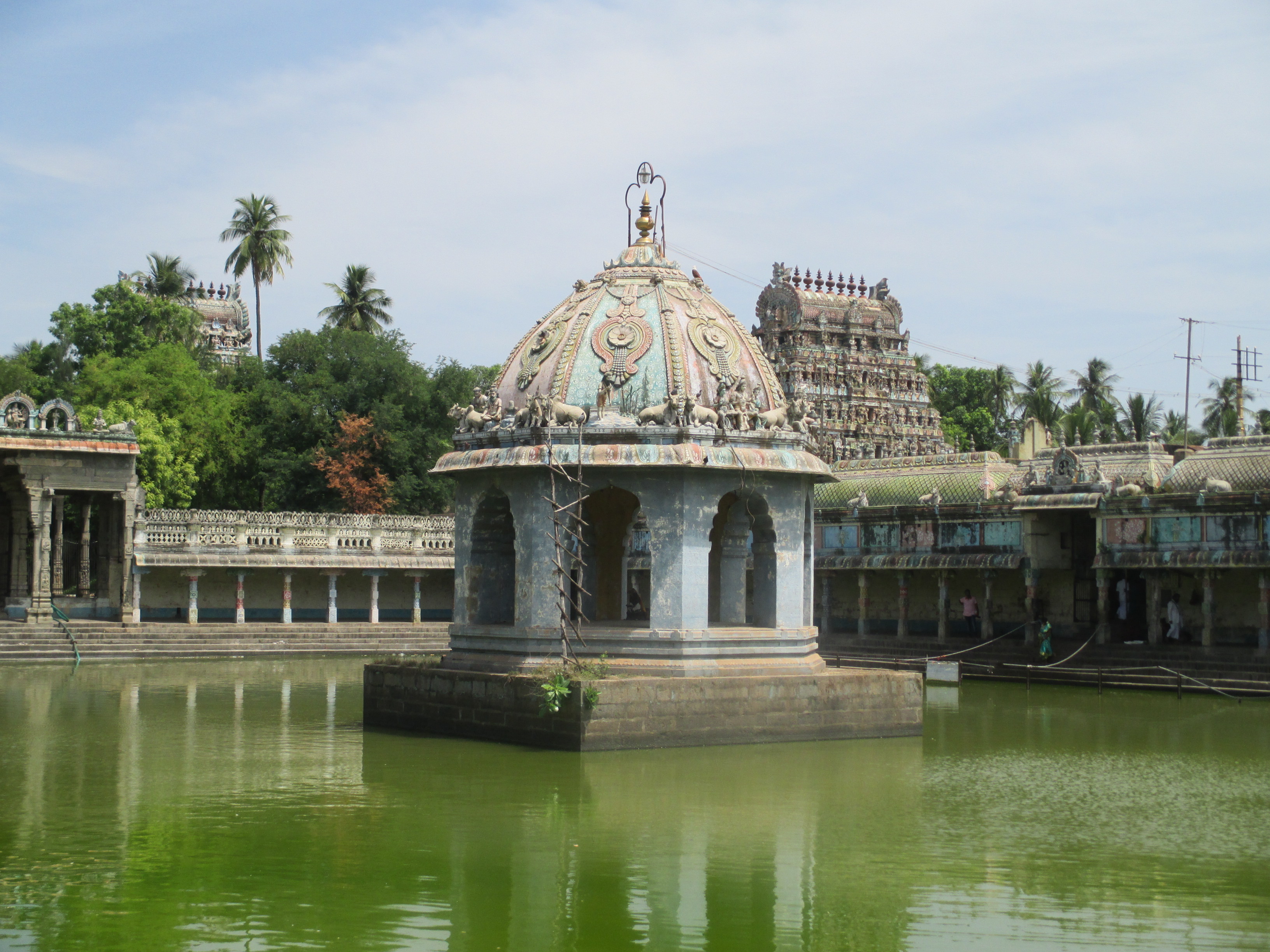
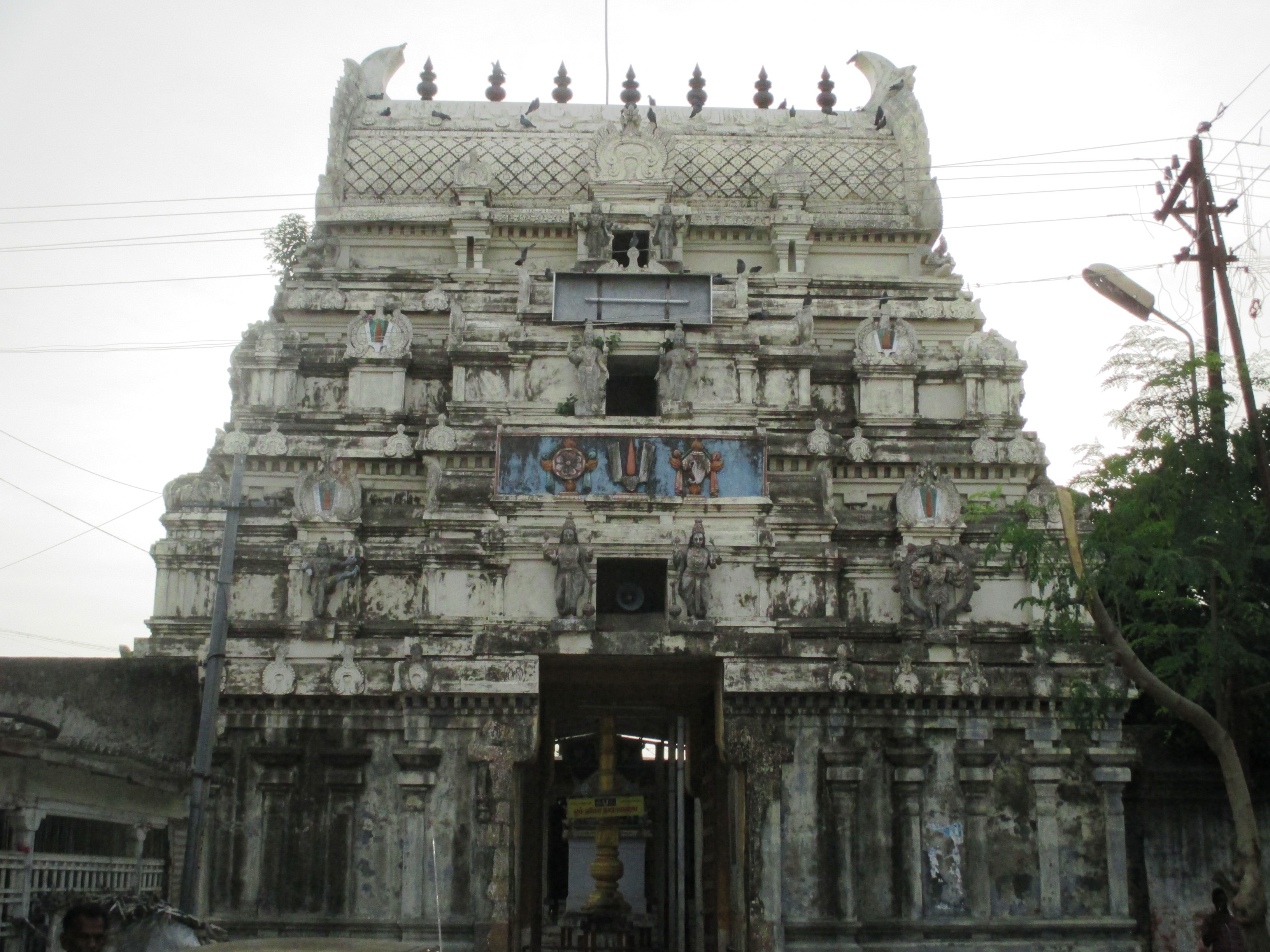
The temple is believed to have been built by the Medieval Cholas, with later expansions from Vijayanagara kings. A granite wall surrounds the temple, enclosing all the shrines and two bodies of water. There is a four-tiered rajagopuram, the temple's gateway tower, in the temple.
Kola Valvill Ramar Temple Pooja Timing
| Pooja Name | Timings |
|---|---|
| Ushathkala Pooja | 6:00 AM |
| Kalasanthi Pooja | 8:00 AM |
| Sayaraksha Pooja | 6:00 PM |
| Arthajama Pooja | 8:00 PM |
Kola Valvill Ramar Temple Location Details
How to Reach Kola Valvill Ramar Temple
By Road:
By Train:
By Air:
Kumbakonam is well-connected by road to major towns in Tamil Nadu. State Transport Buses and private taxis operate regularly.
Nearest railway stations: Kumbakonam Railway Station and Thanjavur Railway Station. From these stations, buses or taxis are available to reach the temple.
Nearest airport: Tiruchirapalli International Airport. From the airport, you can take a taxi or bus to Kumbakonam via connecting cities.
Kola Valvill Ramar Temple Nearby Temples

Kola Valvill Ramar Temple Visitor Information & Tips
Best time to visit (season/months):
The best time to visit is between October and March when the weather is pleasant. Avoid the monsoon season due to heavy rainfall.
Other Rama Temples
Kola Valvill Ramar Temple Interesting Facts
-
Legends BeliefsAs per Hindu legend, the temple was called Brahma Putram in Satya Yuga, Parasaram in Treta Yuga, Sainthiranagaram in Dvapara Yuga, and Bhargavapuram in Kali Yuga. The temple is associated with the Trivikrama avatar of Vishnu. Sukrachariyar, the demon guru, was against King Mahabali donating land to Vishnu in the form of a Brahmin. He took the form of an insect and shut the tube of the jug used by the king to spill water during the donation. Vishnu identified the trick and injured the eyes of the insect with a small spear. Sukracharyar, who lost his eyes, did penance at this place to attain the lost eye. It is believed the light he attained is still glowing at the temple as a lamp called Nethra Deepam.Sage Parasara is believed to have worshipped the presiding deity of the temple. Once, the architects of Devaloka, Vishvakarma and Mayan, had an argument on whose skill was superior. Brahma informed Mayan that Vishvakarma attained betterment as he built Vaikuntha, the abode of Vishnu, on account of accomplishments in a previous birth. He also informed Mayan that to attain similar status, he has to identify and build an abode near the river Kaveri similar to Vaikuntha. Mayan inspected various places and finally identified Thiruvelliyangudi, where sage Markendeya was doing penance. He built a beautiful temple and its compound, which is believed to be the temple in modern times. Vishnu appeared as Sringara Sundaran (beautiful deity).
-
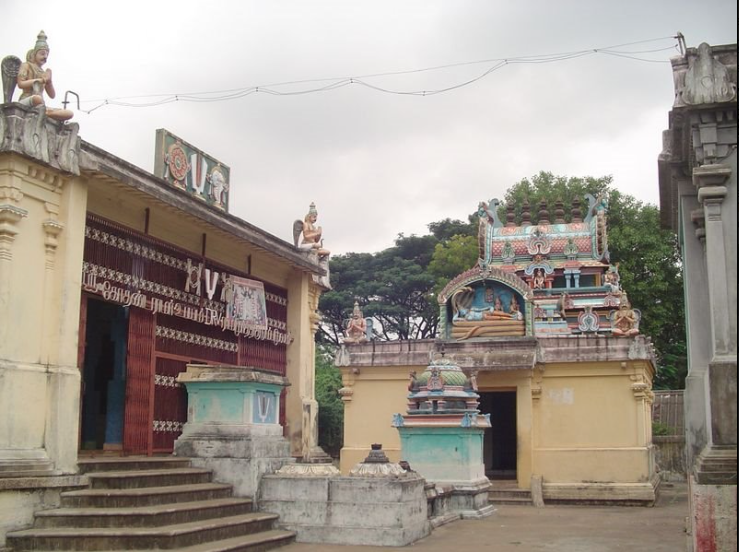
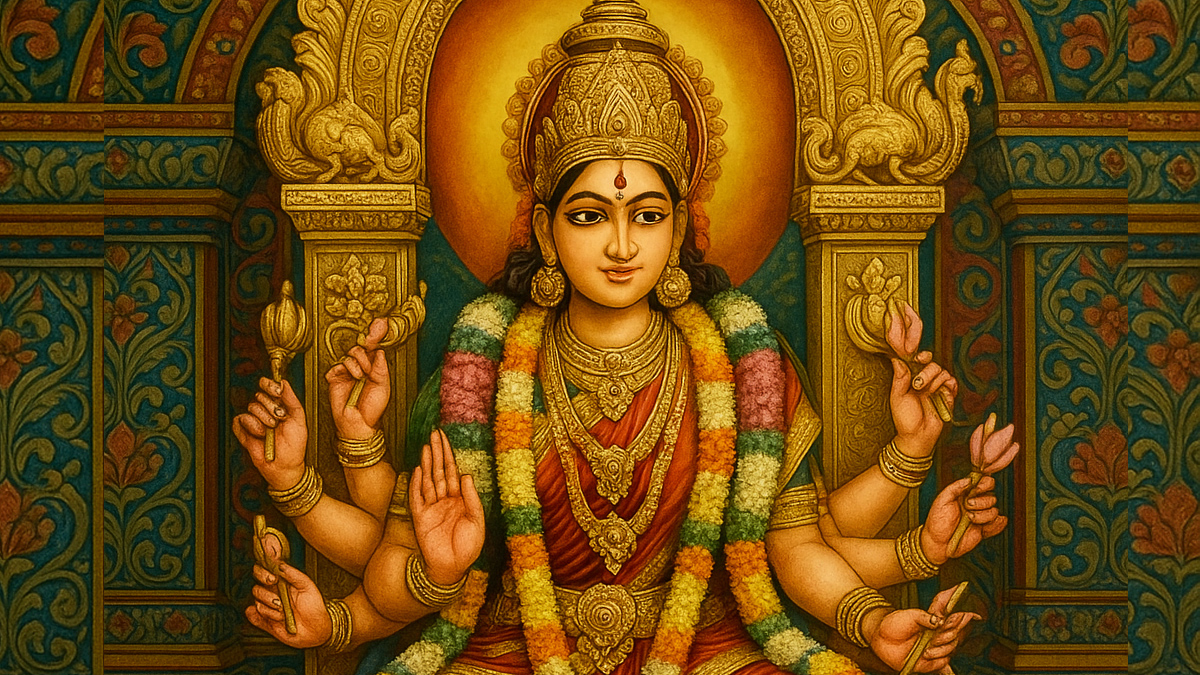
Deities and Sub DeitiesThe main deity of the temple is Kola Valvill Ramar, a form of Vishnu. His consort is Maragathavalli, a form of Lakshmi. The temple also has shrines for Sringara Sundaran and other deities.
-
OfferingsDevotees offer various rituals and prayers to the deities. The temple practises Vaigasana Agama and Vadagalai tradition. The temple priests perform the pooja (rituals) during festivals and on a daily basis. Offerings include alangaram (decoration), neivethanam (food offering), and deepa aradanai (waving of lamps).
-
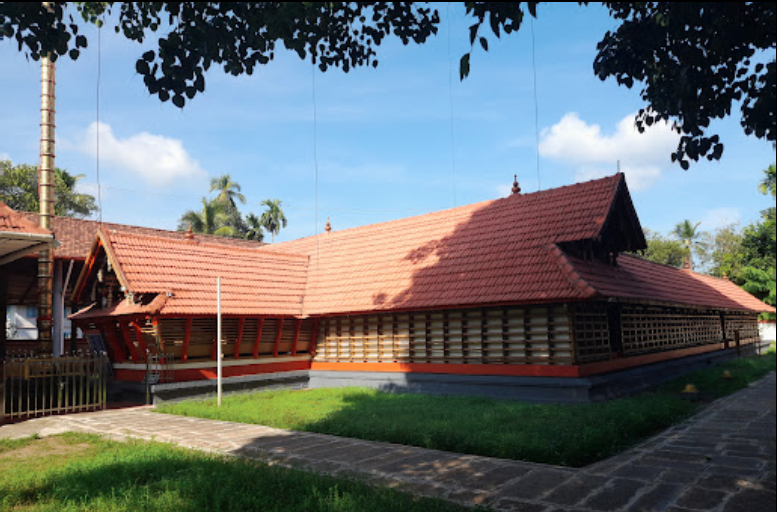
ArchitectureKola Valvill Ramar Temple is located in Tiruvelliyangudi, a village 19 km away from Kumbakonam on the Kumbakonam - Chennai highway. The temple has a three-tiered rajagopuram (gateway tower) and is enclosed within brick walls. Leaving the central shrine of the presiding deity, which is built with granite, all the other shrines are built with brick. There are separate shrines for the consort of Kolavalli Ramar, Maragathavalli. The presiding deity, Kola Valvill Ramar, is sported in Bhujanga sayan (reclined) posture. The vimana (roof over the sanctum) has Varthaga vimana pattern. There are four water bodies namely, Sukra, Brahma, Indra, and Parasara that are associated with the temple.
-
FestivalsSix daily rituals and three yearly festivals are held at the temple. The temple rituals are performed four times a day: Kalasanthi at 8:00 a.m., Uchikalam at 12:00 p.m., Sayarakshai at 5:00 p.m., and Ardha Jamam at 7:30 p.m. Each ritual has three steps: alangaram (decoration), neivethanam (food offering), and deepa aradanai (waving of lamps) for both Kolavalvil Ramar and Maragathavalli Thayar. During the last step of worship, nagaswaram (pipe instrument) and tavil (percussion instrument) are played, and religious instructions in the Vedas (sacred text) are recited by priests. There are other weekly, monthly, and fortnightly rituals performed in the temple as in other Vishnu temples in South India. Vishnupathi Punniya Kalam, an auspicious time during the first days of Tamil months of Vaikasi, Avani, Karthigai, and Masi, is celebrated in the temple seeking divine auspices from Garuda.
-
Religious PracticesThe temple practises Vaigasana Agama and Vadagalai tradition. The temple priests perform the pooja (rituals) during festivals and on a daily basis. As at other Vishnu temples of Tamil Nadu, the priests belong to the Vaishnavaite community, a Brahmin sub-caste. The temple rituals are performed four times a day: Kalasanthi at 8:00 a.m., Uchikalam at 12:00 p.m., Sayarakshai at 5:00 p.m., and Ardha Jamam at 7:30 p.m. Each ritual has three steps: alangaram (decoration), neivethanam (food offering), and deepa aradanai (waving of lamps) for both Kolavalvil Ramar and Maragathavalli Thayar. During the last step of worship, nagaswaram (pipe instrument) and tavil (percussion instrument) are played, and religious instructions in the Vedas (sacred text) are recited by priests. There are other weekly, monthly, and fortnightly rituals performed in the temple as in other Vishnu temples in South India. Vishnupathi Punniya Kalam, an auspicious time during the first days of Tamil months of Vaikasi, Avani, Karthigai, and Masi, is celebrated in the temple seeking divine auspices from Garuda.
FAQ's
Where is the Kola Valvill Ramar Temple located?
Which God is Kola Valvill Ramar (Vishnu)?
What is the best time to visit Kola Valvill Ramar Temple?
How to reach Kola Valvill Ramar Temple from near City or Town?
In Tamil Nadu

-
 Sign in with Google
-
Block for 8 hours
-
Block for 12 hours
-
Block for 24 hours
-
Don't block


 Click it and Unblock the Notifications
Informed.
- Male
- Female
- Others
- Under 18
- 18 to 25
- 26 to 35
- 36 to 45
- 45 to 55
- 55+