


Kasba Ganapati, Kasba Peth, Pune
Kasba Peth, Pune, Maharashtra

Kasba Ganapati History and Significance
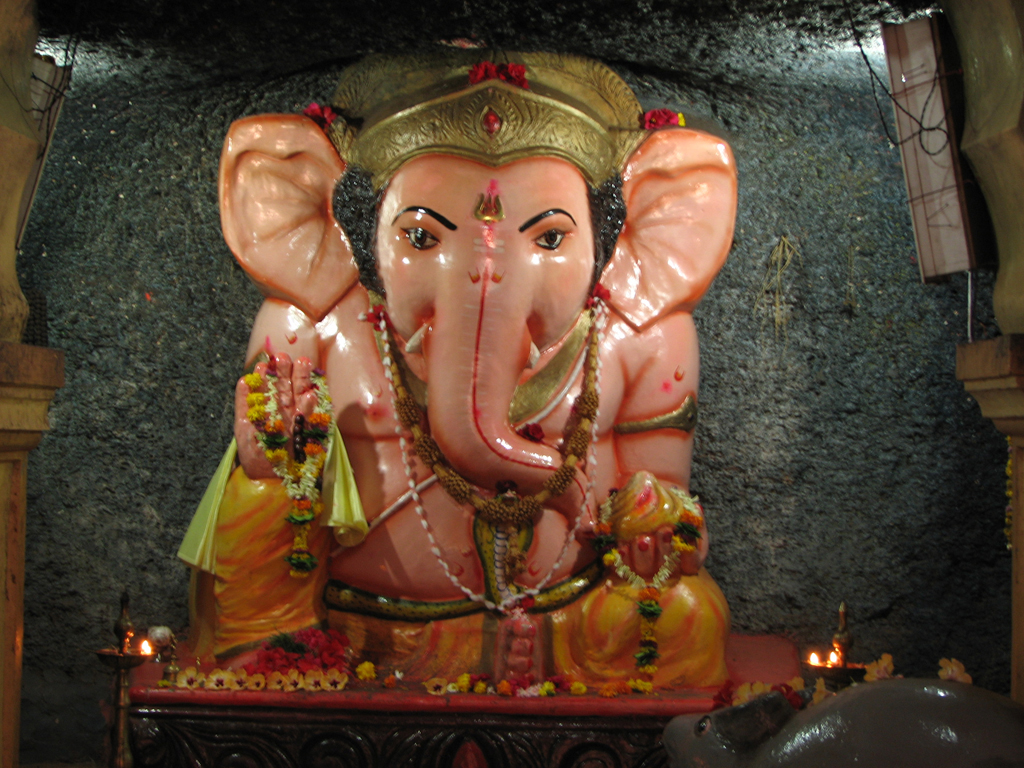
The Kasba Ganapati Temple was commissioned by Jijausaheb after Dadoji Konddeo found a murti of Ganpati in Pune. The temple's status as the premier murti in Pune was decided by Bal Gangadhar Tilak. In 1630, Jijaubaisaheb Bhosale arrived in Pune with her son Shivaji, and the Thakar Family migrated to Pune, bringing their family deity, Lord Gajanan. Jijabai saw this as auspicious and built the temple, now known as Kasba Ganpati Mandir.
Pune is known as the city of Ganesh, with the Peshwas being ardent followers. During their regime, Shaniwarwada witnessed grand celebrations for Lord Ganesh. In 1893, Bal Gangadhar Tilak initiated the Ganesh Festival to gather people and exchange ideas against British rule. The festival became public due to his popularity. Tilak resolved rivalry among mandals by declaring Shri Kasba Ganpati the first for immersion, as it is Pune's local deity.
Kasba Ganapati Pooja Timing
| Pooja Name | Timings |
|---|---|
| Morning Aarti | 6:30 AM |
| Midday Aarti | 12:00 PM |
| Evening Aarti | 7:00 PM |
| Special Friday Aarti | 8:00 PM |
Kasba Ganapati Location Details
How to Reach Kasba Ganapati
By Road:
By Train:
By Air:
Pune is well-connected by road to major towns and cities in Maharashtra. State Transport Buses and private taxis operate regularly to and within Pune.
Nearest railway stations: Pune Junction Railway Station. From the station, buses, auto-rickshaws, or taxis are available to Kasba Peth.
Nearest airport: Pune International Airport. From the airport, you can take a taxi or local bus to Kasba Peth in Pune.
Kasba Ganapati Visitor Information & Tips
Best time to visit (season/months):
The best time to visit is between October and February when the weather is pleasant. Avoid the monsoon season (June to September) due to heavy rainfall.
Kasba Ganapati Interesting Facts
-
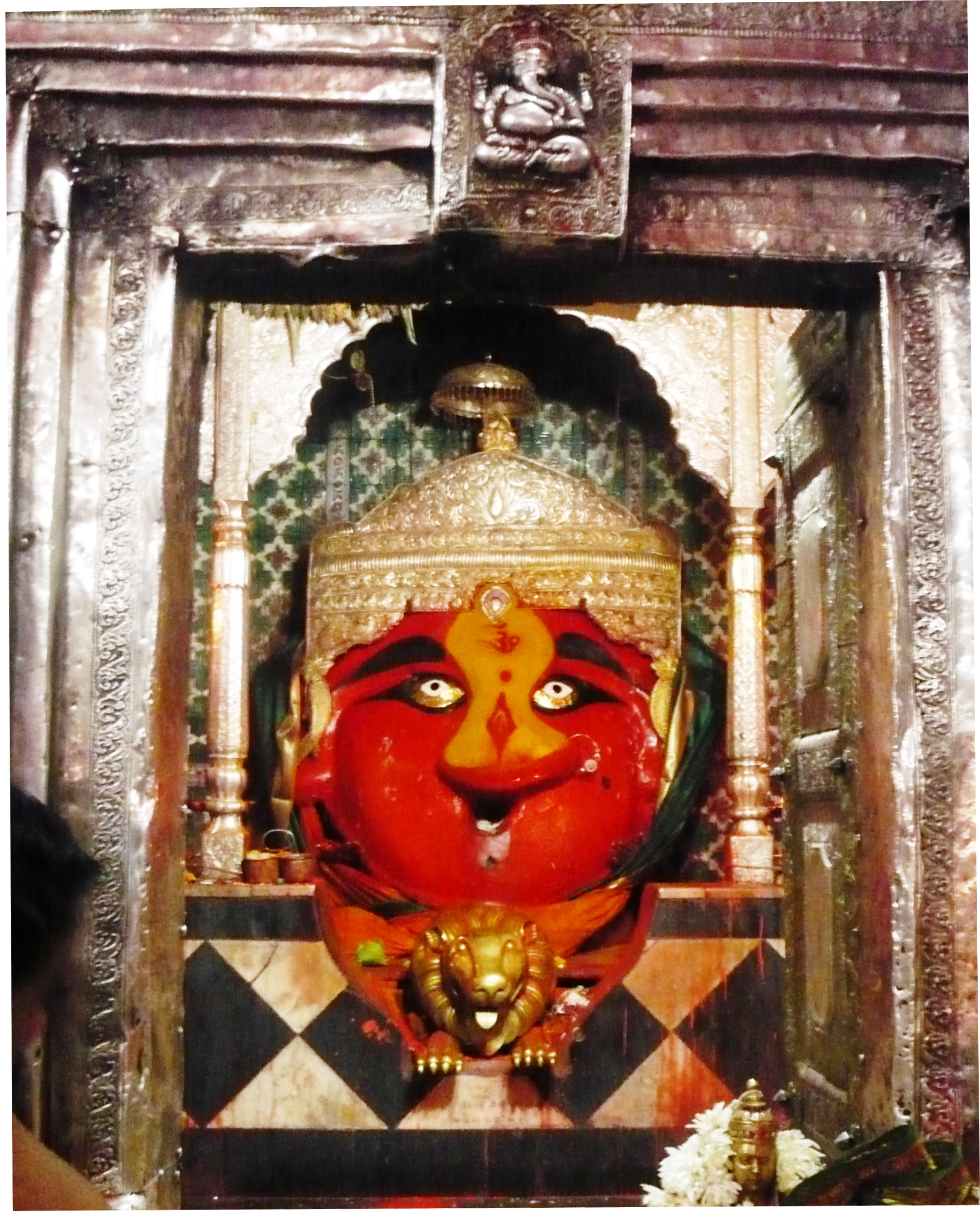
Legends BeliefsKasba Ganpati is considered the first Manacha Ganpati, or most revered Ganpati, in Pune. The idol is said to be self-made, originally the size of a grain of rice, but now larger due to a layer of red sandalwood. It is the presiding deity of Pune, patronized by Ganapati Bapurao Bebhan Durbar.
-
Deities and Sub DeitiesThe main deity of the Kasba Ganapati Temple is Lord Ganesh. The temple is built around the murti of Ganapati, which holds significant importance in Pune. The idol is considered self-made and has grown in size over time.
-
OfferingsDevotees offer various items to Lord Ganesh at the Kasba Ganapati Temple. Common offerings include flowers, sweets, and coconuts. These offerings are made to seek blessings and show devotion to the deity.
-
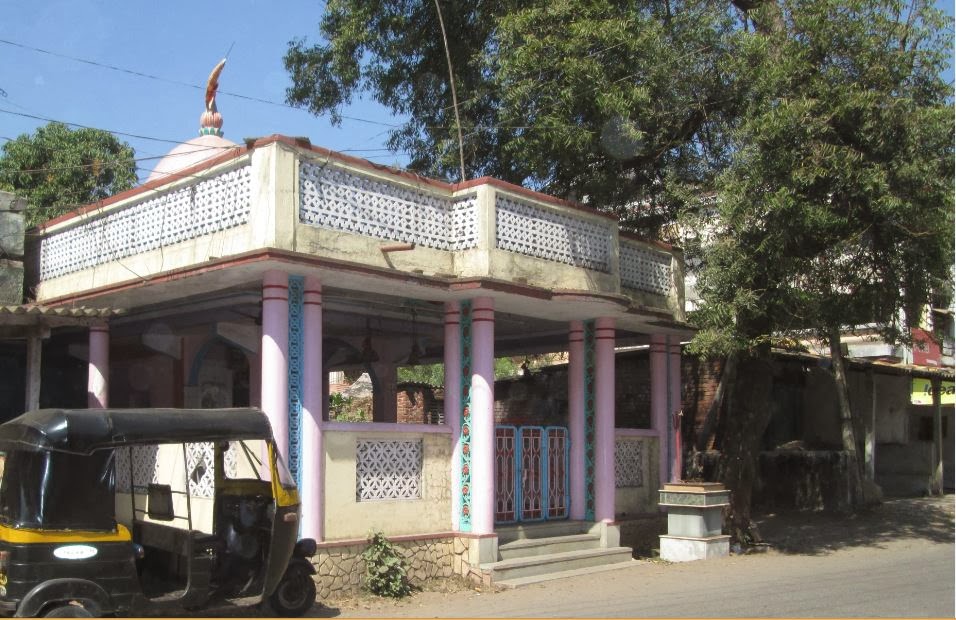
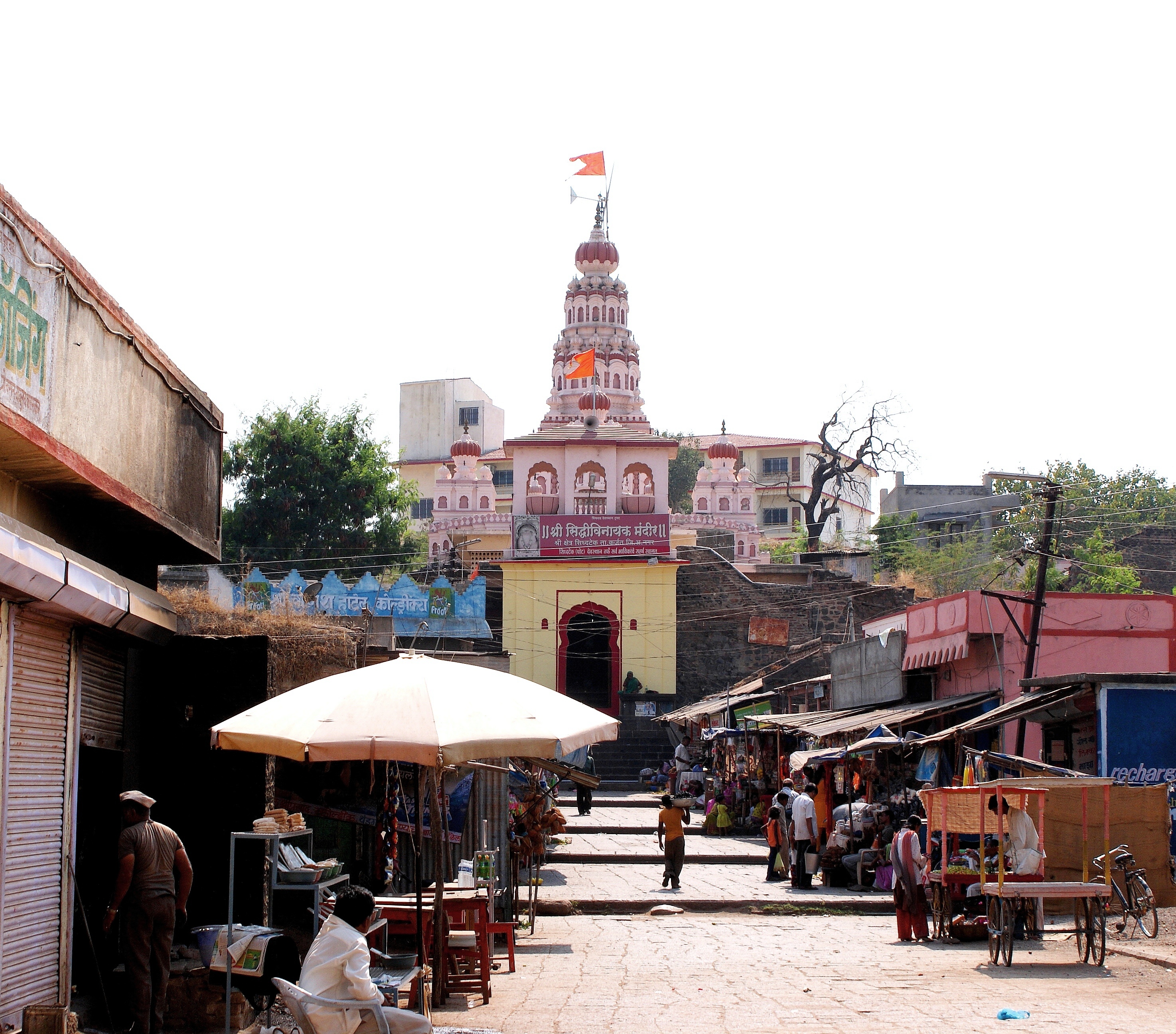
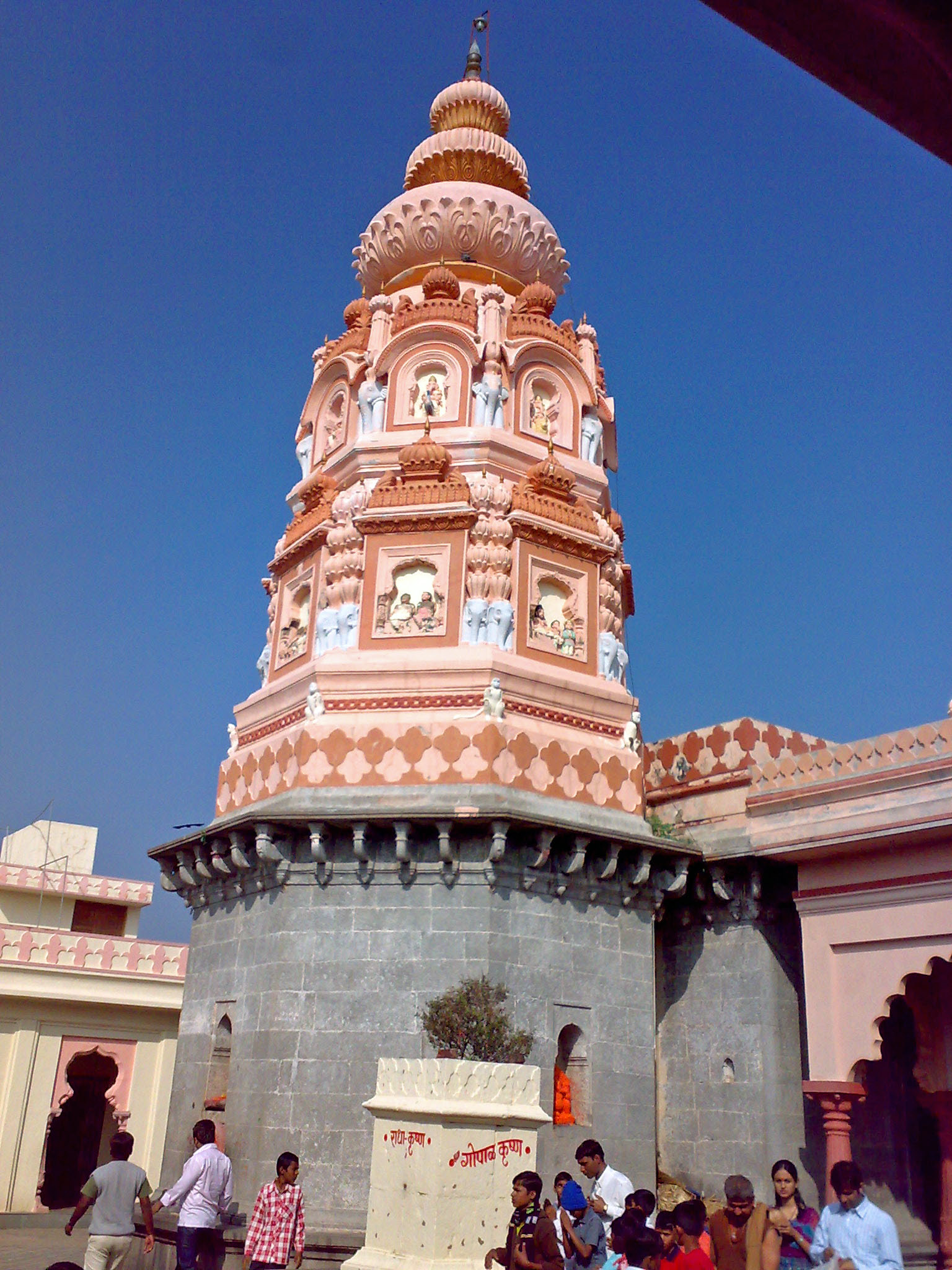
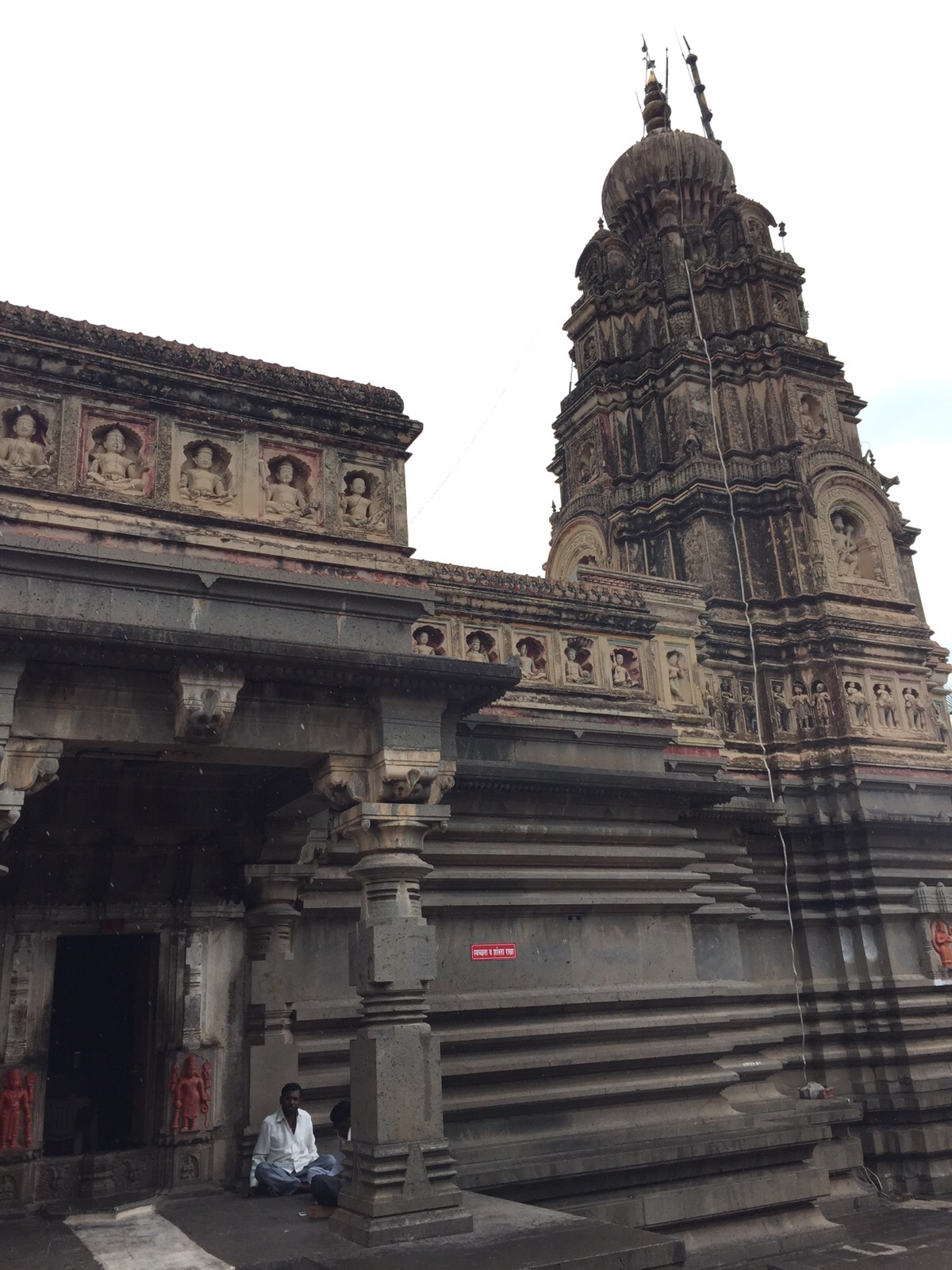
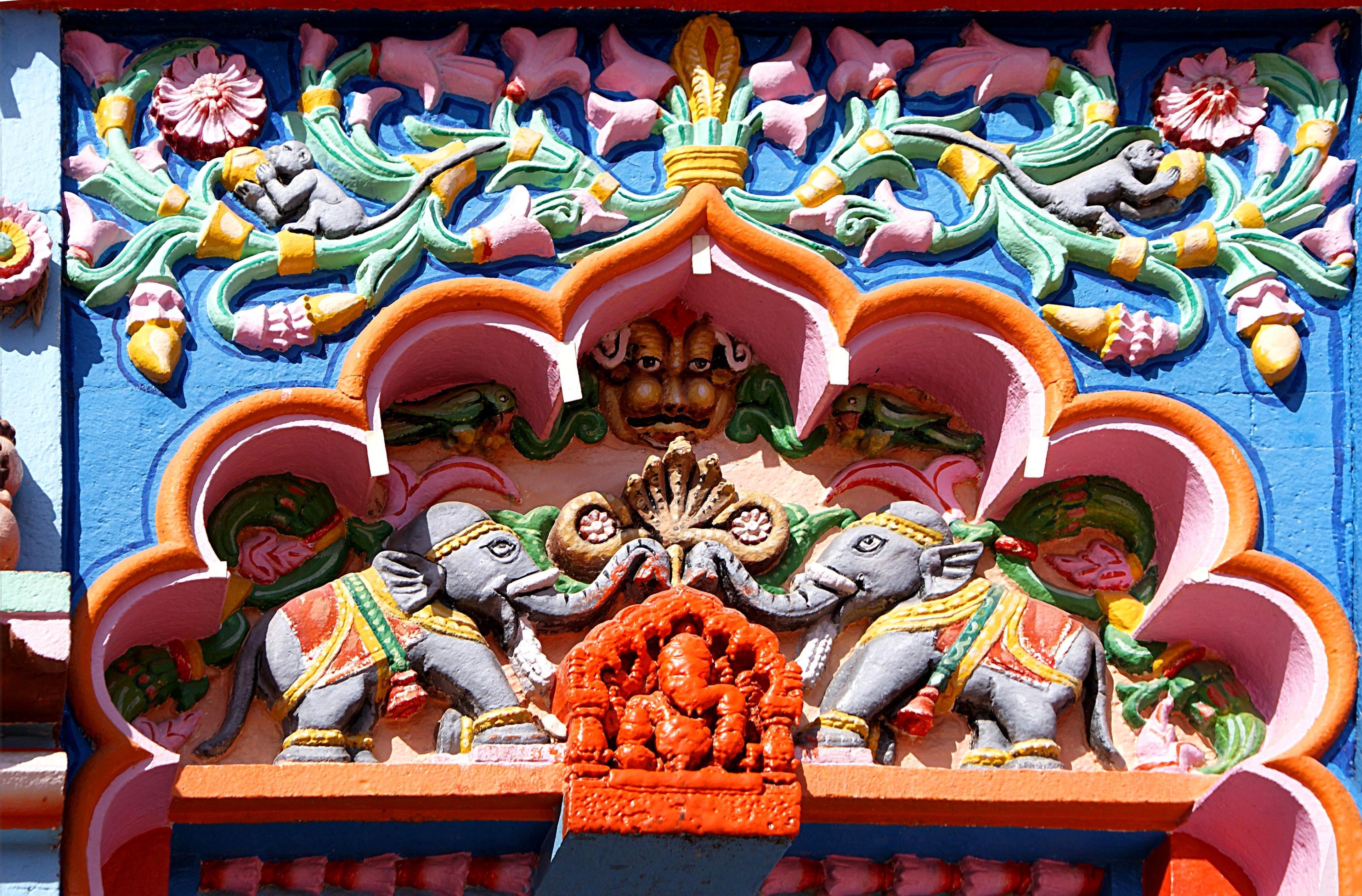
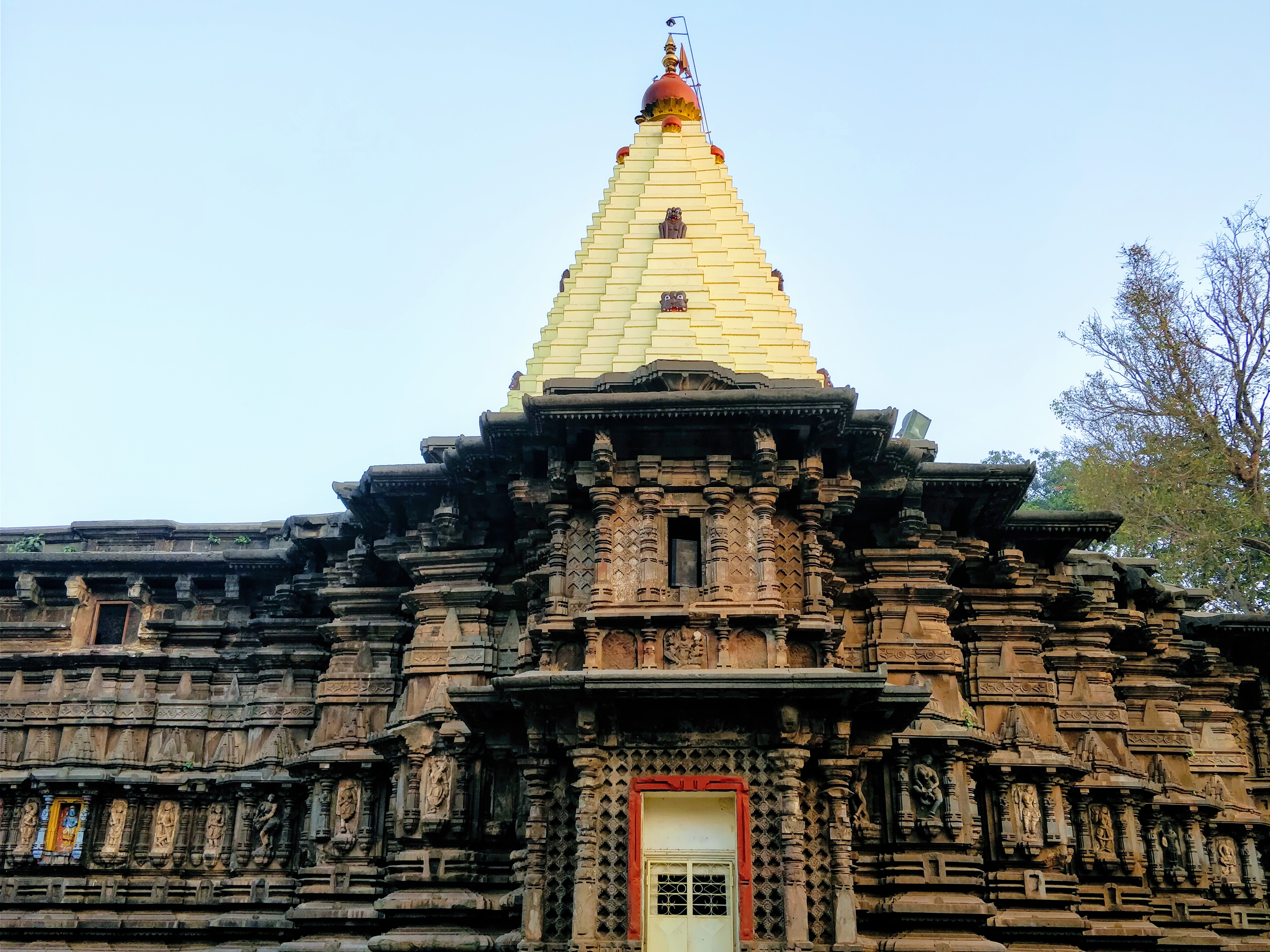
ArchitectureThe architecture of the Kasba Ganapati Temple reflects traditional Indian temple design. It is built around the murti of Ganapati, with intricate carvings and decorations. The temple is a significant landmark in Pune, attracting devotees and tourists alike.
-
FestivalsThe Annual Ganesh Festival is a major event at the Kasba Ganapati Temple. Until 1925, the festival was celebrated within the temple premises. From 1926, it has been celebrated in an enclosed mandap. The ten-day festival features cultural programs, allowing local artists to showcase their talents. On the last day, Shri Kasba Ganpati leads the immersion procession.
-
Religious PracticesReligious practices at the Kasba Ganapati Temple include daily prayers and rituals dedicated to Lord Ganesh. Devotees visit the temple to offer prayers and seek blessings. The temple plays a central role in the spiritual life of Pune's residents, especially during the Ganesh Festival.
FAQ's
Where is the Kasba Ganapati located?
Which God is Ganesh?
What is the best time to visit Kasba Ganapati?
How to reach Kasba Ganapati from near City or Town?
In Maharashtra
-
 Sign in with Google
-
Block for 8 hours
-
Block for 12 hours
-
Block for 24 hours
-
Don't block


 Click it and Unblock the Notifications
Informed.
- Male
- Female
- Others
- Under 18
- 18 to 25
- 26 to 35
- 36 to 45
- 45 to 55
- 55+