


Jayanti Devi Temple, Jayanti Majri village hillock, 15 km from Chandigarh
Jayanti Majri village hillock, 15 km from Chandigarh, Punjab

Jayanti Devi Temple History and Significance
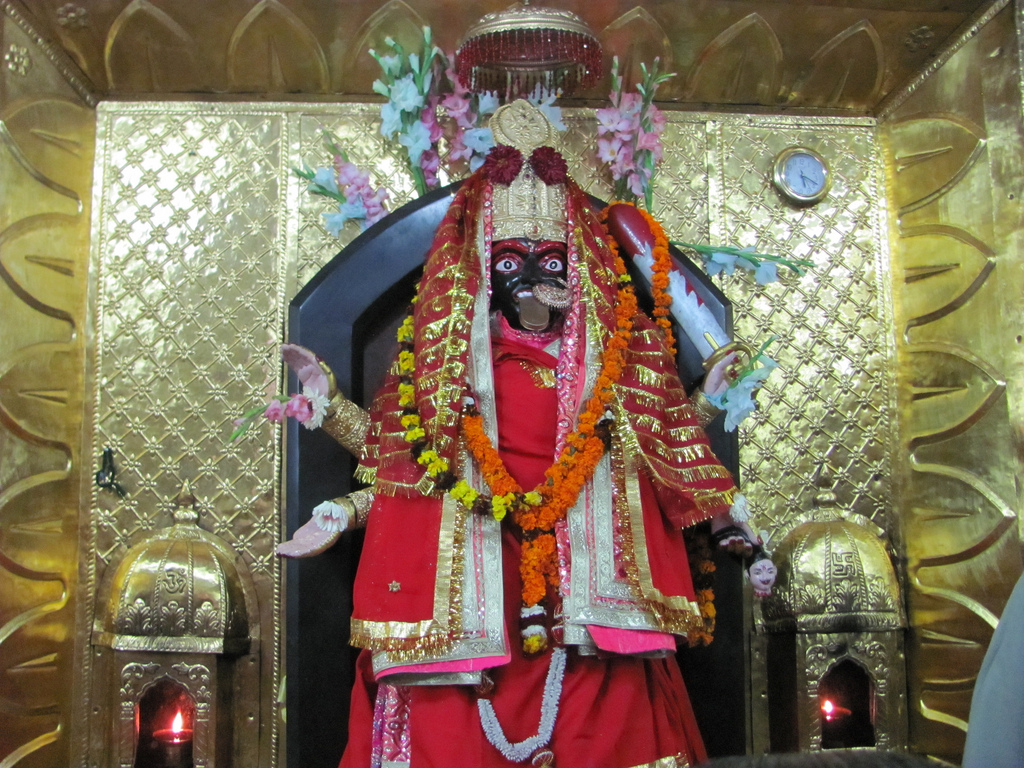
The Jayanti Devi Temple is named after the goddess of victory, Jayanti. The Pandavas built a temple for her, leading to the formation of the town Jayantipuri. The temple's history is deeply rooted in the local culture and traditions.
Formation of Chandigarh
Jayanti Majri was included in the Chandigarh project due to its proximity. A dam, Jayanti Dam, was built here for water conservation. This area has potential as a tourist and religious spot, attracting visitors to the temple.
Oral Tradition
The temple's oral tradition dates back 550 years to the Lodi dynasty. A princess from Kangra, a devotee of Mata Jayanti Devi, brought the goddess with her when she married into the Hathnaur estate. The temple was established on a hillock in her honour.
Significance
Jayanti Devi is one of the seven goddesses of the Kangra valley. Villagers show reverence by limiting their house construction to one storey. An ancient well at the temple provides sweet water year-round, symbolising the goddess's benevolence.
Jayanti Devi Temple Pooja Timing
| Pooja Name | Timings |
|---|---|
| Mangala Aarti | 5:30 AM |
| Shringar Aarti | 8:00 AM |
| Rajbhog Aarti | 12:00 PM |
| Sandhya Aarti | 6:30 PM |
Jayanti Devi Temple Location Details
How to Reach Jayanti Devi Temple
By Road:
By Train:
By Air:
Jayanti Majri village is well-connected by road to major towns in Punjab. State Transport Buses and private taxis operate regularly from Chandigarh and nearby cities.
Nearest railway stations: Chandigarh Railway Station and Mohali Railway Station. From these stations, buses or taxis are available to Jayanti Majri village.
Nearest airport: Chandigarh International Airport. From the airport, you can take a taxi or bus to Jayanti Majri village via Chandigarh.
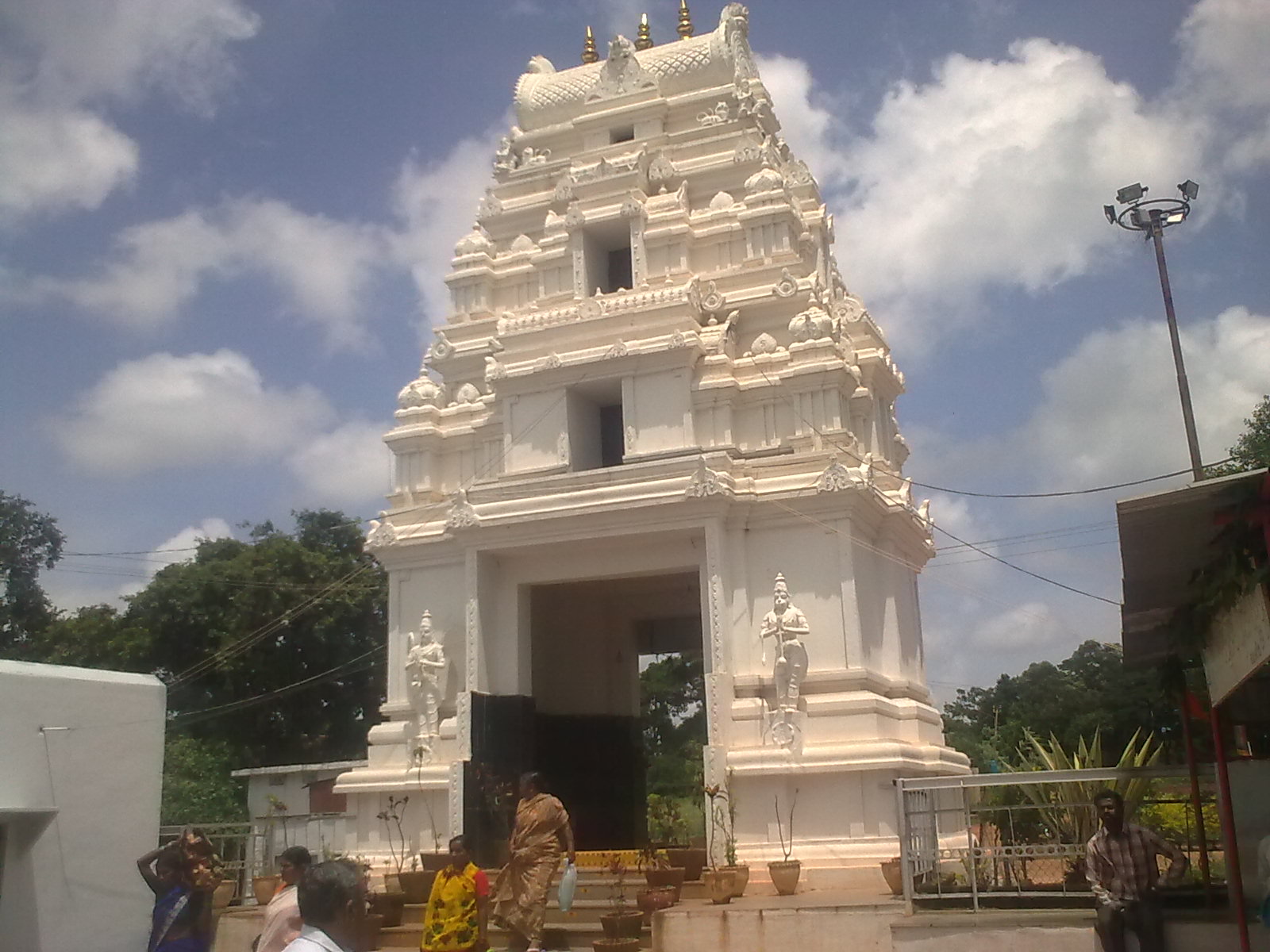
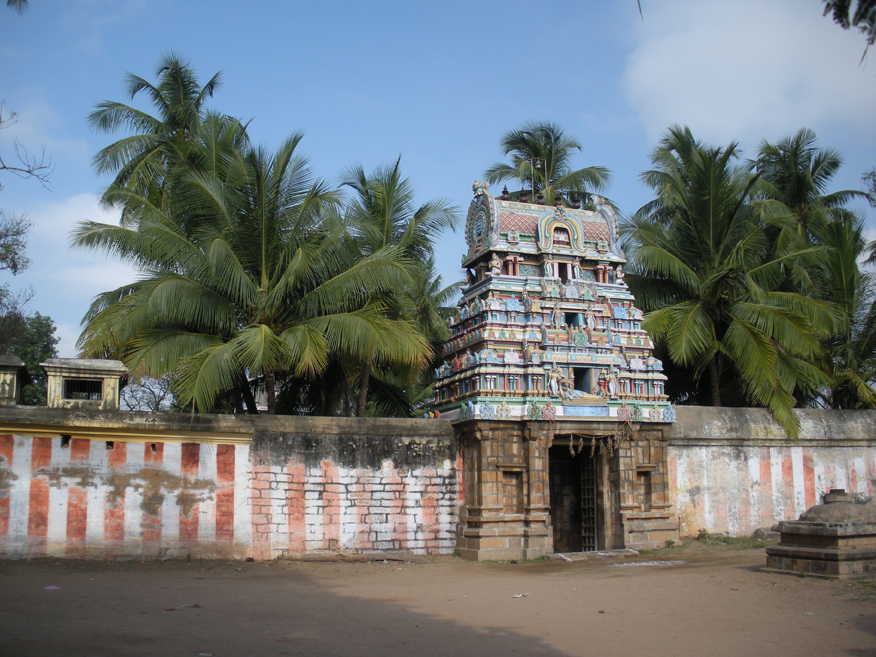
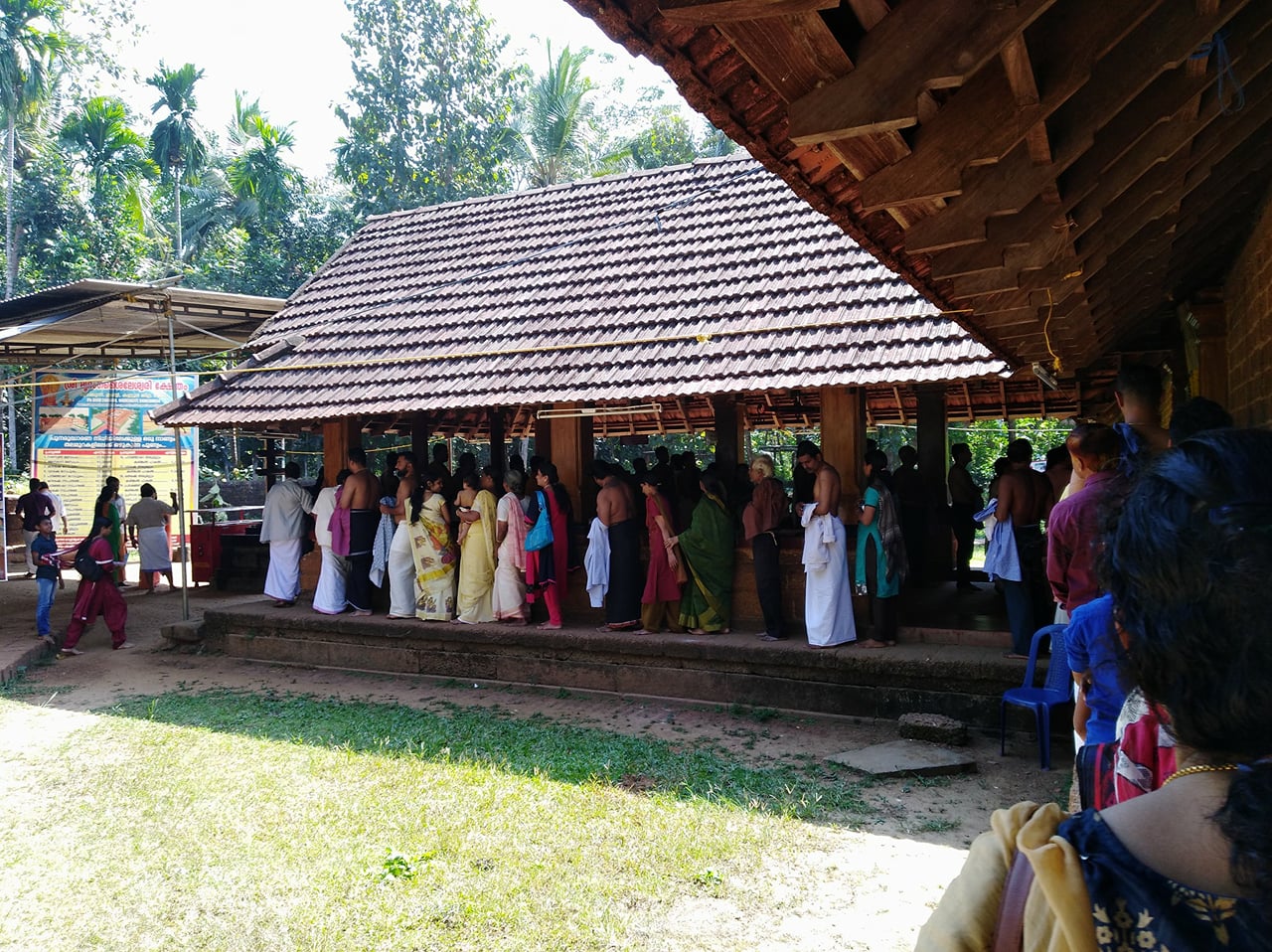
Jayanti Devi Temple Nearby Temples

Jayanti Devi Temple Visitor Information & Tips
Best time to visit (season/months):
October to March is the best time to visit as the weather is pleasant. Avoid the monsoon season due to landslides and heavy rainfall. Summers can be hot, so plan accordingly.
Jayanti Devi Temple Interesting Facts
-
Legends BeliefsLegends and BeliefsThe temple's legend tells of a princess who was a devout follower of Mata Jayanti Devi. The goddess promised to accompany her to her new home. This divine intervention led to the establishment of the temple, which remains a place of deep faith and devotion.
-
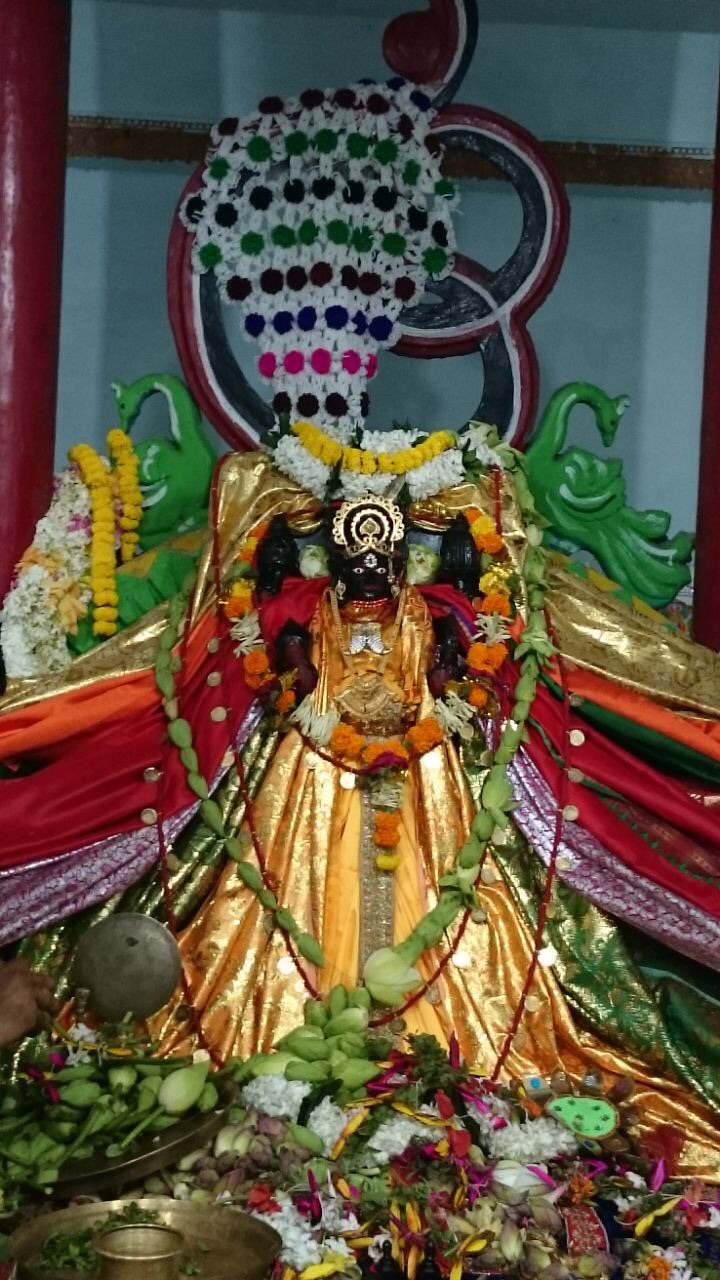
Deities and Sub DeitiesDeities and Sub-DeitiesThe temple's main deity is Jayanti Devi. Other deities include Lord Shiva, Lord Ganesha, Goddess Lakshmi, Bala Sundari, and local deity Lokda Dev. These deities are housed in niches outside the main sanctum, enriching the temple's spiritual atmosphere.
-
OfferingsOfferingsDevotees offer coconuts, red net chunnies, and fancy jewellery at the temple. Shops along the temple steps sell these items, along with devotional song cassettes, toys, and photos of the idol. These offerings reflect the devotees' faith and reverence.
-
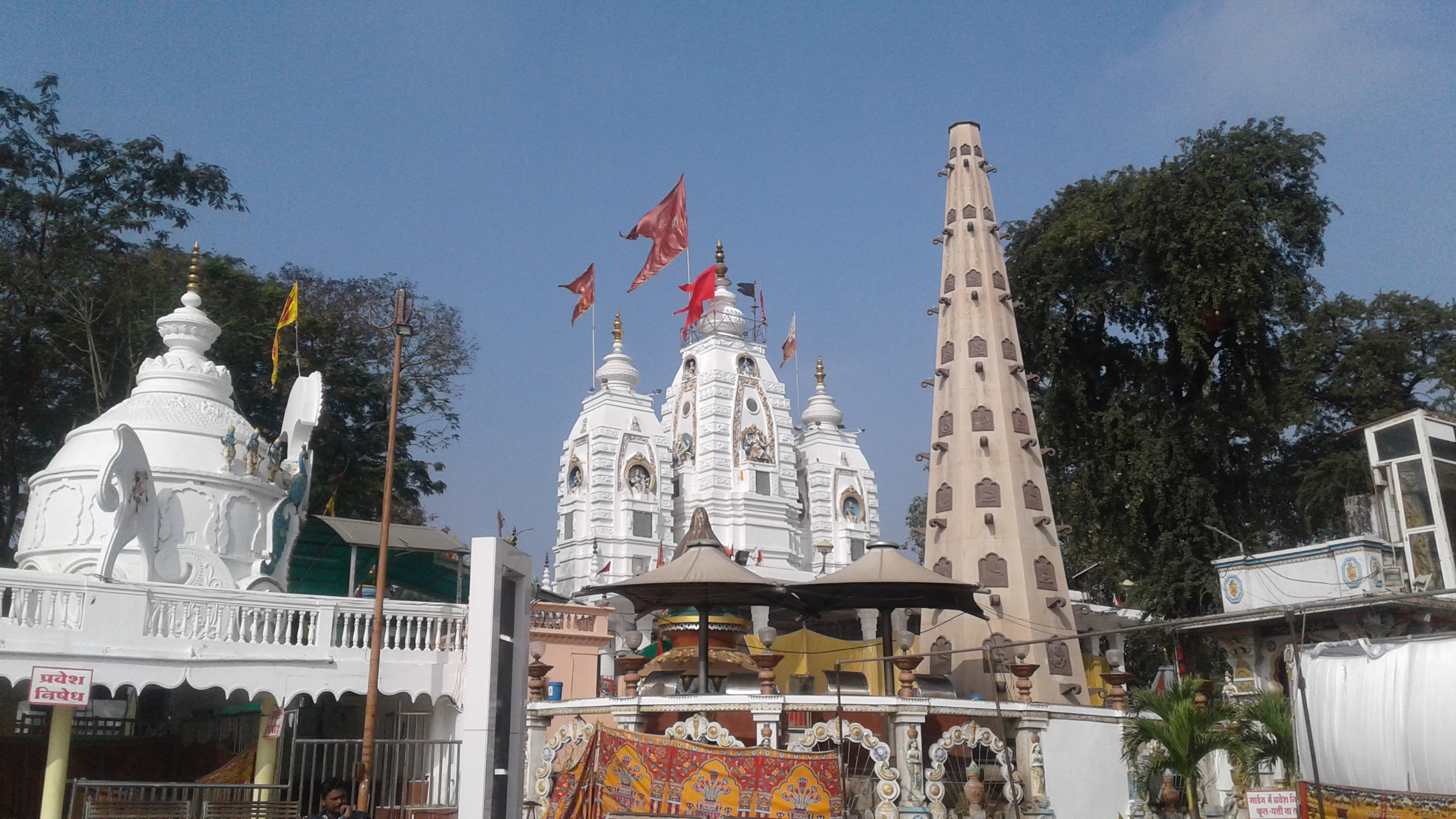
ArchitectureArchitectureThe temple complex includes a large park and the Jayanti Archaeological Museum. A huge gate marks the entrance, leading to about 100 steps up to the temple. A large water tank, a traditional feature, is part of the complex, adding to its historical charm.
-
FestivalsFestivalsThe temple hosts a grand fair on Purnima day in February and a smaller fair in August. Around 1.5 lakh people visit during these times. Navratras and Sundays also see many devotees, making the temple a vibrant centre of cultural and religious activity.
-
Religious PracticesReligious PracticesTwo committees manage the temple, organising Bhandara every Sunday and during fairs. The temple receives no government aid, relying on devotees' contributions. The pujari's family, now in its 11th generation, continues the sacred duties, maintaining the temple's spiritual legacy.
FAQ's
Where is the Jayanti Devi Temple located?
Which God is Jayanti Devi?
What is the best time to visit Jayanti Devi Temple?
How to reach Jayanti Devi Temple from near City or Town?


-
 Sign in with Google
-
Block for 8 hours
-
Block for 12 hours
-
Block for 24 hours
-
Don't block


 Click it and Unblock the Notifications
Informed.
- Male
- Female
- Others
- Under 18
- 18 to 25
- 26 to 35
- 36 to 45
- 45 to 55
- 55+