


Janardanaswamy Temple, Varkala,Trivandrum
Varkala,Trivandrum, Kerala

Janardanaswamy Temple History and Significance
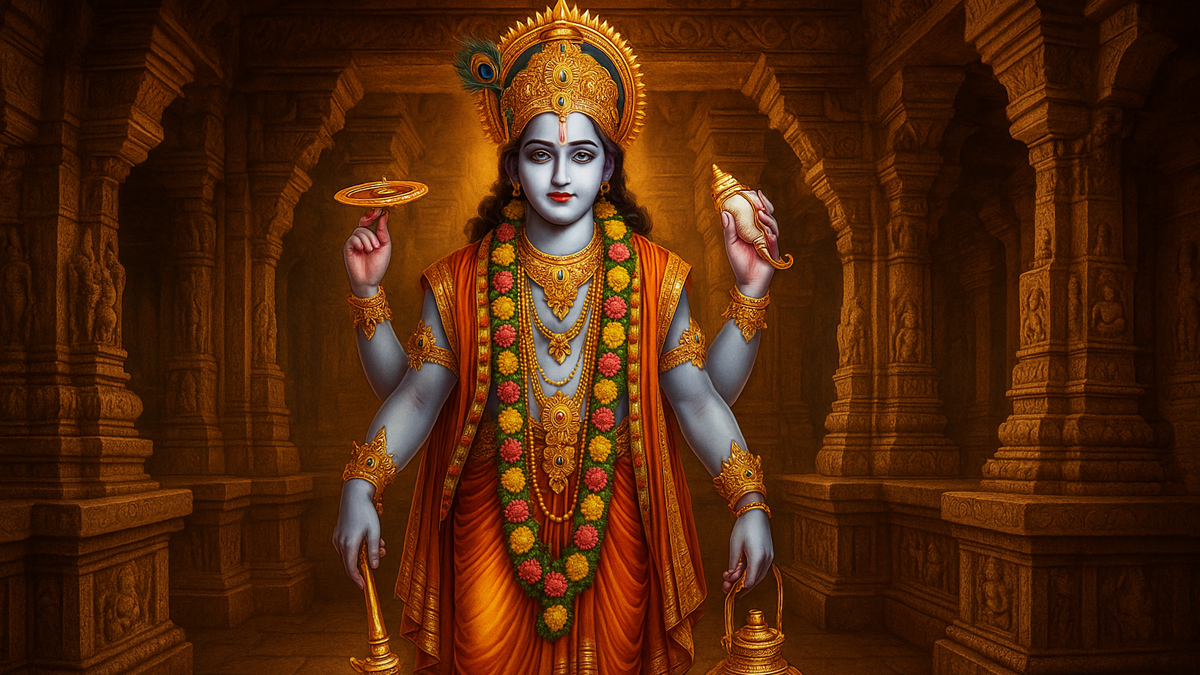
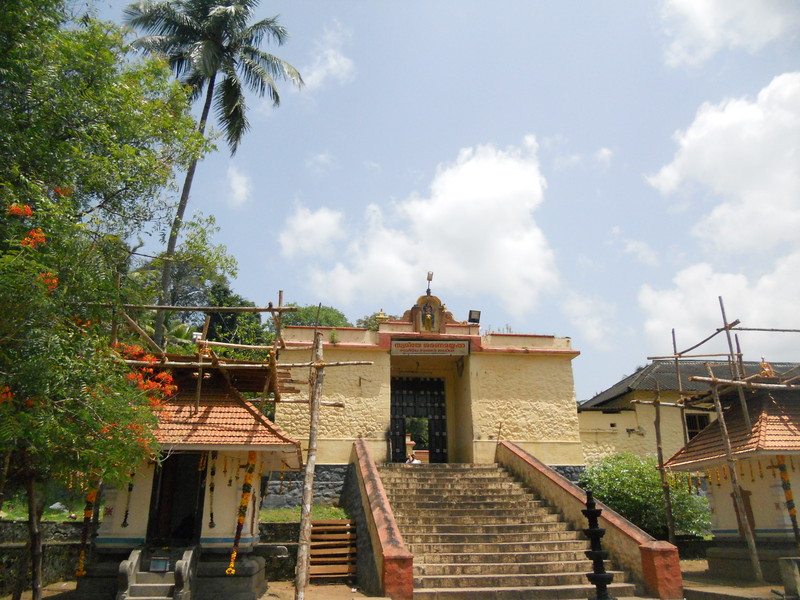
The Janardanaswamy Temple, also known as the Varkala Temple, is a Hindu temple situated in Janardhanapuram, Varkala city, of the Thiruvananthapuram district. A renowned temple within its locale, the temple is thousands of years old. The temple is dedicated to the worship of deity Vishnu in the form of Janardanaswamy, locally known as Varkaleswara (the lord of Varkala).
Janardanaswamy Temple Pooja Timing
| Pooja Name | Timings |
|---|---|
| Usha Pooja | 5:30 AM |
| Uchikala Pooja | 12:00 PM |
| Deeparadhana | 6:30 PM |
| Athazha Pooja | 8:00 PM |
Janardanaswamy Temple Location Details
How to Reach Janardanaswamy Temple
By Road:
By Train:
By Air:
Varkala is well-connected by road to major towns in Kerala. State Transport Buses and private taxis operate regularly from cities like Trivandrum and Kollam.
Nearest railway stations: Varkala Sivagiri Railway Station. From this station, buses or taxis are available to Varkala town, where the temple is located.
Nearest airport: Trivandrum International Airport. From the airport, you can take a taxi or bus to Varkala via connecting cities.
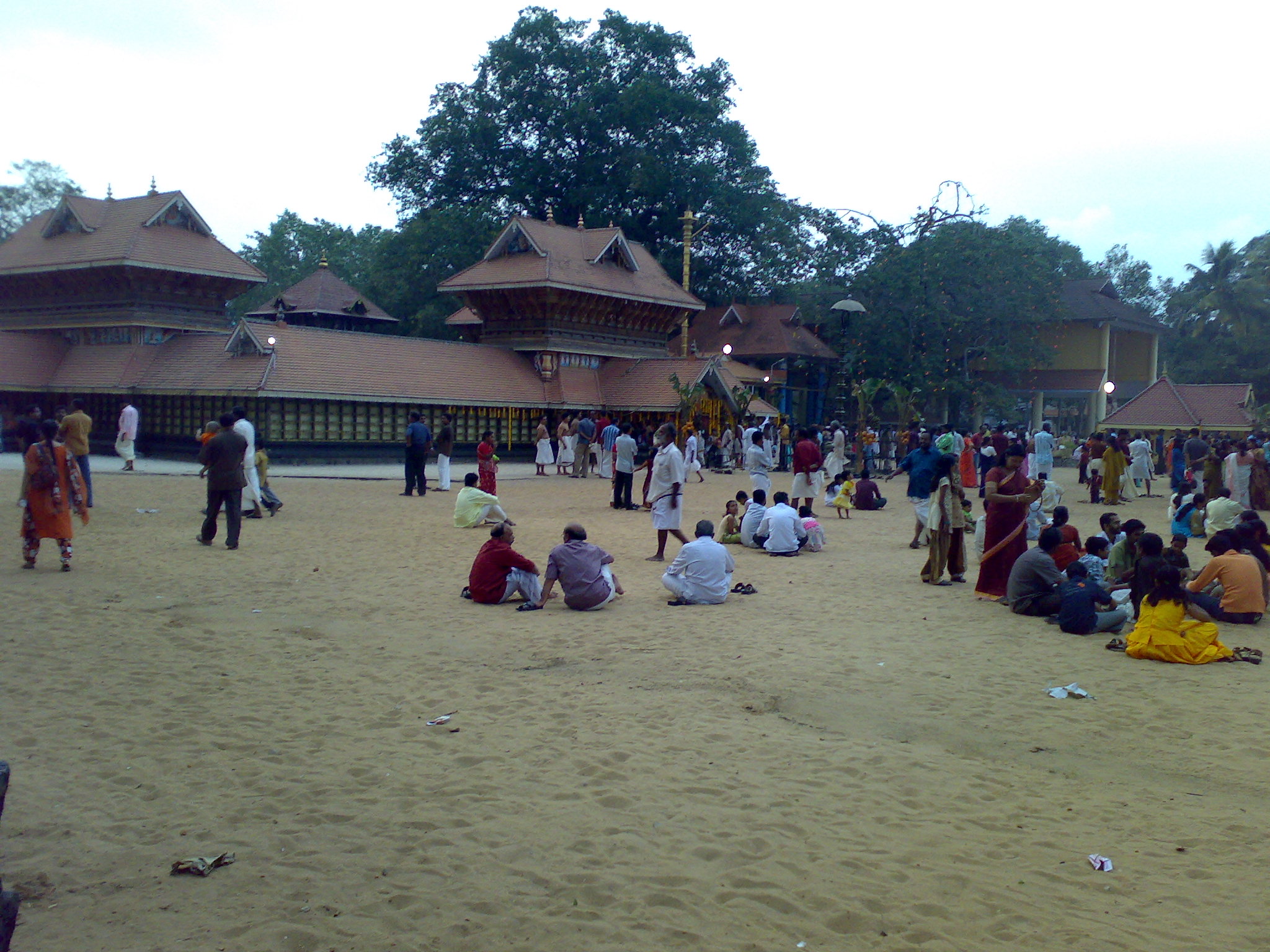
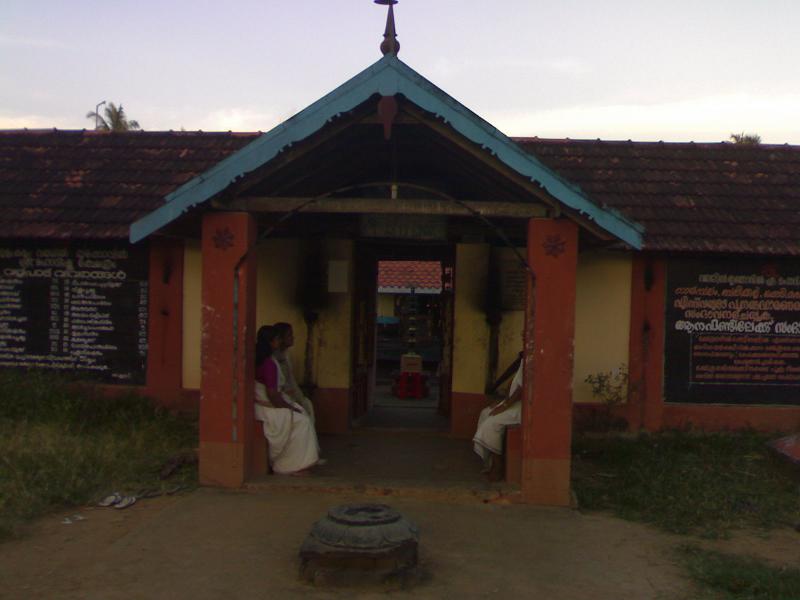
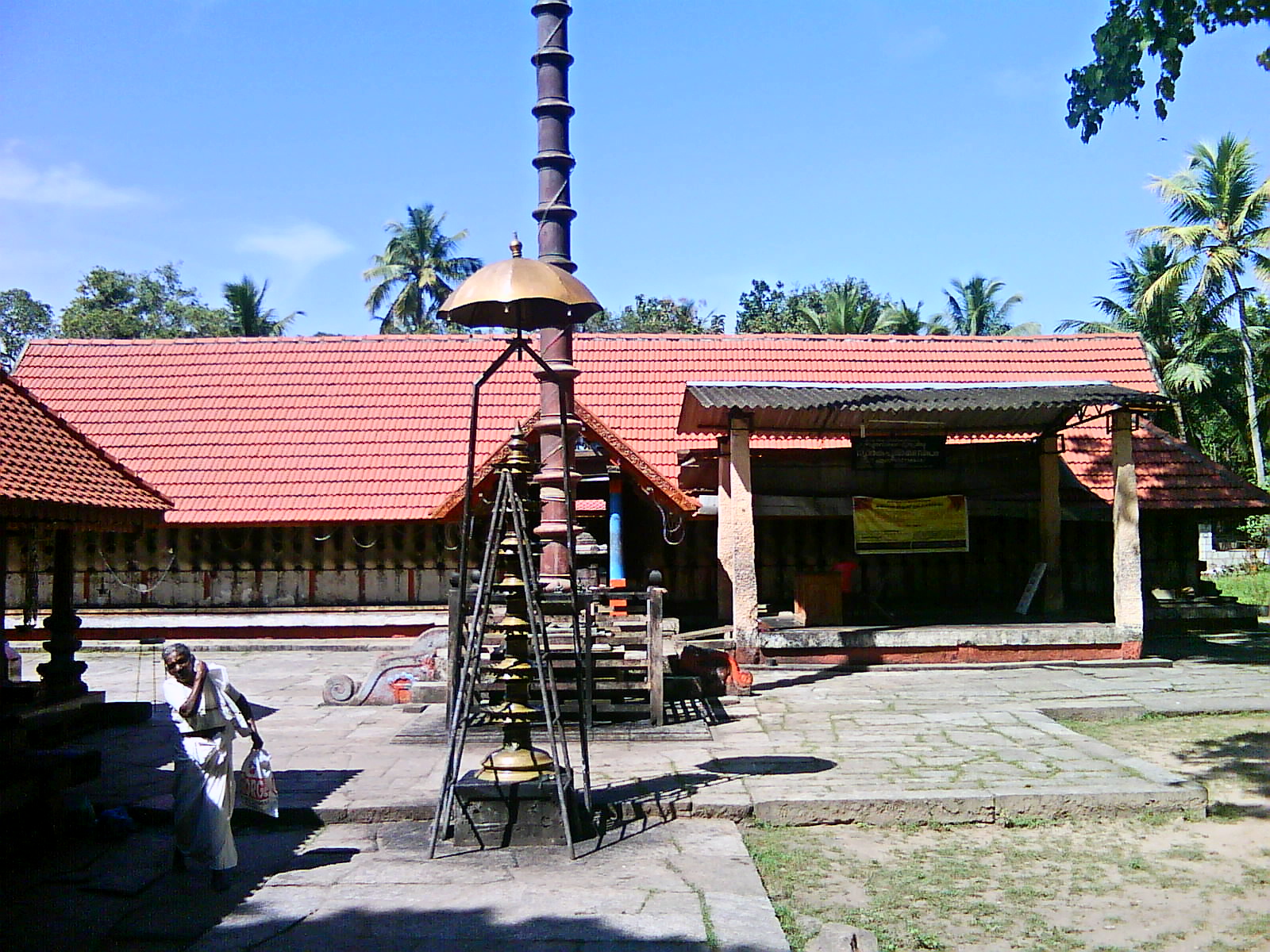
Janardanaswamy Temple Nearby Temples
Janardanaswamy Temple Visitor Information & Tips
Best time to visit (season/months):
October to March. Avoid the monsoon season (June to September) due to heavy rainfall. Summers can be hot and humid, so winter months are ideal for a pleasant visit.
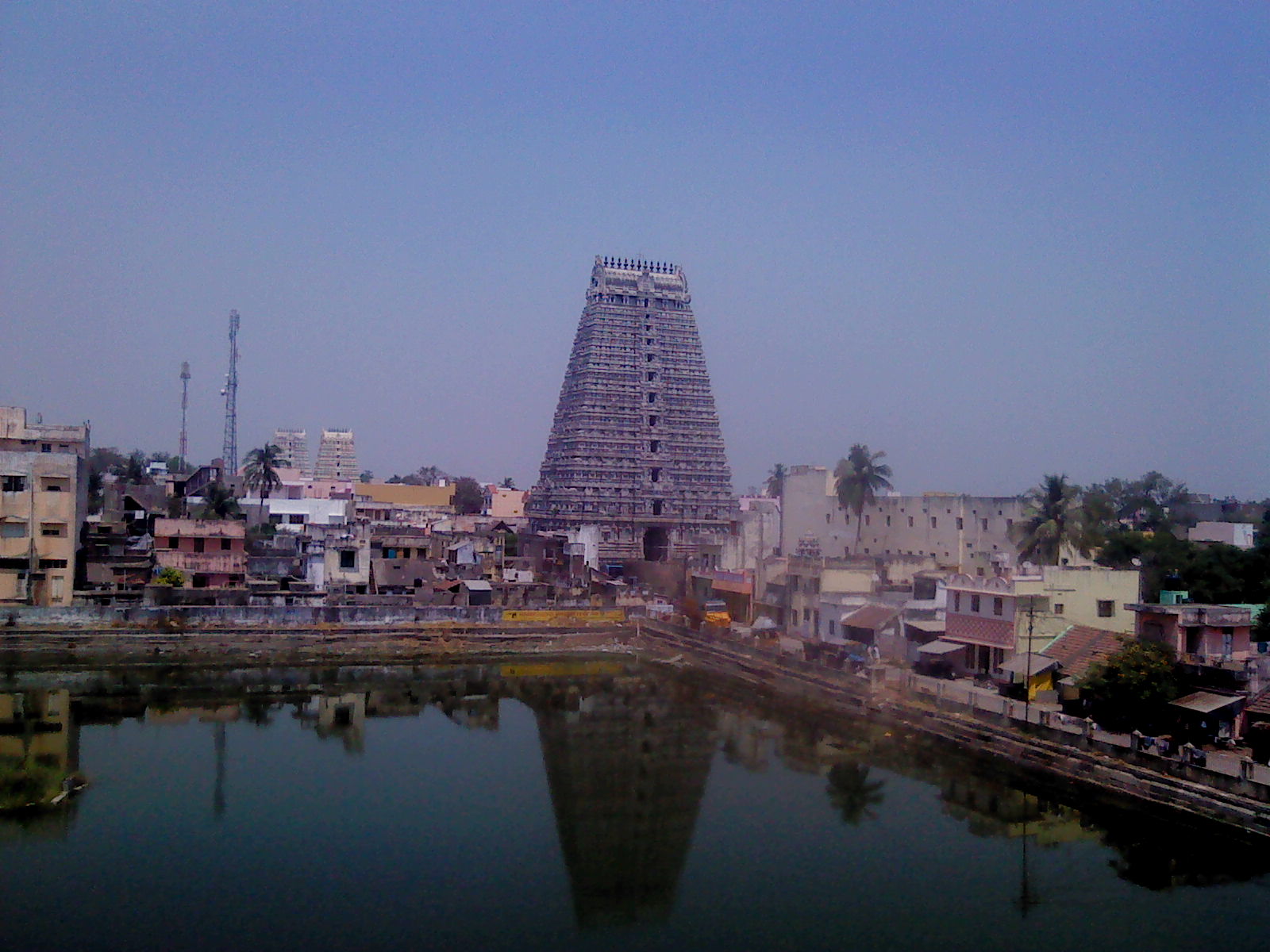
Other Vishnu Temples


Janardanaswamy Temple Interesting Facts
-
Legends BeliefsAccording to the temple legend, attracted by the music from Narada’s veena, Vishnu followed him and reached Satyaloka. Brahma saw Vishnu and prostrated before him. Vishnu soon realized that he had reached Satyaloka, but did not realize that Brahma was prostrating before him, and returned to Vaikuntha. It seemed then as if Brahma was falling at the feet of Narada and all the devas who were looking on laughed. This angered Brahma, and he cursed the devas to be born as humans on Earth. The devas repented their folly and begged to be forgiven. Brahma replied that the curse would be withdrawn when they had performed a penance to please Vishnu. The devas asked where they should do the penance. Brahma replied that the place would be where Narada’s cloth had fallen, Varkala. The devas performed the penance accordingly to get relieved of the curse.There exist other similar legends about the origin of the temple. In times of yore, Brahma came to earth to perform a yajna (fire sacrifice) in the location of Varkala. He was so immersed in doing yajna that he forgot his role of creation. Vishnu came to Varkala in the form of a very old man to remind Brahma about it. The Brahmins assisting Brahma received the old man and gave him food. But, whatever he ate, his hunger was not satiated. Brahma’s assistants told him about this. Brahma realized that his guest was Vishnu himself. He immediately went to Vishnu and found him trying to eat abhojana (unappetising food). Brahma prevented Vishnu from eating it, informing him that the act would cause the pralaya (deluge). Vishnu asked Brahma to stop the yajna and recommence his role of creation. He also showed him his vishvarupa (universal form).After this, one day, Narada followed by Vishnu, was walking over the sky over Varkala. Brahma, who came there, saluted Vishnu. The nine prajapatis, who only saw Narada, laughed at Brahma because they thought that Brahma was saluting his son. Brahma corrected them and they regretted having committed a sinful deed. Brahma told them that the proper place to pray for their redemption would be shown to them by Narada. Narada threw the valkala (tree bark hide) he was wearing towards the earth. It fell over the site Varkala. The prajapatis wanted a pond to do their atonement. Narada requested Vishnu for the same, and the deity created one using his Sudarshana Chakra (celestial discus). The prajapatis did tapas there and were pardoned for their sins. It is believed that the devas constructed a temple of Vishnu there and worshipped him in the form of Janardana.
-
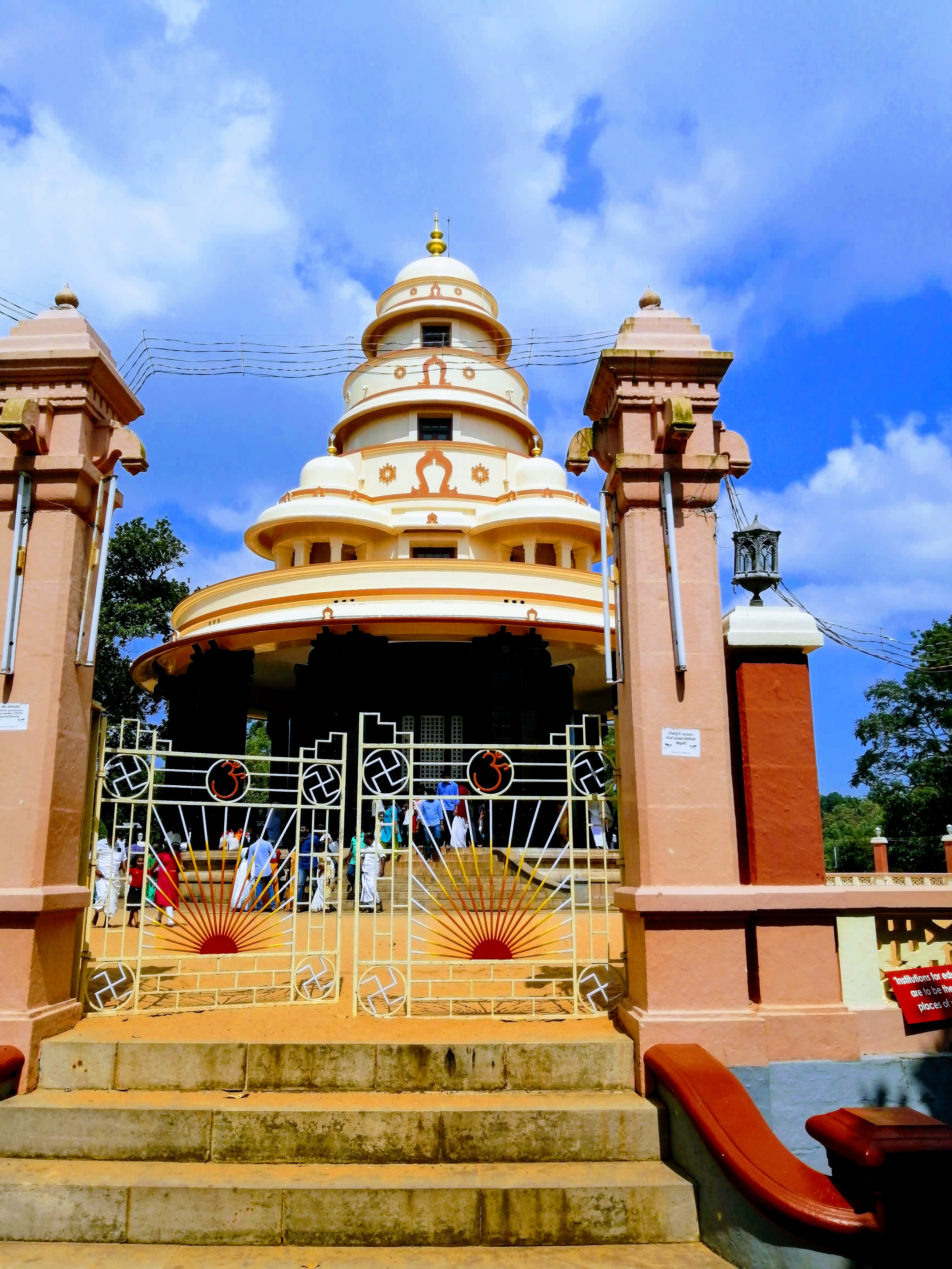
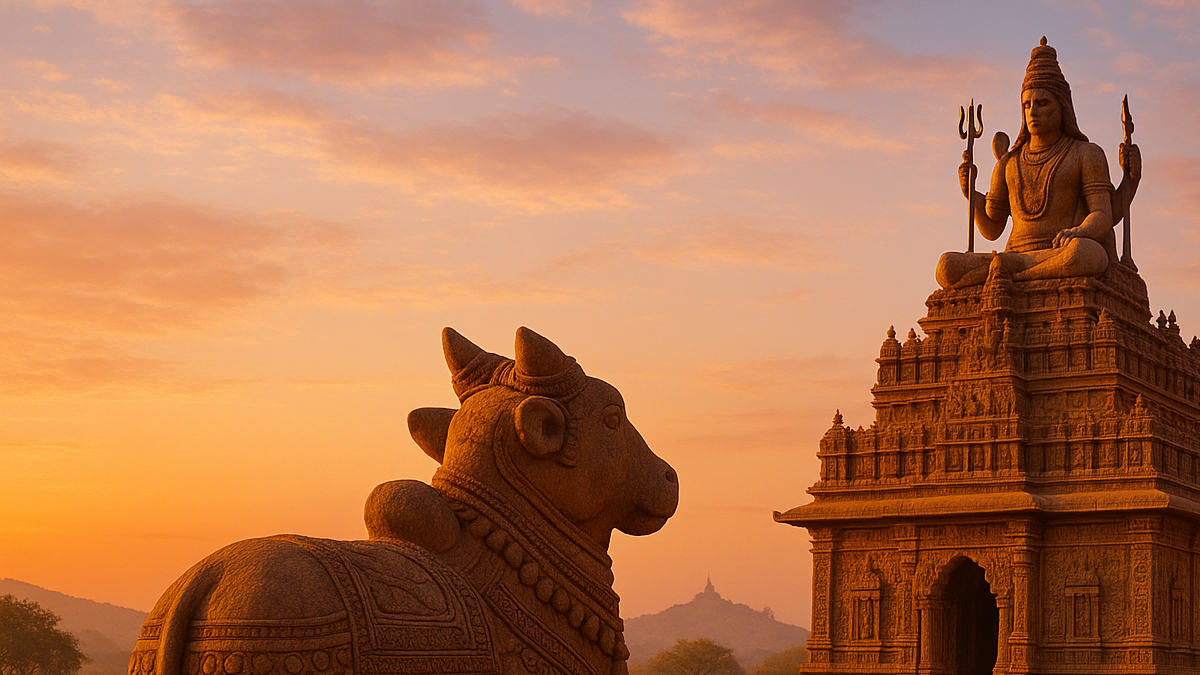
Deities and Sub DeitiesThe presiding deity of this temple, Janardanaswamy, is found standing and facing east. His right hand performs 'Aachamanam' and is raised towards his mouth, and as per legend, the world will come to an end when his hand reaches his mouth. The temple sits on a tableland adjoining the sea and is reached by a long flight of stairs. The entrance to the inner shrine is flanked by the idols of Hanuman and Garuda on either side. In the main shrine is the idol of Janardana with Sridevi and Bhudevi. It is a fine example of Kerala Art and Architecture. The circular ‘Sanctum sanctorum' surmounted by a conical dome of copper sheets, the square mandapa with wooden carvings of Navagrahas on the ceiling and copper-plated roof, the quadrangular enclosures (prakaram) around them, a hall containing a Bali Pitha in front of the inner temple, etc are characteristic features of Kerala architecture and the highly embellished temples of South India.One of the inscriptions indicates that the temple was partially renovated during the reign of Umayamma Rani who ruled this region in 1677-84 CE. The main idol has a striking appearance with four arms having all the attributes of Vishnu. In the south-western corner and on the north-eastern side of the outer enclosure are the shrines of Sasta and Shiva with Nandi.
-
OfferingsOffering obeisances to the departed souls and forefathers is a very important ritual. Four poojas are conducted a day. The temple's chief priest is a Tulu Brahmin, who should not be a native of the place where the temple exists. A ten-day festival with Arattu is conducted in the Malayalam month of Meenam on the day of Uttaram.
-
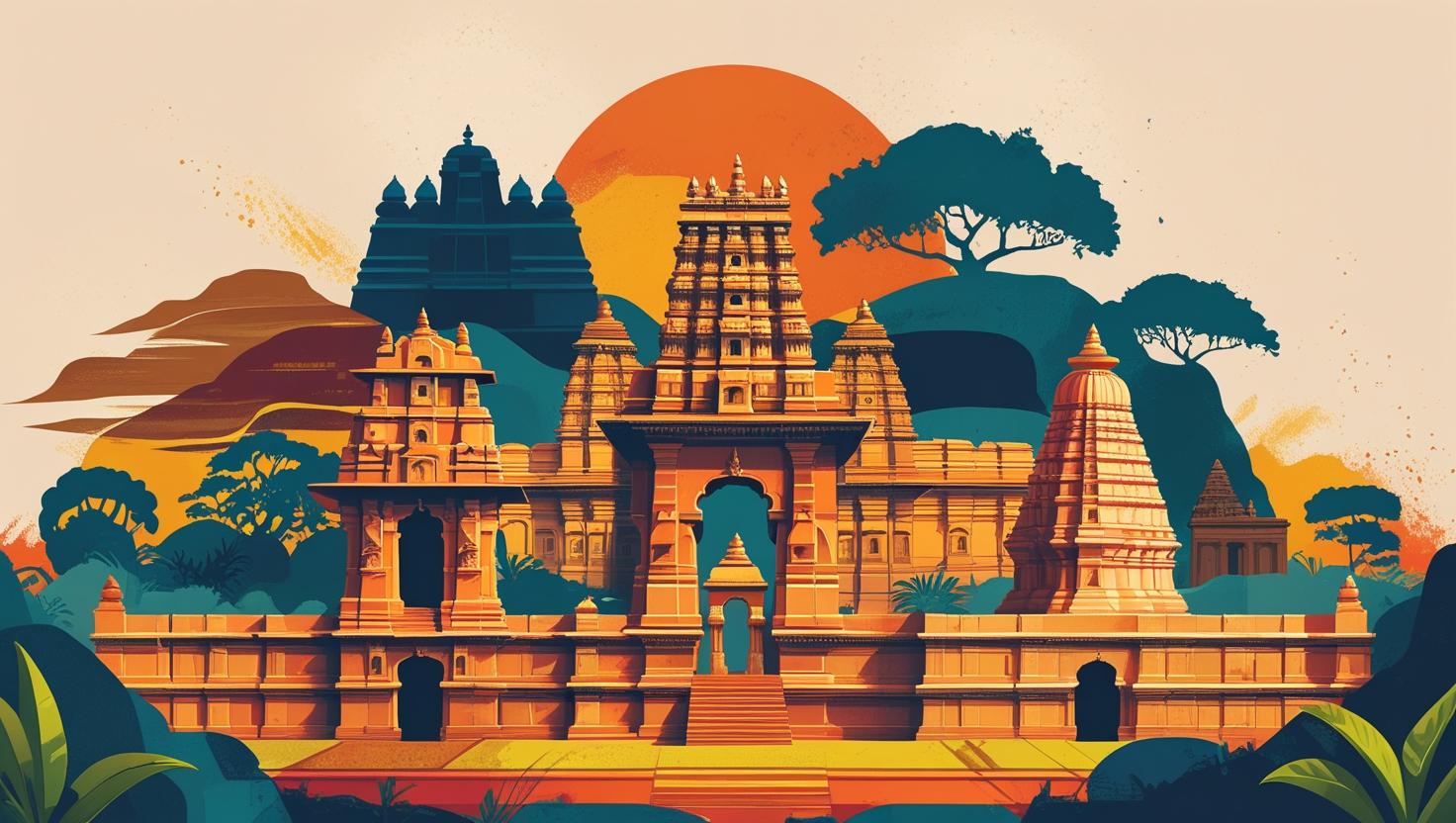
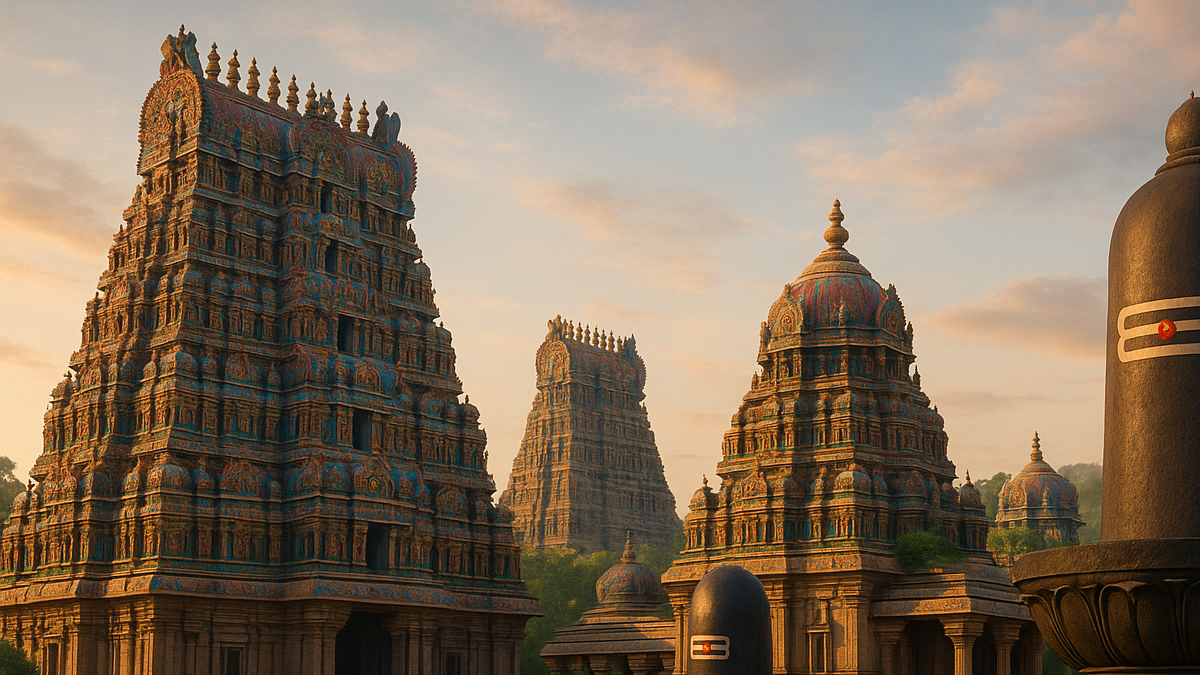
ArchitectureThe temple sits on a tableland adjoining the sea and is reached by a long flight of stairs. The entrance to the inner shrine is flanked by the idols of Hanuman and Garuda on either side. In the main shrine is the idol of Janardana with Sridevi and Bhudevi. It is a fine example of Kerala Art and Architecture. The circular ‘Sanctum sanctorum' surmounted by a conical dome of copper sheets, the square mandapa with wooden carvings of Navagrahas on the ceiling and copper-plated roof, the quadrangular enclosures (prakaram) around them, a hall containing a Bali Pitha in front of the inner temple, etc are characteristic features of Kerala architecture and the highly embellished temples of South India.One of the inscriptions indicates that the temple was partially renovated during the reign of Umayamma Rani who ruled this region in 1677-84 CE. The main idol has a striking appearance with four arms having all the attributes of Vishnu. In the south-western corner and on the north-eastern side of the outer enclosure are the shrines of Sasta and Shiva with Nandi.
-
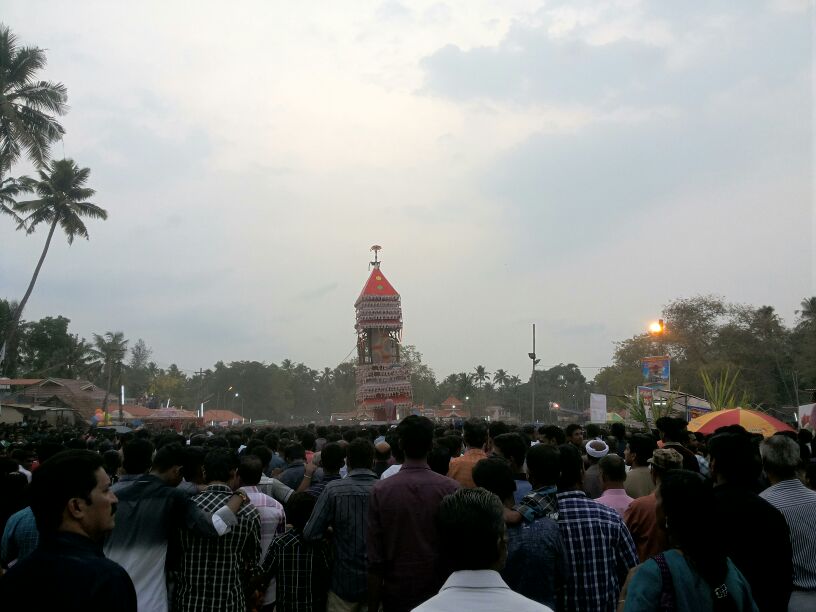
FestivalsEvery year, in the month of Meenam (March–April), a ten-day Arattu festival is celebrated at the Janardanaswamy Temple in Kerala's beach town of Varkala. The festival starts with a Kodiyettam flag hoisting ceremony, and ends with a procession of five decorated elephants through the streets. During the fourth and fifth days of the festival, the celebrations include all-night performances such as traditional Kathakali dancing. The arattu (holy bath) of the deity is conducted on Uttaram day in the Arabian Sea behind the temple. Apart from this festival, the days of the appearance of Vishnu's avatars (e.g.: Rama Navami, Ashtami Rohini, Narasimha Jayanti), Karkidaka vavu (Amavasya day in the month of Karkidakam, which comes in July or August), and Vaikuntha Ekadashi are also celebrated in the temple. The days of Thiruvonam star, Ekadashi and Thursdays are also considered important, since according to popular custom, these days are dedicated to Vishnu.
-
Religious PracticesOffering obeisances to the departed souls and forefathers is a very important ritual. Four poojas are conducted a day. The temple's chief priest is a Tulu Brahmin, who should not be a native of the place where the temple exists. A ten-day festival with Arattu is conducted in the Malayalam month of Meenam on the day of Uttaram.
FAQ's
Where is the Janardanaswamy Temple located?
Which God is Janardanaswamy (Vishnu)?
What is the best time to visit Janardanaswamy Temple?
How to reach Janardanaswamy Temple from near City or Town?
In Kerala
Ayyappan Temples
-
 Sign in with Google
-
Block for 8 hours
-
Block for 12 hours
-
Block for 24 hours
-
Don't block


 Click it and Unblock the Notifications
Informed.
- Male
- Female
- Others
- Under 18
- 18 to 25
- 26 to 35
- 36 to 45
- 45 to 55
- 55+