


Hari Parbat, Srinagar
Srinagar, Jammu and Kashmir

Hari Parbat History and Significance
Hari Parbat, also known as Koh-i-Maran, is a hill in Srinagar, Jammu and Kashmir. The Mughal emperor Akbar began fortifications here in 1590, intending to establish a new capital. However, the project was not completed. The current fort was built in 1808 by Atta Mohammed Khan of the Durrani Empire.
The fort can be accessed from two sides of the city: via Rainawari through Kathi Darwaza Gate and via Hawal through Sangin Darwaza Gate. It was closed for nearly two decades and reopened to the public in 2007. On 15 August 2021, a 100-feet tall Indian flag was hoisted on the fort.
Hari Parbat Pooja Timing
| Pooja Name | Timings |
|---|---|
| Morning Aarti | 6:00 AM - 7:00 AM |
| Midday Pooja | 12:00 PM - 1:00 PM |
| Evening Aarti | 6:00 PM - 7:00 PM |
| Special Pooja (on request) | Customizable based on prior booking |
Hari Parbat Location Details
How to Reach Hari Parbat
By Road:
By Train:
By Air:
Srinagar is well-connected by road to major towns in Jammu and Kashmir. State Transport Buses and private taxis operate regularly from cities like Jammu, Leh, and Anantnag.
Nearest railway stations: Jammu Tawi Railway Station (approximately 270 km away) and Udhampur Railway Station (approximately 200 km away). From these stations, buses or taxis are available to Srinagar.
Nearest airport: Sheikh ul-Alam International Airport (Srinagar Airport). From the airport, you can take a taxi or bus to Srinagar city, which is the closest town to Hari Parbat.
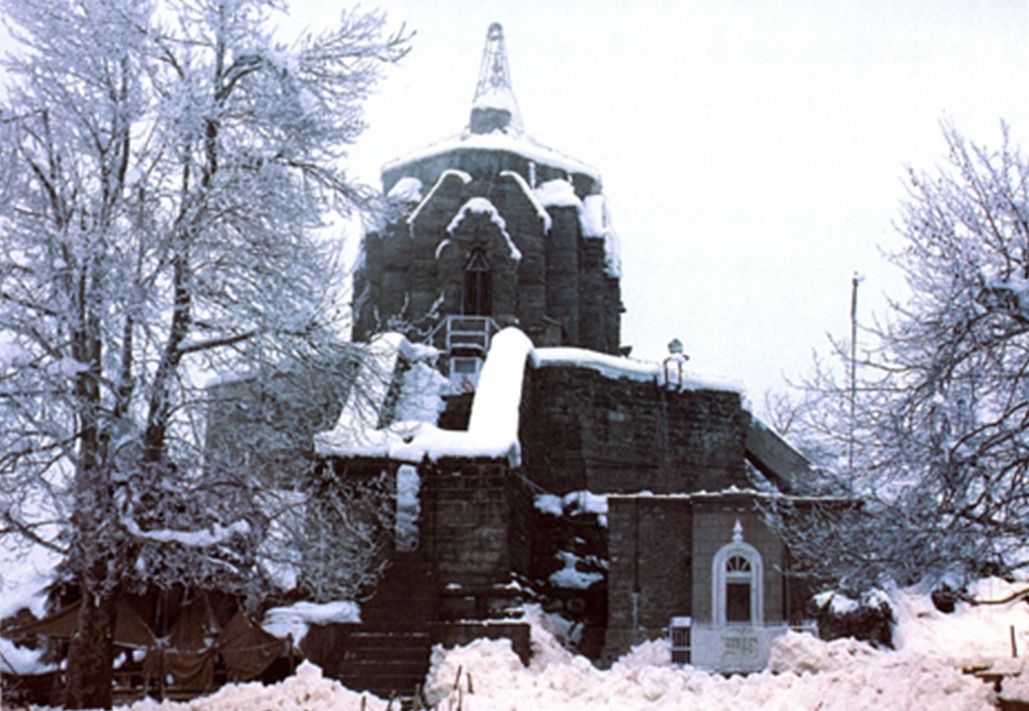
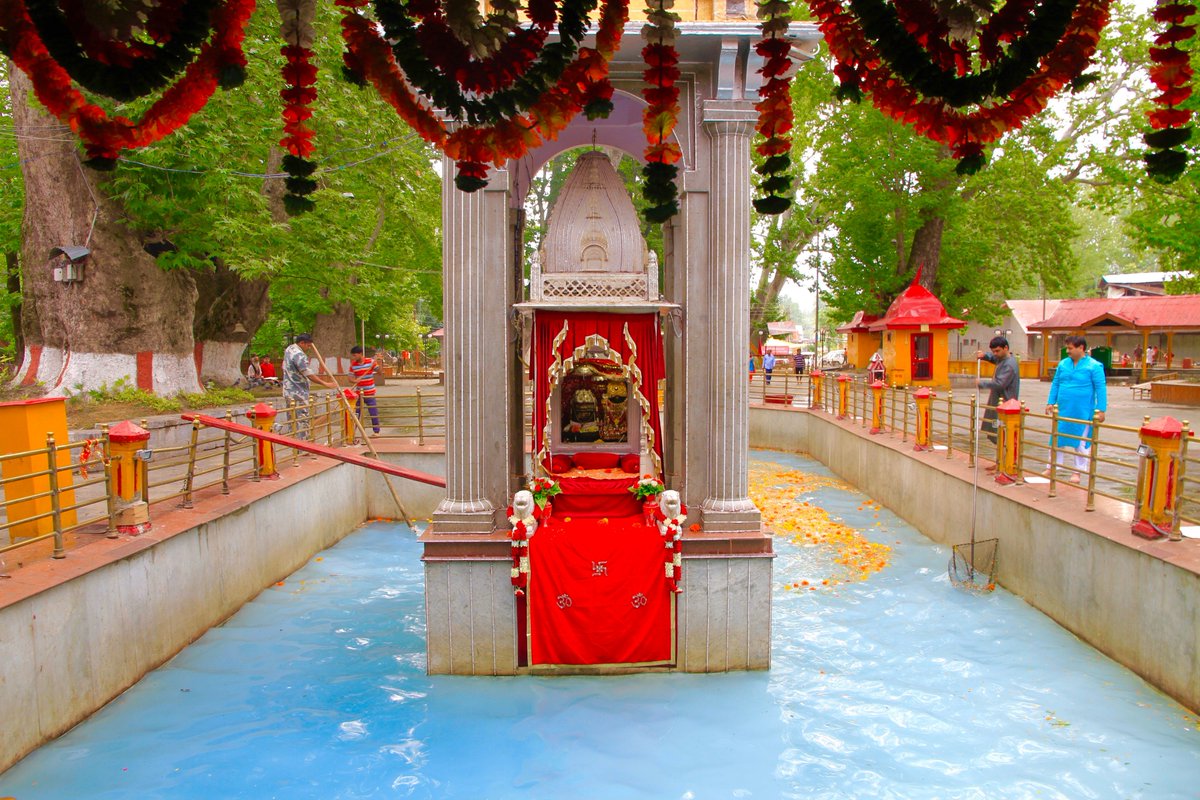
Hari Parbat Nearby Temples
Hari Parbat Visitor Information & Tips
Best time to visit (season/months):
March to October. Avoid the monsoon season due to landslides and heavy rainfall. Winters: The temple may be closed during heavy snowfall.
Hari Parbat Interesting Facts
-
Legends BeliefsAccording to Hindu mythology, Hari Parbat was once inhabited by a demon named Jalodbhava. The people prayed to Goddess Parvati for help. She transformed into a bird and dropped a pebble on the demon's head. The pebble grew and crushed the demon. Hari Parbat is revered as that pebble, and Parvati is worshipped as Sharika.
-
Deities and Sub DeitiesThe main deity worshipped at Hari Parbat is Goddess Sharika, an incarnation of Parvati. She is depicted with 18 arms and seated in Shri Chakra. The temple dedicated to her is located on the western slope of the hill.On the southern side of Hari Parbat is the shrine of Hamza Makhdoom, a 16th-century Kashmiri Sufi saint. There is also a mosque dedicated to Shah Badakhshi, a 17th-century Qadiri Sufi saint, built by Mughal princess Jahanara Begum.Gurdwara Chatti Patshahi at Kathi Darwaza is believed to be where Guru Har Gobind stayed during his travels. Gurdwara Guru Nanak Dev marks the place where Guru Nanak had discourse with people in the early 16th century.
-
OfferingsDevotees offer prayers and traditional offerings to Goddess Sharika at the temple. The offerings typically include flowers, fruits, and sweets, which are considered sacred and are distributed among the devotees after the rituals.
-
ArchitectureThe architecture of Hari Parbat includes the fort built by the Durrani Empire, showcasing Mughal influences. The fort's walls and gates, such as Kathi Darwaza and Sangin Darwaza, are significant architectural features. The shrines and temples on the hill reflect a blend of Hindu, Muslim, and Sikh architectural styles.
-
FestivalsVarious festivals are celebrated at Hari Parbat, attracting devotees from different faiths. Hindu festivals honouring Goddess Sharika are prominent, while Muslim and Sikh communities also observe their religious events at the respective shrines and gurdwaras on the hill.
-
Religious PracticesReligious practices at Hari Parbat include daily prayers and rituals at the Sharika temple. Devotees perform pujas and chant hymns in praise of the goddess. The Muslim shrines host regular prayers and gatherings, while the gurdwaras conduct Sikh religious ceremonies and community services.
FAQ's
Where is the Hari Parbat located?
Which God is Goddess Sharika?
What is the best time to visit Hari Parbat?
How to reach Hari Parbat from near City or Town?
In Jammu and Kashmir
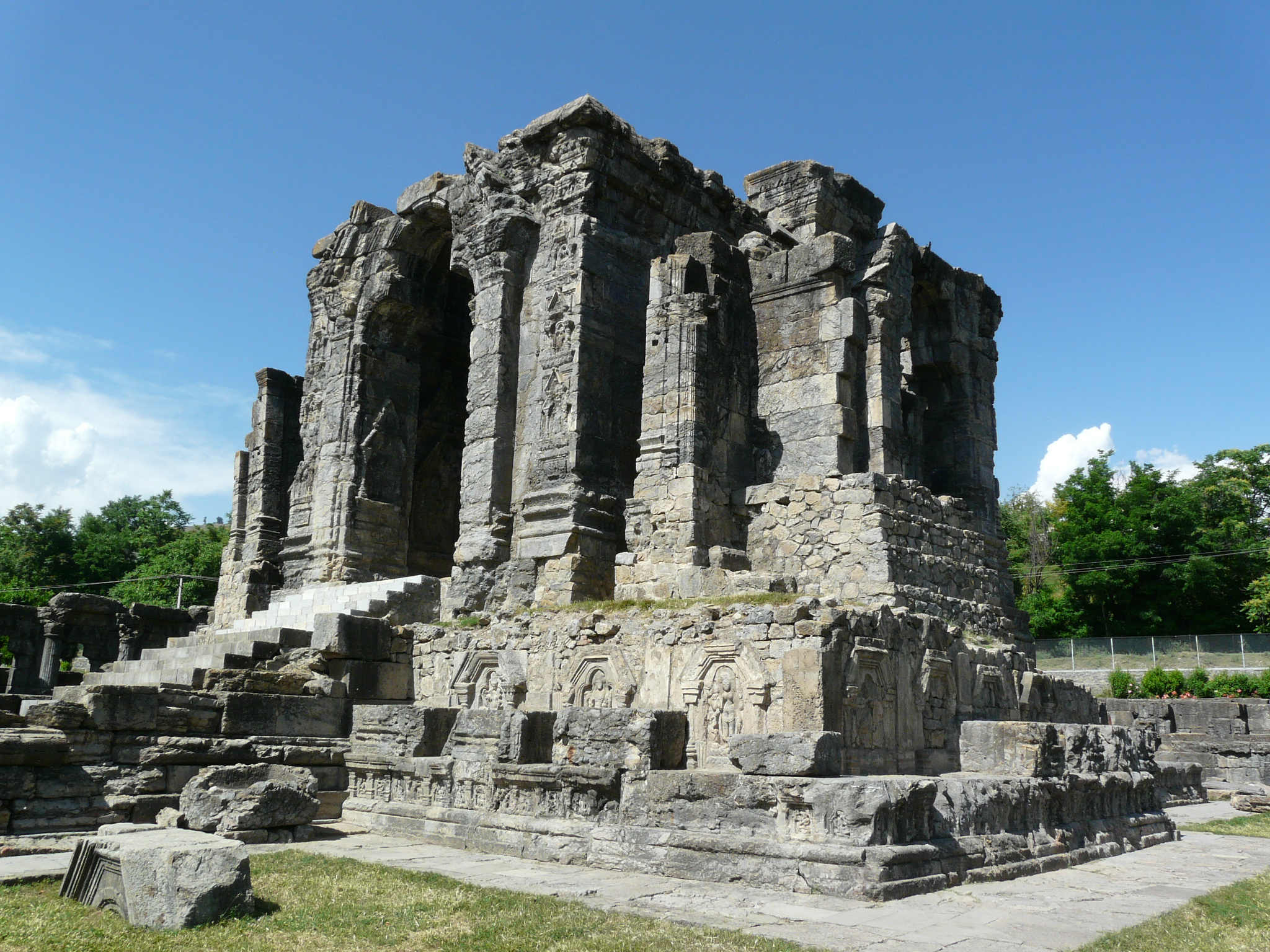
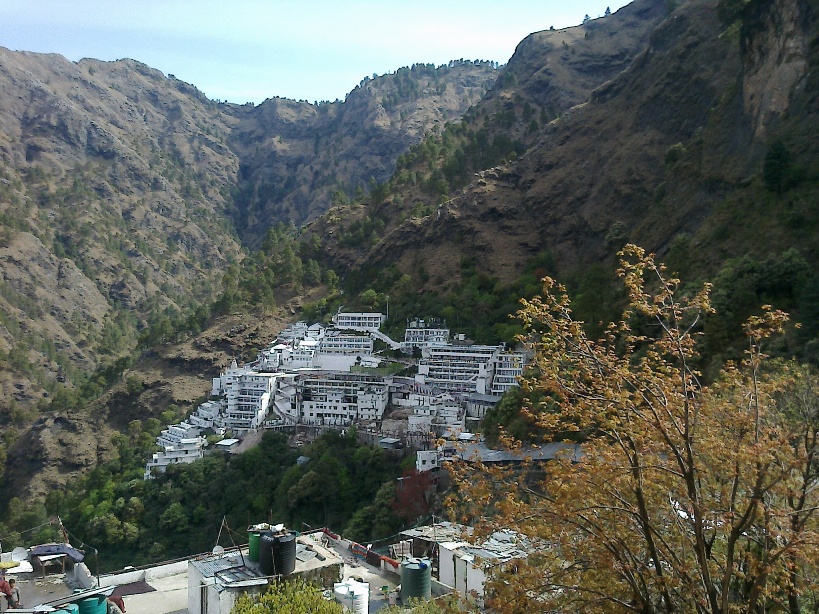
Near By Temples
-
 Sign in with Google
-
Block for 8 hours
-
Block for 12 hours
-
Block for 24 hours
-
Don't block


 Click it and Unblock the Notifications
Informed.
- Male
- Female
- Others
- Under 18
- 18 to 25
- 26 to 35
- 36 to 45
- 45 to 55
- 55+