


Elephanta Caves, Elephanta Island
Elephanta Island, Maharashtra

Elephanta Caves History and Significance
The Elephanta Caves, located on Elephanta Island in Mumbai Harbour, are a UNESCO World Heritage Site. These caves date back to between the 5th and 9th centuries. They were primarily built as a tribute to the Hindu god Shiva. The island was originally known as Gharapuri, meaning 'the city of caves'. The caves were named 'Elephanta' by the Portuguese, who found a large stone elephant statue on the island.
The caves were initially a place of worship for Hindus until the arrival of the Portuguese, who used the site for target practice, causing significant damage. The British began restoration efforts in the early 20th century, and further restoration took place in the 1970s. Today, the Archaeological Survey of India maintains the site.
Elephanta Caves Pooja Timing
| Pooja Name | Timings |
|---|---|
| Morning Aarti | 6:00 AM - 7:00 AM |
| Midday Pooja | 12:00 PM - 1:00 PM |
| Evening Aarti | 6:00 PM - 7:00 PM |
| Special Pooja (on request) | Customizable based on prior booking |
Elephanta Caves Location Details
How to Reach Elephanta Caves
By Road:
By Train:
By Air:
Mumbai is well-connected by road to major towns and cities in Maharashtra. You can drive or take a bus to the Gateway of India in Mumbai. From there, ferries operate regularly to Elephanta Island.
Nearest railway stations: Chhatrapati Shivaji Maharaj Terminus (CSMT) and Churchgate Railway Station in Mumbai. From these stations, you can take a taxi or local transport to the Gateway of India, where ferries to Elephanta Island are available.
Nearest airport: Chhatrapati Shivaji Maharaj International Airport, Mumbai. From the airport, you can take a taxi or bus to the Gateway of India in Mumbai. From there, ferries are available to Elephanta Island.
Elephanta Caves Nearby Temples
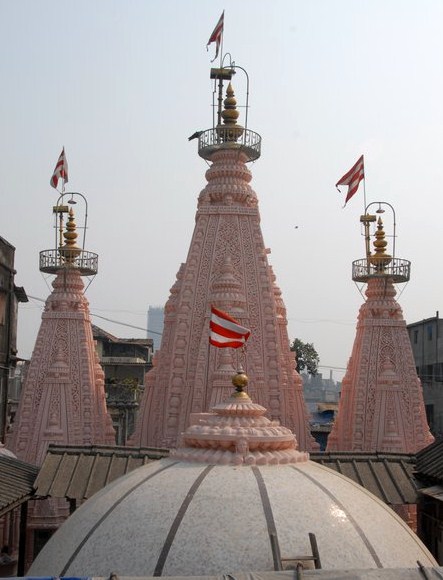
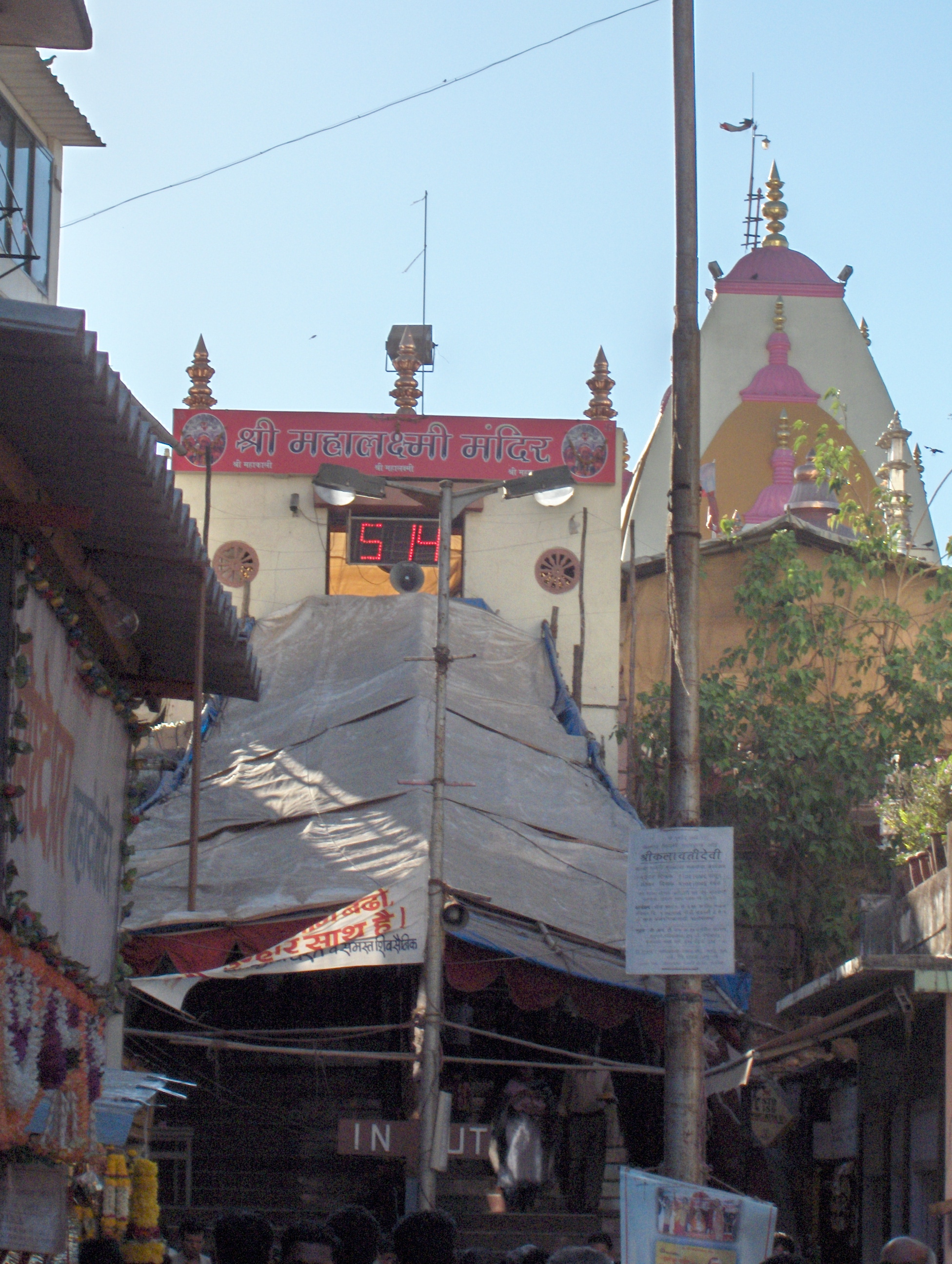
Elephanta Caves Visitor Information & Tips
Best time to visit (season/months):
October to March. Avoid the monsoon season (June to September) due to heavy rainfall, which may disrupt ferry services. Winters offer pleasant weather for exploring the caves.
Other Shiva Temples
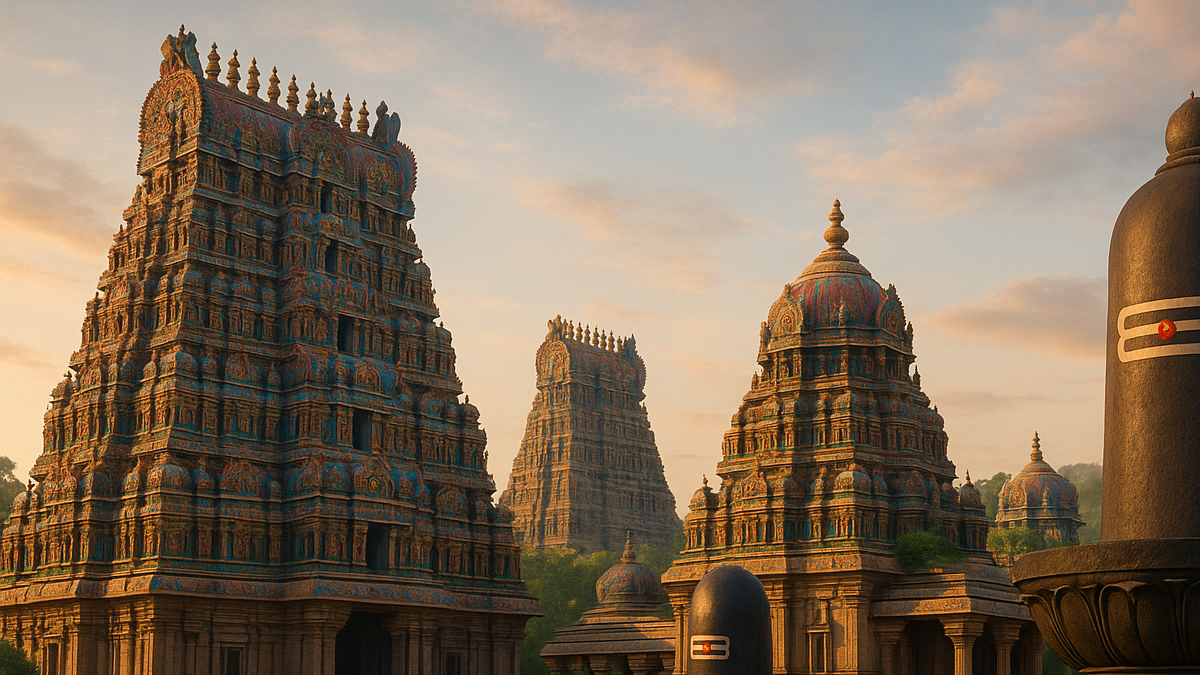
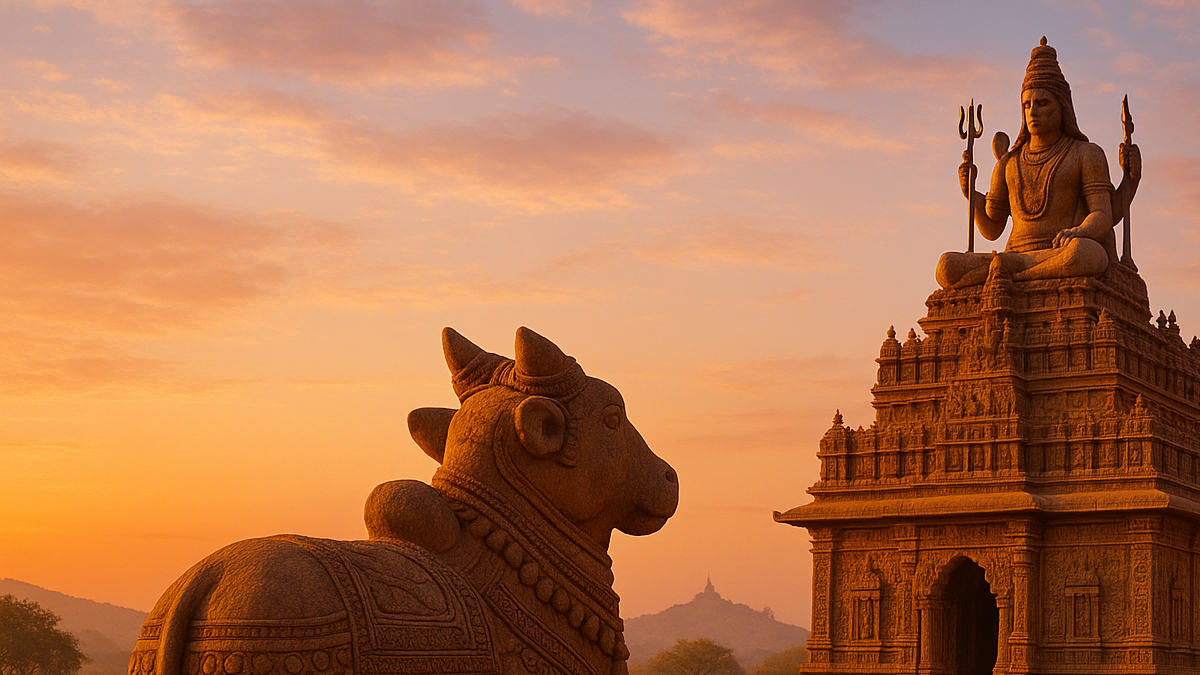
Elephanta Caves Interesting Facts
-
Legends BeliefsLegends and BeliefsThe Elephanta Caves are steeped in Hindu mythology, primarily dedicated to Lord Shiva. The carvings depict various legends, including the Trimurti Sadashiva, which represents the three aspects of Shiva: creator, preserver, and destroyer. Other notable depictions include Shiva as Nataraja, the Lord of Dance, and Yogishvara, the Lord of Yogis.These legends reflect the syncretism of Hindu and Buddhist ideas, showcasing the spiritual and cultural richness of ancient India. The caves serve as a testament to the religious practices and beliefs of the time, illustrating the importance of Shiva in Hindu mythology.
-
Deities and Sub DeitiesDeities and Sub-DeitiesThe main deity of the Elephanta Caves is Shiva, depicted in various forms such as the Trimurti, Nataraja, and Yogishvara. The caves also feature representations of other Hindu deities, including Parvati, Ganesha, and Kartikeya. The presence of these deities highlights the significance of Shaivism and the broader Hindu pantheon in the religious practices of the time.The artwork in the caves also includes depictions of Shakti, the feminine aspect of divine energy, represented by the Sapta Matrikas or seven mothers. This reflects the integration of Shaktism within the broader Shaiva tradition.
-
OfferingsOfferingsWhile the Elephanta Caves are no longer an active place of worship, they continue to attract pilgrims and tourists who offer prayers and flowers to the deities depicted in the carvings. The site holds cultural and spiritual significance, drawing visitors who seek to connect with the rich history and religious heritage of the region.During festivals and special occasions, devotees may perform rituals and offer traditional items such as incense, fruits, and sweets to honour the deities and seek blessings.
-
ArchitectureArchitectureThe Elephanta Caves are renowned for their rock-cut architecture, carved from solid basalt rock. The main cave, known as the Great Cave, features a mandala pattern with a central shrine dedicated to Shiva. The caves are adorned with intricate sculptures and high-relief carvings that depict various Hindu legends and deities.The architectural style reflects a blend of Hindu and Buddhist influences, showcasing the artistic and cultural syncretism of the time. The caves are a testament to the skill and creativity of ancient Indian artisans.
-
FestivalsFestivalsThe Elephanta Caves host several festivals, attracting devotees and tourists alike. One of the most significant events is the Elephanta Festival, which celebrates Indian classical music and dance. This festival is held annually and features performances by renowned artists, highlighting the cultural heritage of the region.During the festival, the caves come alive with vibrant performances, drawing visitors from across the country and beyond. The event serves as a platform to promote and preserve traditional Indian art forms.
-
Religious PracticesReligious PracticesAlthough the Elephanta Caves are no longer an active site of worship, they continue to hold religious significance for many visitors. Pilgrims often visit the caves to offer prayers and seek blessings from the deities depicted in the carvings. The site serves as a reminder of the rich spiritual heritage of ancient India.Visitors may engage in meditation and reflection, drawing inspiration from the serene and sacred atmosphere of the caves. The site remains a symbol of the enduring legacy of Hindu religious practices and beliefs.
FAQ's
Where is the Elephanta Caves located?
Which God is Shiva?
What is the best time to visit Elephanta Caves?
How to reach Elephanta Caves from near City or Town?
In Maharashtra
Near By Temples
-
 Sign in with Google
-
Block for 8 hours
-
Block for 12 hours
-
Block for 24 hours
-
Don't block


 Click it and Unblock the Notifications
Informed.
- Male
- Female
- Others
- Under 18
- 18 to 25
- 26 to 35
- 36 to 45
- 45 to 55
- 55+