


Devi Jagadambi Temple, Khajuraho
Khajuraho, Madhya Pradesh

Devi Jagadambi Temple History and Significance
The Devi Jagadambi Temple is part of the Khajuraho group of monuments built during the Chandela dynasty's rule. Construction began soon after their rise to power in Bundelkhand. Most temples were built under kings Yashovarman and Dhanga. The largest surviving temple, Kandariya Mahadeva, was built during King Vidyadhara's reign. Inscriptions suggest many temples were completed between 970 and 1030 CE.
Khajuraho was first mentioned in 641 by Xuanzang, a Chinese pilgrim. In 1022 CE, Abu Rihan-al-Biruni, a Persian historian, noted Khajuraho as Jajahuti's capital. The temples remained active until the 12th century. In the 13th century, the Delhi Sultanate attacked, leading to neglect. Ibn Battuta, a Moroccan traveller, visited in the 14th century, noting the temples' condition.
From the 13th to 18th centuries, Muslim dynasties controlled the region. Some temples were desecrated, but Khajuraho's isolation protected them. In 1495, Sikandar Lodi's campaign included Khajuraho. Over time, vegetation overgrew the temples. In the 1830s, British surveyor T.S. Burt rediscovered them. Alexander Cunningham later reported secret temple use by yogis. In 1852, F.C. Maisey made early drawings of the temples.
Devi Jagadambi Temple Pooja Timing
| Pooja Name | Timings |
|---|---|
| Morning Aarti | 6:00 AM - 7:00 AM |
| Midday Pooja | 12:00 PM - 1:00 PM |
| Evening Aarti | 6:00 PM - 7:00 PM |
| Special Pooja (Customizable) | Available upon prior booking with temple authorities |
Devi Jagadambi Temple Location Details
How to Reach Devi Jagadambi Temple
By Road:
By Train:
By Air:
Khajuraho is well-connected by road to major towns in Madhya Pradesh. State Transport Buses and private taxis operate regularly.
Nearest railway stations: Khajuraho Railway Station and Mahoba Railway Station. From these stations, buses or taxis are available to Khajuraho town.
Nearest airport: Khajuraho Airport. From the airport, you can take a taxi or bus to Khajuraho town.
Devi Jagadambi Temple Nearby Temples
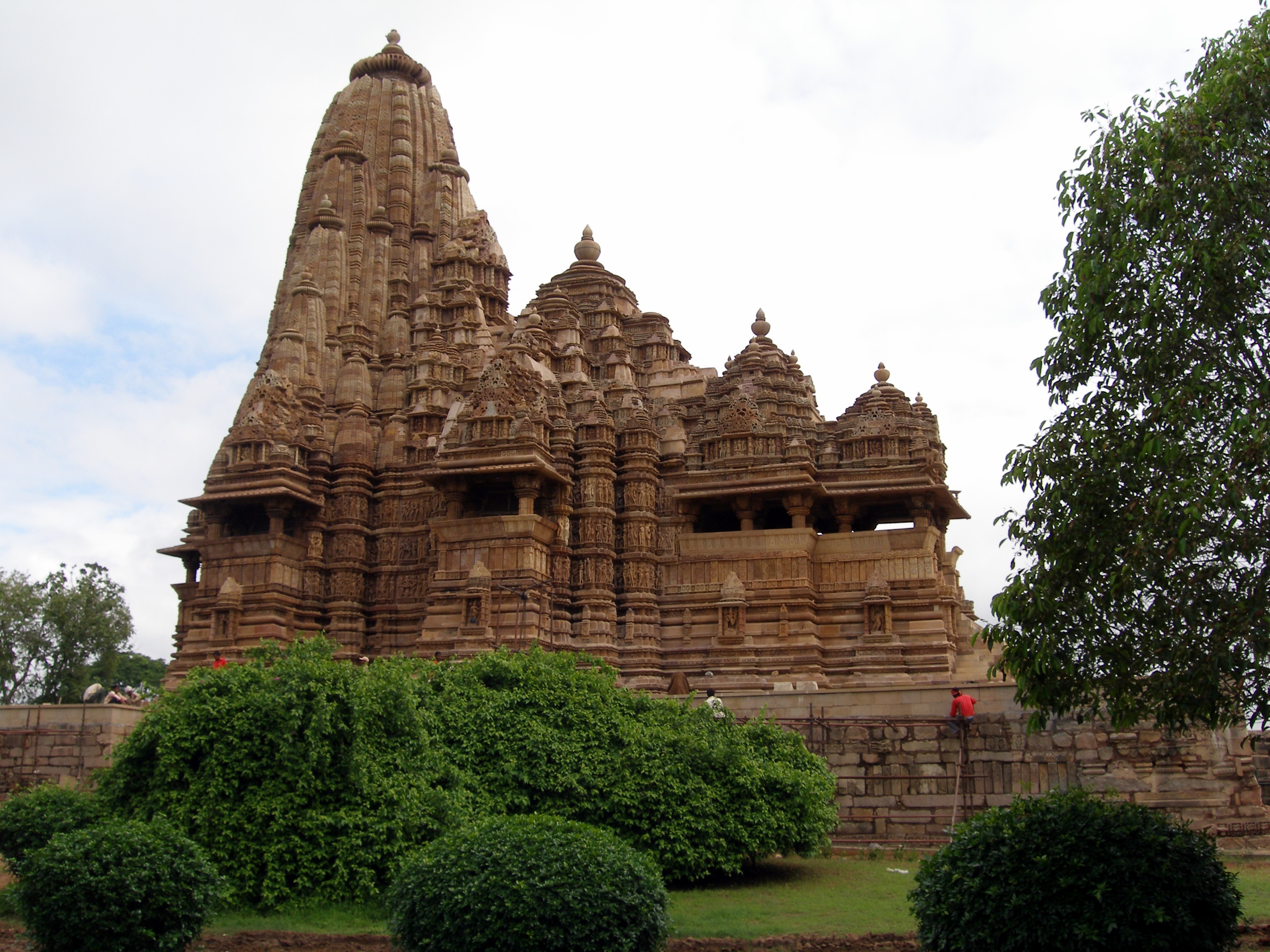
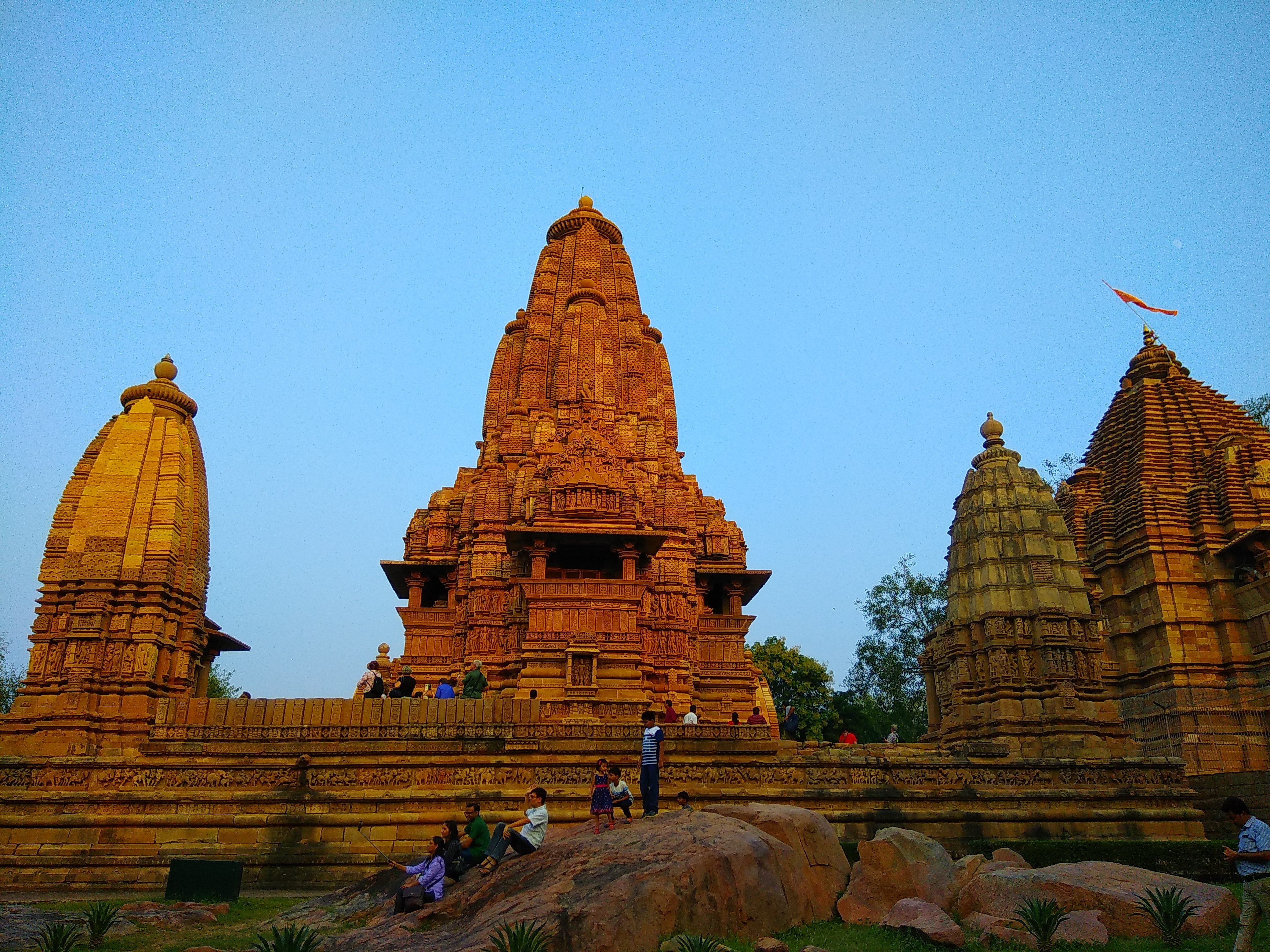
Devi Jagadambi Temple Visitor Information & Tips
Best time to visit (season/months):
October to March is the best time to visit due to pleasant weather. Avoid the monsoon season (July to September) due to heavy rainfall.
Devi Jagadambi Temple Interesting Facts
-
Legends BeliefsThe Devi Jagadambi Temple is named after Jagadambika, a Hindu goddess related to Devi. The temple is renowned for its intricate carvings and sculptures. It is believed that the temple was dedicated to the goddess Parvati, who is worshipped as the main deity. The temple's sanctum houses a large image of the goddess, symbolising her divine presence.
-
Deities and Sub DeitiesThe main deity of the Devi Jagadambi Temple is Parvati, a prominent goddess in Hinduism. She is revered as the goddess of love, fertility, and devotion. The temple's architecture and carvings reflect her significance and the devotion of the people who worshipped her. The temple's sanctum houses a large image of Parvati, emphasising her importance in the temple's religious practices.
-
OfferingsDevotees visiting the Devi Jagadambi Temple offer various items to the goddess Parvati. These offerings typically include flowers, fruits, and incense. Devotees also perform rituals and prayers to seek the goddess's blessings. The temple's serene atmosphere and spiritual significance make it a popular destination for pilgrims and tourists alike.
-
ArchitectureThe Devi Jagadambi Temple is one of the most finely decorated temples at Khajuraho. It features three bands of carvings that encircle the temple's body. The temple's architecture is a testament to the artistic and architectural skills of the Chandela dynasty. The intricate carvings and sculptures depict various deities, celestial beings, and mythological scenes, showcasing the rich cultural heritage of the region.
-
FestivalsThe Devi Jagadambi Temple hosts several festivals throughout the year. The Khajuraho Dance Festival is a major event, attracting artists and visitors from around the world. Other significant festivals include Navaratri, Durga Puja, Ram Navami, and Dussehra. These festivals celebrate the goddess Parvati and other deities, highlighting the temple's religious and cultural importance.
-
Religious PracticesThe Devi Jagadambi Temple is a place of worship and spiritual significance. Devotees perform various religious practices, including prayers, rituals, and offerings to the goddess Parvati. The temple's serene environment and divine presence provide a space for meditation and reflection. Pilgrims visit the temple to seek blessings, spiritual guidance, and inner peace.
FAQ's
Where is the Devi Jagadambi Temple located?
Which God is Parvati?
What is the best time to visit Devi Jagadambi Temple?
How to reach Devi Jagadambi Temple from near City or Town?
In Madhya Pradesh


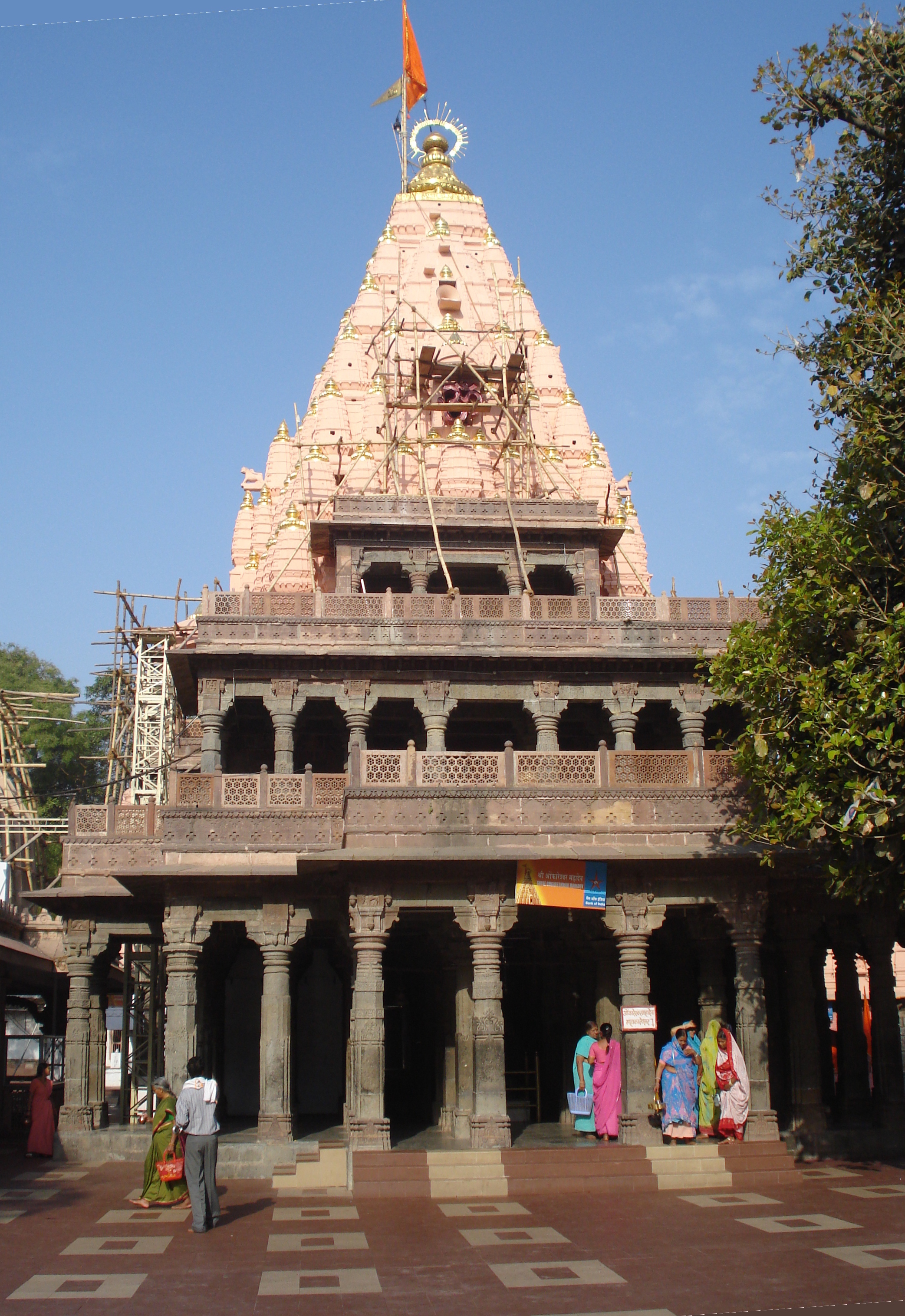
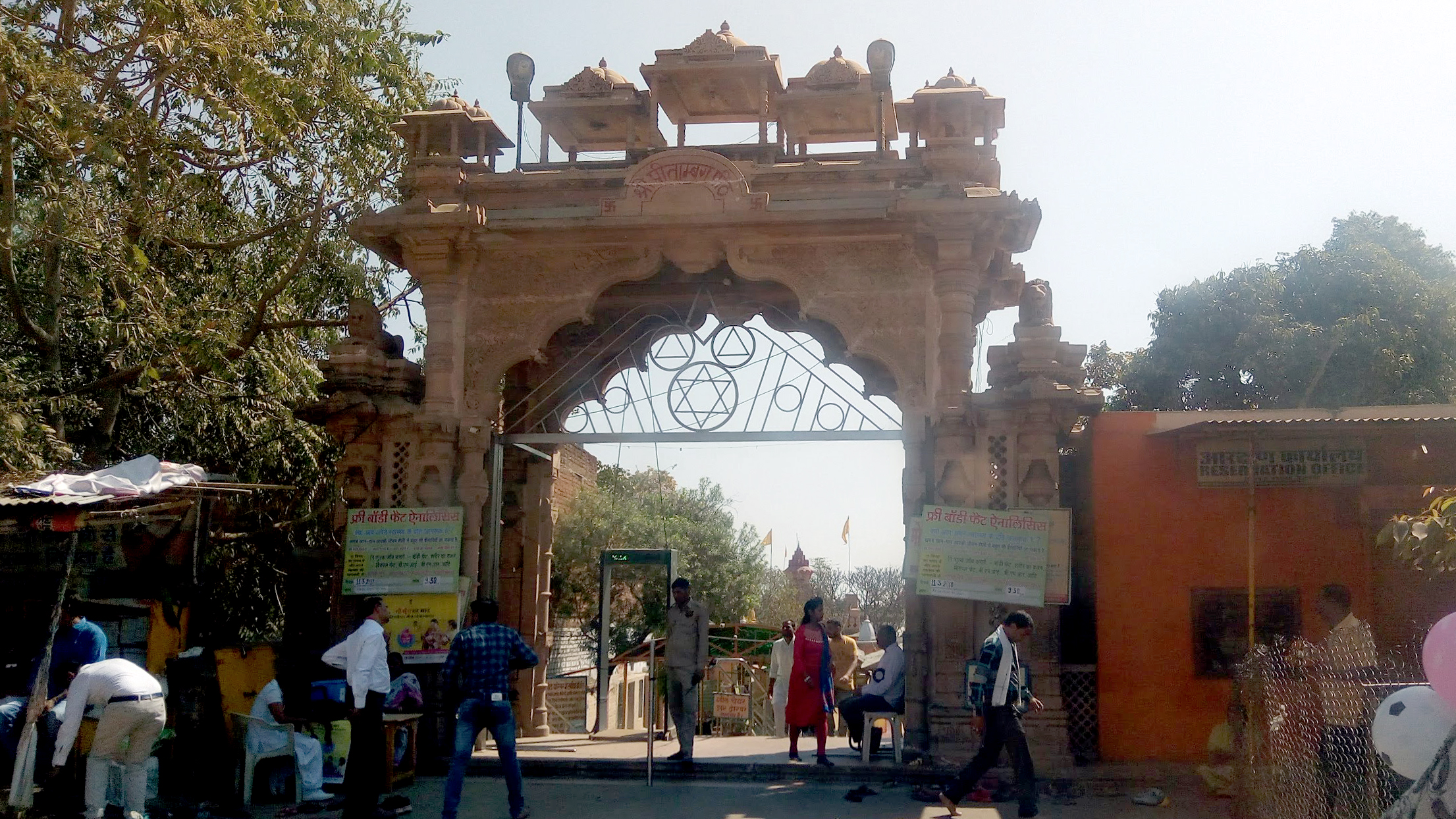
Near By Temples
-
 Sign in with Google
-
Block for 8 hours
-
Block for 12 hours
-
Block for 24 hours
-
Don't block


 Click it and Unblock the Notifications
Informed.
- Male
- Female
- Others
- Under 18
- 18 to 25
- 26 to 35
- 36 to 45
- 45 to 55
- 55+