


Chamundeshwari Temple, Chamundi Hill
Chamundi Hill, Karnataka
Mahabaladri

Chamundeshwari Temple History and Significance
The Chamundeshwari Temple is located atop the Chamundi Hills, approximately 13 kilometers from the royal city of Mysuru in Karnataka.The temple is dedicated to Chamundeshwari, a fierce incarnation of Shakti, and has been worshipped for centuries as the tutelary deity of the Maharajas of Mysuru.
She is widely known as Nada Devi (ನಾಡ ದೇವಿ), meaning "State Goddess," Chamundeshwari holds a special place in the hearts of the people of Karnataka. The temple stands at an elevation of around 3,300 feet above sea level. According to legend, it was on this hill that Goddess Durga, had fierce battle and killed the demon king Mahishasura, who once ruled the area. This land was earlier named Mahishooru (the land of Mahisha), which the British later changed to Mysore. It was eventually adapted to its present Kannada form, Mysuru.
Table of Contents
Chamundeshwari Temple Opening Time
| Day | Timings |
|---|---|
| Monday |
7:30 AM – 6:00 PM 7:30 PM – 9:00 PM |
| Tuesday |
7:30 AM – 6:00 PM 7:30 PM – 9:00 PM |
| Wednesday |
7:30 AM – 6:00 PM 7:30 PM – 9:00 PM |
| Thursday |
7:30 AM – 6:00 PM 7:30 PM – 9:00 PM |
| Friday |
7:30 AM – 6:00 PM 7:30 PM – 9:00 PM |
| Saturday |
7:30 AM – 6:00 PM 7:30 PM – 9:00 PM |
| Sunday |
7:30 AM – 6:00 PM 7:30 PM – 9:00 PM |
Chamundeshwari Temple Pooja Timing
| Pooja Name | Timings |
|---|---|
| Abhisheka | 6:00 AM - 7:30 AM |
| Alankara Pooja | 8:00 AM - 9:30 AM |
| Mahamangalarathi | 12:00 PM - 12:30 PM |
| Rathotsava (Special Days) | 7:00 PM - 8:00 PM |
Chamundeshwari Temple Location Details
How to Reach Chamundeshwari Temple
By Road:
By Train:
By Air:
Mysuru is well-connected by road to major towns in Karnataka. State Transport Buses and private taxis operate regularly. You can also drive directly to Chamundi Hill via well-maintained roads.
Nearest railway stations: Mysore Junction (approximately 12 km away). From this station, buses or taxis are available to Chamundi Hill.
Nearest airport: Mysore Airport (approximately 13 km away). From the airport, you can take a taxi or bus to Mysuru city and then proceed to Chamundi Hill.
Chamundeshwari Temple Nearby Temples


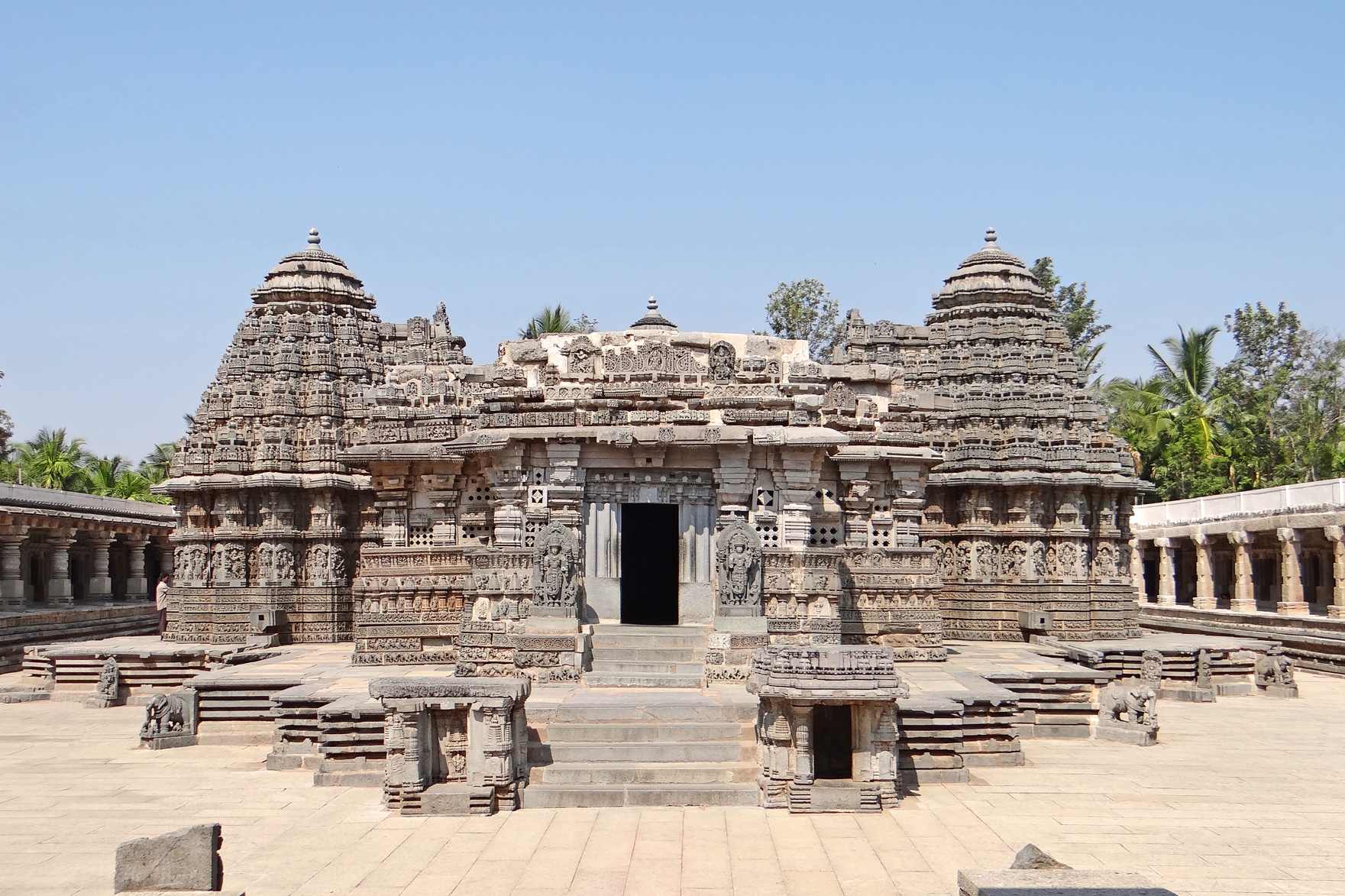
Chamundeshwari Temple Visitor Information & Tips
Best time to visit (season/months):
October to March is the best time to visit due to pleasant weather. Avoid the monsoon season (June to September) due to heavy rainfall that might make travel difficult.
Temple Facility
Chamundeshwari Temple Information Facilities and Accommodation
Chamundeshwari Temple Interesting Facts
-
Legends BeliefsThe Chamundeshwari Temple is revered as one of the 18 Maha Shakta Pithas—sacred sites dedicated to the worship of the Divine Mother in her fierce form. These Shakta Pithas are deeply rooted in the Shakta tradition of Hinduism, which highlights the supreme power of the Goddess or Shakti. This particular temple is identified as Krouncha Pitha, named after the ancient region known in Puranic times as Krouncha Puri. According to sacred texts and oral traditions, it is believed that a strand of Sati's hair fell at this site. Chamundi Hill is not only a site of historical and royal significance but also a spiritually powerful location imbued with deep mythological and devotional importance.
-
Deities and Sub DeitiesThe main deity of the temple is Chamundeshwari, a fierce manifestation of the goddess Durga known as Chamunda. The temple also includes multiple representations of Nandi, the sacred bull and vehicle of Lord Shiva. Among these, a prominent granite Nandi sculpture standing over 5 meters tall—is situated at the 700th step along the hill path.
-
OfferingsAt the Chamundeshwari Temple, devotees offer coconuts and fruits, which symbolize purity, along with flowers and garlands—especially hibiscus and marigold, which are considered dear to the goddess. Lemons and limes are also commonly offered, as they are traditionally associated with fierce forms of Shakti like Chamundeshwari. Devotees often present sarees,kumkum,turmeric and bangles as symbolic ritual to goddesses,to receive marital blessing and protection from the deity.Other offerings include incense and camphor, used during aarti Lighting oil and ghee lamps (deepam) is another common practice, symbolizing prayers for protection and blessings. Although animal sacrifice was historically associated with the worship of fierce goddesses, such practices are no longer observed at the Chamundeshwari Temple, in accordance with modern religious and ethical standards. During Navaratri, devotees who worship Godesses Durga also observe a nine day fast.
-
ArchitectureThe original structure of the Chamundeshwari Temple is believed to have been constructed in the 12th century by the Hoysala Dynasty, while the temple’s gopuram was likely added in the 17th century by the rulers of the Vijayanagara Empire. In 1659, a grand staircase consisting of one thousand steps was built, leading to the hill's summit at an elevation of approximately 3,000 feet. The idol of Goddess Chamundeshwari, is with Ashtabhuja—eight arms, each bearing symbolic weapons. Throughout the temple premises, several statues of Nandi and Lord Shiva, can be found. A particularly large granite Nandi is located at the 700th step, near a small Shiva temple. This massive sculpture was arranged by Maharaja Dodda Devaraja Wodeyar of Mysore in 1664. The Chamundi Hills are also home to the Sri Mahabaleswara Temple and the Sri Narayanaswamy Temple, both significant places of worship.
-
FestivalsThe temple is renowned for its vibrant festival celebrations, including Ashada Shukravara, Navaratri, and Ammanavara Vardhanthi. During Ashadha, Fridays are considered auspicious, attracting thousands of devotees. The Chamundeshwari Temple is renowned for its vibrant celebrations of festivals such as Ashada Shukravara (ಆಶಾಡಾ ಶುಕ್ರವಾರ), Navaratri, and Ammanavara Vardhanthi (ಅಮ್ಮನವರ ವರ್ಧಂತಿ). Fridays during the month of Ashadha are considered especially auspicious, drawing thousands of devotees to the temple. Another significant event during this month is Chamundi Jayanti, which marks the anniversary of the goddess's Utsava Moorti by the Maharaja of Mysore. On this day, the goddess's idol is taken around the temple in a golden palanquin. The most prominent festival celebrated at the temple is Navaratri. Mysuru Dasara, celebrated as the state festival of Karnataka, is known as Nada Habba (ನಾಡಾ ಹಬ್ಬಾ) in Kannada. During Navaratri, the goddess's idol is beautifully decorated in nine different forms, representing the nine aspects of the goddess, collectively known as the Navadurgas. On the seventh day of Navaratri, dedicated to Goddess Kalaratri, precious jewels donated by the Maharajas are brought from the Mysuru District Treasury and used to decorate the idol. At the foothill, in a place called Utthanahalli, lies another temple—Jwalamalini Sri Tripura Sundari Temple. This goddess is considered the sister of Chamundeshwari, who helped her in the battlefield to defeat the demon Raktabīja.
-
Religious PracticesReligious practices at the Chamundeshwari Temple are deeply rooted in Hindu traditions. Devotees participate in regular morning and evening aarti,mantra chant rituals, by offering incense, flowers along with oil lamps.. They also perform pradakshina, walking around the temple as a sign of deep devotion. Prayers are offered with coconuts, fruits,kumkum and turmeric, while chanting mantras are some of the common practice. Special rituals take place during festivals like Navaratri, when the goddess’s idol is decorated with jewels, and the Utsava procession carries her idol around the temple. Devotees also engage in charitable donations and sponsor rituals. The act of climbing the 1,000 steps to the temple is considered a spiritual pilgrimage trip, symbolizing the devotee’s journey towards divine enlightenment.
FAQ's
Where is the Chamundeshwari Temple located?
Which God is Chamundeshwari?
What is the best time to visit Chamundeshwari Temple?
How to reach Chamundeshwari Temple from near City or Town?
In Karnataka
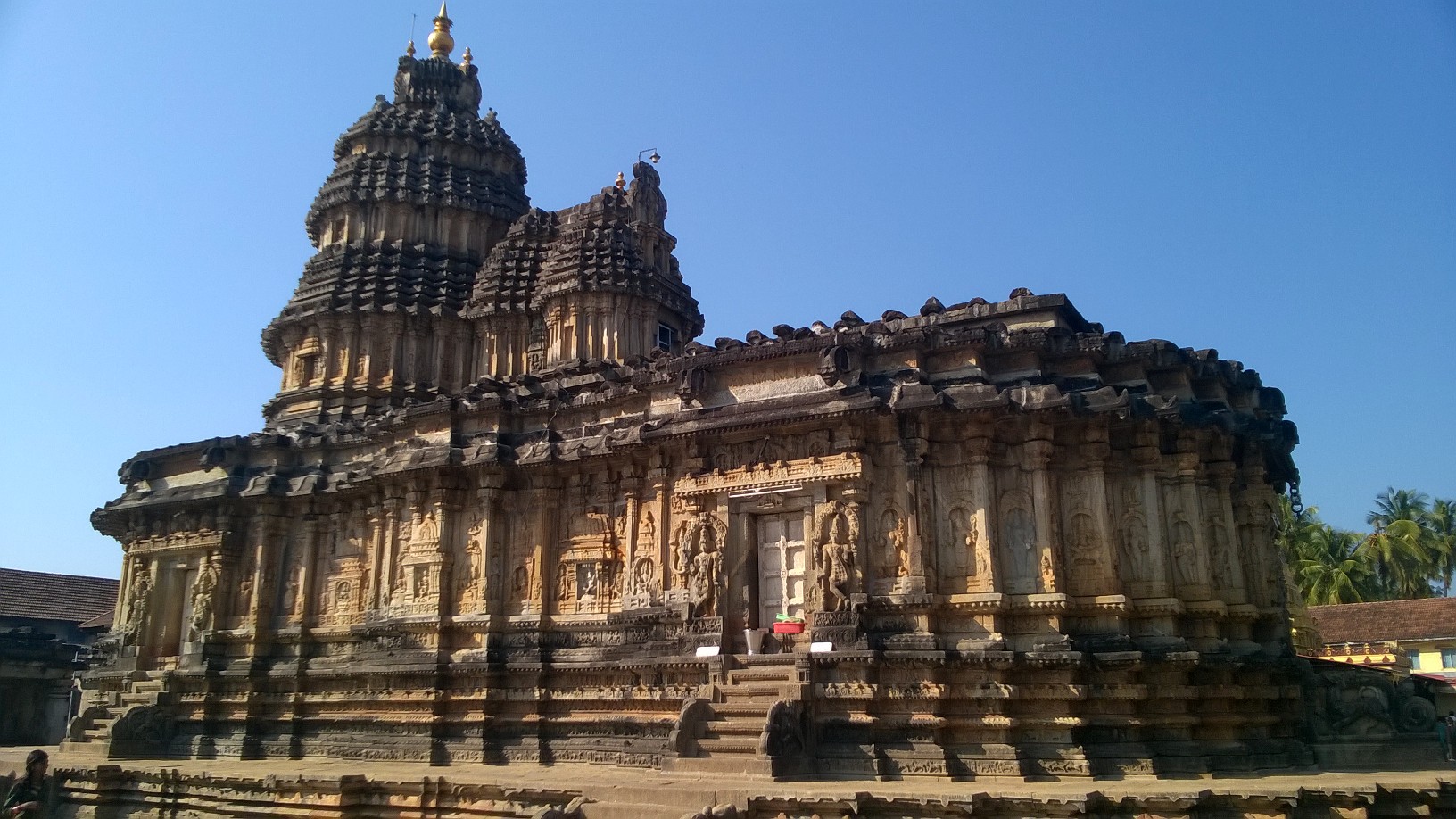
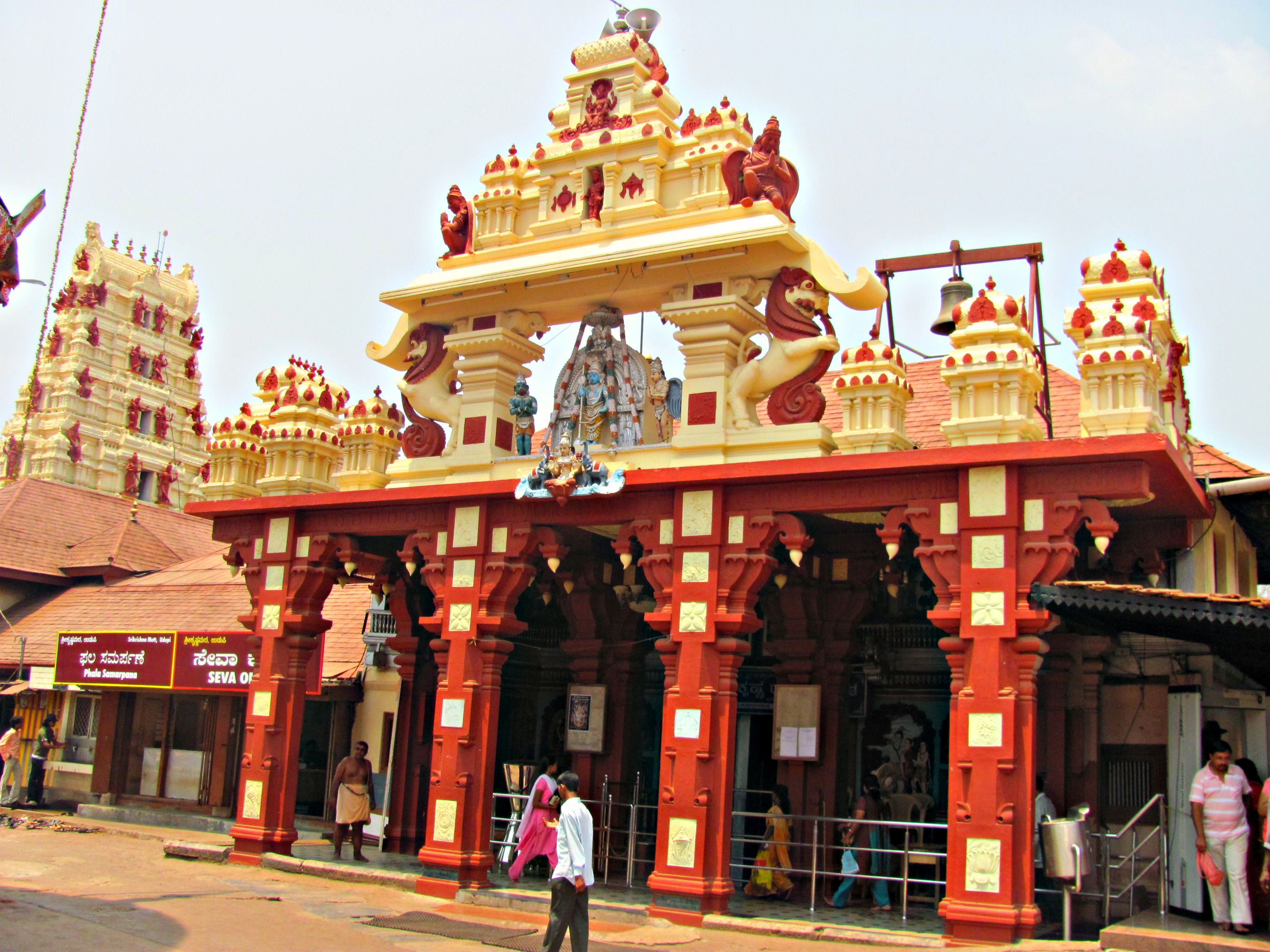
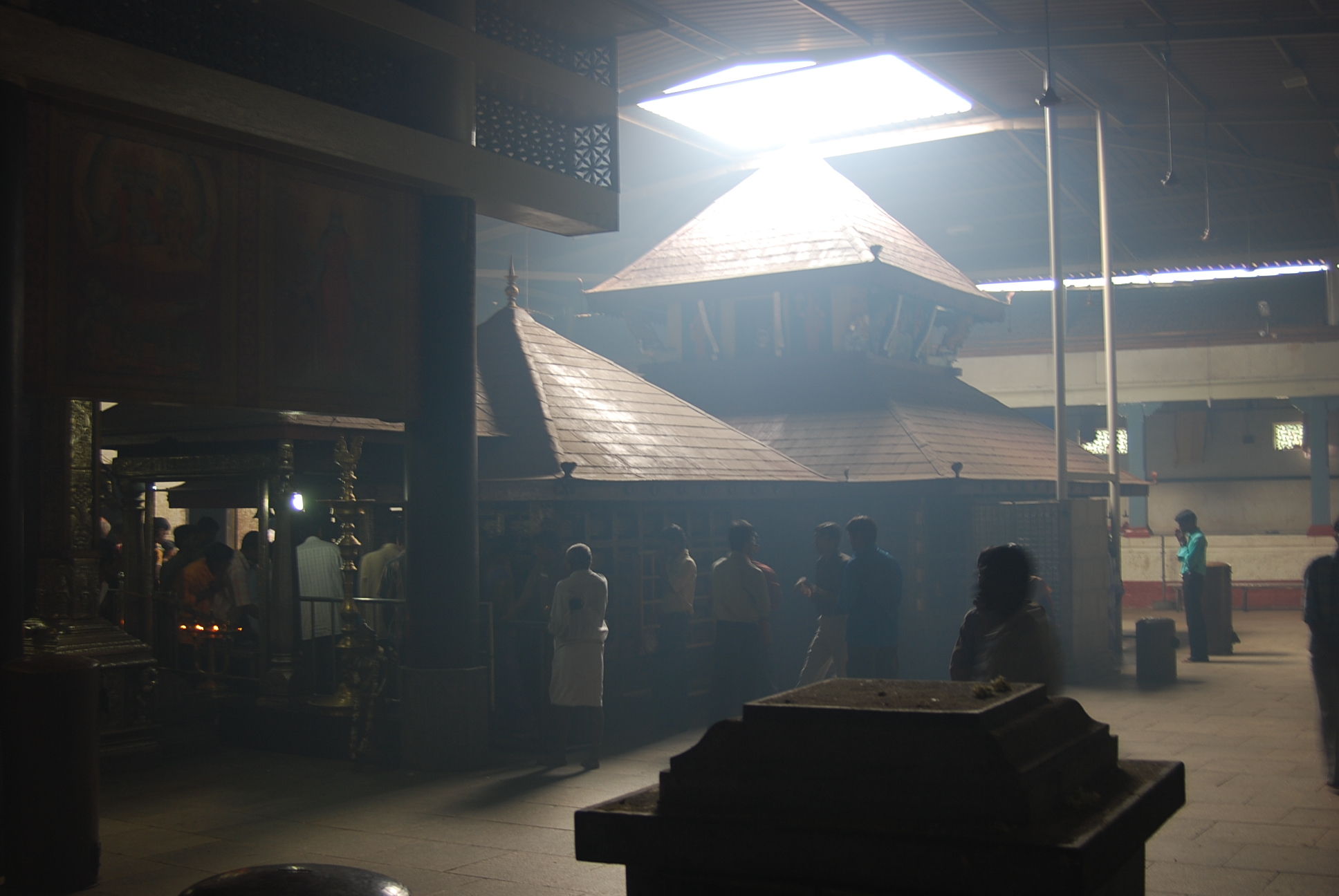


Near By Temples
-
 Sign in with Google
-
Block for 8 hours
-
Block for 12 hours
-
Block for 24 hours
-
Don't block


 Click it and Unblock the Notifications
Informed.
- Male
- Female
- Others
- Under 18
- 18 to 25
- 26 to 35
- 36 to 45
- 45 to 55
- 55+