


Badami, Badami, Karnataka, India
Badami, Karnataka, India, Karnataka

Badami History and Significance
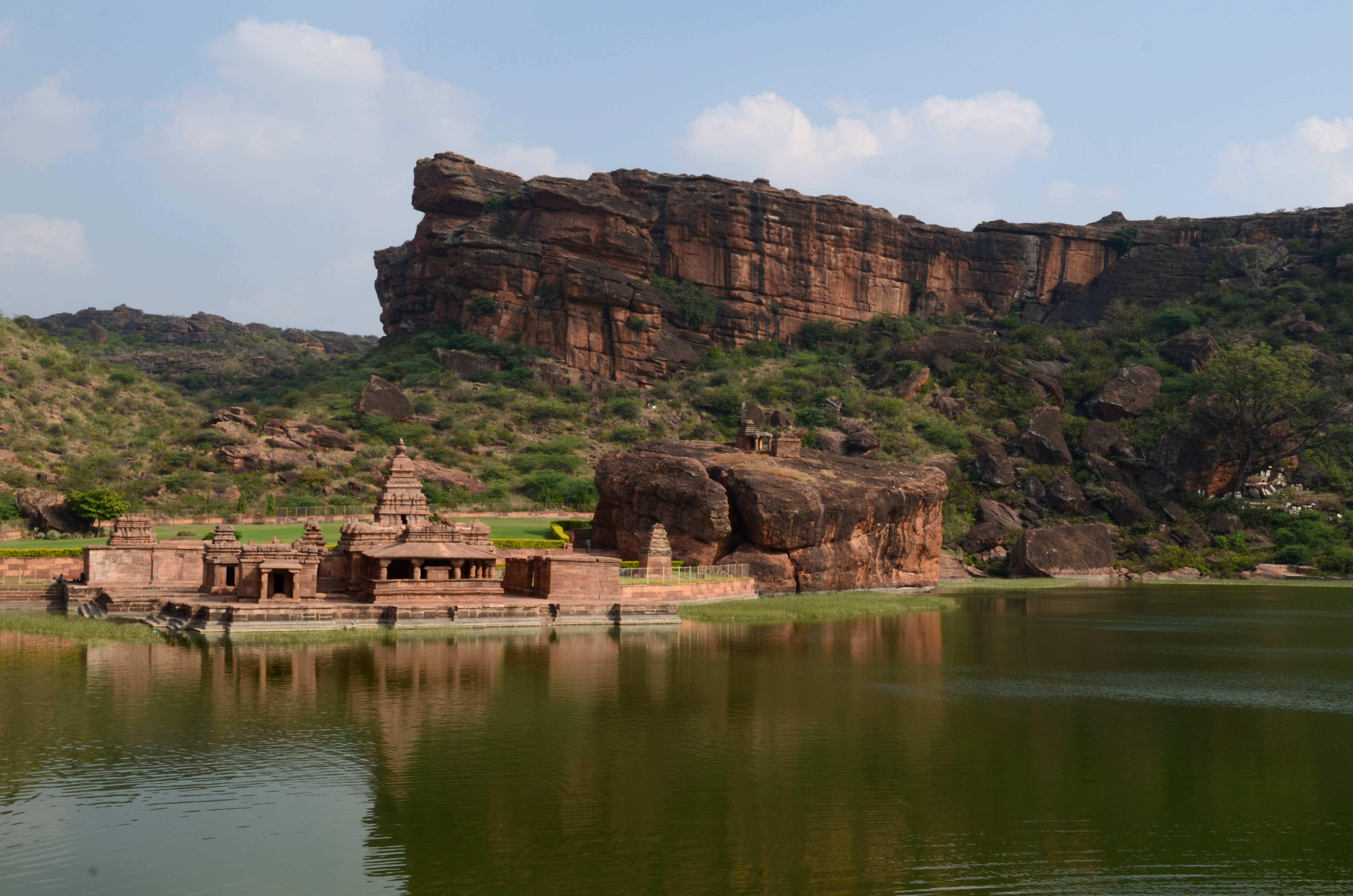
Badami, once known as Vatapi, was the capital of the Badami Chalukyas from 540 to 757 CE. The town is renowned for its rock-cut monuments and structural temples. It is located in a ravine surrounded by red sandstone cliffs, near Agastya lake. The region has been inhabited since prehistoric times, as evidenced by megalithic dolmens.
In the Mahabharata, the demon Vatapi was killed by the sage Agastya, a legend believed to have occurred near Badami. Pulakeshin I founded the Badami Chalukya dynasty in 540 CE, fortifying the hill above Vatapi in 544 CE. His sons, Kirtivarman I and Mangalesha, constructed the cave temples. The Agastya lake, a man-made water source, was completed in the 7th century.
Kirtivarman I's brother, Mangalesha, ruled the kingdom until Pulakeshin II came to power in 610 CE. Under the Badami Chalukyas, Badami became a centre of art and architecture, with both Dravida and Nagara styles present. The region was later contested by the Vijayanagara Empire and the Deccan Sultanates, leading to the construction of fort walls and the eventual Islamic influence.
Badami Pooja Timing
| Pooja Name | Timings |
|---|---|
| Morning Aarti | 6:00 AM - 7:00 AM |
| Midday Pooja | 12:00 PM - 1:00 PM |
| Evening Aarti | 6:30 PM - 7:30 PM |
| Special Pooja (on request) | Customizable based on prior booking |
Badami Location Details
How to Reach Badami
By Road:
By Train:
By Air:
Badami is well-connected by road to major towns in Karnataka. State Transport Buses and private taxis operate regularly from cities like Hubli, Bijapur, and Bangalore.
Nearest railway stations: Badami Railway Station (approx. 5 km from the temple). From this station, buses or taxis are available to reach the temple.
Nearest airport: Hubli Airport (approximately 105 km away). From the airport, you can take a taxi or bus to Badami via connecting cities.
Badami Visitor Information & Tips
Best time to visit (season/months):
October to March is the best time to visit due to pleasant weather conditions. Avoid the monsoon season (June to September) due to heavy rainfall that may hinder travel.
Badami Interesting Facts
-
Legends BeliefsLegends and BeliefsThe town of Badami is linked to the Agastya legend from the Mahabharata. The demon Vatapi, who could transform into a goat, was killed by the sage Agastya. This legend is believed to have taken place near Badami, giving the town its historical significance.
-
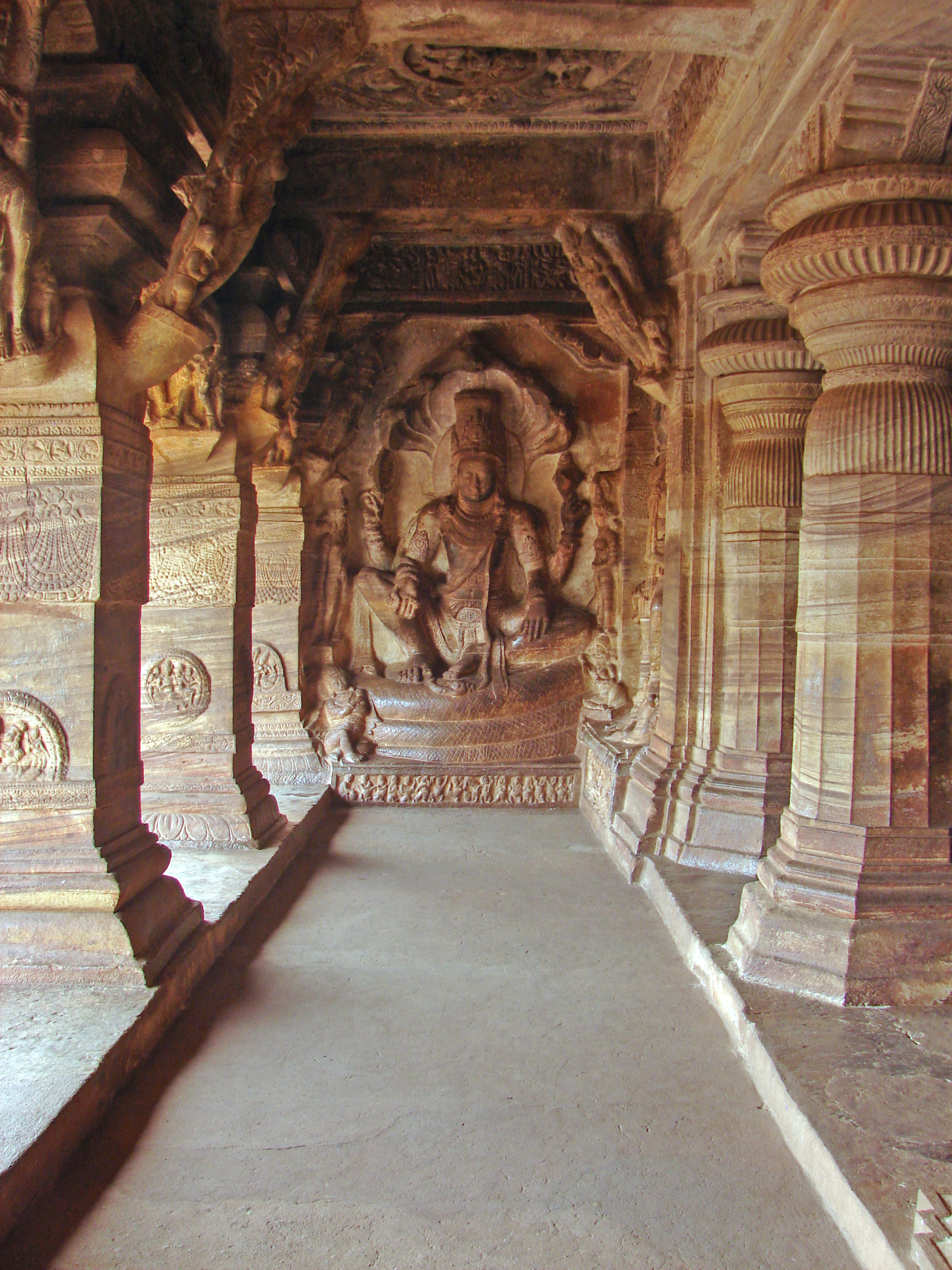
Deities and Sub DeitiesDeities and Sub-DeitiesThe temples in Badami are dedicated to various Hindu deities, including Vishnu and Shiva. The cave temples feature intricate carvings and sculptures of these deities, showcasing the artistic skills of the Chalukya period.
-
OfferingsOfferingsOfferings at the Badami temples typically include flowers, fruits, and incense. Devotees visit the temples to seek blessings and offer prayers to the deities, following traditional Hindu rituals.
-
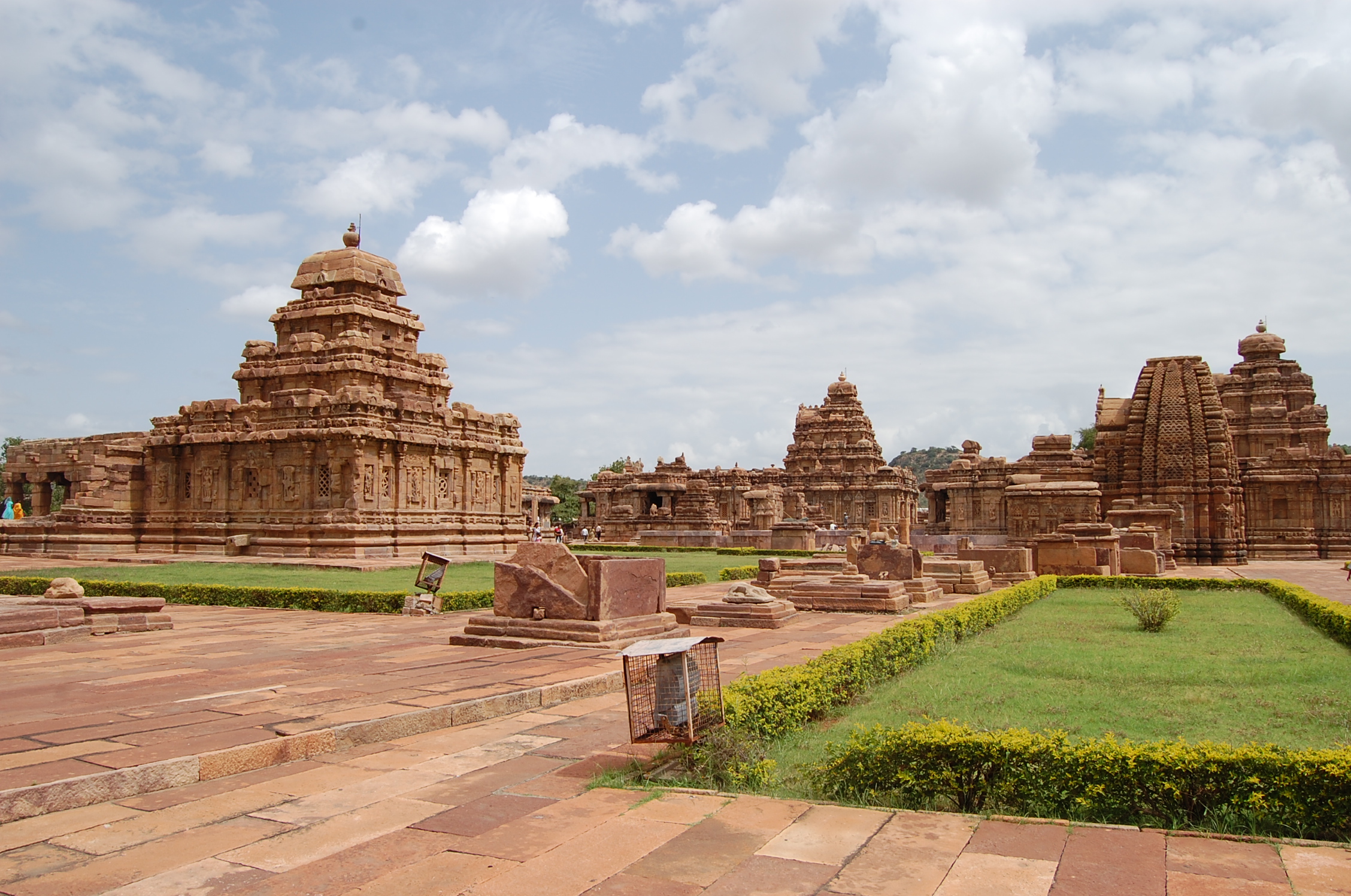
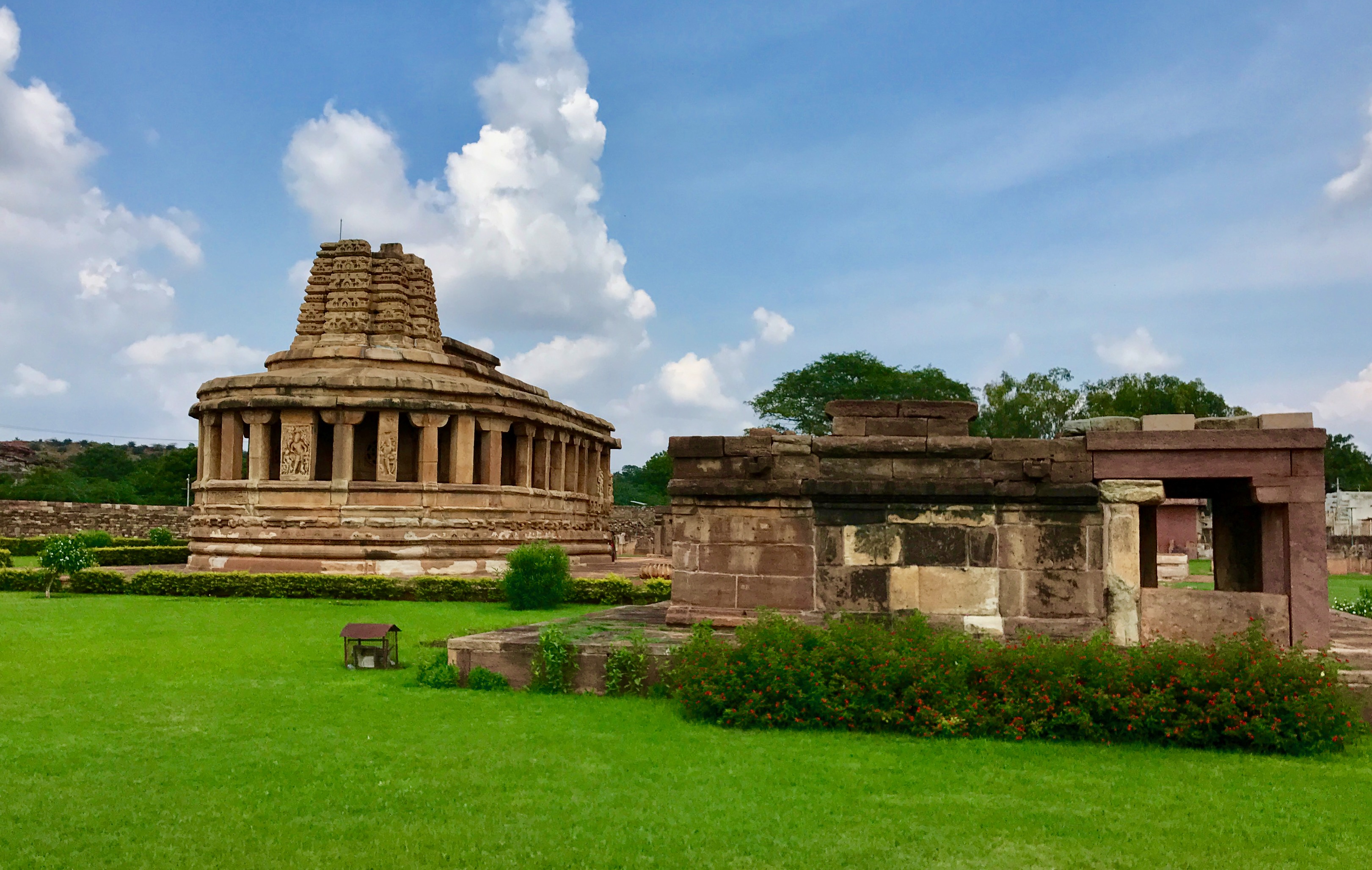
ArchitectureArchitectureBadami is famous for its rock-cut cave temples and structural temples, such as the Bhutanatha group of temples. The architecture showcases both Dravida and Nagara styles, with intricate carvings and sculptures. The temples are key to understanding the development of temple architecture and arts in the region.
-
FestivalsFestivalsVarious Hindu festivals are celebrated at the Badami temples, attracting devotees from across the region. These festivals include traditional rituals, music, and dance performances, highlighting the cultural heritage of the area.
-
Religious PracticesReligious PracticesReligious practices at Badami involve daily rituals and prayers conducted by priests. Devotees participate in these rituals, offering prayers and seeking blessings from the deities. The temples serve as important centres for spiritual and cultural activities.
FAQ's
Where is the Badami located?
Which God is Not specified?
What is the best time to visit Badami?
How to reach Badami from near City or Town?
In Karnataka


Near By Temples
-
 Sign in with Google
-
Block for 8 hours
-
Block for 12 hours
-
Block for 24 hours
-
Don't block


 Click it and Unblock the Notifications
Informed.
- Male
- Female
- Others
- Under 18
- 18 to 25
- 26 to 35
- 36 to 45
- 45 to 55
- 55+