


Amarnath Cave Temple, Pahalgam
Pahalgam, Jammu and Kashmir

Amarnath Cave Temple History and Significance
The Amarnath Cave Temple has a rich history dating back to ancient times. The Rajatarangini, a historical chronicle, mentions the temple, indicating its significance in the 11th century CE. Queen Suryamati is believed to have made offerings to the temple, highlighting its importance in medieval times. The cave and its sacred lingam are also mentioned in the Ain-i-Akbari, a 16th-century document, which describes the site as a major pilgrimage destination.
In modern history, the temple has seen a significant increase in pilgrims, with numbers rising from thousands in the late 20th century to hundreds of thousands in recent years. The pilgrimage has faced challenges, including suspensions due to political unrest and natural disasters, but it remains a vital spiritual journey for many Hindus.
Amarnath Cave Temple Pooja Timing
| Pooja Name | Timings |
|---|---|
| Morning Aarti | 5:00 AM - 6:00 AM |
| Midday Pooja | 12:00 PM - 1:00 PM |
| Evening Aarti | 6:00 PM - 7:00 PM |
| Special Rituals (on request) | Customizable based on devotee's preference |
Amarnath Cave Temple Location Details
How to Reach Amarnath Cave Temple
By Road:
By Train:
By Air:
Pahalgam is well-connected by road to major towns in Jammu and Kashmir. State Transport Buses and private taxis operate regularly.
Nearest railway stations: Jammu Tawi Railway Station and Udhampur Railway Station. From these stations, buses or taxis are available to Pahalgam.
Nearest airport: Srinagar International Airport. From the airport, you can take a taxi or bus to Pahalgam via connecting cities.
Amarnath Cave Temple Visitor Information & Tips
Best time to visit (season/months):
The best time to visit is during the annual Amarnath Yatra, which usually takes place between June and August. Avoid the monsoon season due to landslides and heavy rainfall. Winters: The temple may be closed during heavy snowfall.
Other Shiva Temples
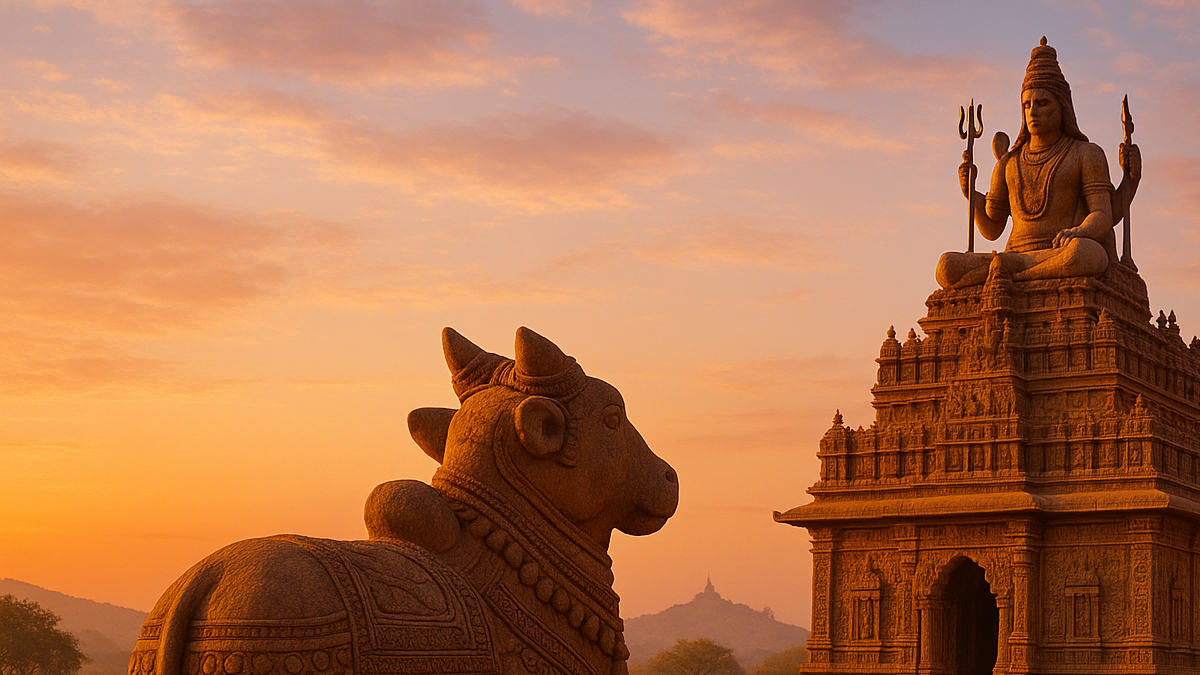

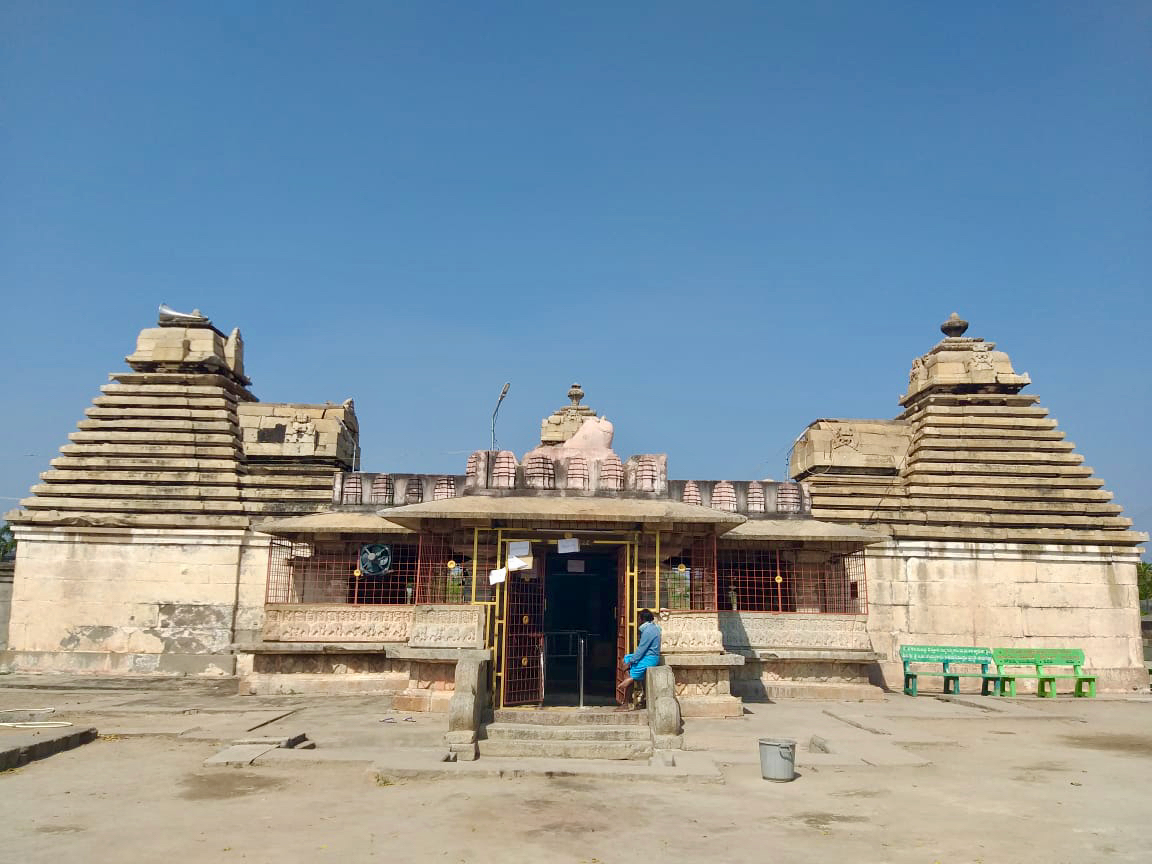
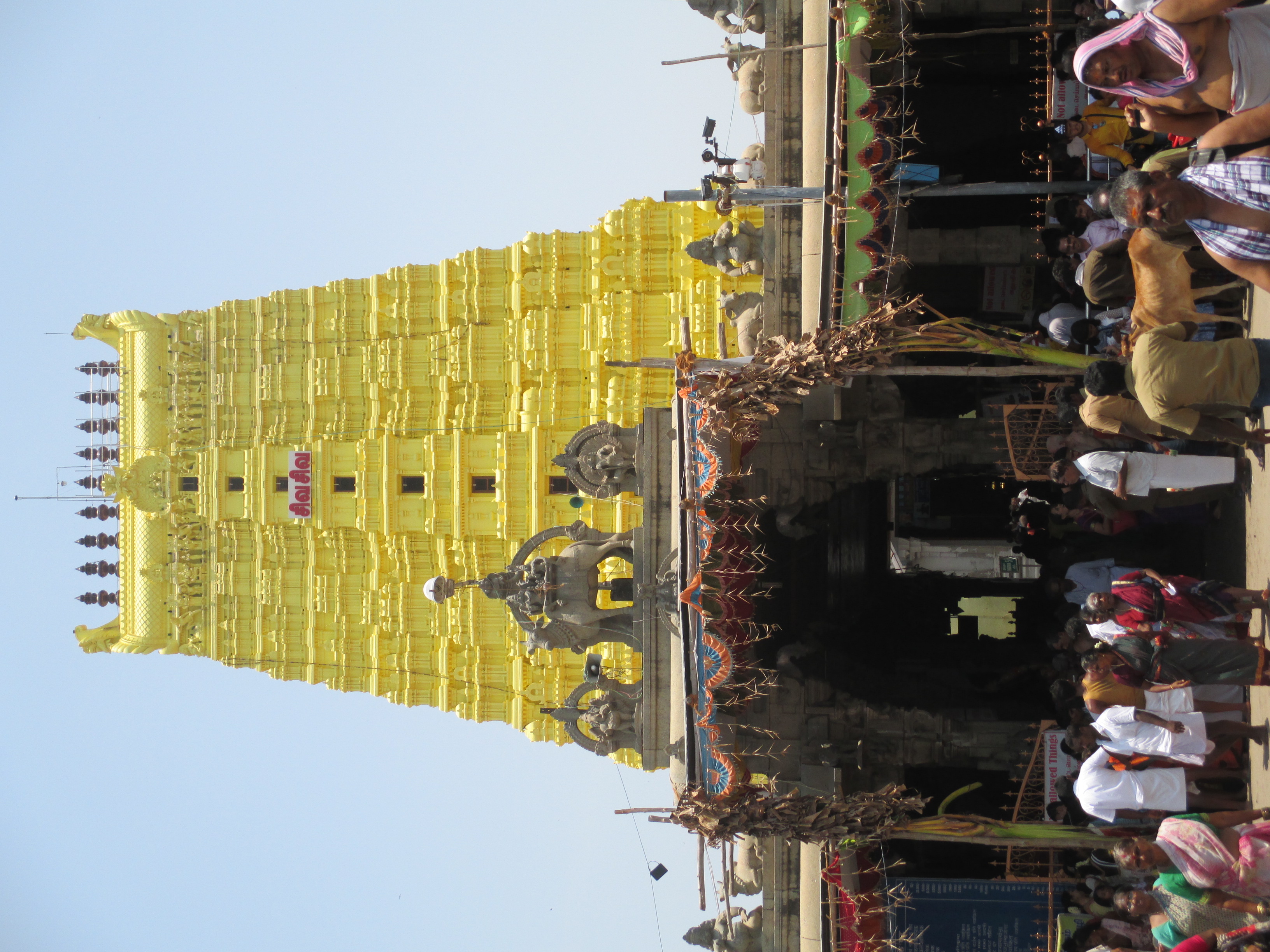
Amarnath Cave Temple Interesting Facts
-
Legends BeliefsLegends and BeliefsAccording to legend, Sage Bhrigu was the first to discover the Amarnath Cave. It is said that the valley was once underwater, and after it was drained, Bhrigu had the first darshan of Shiva here. This discovery led to the cave becoming a revered site for Shiva devotees. Another belief is that Shiva left behind various elements of his being at different locations on the way to the cave, symbolising his renunciation of the world before entering the cave with Parvati.
-
Deities and Sub DeitiesDeities and Sub-DeitiesThe main deity of the Amarnath Cave Temple is Lord Shiva, represented by a naturally formed ice lingam. This lingam is considered a swayambhu, or self-manifested, and is a central focus of worship. Alongside the main lingam, two smaller ice formations are believed to represent Parvati and Ganesha, adding to the temple's spiritual significance.
-
OfferingsOfferingsPilgrims visiting the Amarnath Cave Temple often bring offerings such as flowers, fruits, and incense to present to the deity. These offerings are a way for devotees to express their devotion and seek blessings from Lord Shiva. The act of offering is an integral part of the pilgrimage experience, symbolising the surrender of worldly attachments.
-
ArchitectureArchitectureThe Amarnath Cave Temple is a natural cave located at a high altitude in the Himalayas. The cave itself is made of limestone and gypsum, with the ice lingam forming naturally due to the freezing of water droplets. The surrounding landscape is characterised by glaciers and snowy mountains, creating a serene and awe-inspiring setting for the temple.
-
FestivalsFestivalsThe most significant festival associated with the Amarnath Cave Temple is Maha Shivaratri, which celebrates the divine marriage of Shiva and Parvati. During this time, the temple sees a surge in pilgrims who come to participate in special prayers and rituals. The festival is marked by devotion and reverence, with devotees seeking the blessings of Lord Shiva.
-
Religious PracticesReligious PracticesThe Amarnath Yatra is a major religious practice associated with the temple, attracting thousands of pilgrims each year. The yatra involves a challenging trek to the cave, where devotees perform rituals and offer prayers to the ice lingam. The pilgrimage is seen as a journey of faith and devotion, with many believing it brings spiritual merit and blessings.
FAQ's
Where is the Amarnath Cave Temple located?
Which God is Shiva?
What is the best time to visit Amarnath Cave Temple?
How to reach Amarnath Cave Temple from near City or Town?
In Jammu and Kashmir
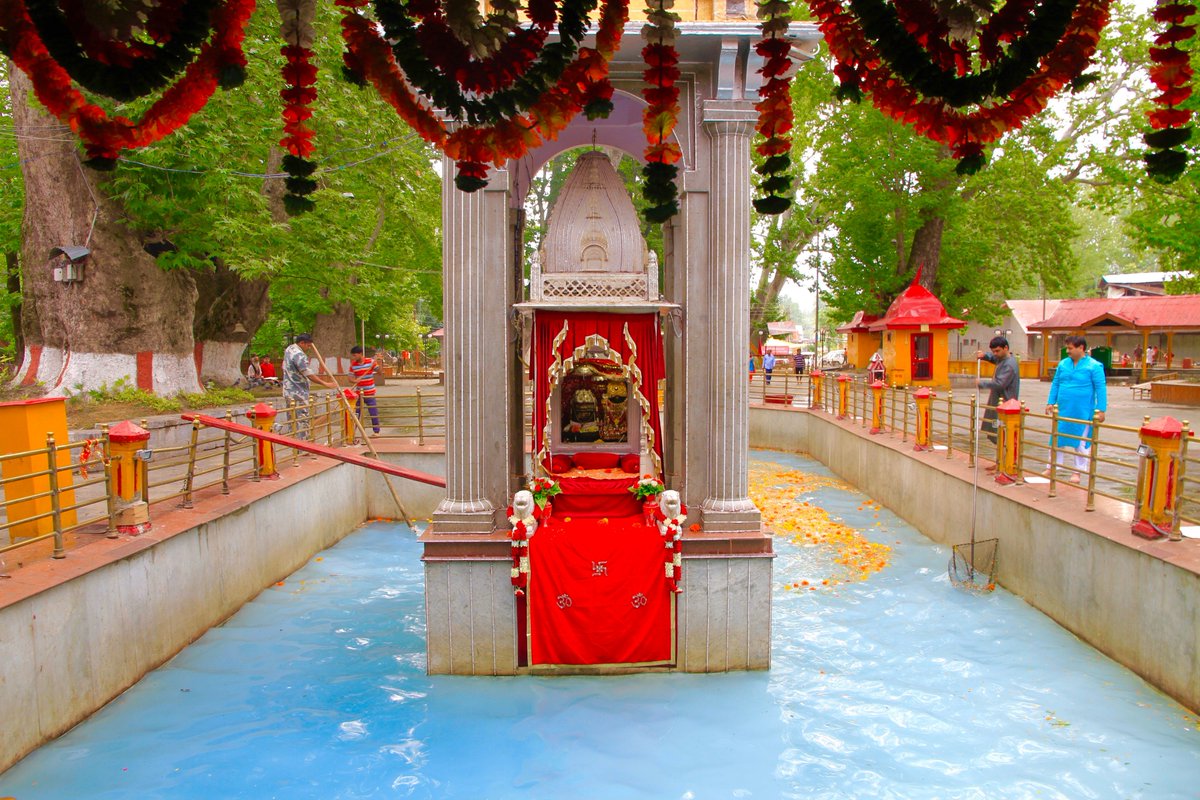
-
 Sign in with Google
-
Block for 8 hours
-
Block for 12 hours
-
Block for 24 hours
-
Don't block


 Click it and Unblock the Notifications
Informed.
- Male
- Female
- Others
- Under 18
- 18 to 25
- 26 to 35
- 36 to 45
- 45 to 55
- 55+