


Ahobilam, Ahobilam, Nandyal district, Andhra Pradesh, India
Ahobilam, Nandyal district, Andhra Pradesh, India, Andhra Pradesh

Ahobilam History and Significance
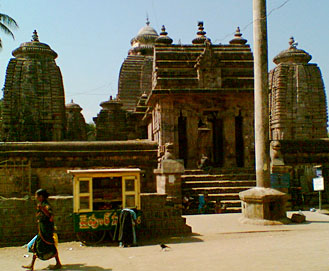
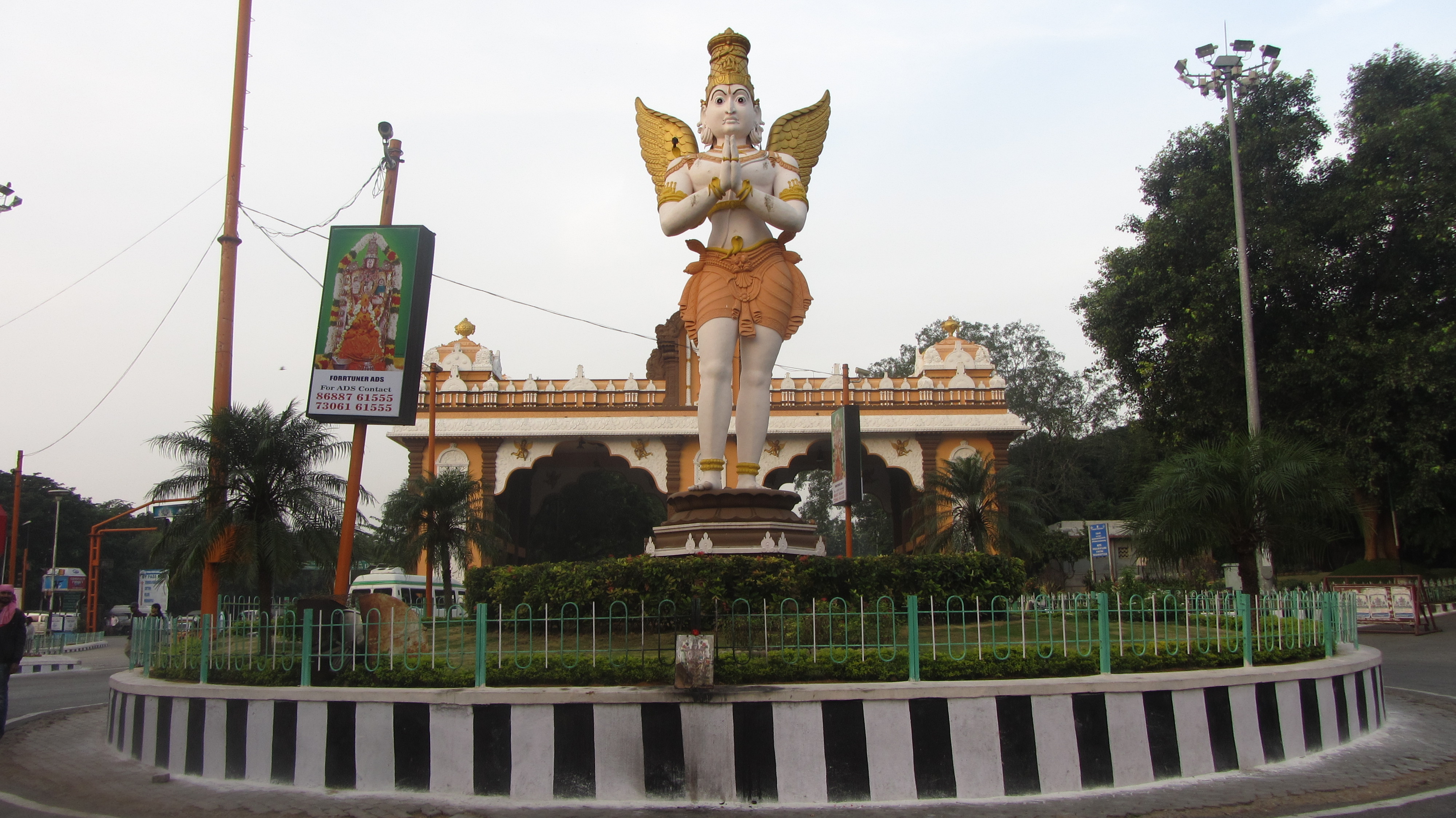
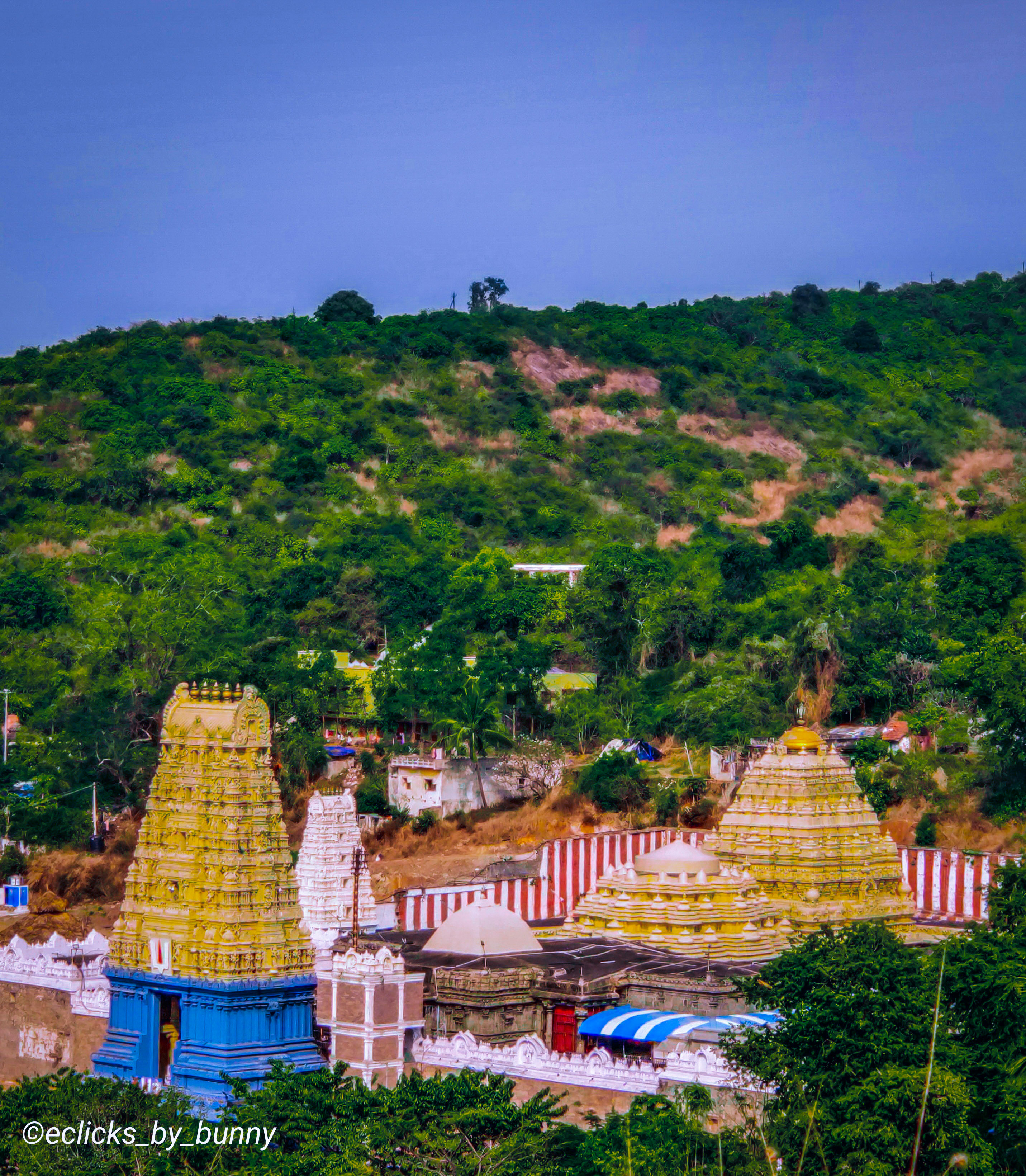
Ahobilam, located in the Nallamala Forest along the Eastern Ghats, is home to ten shrines dedicated to Narasimha, the man-lion incarnation of Vishnu. The site is divided into Upper Ahobilam, a forested area in a ravine, and Lower Ahobilam, where the Prahladavarada temple is situated. The distance between the two is about 8 kilometers.The nine Narasimha shrines, each representing a unique aspect of the deity, are Bhargava Narasiṃha, Jvala Narasiṃha, Yogananda Narasiṃha, Chatravata Narasiṃha, Karañja Narasiṃha, Pavana Narasiṃha, Malola Narasiṃha, Varaha Narasiṃha, and Ahobila Narasiṃha. The temple's prominence grew during the Vijayanagara period, leaving a significant historical legacy.
The history of Ahobilam is rich and varied. It is first mentioned in the 9th-century Tamil work 'Periyatirumoḻi' by Thirumangai Alvar. This led to its recognition as one of the 108 Divya Desams. The site gained prominence between the 12th and 16th centuries, with inscriptions indicating patronage from the Kakatiya and Reddi dynasties. The Vijayanagara Empire, particularly the Saluva and Tuluva dynasties, played a significant role in its development. Krishnadevaraya, a notable ruler, visited and supported the shrines. However, the site faced challenges, including a raid in 1579 by Murahari Rao of the Golconda Sultanate.
Table of Contents
Ahobilam Pooja Timing
| Pooja Name | Timings |
|---|---|
| Suprabhata Seva | 6:00 AM |
| Archana | 8:00 AM |
| Madhyahna Aradhana | 12:00 PM |
| Ekantha Seva | 8:00 PM |
Ahobilam Location Details
How to Reach Ahobilam
By Road:
By Train:
By Air:
Ahobilam is well-connected by road to major towns in Andhra Pradesh. State Transport Buses and private taxis operate regularly from nearby towns like Nandyal and Kurnool.
Nearest railway stations: Nandyal Railway Station (approximately 66 km away) and Cuddapah Railway Station (approximately 118 km away). From these stations, buses or taxis are available to Ahobilam.
Nearest airport: Tirupati Airport (approximately 200 km away). From the airport, you can take a taxi or bus to Nandyal via connecting cities.
Ahobilam Visitor Information & Tips
Best time to visit (season/months):
The best time to visit Ahobilam is between October and March when the weather is pleasant for trekking and exploring the temple complex. Avoid the monsoon season (June to September) due to landslides and heavy rainfall.
Ahobilam Interesting Facts
-
Legends BeliefsLegends and Beliefs Ahobilam is steeped in legends and beliefs. It is believed to be the place where Lord Narasimha appeared to protect his devotee Prahlada. The site is considered sacred, with devotees believing that visiting the nine shrines of Narasimha can grant them blessings and protection. The presence of the Ugra Stambham, a rock formation, is believed to be the pillar from which Narasimha emerged.
-
Deities and Sub DeitiesDeities and Sub-Deities The main deity of Ahobilam is Narasimha, the lion-headed avatar of Vishnu. The site features nine shrines, each dedicated to a different aspect of Narasimha: Ahobilanarasiṃha, Bhargavanarasiṃha, Jvalanarasiṃha, Yoganandanarasiṃha, Chatravatanarasiṃha, Karanjanarasiṃha, Pavananarasiṃha, Malolanarasiṃha, and Varahanarasiṃha. These shrines represent both the fierce and gentle aspects of the deity.
-
OfferingsOfferings Devotees visiting Ahobilam offer various items to the deities. Common offerings include flowers, fruits, and coconuts. Special rituals and prayers are conducted, and devotees often participate in these ceremonies to seek blessings. The temple also accepts monetary donations, which are used for the maintenance and development of the site.
-
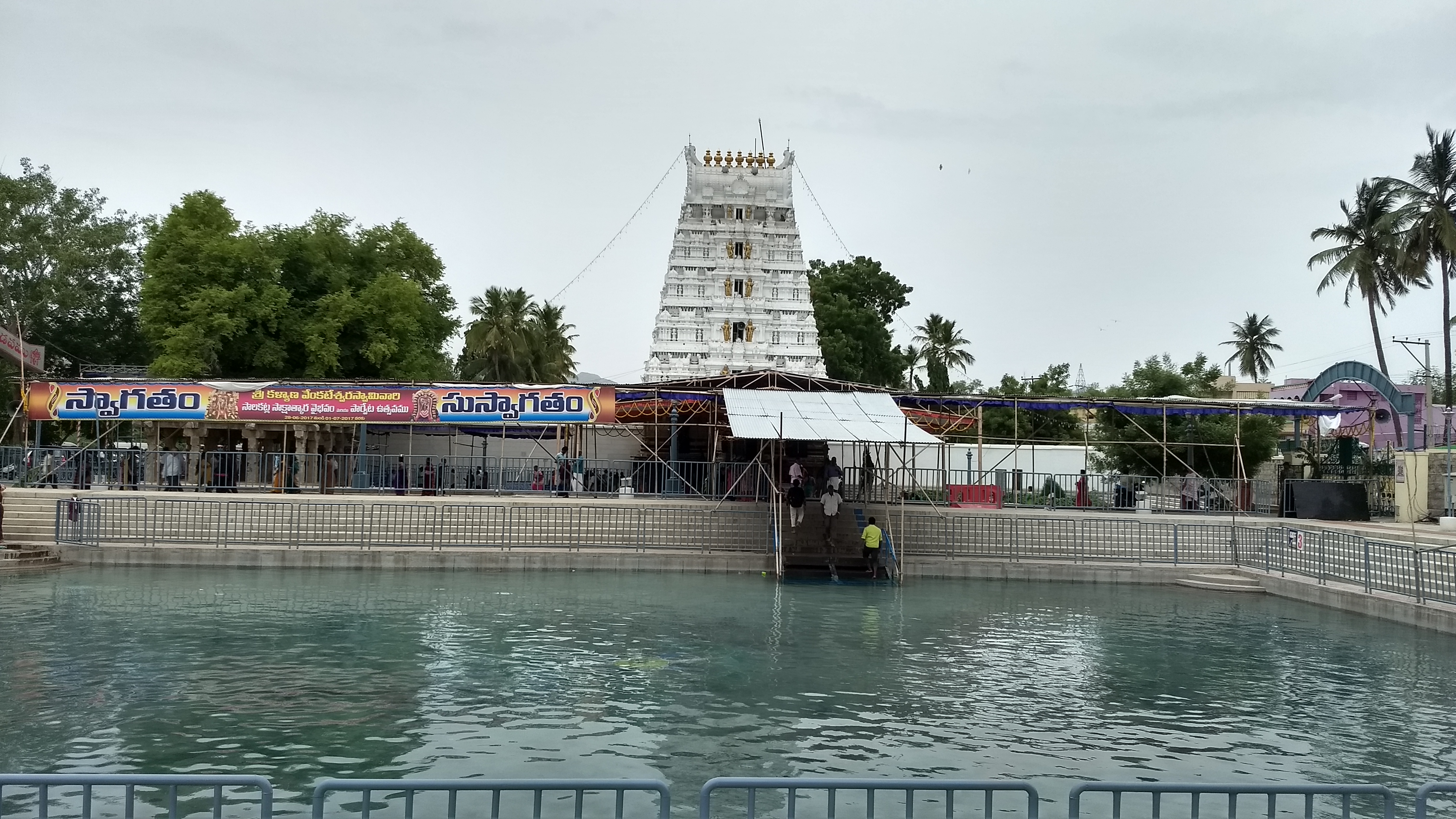
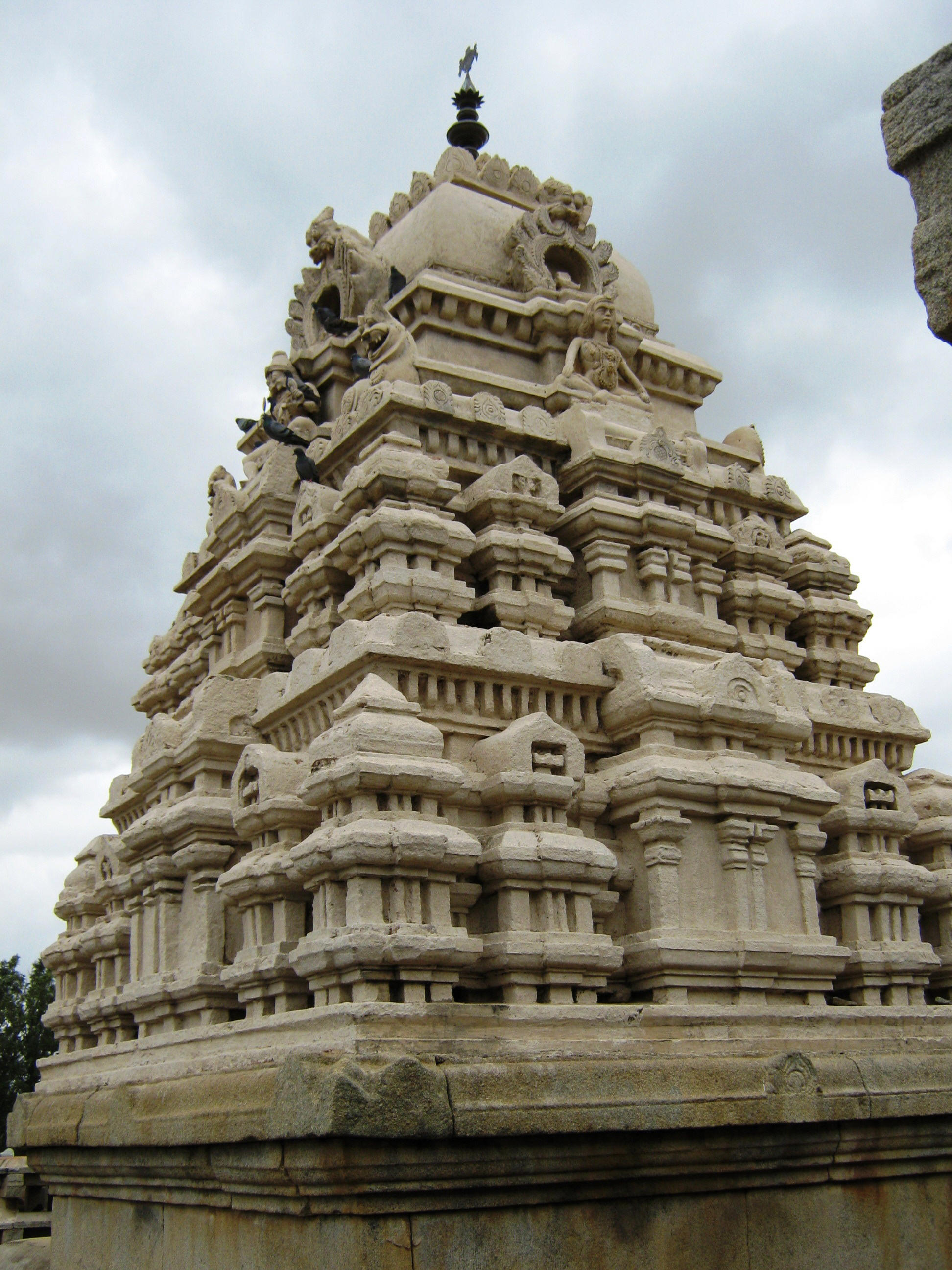
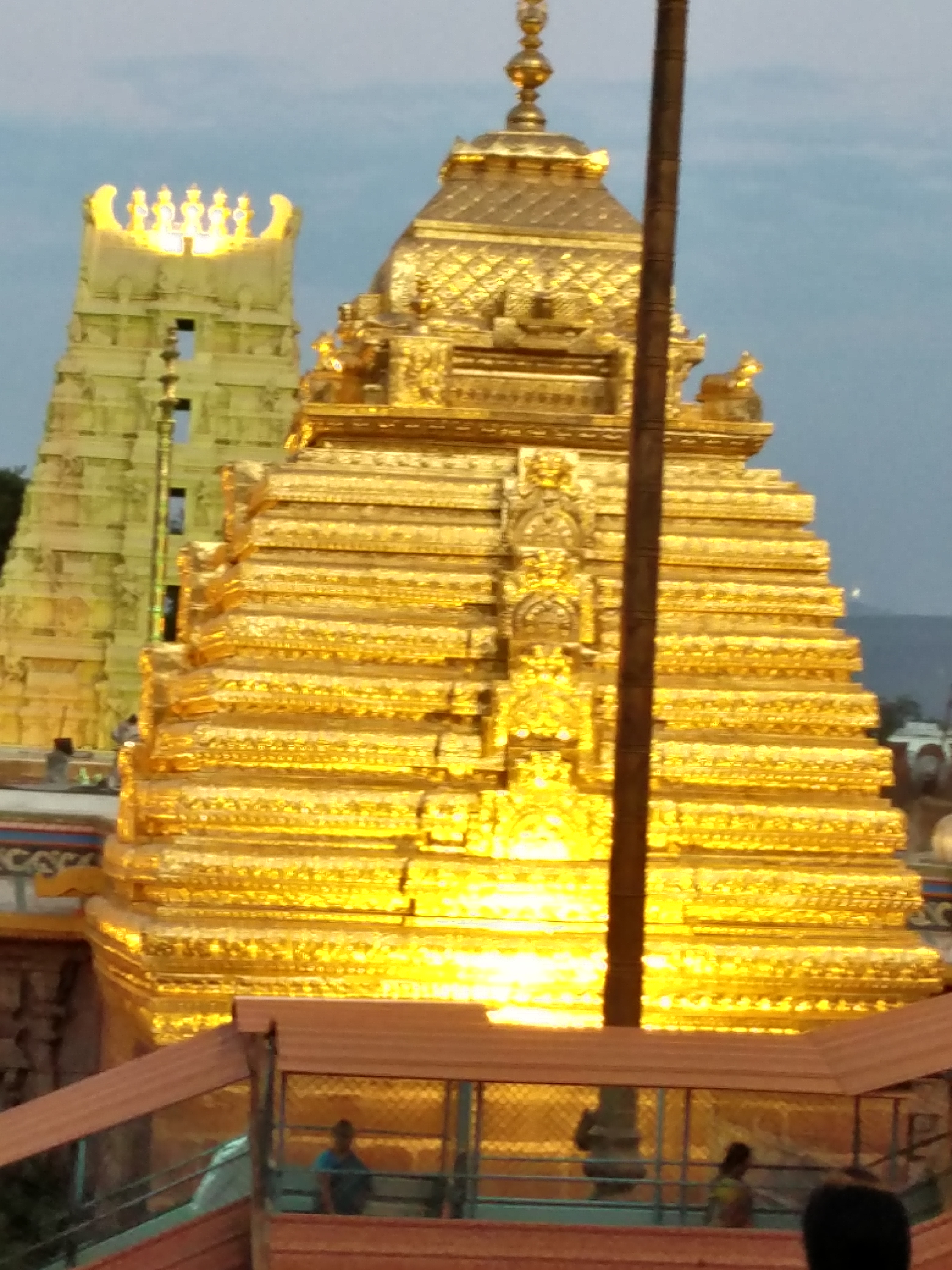
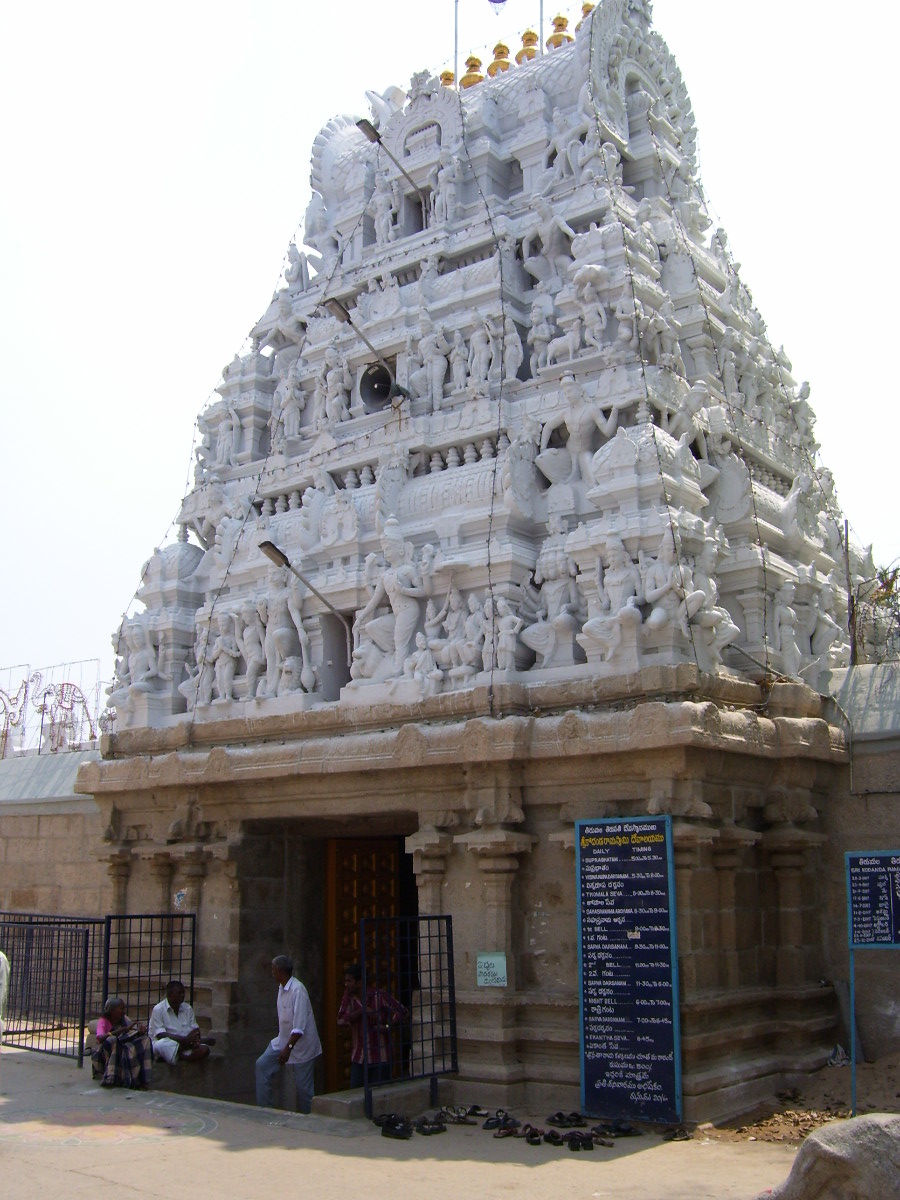
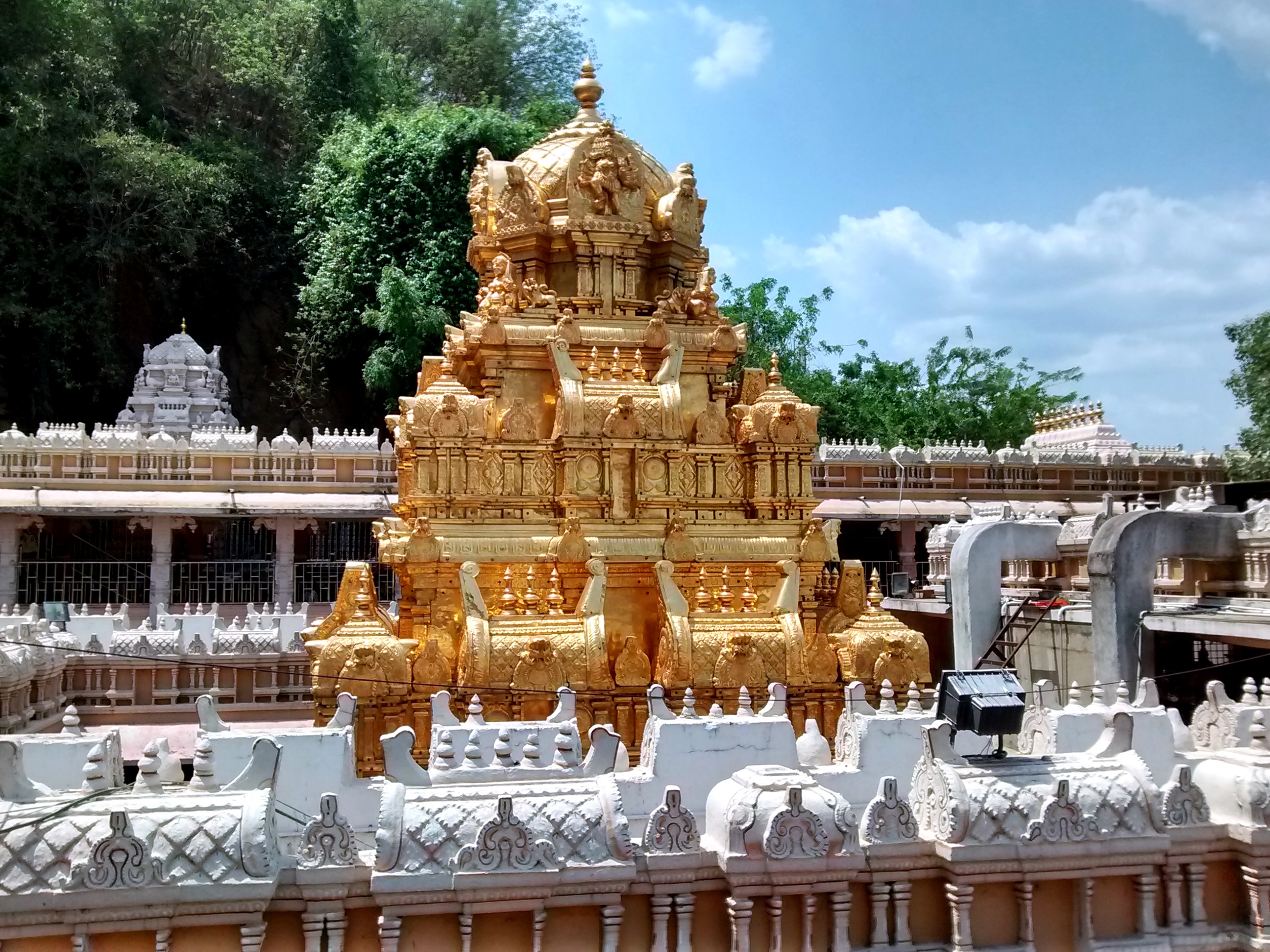
ArchitectureArchitecture The architecture of Ahobilam is a blend of different styles, reflecting its historical patronage. The temples feature intricate carvings and sculptures, showcasing the artistic skills of the period. The Prahladavarada temple, located in Lower Ahobilam, is a significant architectural marvel, with its construction dating back to the 16th century. The shrines in Upper Ahobilam are set amidst a forested area, adding to their mystique.
-
FestivalsFestivals Ahobilam hosts several festivals throughout the year, attracting devotees from far and wide. The most significant festival is the Brahmotsavam, celebrated with great fervour. During this festival, various rituals and processions are conducted, and the deities are adorned with special decorations. Other festivals include Narasimha Jayanti, which marks the appearance of Lord Narasimha.
-
Religious PracticesReligious Practices Religious practices at Ahobilam are centred around the worship of Narasimha. Daily rituals include morning and evening prayers, with special ceremonies conducted on auspicious days. Devotees often undertake a pilgrimage to visit all nine shrines, believing it to be a spiritually rewarding experience. The temple also conducts special homas and yajnas, which are attended by devotees seeking divine blessings.
FAQ's
Where is the Ahobilam located?
Which God is Narasimha?
What is the best time to visit Ahobilam?
How to reach Ahobilam from near City or Town?
In Andhra Pradesh


-
 Sign in with Google
-
Block for 8 hours
-
Block for 12 hours
-
Block for 24 hours
-
Don't block


 Click it and Unblock the Notifications
Informed.
- Male
- Female
- Others
- Under 18
- 18 to 25
- 26 to 35
- 36 to 45
- 45 to 55
- 55+