


What Is LPG, The Backbone of Indian Kitchens? How Is It Produced? Explained


India is currently witnessing growing concern over cooking gas availability in several regions, bringing renewed attention to the importance of Liquefied Petroleum Gas (LPG) in everyday life. From household kitchens to restaurants and small industries, LPG has become an essential fuel across the country. But what exactly is LPG, how is it produced, and why does India depend heavily on global supplies?
What is LPG?
Liquefied Petroleum Gas, commonly known as LPG, is a flammable hydrocarbon gas used primarily as a fuel for cooking, heating, and industrial purposes. It is stored and transported in liquid form under moderate pressure, which is why it is called "liquefied" petroleum gas.
AI-generated summary, reviewed by editors

In households across India, LPG cylinders have largely replaced traditional fuels such as firewood, coal and kerosene. The shift has been driven by convenience, efficiency and environmental concerns, as LPG burns cleaner than many solid fuels.
The Chemistry Behind LPG
Chemically, LPG is not a single substance but a mixture of hydrocarbons. The two primary components are Propane and Butane.
Both propane and butane belong to the hydrocarbon family known as Alkanes. These compounds consist only of carbon and hydrogen atoms and burn efficiently in the presence of oxygen.
When LPG is burned, it undergoes a combustion reaction producing carbon dioxide, water vapour and heat. This chemical reaction releases a high amount of energy, which makes LPG a highly efficient cooking fuel.

In its natural state, LPG is colourless and odourless. For safety reasons, an odorant called Ethyl Mercaptan is added so that leaks can be easily detected by smell.

Another key feature of LPG is that it liquefies easily under moderate pressure. This property allows large quantities of gas to be stored in compact cylinders, making it practical for transportation and household use.

How LPG is Produced?
LPG is primarily produced during the refining of crude oil and the processing of natural gas. When crude oil is refined in petroleum refineries, several by-products are separated through a process called Fractional Distillation. LPG is one of the lighter hydrocarbons obtained during this process.
Natural gas processing plants also extract propane and butane from raw gas streams. These gases are then compressed and stored in liquid form for distribution.
Once produced, LPG is transported through pipelines, tanker trucks or specialised ships known as LPG carriers.

Global Suppliers of LPG
The global LPG market is dominated by major oil and gas producing nations. Countries such as Saudi Arabia, Qatar, the United Arab Emirates and the United States are among the leading suppliers.
The United States has emerged as a particularly significant exporter over the past decade due to its shale gas boom. Meanwhile, Middle Eastern producers continue to play a crucial role in supplying Asian markets.
LPG is transported across oceans in large refrigerated tankers and delivered to importing countries, where it is stored in terminals before being distributed to consumers.

India's LPG Dependency
India is one of the world's largest consumers of LPG. With the expansion of cooking gas coverage through government schemes such as Pradhan Mantri Ujjwala Yojana, millions of households have shifted to LPG cylinders for cooking.
While this transition has improved public health and reduced indoor air pollution, it has also increased India's dependence on imports. Domestic production from refineries and natural gas processing plants meets only part of the demand.
A significant portion of the country's LPG requirement is imported from global suppliers, making India vulnerable to supply disruptions and international price fluctuations.

LPG Crisis and Supply Challenges
The current LPG shortage being reported in several parts of India highlights the fragility of this supply chain. Factors such as rising global demand, logistical disruptions, refinery maintenance, and shipping constraints can all affect availability.
Since LPG must be imported, transported, stored and then distributed through a vast network of bottling plants and dealers, even small disruptions can cause delays in delivery.
For households and eateries that rely entirely on LPG cylinders, such shortages can quickly become a serious problem.
As the ongoing crisis shows, LPG is far more than just a kitchen fuel. It is part of a complex global energy system that connects chemistry, international trade and everyday life in millions of Indian homes.
-
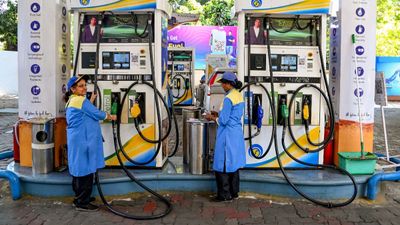 Petrol, Diesel Prices Today, March 22: Check Fuel Rates In Delhi, Mumbai, Bengaluru And Other Major Cities
 -
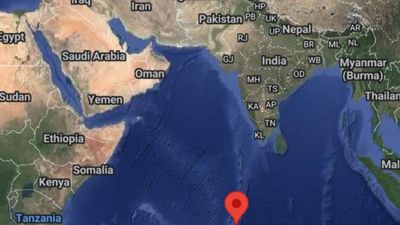 Iran-US War Enters Indian Ocean: Missile Attempt On Diego Garcia And Naval Strike Near Sri Lanka
 -
 Amid Escalating War With Iran, Why Is The Trump Administration Easing Oil Sanctions?
 -
 After Arad, Dimona Strikes, Netanyahu Calls On Global Leaders To Act Against Iran
 -
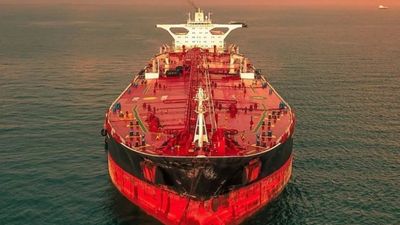 Two Indian-Flagged LPG Ships Ready To Cross Strait Of Hormuz Despite Tensions
 -
 Trump Signals Possible Military Pullback As US Claims Major Gains Against Iran
 -
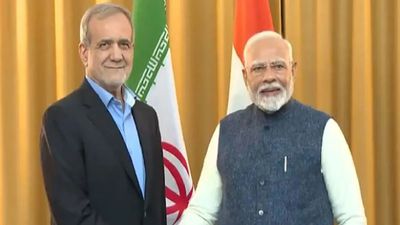 PM Modi Greets Iran President On Eid, Nowruz, Condemns Infrastructure Attacks In West Asia
 -
 Iran Says No Surplus Oil Available After US Eases Sanctions Amid Oil Price Surge
 -
 Iran Will Not Accept Ceasefire, Vows to Protect National Security: FM Araghchi
 -
 ‘Please Bring Him Home’: Odisha Family Urges Rescue Of Seafarer Stranded In Gulf Crisis
 -
 Iran Claims F-15 Was Shot Down Near Hormuz Days After Reporting Strike On US F-35
 -
 'A Mother Will Weep...': Kamal Haasan Criticises Casual Reactions To War, Warns Of Real Consequences



 Click it and Unblock the Notifications
 Sign in with Google