


Sensex Crashes 1,900 Points As Iran War Pushes Oil Above $110, Nifty Falls Below 23,900


India's equity markets opened sharply lower on Monday as rising geopolitical tensions in West Asia rattled investors and triggered a sell-off across Dalal Street. The escalation of the Iran conflict has driven crude oil prices sharply higher, raising concerns about inflationary pressures and potential strain on the Indian rupee.

AI-generated summary, reviewed by editors
The benchmark indices reacted immediately to the global uncertainty. The BSE Sensex plunged in early trade while the broader Nifty 50 slipped significantly, reflecting heightened volatility in financial markets.
Markets Open Deep In The Red
The 30-share BSE Sensex dropped nearly 1,900 points during pre-opening trade, signalling a weak start to the week for Indian equities. At the same time, the NSE Nifty 50 declined by as much as 2.5%, slipping below the crucial 23,900 mark.
The sharp fall comes after global markets turned cautious due to rising geopolitical tensions and surging energy prices. Investors have increasingly moved towards safer assets amid fears that the conflict could disrupt global oil supplies and slow economic activity.
Crude Oil Prices Surge Amid War Concerns
The biggest trigger behind the market decline has been a sharp jump in crude oil prices. Brent crude jumped as much as 19.8% during early Asian trading to reach $111.04 per barrel, the highest level recorded since July 2022. Prices later eased slightly but were still elevated at around $108.30 a barrel.
The rally in oil prices has been fuelled by concerns over potential supply disruptions in the Strait of Hormuz, a vital route for global oil shipments. The situation has been aggravated further after Iraq and Kuwait started curbing oil production. Earlier, Qatar had already reduced LNG supplies, adding pressure to global energy markets.
Escalating Conflict In West Asia
Geopolitical tensions intensified significantly over the weekend as the confrontation involving the United States, Israel and Iran continued to widen. Iran named Mojtaba Khamenei as the new Supreme Leader, succeeding his father Ali Khamenei, a move seen as reinforcing the influence of hardliners during the ongoing conflict.
Meanwhile, Israel expanded its military operations by targeting Iranian commanders in Beirut early Sunday. The attacks pushed the death toll from the recent escalation to nearly 400, highlighting the rapidly deteriorating security situation in the region.
Risks For India's Economy
For India, which ranks as the world's third-largest importer of crude oil, the surge in energy prices presents serious economic challenges. Higher oil prices could widen the fiscal deficit, increase inflationary pressure and squeeze corporate profit margins due to rising input costs.
The spike in crude prices may also weaken the rupee as India's import bill rises. Economists caution that even if tensions eventually cool, damaged infrastructure, disrupted supply chains and heightened shipping risks could keep global fuel prices elevated for several months.
The geopolitical tensions have already weighed heavily on Indian markets. Last week, both the Nifty 50 and the S&P BSE Sensex dropped 2.9%, marking their steepest weekly fall in over a year.
Foreign institutional investors were also aggressive sellers. According to provisional exchange data, they offloaded shares worth ₹6,030 crore on Friday, effectively offsetting the ₹6,972 crore worth of buying carried out by domestic institutional investors.
-
 Platinum Rate Today, 24 March 2026: Demand Picks Up as Platinum Prices Ease Amid Gold Rally
 -
 Hyderabad Gold Silver Rate Today, 24 March 2026: Gold Slips Further, Silver Sees Sharp Swings In Local Market
 -
 Hyderabad Gold Silver Rate Today, 25 March 2026: Gold Slips From Highs, Silver Remains Volatile In City
 -
 Gold Silver Price Today, 24 March 2026: City-Wise Prices As MCX Gold And Silver Steady After Sharp Fall
 -
 Dhurandhar 2 Box Office Collection Day 7: Ranveer Singh's Film Dominates, Inches Closer to ₹1000 Crore Club
 -
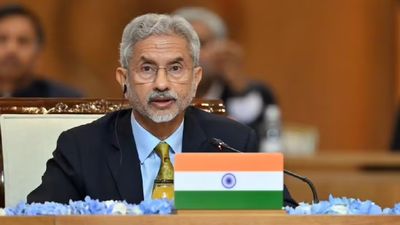 ‘Not a Dalal Nation’: S Jaishankar Hits Back at Pak Mediation Narrative on US-Iran Crisis
 -
 Gold Rate Today 24 March 2026: IBJA Rates Drop Sharply As Tanishq, Malabar, Kalyan Joyalukkas Prices Slip
 -
 Bangalore Gold Silver Rate Today, 25 March 2026: Gold, Silver Prices Rise After Extended Losses
 -
 Bangalore Gold Silver Rate Today, 24 March 2026: Gold, Silver Prices Drop Sharply as Markets Remain Volatile
 -
 Dhurandhar 2 Box Office Collection Day 6: Ranveer Singh’s Film Stays Unstoppable at Box Office Despite Weekday
 -
 Ananya Birla in Spotlight After RCB Owner Deal; Fans Draw Parallels with Kavya Maran
 -
 RCB IPL Tickets 2026: How to Book, Entry Gates, Parking and Metro Details for IPL 2026 Opener Match



 Click it and Unblock the Notifications
 Sign in with Google