


Did Iran Impose Nationwide Ban on Food Exports Amid Escalating Tensions?


Iran has reportedly imposed a nationwide ban on the export of all food and agricultural products, effective March 3, according to a statement from the Iranian Export Confederation, as reported by Trend.
The order has been communicated to customs authorities across the country, and no timeline has been provided for when the ban might be lifted. Earlier restrictions had targeted specific goods such as potatoes, tomatoes, dates and eggs, but the latest directive expands the ban to cover all food and agricultural exports.
AI-generated summary, reviewed by editors

Officials have not publicly elaborated on the reasons for the sweeping decision, but the move comes amid heightened geopolitical tensions involving Iran, the United States and regional players.
Following Failed Nuclear Talks, Tensions Rise
The export ban follows a series of diplomatic engagements between Iran and the United States over Tehran's nuclear programme.
A second round of nuclear talks on February 17 reportedly ended without progress. After that session, the U.S. increased its military presence in regions near Iran by deploying over 150 aircraft to bases in Europe and the Middle East.
A third round of negotiations in Geneva on February 26 - described by observers as a last diplomatic effort - also failed to produce an agreement. According to reports, Tehran rejected key demands, including halting uranium enrichment and dismantling nuclear infrastructure, while Washington sought tighter restrictions.
Shortly after the collapse of talks, media reports circulated claiming that airstrikes conducted by Israel and the United States had resulted in the deaths of Iran's Supreme Leader Seyyed Ali Khamenei and several high-ranking military officials.
These reports also named senior security figures, including top commanders of the Islamic Revolutionary Guard Corps (IRGC), as among the casualties.
However, these claims have not been independently verified by international agencies or confirmed by Iranian state media at the time of writing. Information regarding the reported fatalities remains unconfirmed and subject to further verification.
Why the Export Ban Matters
The nationwide export ban could have far-reaching effects on regional agricultural trade. Iran has been a significant exporter of food and farm products to neighbouring countries, and halting shipments may influence commodity markets and supply chains beyond its borders.
Domestically, the ban is likely aimed at bolstering internal supplies and stabilising prices, particularly in a period of economic stress and geopolitical uncertainty.
Analysts suggest that such a broad export restriction may also reflect concerns over domestic food security or be used as leverage in international negotiations.
With diplomatic channels stalled and regional tensions increasing, the broader impact of the food export suspension is being closely watched by governments and markets.
-
 Iran Snubs Pakistan’s Peacemaker Pretensions, Refuses To Meet US Officials In Islamabad
 -
 We’re In War: Donald Trump Says US Aircraft Loss Won’t Derail Iran Talks
 -
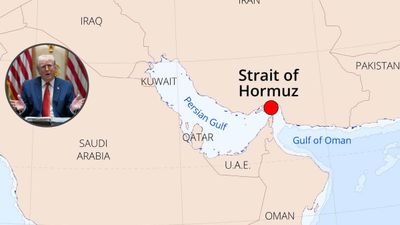 When Will Strait of Hormuz Reopen? Donald Trump’s Iran War Speech Suggests No Quick Relief
 -
 Iran Shoots Down Second US F-35 Fighter Jet, Pilot Survival Unlikely
 -
 UK To Host 35-Nation Talks To Reopen Strait Of Hormuz Amid Oil Crisis
 -
 What Is The ‘Stone Age’ Warning Donald Trump Issued To Iran? Says ‘No Deal, No Mercy’
 -
 US Confirms Fighter Jet Downed Over Iran, Tehran Announces Reward For Those Who Find Crew
 -
 US Pilot Reportedly Ejects In Southwest Iran Amid Fresh Iranian Claims Of F-35, F-15E Downing
 -
 School Assembly News Headlines Today April 03: Top National, International, Sports, Business News
 -
 Stock Market Crashes As Sensex Falls Over 1,400 Points After Trump’s Iran War Warning, Oil Prices Surge
 -
 Centre Plans ₹2.5 Lakh Crore Credit Shield for Businesses Facing Iran Conflict Fallout
 -
 We're The Only Country To Lose Mariners At Strait of Hormuz: India At UK-led West Asia Meet On Iran Crisis



 Click it and Unblock the Notifications
 Sign in with Google