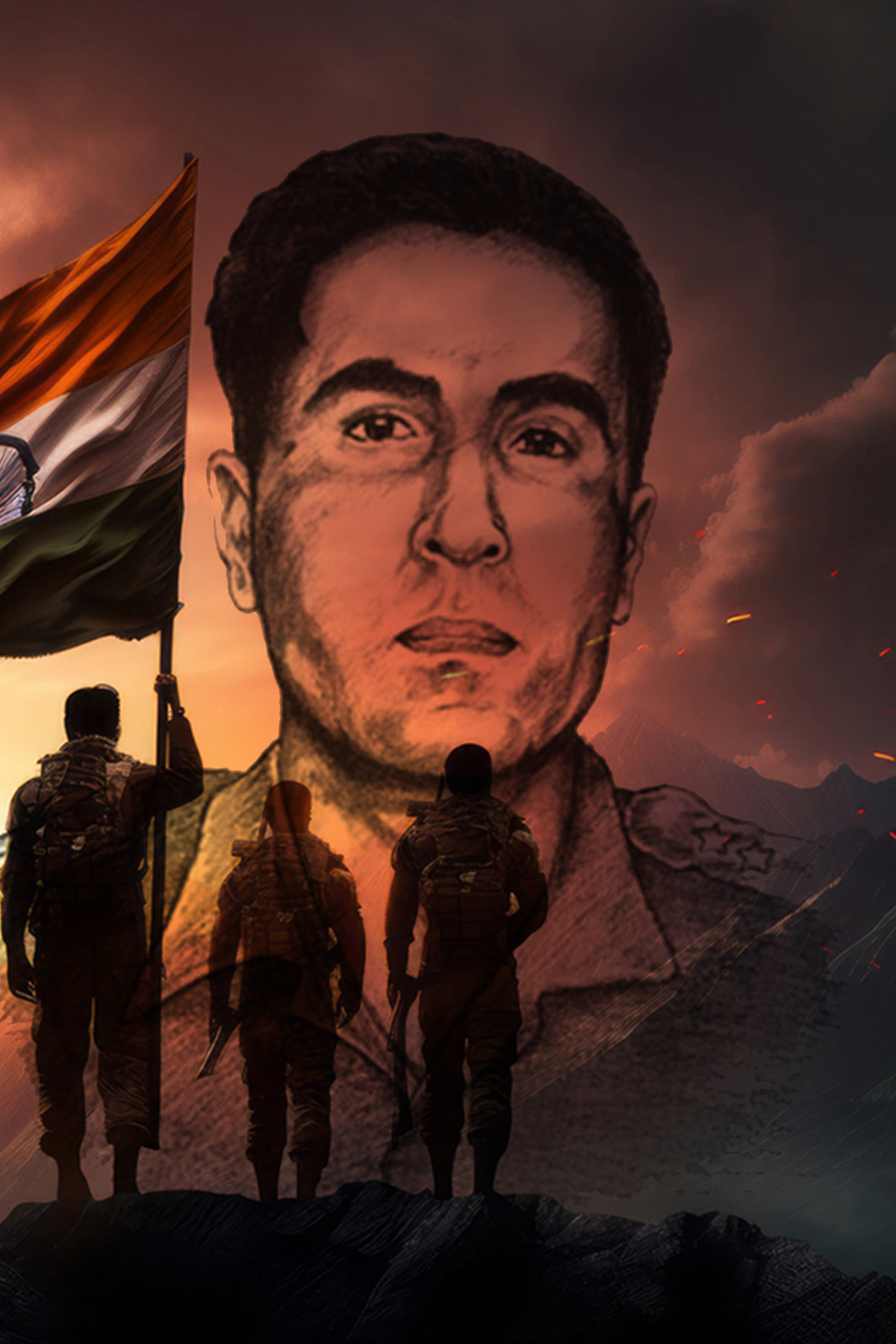
Captain Vikram Batra: The heroic 'Shershah' of 1999 Kargil War
Captain Vikram Batra, born on September
9, 1974, in Palampur, Himachal Pradesh, came from an academic
background—his father, Girdhari Lal Batra, a government school
principal, and mother, Kamal Kanta Batra, a school teacher.
Educated at DAV Public School and later at Central School for
senior secondary education, Batra's early prowess in sports,
notably table tennis at the All India KVS Nationals, hinted at
his competitive spirit.
With a green belt in Karate,
he participated in national-level camps in Manali while pursuing
a B.Sc. in Medical Sciences at DAV College. His involvement in
the NCC Air Wing saw him excel; he was crowned the best cadet in
the Punjab Directorate during an inter-state camp. His
dedication led him to undergo rigorous training at Pinjore
Airfield and Flying Club, where he achieved the rank of captain.
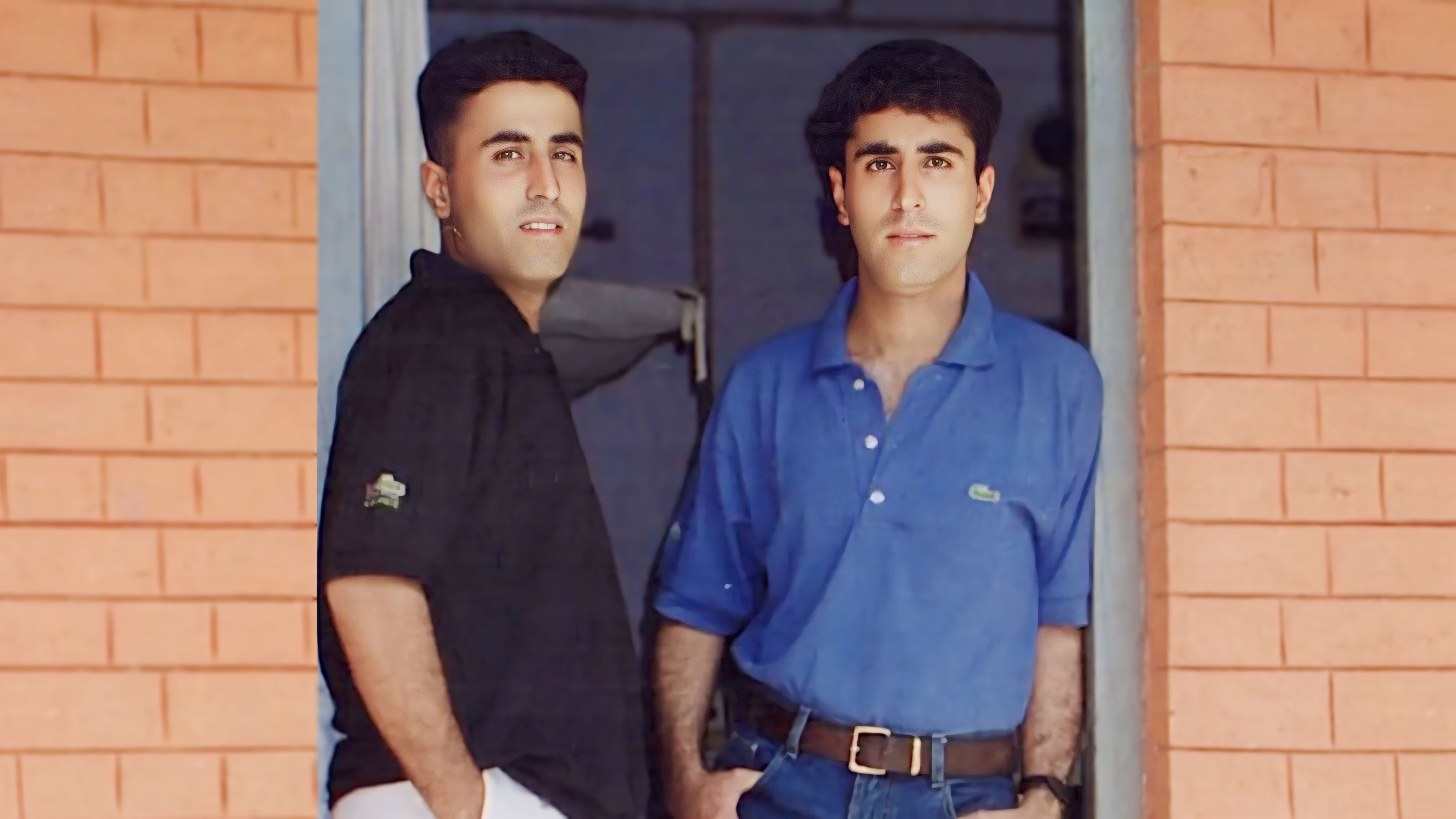
In 1994, inspired by his NCC
experiences, Batra decided to join the Indian Army, turning away
from a merchant navy opportunity. After graduating from DAV
College, Chandigarh, he pursued an MA in English at Panjab
University while preparing for the Combined Defence Services
(CDS) Examination. Balancing evening classes with a day job as a
branch manager in Chandigarh, his commitment was unwavering.
After successfully passing the CDS Examination in 1996, Batra
was selected by the Services Selection Board (SSB) in Allahabad,
securing a place at the prestigious Indian Military Academy
(IMA). Sacrificing his academic pursuits, he embarked on his
military journey, driven by a profound sense of duty and
patriotism.
"I'll either come back after raising the Indian flag in victory or return wrapped in it, but I will come for sure." - Captain Vikram Batra
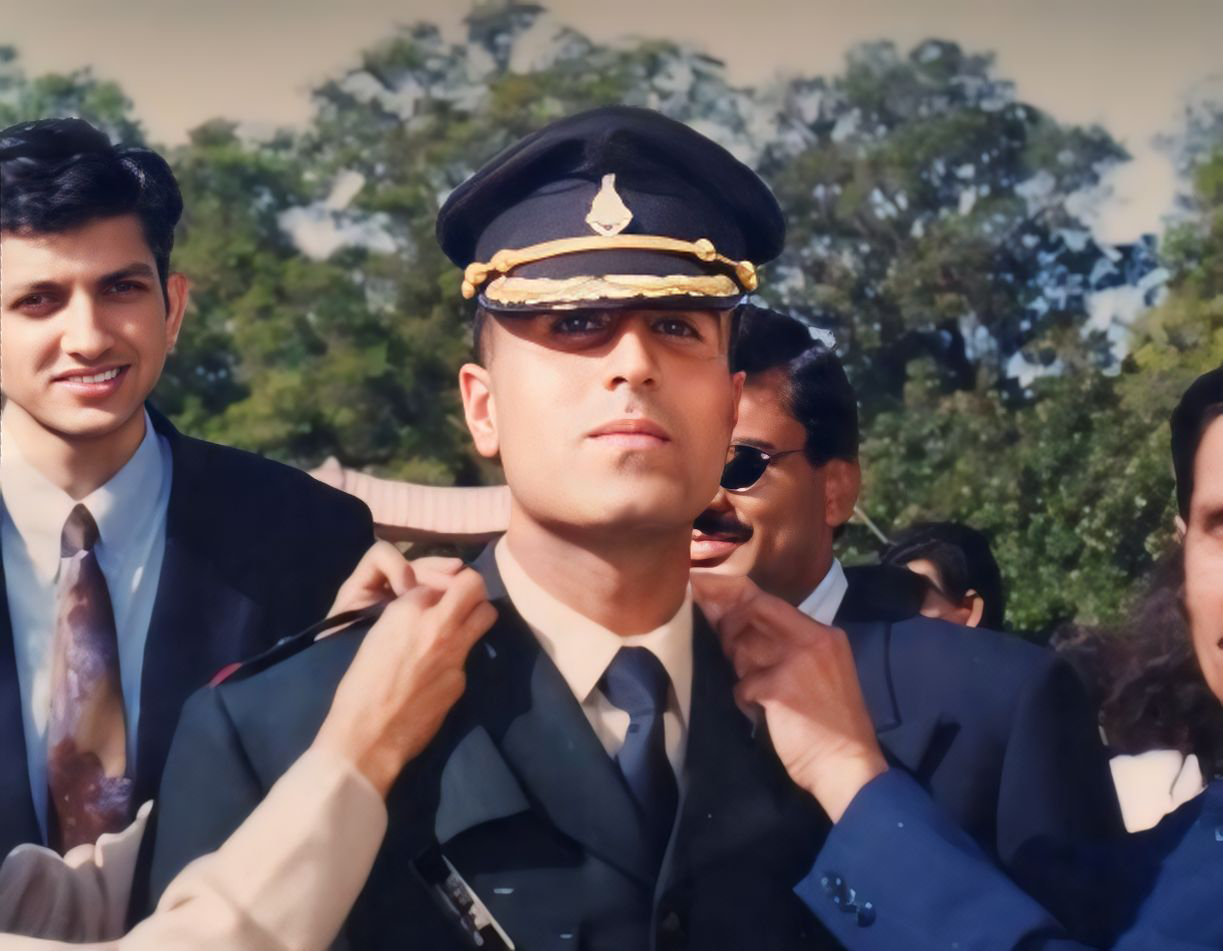
In June 1996, Captain Vikram Batra
embarked on his military career at the Indian Military Academy,
joining the Manekshaw Battalion. After 19 months of rigorous
training, he graduated on December 6, 1997, and was commissioned
as a lieutenant into the 13th battalion, Jammu and Kashmir
Rifles. Following this, he underwent further training in
Jabalpur, Madhya Pradesh, for a month.
Subsequently, Captain Batra was stationed in Sopore, a region
plagued by militant activities. His professional growth
continued as he attended the Infantry School in Mhow, Madhya
Pradesh, from March to August 1998, completing the Young
Officer's Course with distinction and earning an alpha grade,
before rejoining his unit in Jammu and Kashmir.
In January 1999, he pursued the Commando Course in Belgaum,
Karnataka, excelling to the extent of receiving the prestigious
Instructor's Grade upon completion. Returning to his battalion
in Sopore, Captain Batra's unit, 13 JAK RIF, initially stationed
in Shahjahanpur, Uttar Pradesh, was reassigned to Dras, Jammu
and Kashmir, in June 1999. This move was part of their
deployment under the 192 Mountain Brigade of the 8 Mountain
Division, marking a pivotal phase in his military service
amidst the challenging terrain and operational conditions of Dras.
Upon reaching Dras on June 6, the 13 JAK RIF battalion came
under the command of the 56 Mountain Brigade and received orders
to serve as reserves for the 2nd battalion,
Rajputana Rifles (2 RAJ RIF), during the assault on
Tololing Mountain.
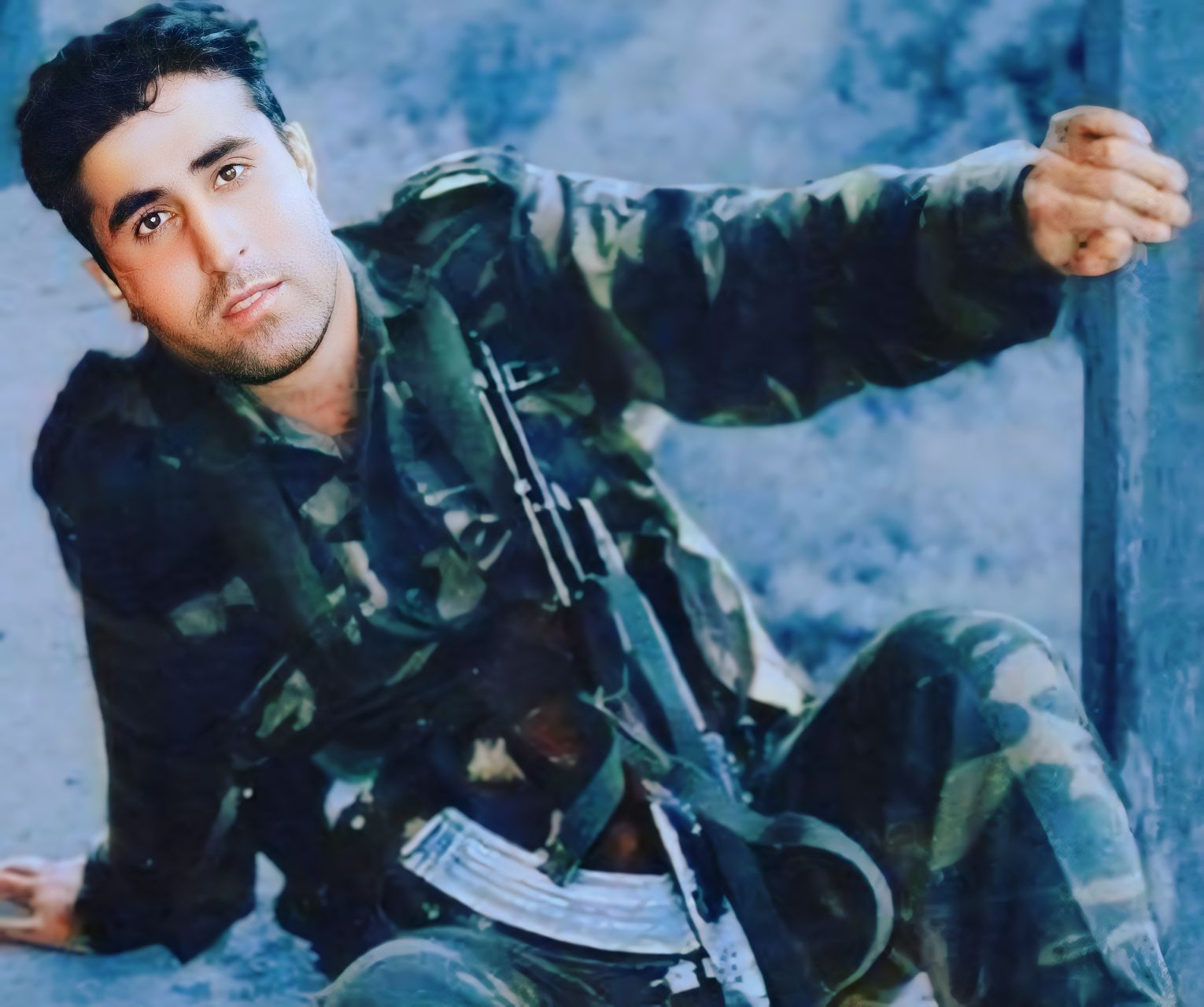
KARGIL WAR
Earlier attempts by the 18 Grenadiers to capture Tololing,
starting on May 22, had resulted in repeated failures and
significant casualties. Following these setbacks, the Rajputana
Rifles took charge of the operation and achieved success on June
13, 1999, by securing the peak of Tololing Mountain.
Subsequently, with the mountain under their control, the 13 JAK
RIF battalion assumed responsibility for Tololing and a segment
of the Hump Complex, taking over from the 18 Grenadiers. This
marked a critical phase in the Kargil War, as the capture of
Tololing was pivotal for gaining control over the strategic
heights in the region.
Capture of Point 5140
After successfully securing Tololing Mountain, the focus shifted
to Point 5140, the highest peak in the Tololing range, standing
at 16,962 feet and commanding views over Tololing Nullah. The
Hump Complex, stretching between Tololing and Point 5140, was
divided among battalions—the 18 Grenadiers taking Humps I–VIII,
and the 13 JAK RIF led by Lieutenant Vikram Batra, tackling
Humps IX, X, and the Rocky Knob.
Under the command of Lieutenant Colonel Yogesh Kumar Joshi, the
next objective was Point 5140. Aware of the perilous terrain and
the need for swift action, Joshi assigned B Company, led by
Lieutenant Sanjeev Singh Jamwal, and D Company, under Lieutenant
Vikram Batra, to attack from the east and south, respectively.
Their operation was codenamed 'Oh! Yeah, yeah, yeah!' for Jamwal
and 'Yeh Dil Mange More!' for Batra. The assault was set for
June 19, with the attack scheduled for 8:30 AM.
As planned, under cover of artillery fire, the assault teams
began their ascent towards Point 5140 after midnight. When the
troops were 200 meters from their target, the guns fell silent,
prompting Pakistani soldiers to emerge from their bunkers and
open heavy machine gun fire. Both Jamwal and Batra, coordinating
from the Hump Complex, requested continued artillery support
until they were just 100 meters away.
By 3:15 AM, both companies had reached Point 5140, with B
Company confirming their victory at 3:30 AM. Meanwhile, Batra,
opting for a surprise rear approach, launched rockets towards
enemy bunkers before engaging in close combat. Despite
sustaining serious injuries, he single-handedly neutralized
multiple enemy positions and captured Point 5140 by 4:35 AM,
signaling his triumph over the radio.
The operation was remarkably successful, with no Indian
casualties. In recognition of his bravery and leadership, Vikram
Batra was promoted to the rank of captain. Following this
pivotal victory, the battalion received orders to rest in Ghurmi
on June 26 before moving to Mushkoh Valley on June 30.
Capture of Point 4875
After reaching Mushkoh Valley, the 13 JAK RIF came under the
command of the 79 Mountain Brigade with the crucial objective of
capturing Point 4875, strategically overlooking National Highway
1. This position allowed the Pakistani Army clear visibility of
Indian gun placements, camps, and troop movements, making its
capture imperative.
The operation began with meticulous planning. On July 4 at 6:00
PM, Indian artillery commenced a relentless bombardment of enemy
positions on Point 4875, continuing through the night. Under the
cover of this barrage, A and C companies advanced towards their
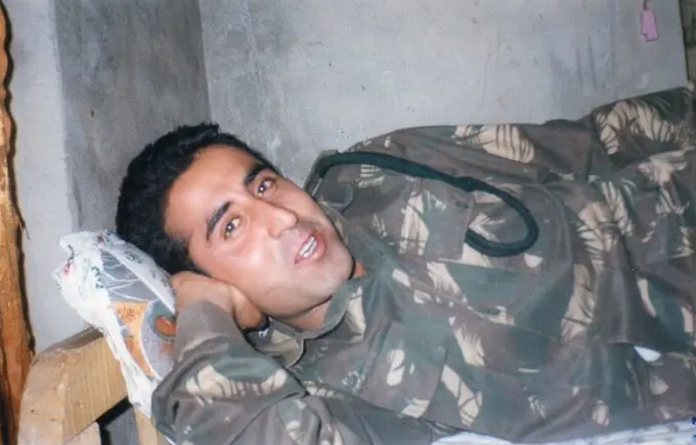
target starting at 8:30 p.m. Despite being unwell and initially
lying in a sleeping bag, Captain Vikram Batra rallied his troops
forward.
By the break of dawn, the companies were within 50 meters of
their objective and commenced firing on enemy positions atop
Point 4875 at 4:30 AM. The battle intensified on July 5 at
around 10:15 AM when Lieutenant Colonel Yogesh Kumar Joshi
ordered Fagot missiles to strike enemy bases, aiding the
advance.
By 1:00 PM, A and C Companies had successfully captured Point
4875, albeit under continued artillery and machine-gun fire from
surrounding areas. Throughout the night, intense skirmishes
ensued, with Pakistani forces mounting heavy fire on A and C
companies. In the early hours of July 6, Captain Nagappa,
holding Area Flat Top, was critically wounded, prompting Captain
Batra's courageous decision to join him despite the risks.
In a daring move, Batra led a group towards the enemy's
fortified position on a ledge near Twin Bump. Despite sustaining
multiple injuries, he neutralized enemy bunkers and engaged in
close combat, eliminating nine enemy soldiers. Tragically,
Captain Vikram Batra was fatally shot by a sniper and RPG
splinter, marking a heroic end to his extraordinary leadership
and sacrifice in the service of his country.
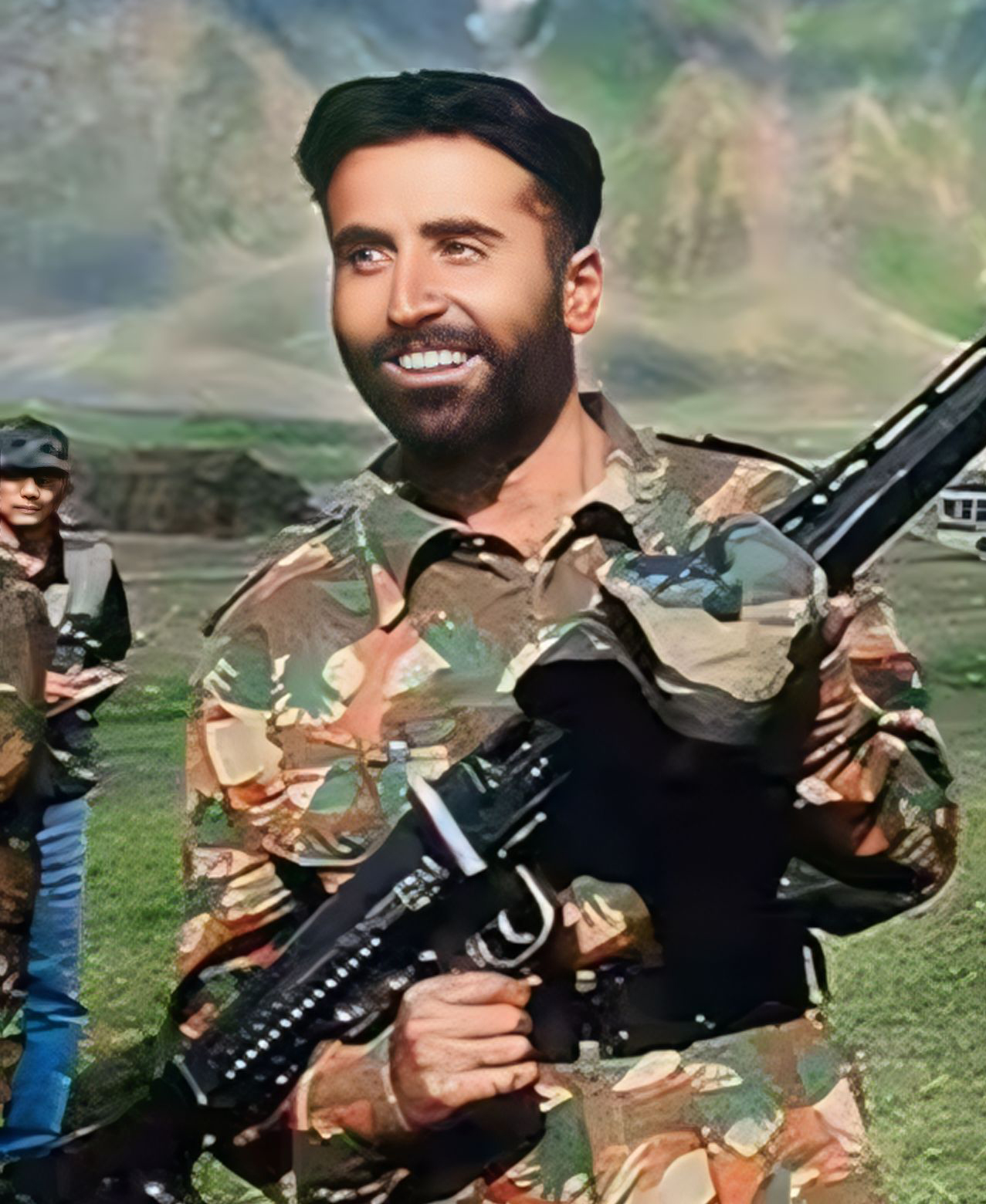
The Soldier Who Became a Legend
PARAM VIR CHAKRA
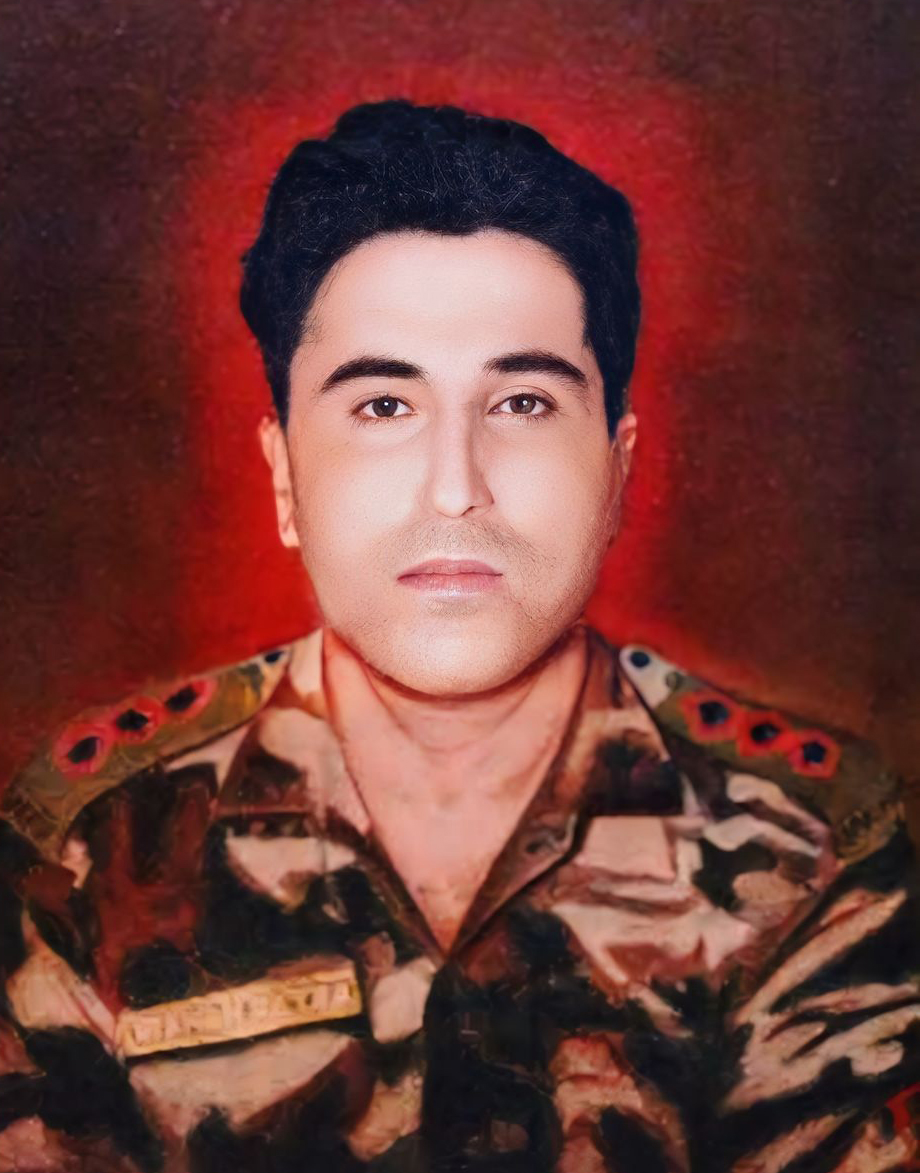
Captain Vikram Batra was
awarded the Param Vir Chakra, India's highest military honor,
for his exceptional bravery and leadership during the Kargil War
in 1999. His actions exemplified extraordinary courage and
determination in the face of grave danger, significantly
contributing to India's success in the conflict.
LEGACY
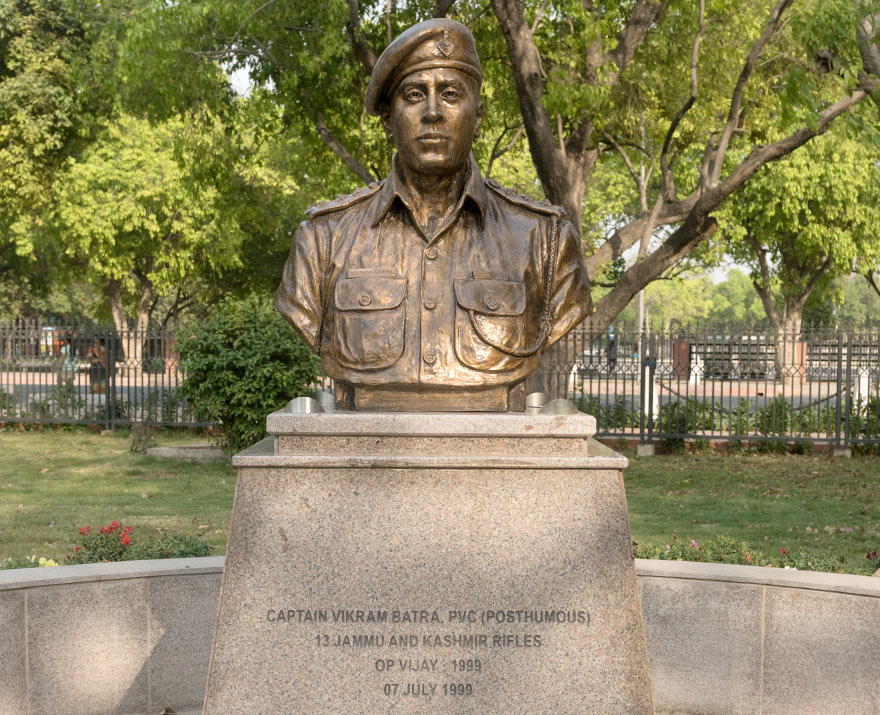
Captain Vikram Batra,
celebrated for his heroic deeds during the Kargil War, has been
honored with numerous tributes and memorials. Following the
historic capture of Point 4875, the peak was renamed Batra Top
in his honor. In Jabalpur Cantonment, a residential area is
known as 'Captain Vikram Batra Enclave'. At the Service
Selection Centre Allahabad, a hall bears his name—the 'Vikram
Batra Block'. His legacy also extends to the Indian Military
Academy (IMA), where the combined cadet's mess is named 'Vikram
Batra Mess'.
In Chandigarh, a memorial at DAV College commemorates war
veterans, including Captain Batra. Notably, in December 2019,
New Delhi's Mukarba Chowk and its flyover were renamed Shaheed
Captain Vikram Batra Chowk in his honor. Furthermore, his life
story was brought to the screen with the release of the film
'Shershaah' on Amazon Prime Video on August 12, 2021, further
cementing his legacy as a symbol of valour and sacrifice.